



Gold Cabochon Pendant
When you handle a gold cabochon pendant, you hold a smooth, unfaceted stone set in precious metal that defines historic jewellery.
Gold Cabochon Pendant
Many of these pieces function as convertible items, appearing as both pendants and brooches with hinged pins and loops. Designs range from strict geometric clusters to flowing Arts and Crafts and Etruscan Revival motifs.
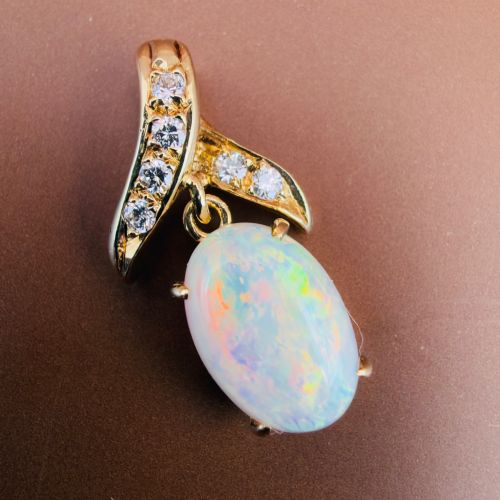
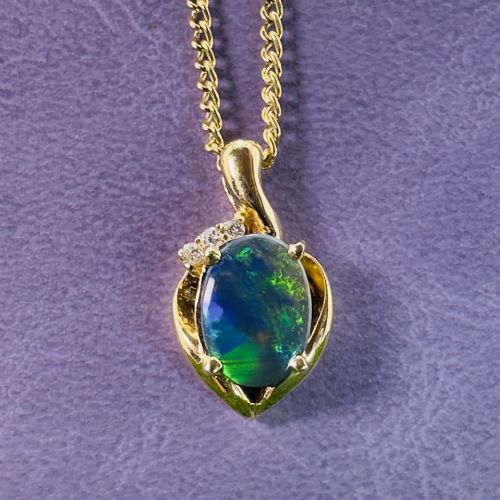
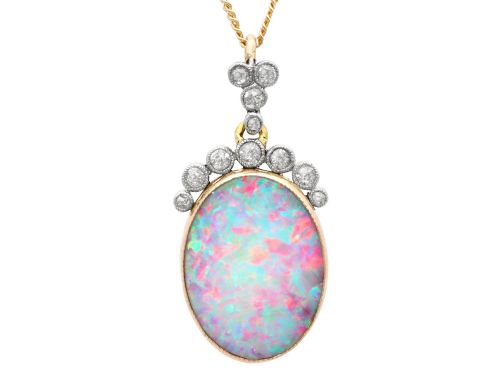
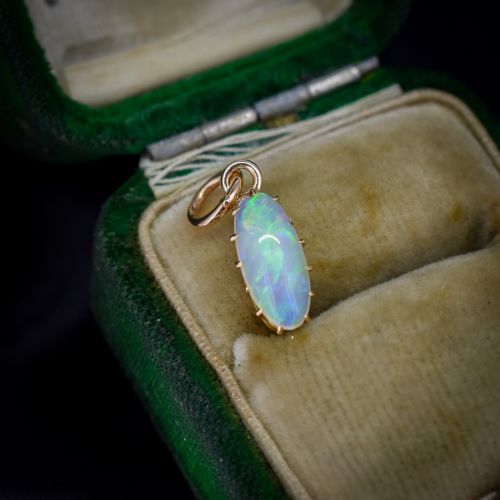
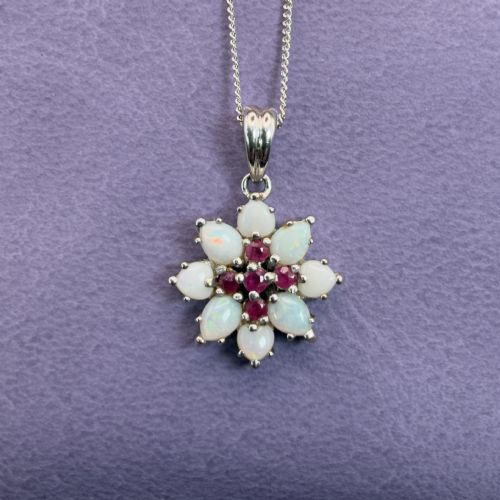
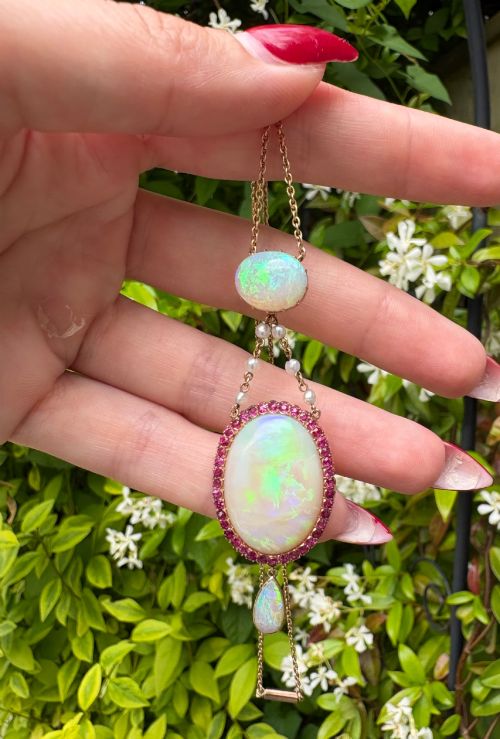
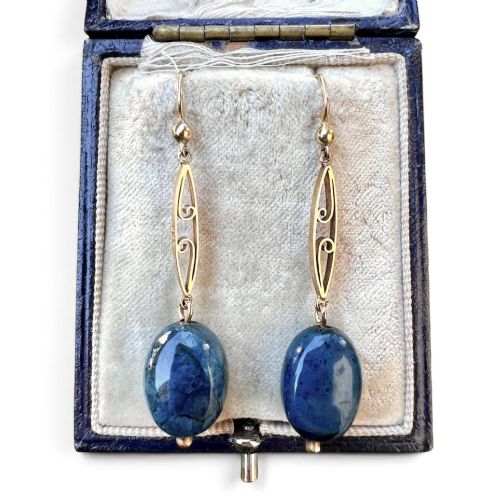
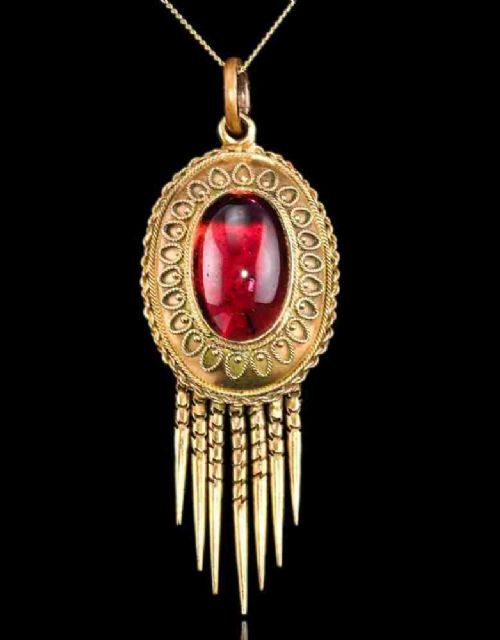
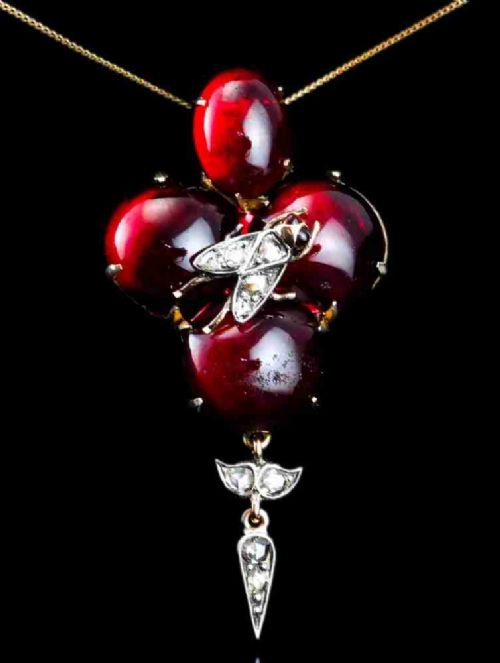
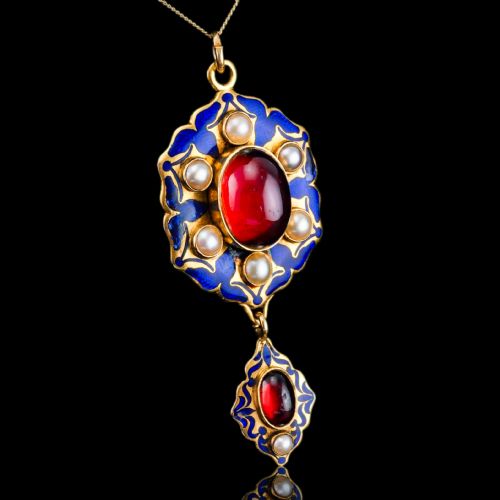
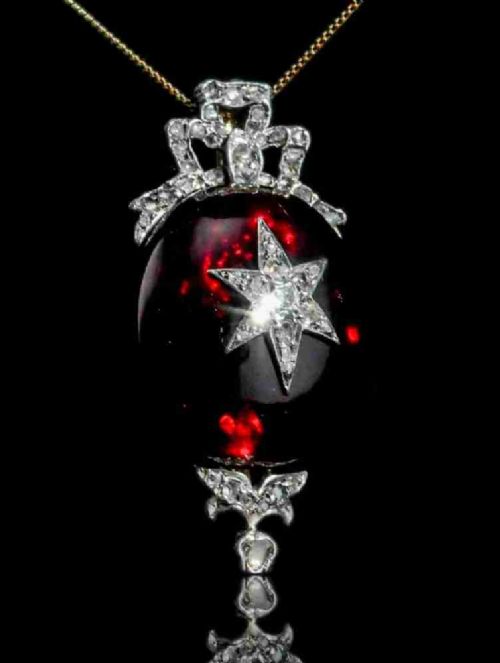
The stones themselves define the character of each piece, showing natural colour play in opals or deep red tones in garnets. Settings often incorporate silver to back diamond accents, contrasting against higher carat gold bodies.
Materials and construction
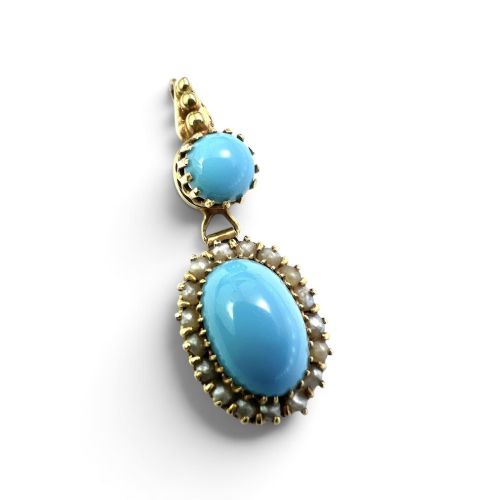
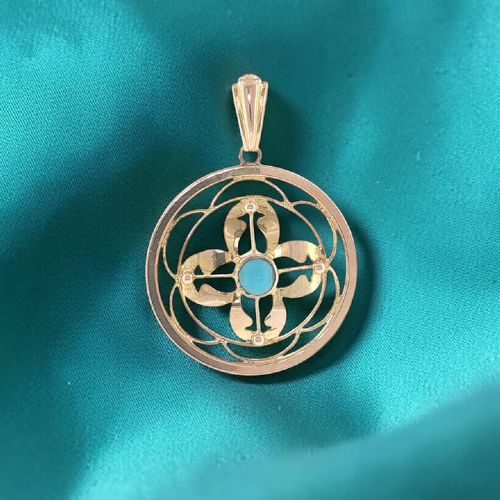
Goldsmiths utilised various purities, notably nine carat, fifteen carat, and eighteen carat gold, alongside silver for specific gemstone settings. Stones like opals, turquoise, moonstones, and garnets were shaped into smooth domes and secured with bezels or claws.
Advanced techniques included granulation and wirework seen in Etruscan Revival pieces, as well as delicate filigree and enamel work. Many items combine gold with silver to keep diamond settings bright and secure against softer precious metals.
Gold Cabochon Pendant Retail Price Guide 2026
Typical asking prices for gold cabochon pendant among the pieces listed under this phrase on Sellingantiques today, from the lower quarter to the upper quarter. They describe what is for sale here now, not the wider market.
Judging quality in historic pendants
Quality rests on the depth and intensity of the central stone, particularly the play of colour in opals and the saturation of garnets or turquoise. Superior examples display balanced proportions between the mount and the cabochon without obscuring the stone.
The precision of the metalwork distinguishes finer items, from tight bezel closures to hand-applied wirework and granulation. Maker execution determines whether a piece remains a simple souvenir or a sophisticated work of jewellery art.
Dorrie Nossiter·John Paul Cooper
The Gold Cabochon Pendant Glossary
- Cabochon
- A gemstone shaped and polished with a smooth, rounded surface rather than faceted edges. This ancient method highlights the natural grain and colour of opaque or translucent stones.
- Etruscan Revival
- A nineteenth-century design style inspired by ancient archaeological discoveries in Italy. Pieces utilise granulation, filigree, and applied gold wire to mimic classical metalwork.
- Holbeinesque
- A Victorian revival style drawing on sixteenth-century German and English court jewellery designs. These items frequently feature complex arrangements of coloured stones, pearls, and dangling drops.
- Guilloche
- An ornamental engraving technique where a precise repeating pattern is mechanically etched into a metal surface. Transparent enamel is often layered over the top to create rich, coloured depths.
- Bezel setting
- A method of holding a gemstone in place using a narrow metal collar that wraps around the stone's perimeter. This technique offers secure protection and a clean outline.
Gold Cabochon Pendant: Frequently Asked Questions
How do I wear a antique pendant brooch?
Many historic pieces feature both a suspension loop and a pin finding on the reverse, allowing them to function interchangeably as neck ornaments or jacket fastenings. You can suspend them from a fine chain or attach them directly to heavy fabrics.
When wearing them as brooches, ensure the safety catch is secure. For pendant use, select a chain that matches the gold colour and carat weight of the mount.
How should I clean my gold cabochon pendant?
Clean these items gently using warm water, a mild soap, and a soft brush to remove dust from the setting crevices. Avoid harsh chemical dips or ultrasonic cleaners, as stones like opals and turquoise are porous and sensitive to moisture and temperature shifts.
Dry the piece thoroughly with a soft cloth before storing it away from other jewellery to prevent scratching the softer gems.
Are these opals solid or assembled stones?
The listings include both solid natural opals and composite stones like opal triplets, where a thin slice of natural opal is protected by a quartz or glass dome. Each description notes the specific construction of the gem.
Solid stones display natural matrix variations, while assembled pieces offer durability and distinct colour play under protective layers.
How can I date a gold cabochon pendant?
Dating relies on stylistic clues, such as the symmetrical rigidity of Victorian Etruscan revival work or the fluid lines of Arts and Crafts and Art Deco designs. Hallmarks stamped into the gold mount also provide specific assay office and year markers.
Examining the construction methods, clasp types, and stone cuts further narrows the era of production.