


Gold Brass Container
These gold brass container pieces offer functional utility and decorative character, spanning utilitarian vessels and domestic boxes from the nineteenth and early twentieth centuries.
Gold Brass Container
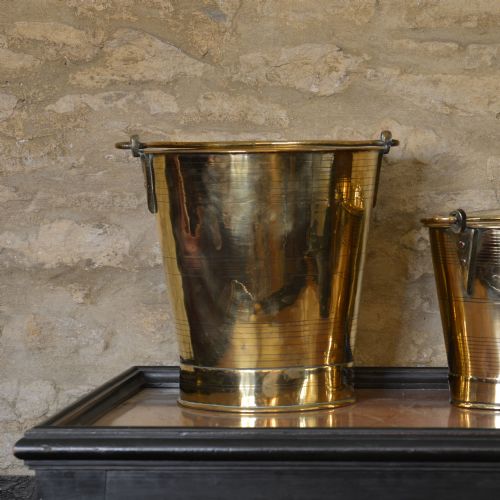
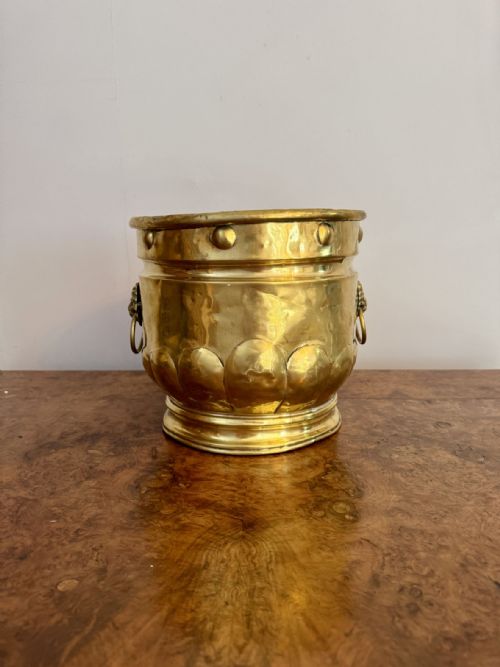
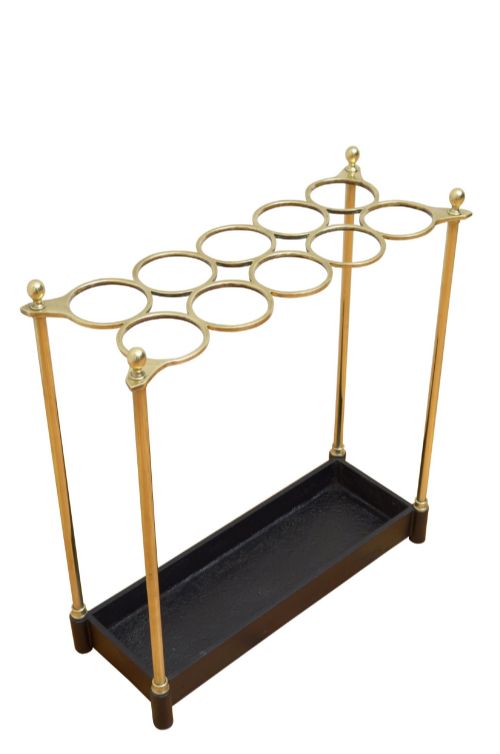
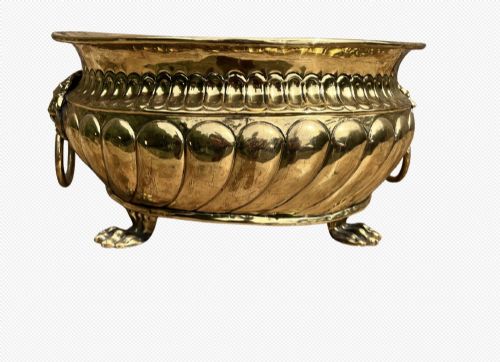
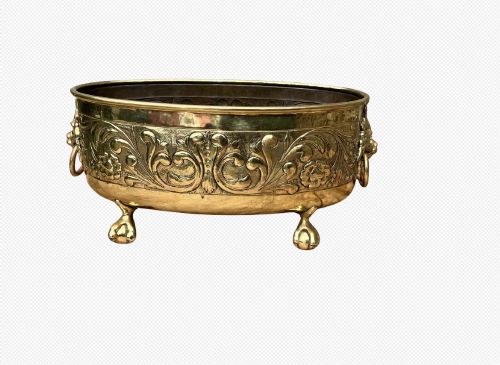
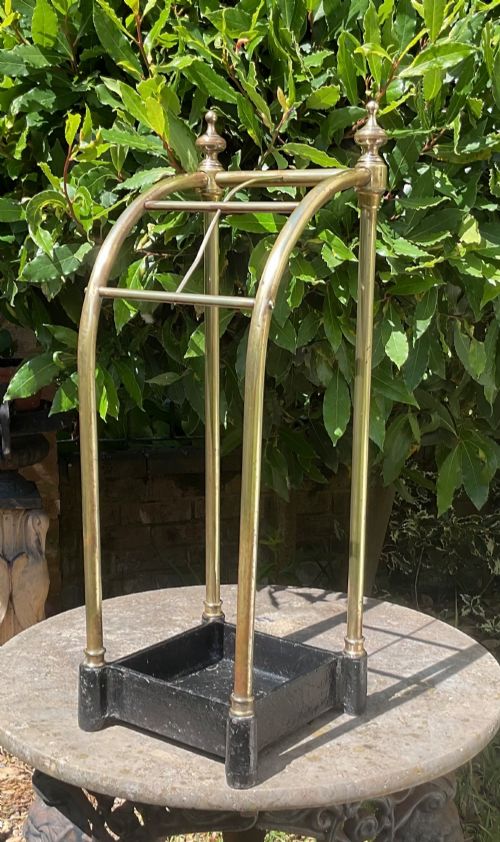
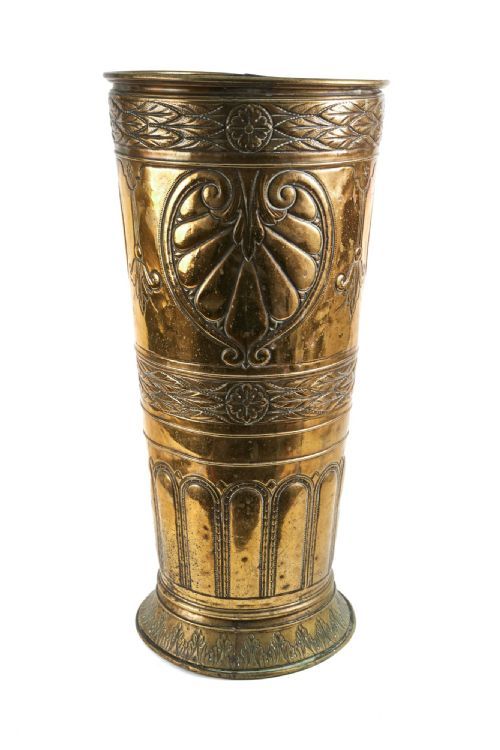
A gold brass container encompasses a diverse array of domestic items intended for storage and display, appearing frequently as umbrella stands, jardinieres, and smaller boxes. You will most commonly encounter nineteenth-century and Edwardian examples fashioned for fireside, hallway, or tabletop use.
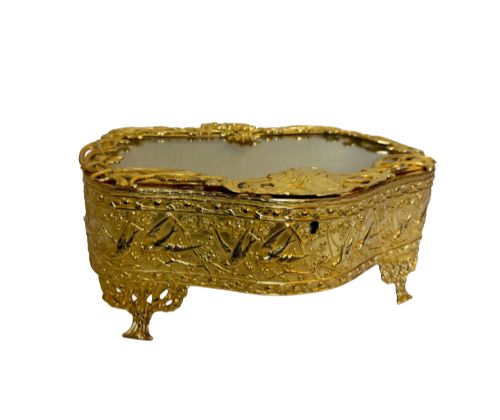
Larger floor-standing vessels share space with intricate tabletop pieces like trinket boxes and betel nut dishes. Each variant demonstrates the enduring appeal of brass and copper alloys in historical domestic interiors.
How they were made
Metalworking techniques for these containers include casting, sheet fabrication, and hand-chisselling to achieve detailed surface decoration. Makers utilised repoussé methods to press ornamental patterns into the metal from the reverse side.
Surface ornamentation is often enhanced through gilding or the incorporation of contrasting materials such as glass, cast iron, and silver inlay. These combined methods allow for both robust structural forms and delicate decorative detailing.
Some boxes feature peculiar animal finials, including carved bears and cast pineapple motifs, adding unexpected character to household storage.
What varies in quality
Quality in these metal objects depends heavily on the crispness of the chasing or repoussé work and the weight of the metal utilised. Superior examples display deliberate handling of form, such as integrated animal heads or decorative ball finials, rather than mass-produced uniformity.
The choice of secondary materials and structural joinery also distinguishes finer pieces from simpler utilitarian items. Solid construction in handles, feet, and hinges indicates a higher standard of period craftsmanship.
The Gold Brass Container Glossary
- Repoussé
- A metalworking technique where the artisan hammers the metal from the reverse side to create a raised design on the front. This method gives decorative brass boxes and planters their textured relief patterns.
- Jardiniere
- A decorative pot or stand designed to hold flowers or potted plants indoors. These vessels often feature waterproof liners or heavy brass walls to protect interior surfaces.
- Etui
- A small decorative box or case used for holding needles, cosmetics, or other small personal items. Victorian examples in brass showcase meticulous compartment organisation.
- Demi Lune
- A half-moon shape characteristic of umbrella stands and stick holders designed to sit flush against a hallway wall. This profile maximises floor space in narrow corridors.
- Betel Nut Dish
- A traditional vessel used in parts of Asia for holding ingredients related to betel quid consumption. These engraved brass stands demonstrate intercultural trade and domestic customs.
Gold Brass Container: Frequently Asked Questions
What is a gold brass container used for?
These vessels served various practical purposes in historical homes, ranging from storing coal and kindling by the fireside to holding walking sticks and umbrellas in the hallway. Smaller versions functioned as desktop caddies or secure boxes for jewellery and keepsakes.
Over time, many of these containers transitioned from purely utilitarian items to decorative display pieces. Today, they remain versatile objects for organising modern living spaces.
How do I tell Victorian from Edwardian pieces?
Victorian items often display heavier ornamentation, ornate casting, and robust forms influenced by historic revival styles. The decoration tends towards dense floral motifs or structured geometric patterns.
Edwardian pieces generally lean towards lighter proportions and cleaner lines, reflecting early twentieth-century design shifts. Art Nouveau influences also appear during this later era, introducing organic curves and stylised natural motifs.
How do I clean an antique brass container?
Antique metalware benefits from gentle dusting and minimal intervention to preserve its historical surface character and accumulated patina. Harsh chemical cleaners can strip away desirable ageing effects and damage delicate repoussé details.
Consult a specialist conservator if the piece requires deep cleaning or repair. Preserving the original finish maintains the visual integrity of the material.
Are these containers heavy?
The weight varies significantly depending on the object type and the manufacturing technique employed. Floor-standing umbrella stands and coal bins utilise thick cast or sheet brass to ensure stability during daily use.
Tabletop boxes and smaller dishes are considerably lighter, designed to be easily moved around a room. Metal thickness generally corresponds to the functional demands placed on the specific vessel.