





Gold Orientalist Painting
Gold antique orientalist painting brings distant markets and sunlit courtyards into the room through rich pigments and metallic leaf.
Gold Orientalist Painting
A gold antique orientalist painting captures nineteenth-century interpretations of Middle Eastern, North African, and Asian subjects, often framed by decorative surfaces or gilt wood. These works range from oils on canvas and board to watercolours and pastels produced across the nineteenth and early twentieth centuries.
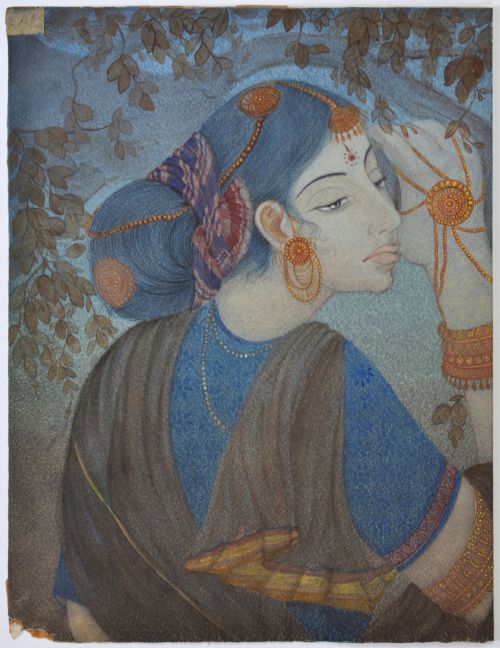
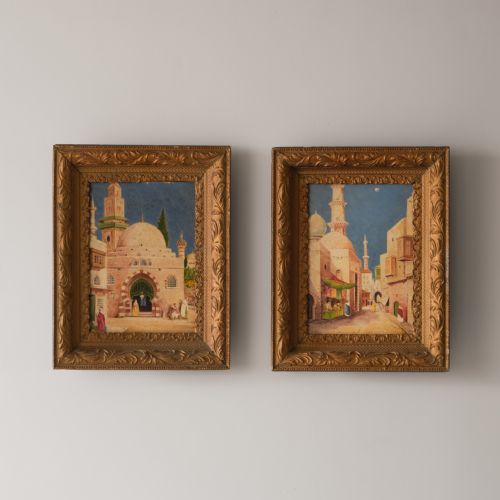
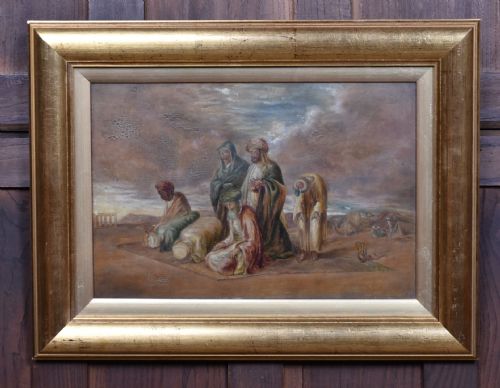
Buyers encountering this search phrase find varied formats, including framed portraits of Arab gentlemen, detailed architectural scenes of temples and the Suez Canal, and naive depictions of old Bagdad. French, British, and German artists dominate the selection, bringing varied European perspectives to distant landscapes.
The aesthetic leans heavily on romanticised notions of foreign cultures, executed through academic realism or looser impressionistic strokes. Gilt frames and metallic highlights frequently amplify the warmth of the palette, setting these works apart from standard European portraiture.
Materials and methods of construction
Canvas, wood panels, and heavy paper form the primary supports for these works, coated with traditional ground layers before receiving oil or watercolour applications. Pigments are blended with drying oils or water-based binders, sometimes augmented by cold-painted metals or lacquer work on related decorative items.
Gilt wood frames and applied gold leaf frequently surround the picture plane, reflecting the nineteenth-century taste for ornate presentation. The physical construction relies on stable wooden stretchers and joinery typical of the Victorian and Edwardian periods.
Current listings feature oil paintings, watercolours, and pastels spanning the nineteenth and twentieth centuries, alongside gilt wood frames and lacquered boxes.
Distinctions in craftsmanship and execution
Brushwork precision and anatomical accuracy separate academic masterworks from naive or decorative studio pieces. The handling of light on fabrics, skin, and gilded surfaces reveals the technical competence of the hand behind the work.
The integrity of the original support and the stability of the pigment layer dictate the longevity of the piece. Superior examples retain vibrant colour harmonies and original framing components without extensive modern intervention.
David Roberts·Franz Bergman·Frederick Goodall·Richard Wilson
The Gold Orientalist Painting Glossary
- Orientalism
- The imitation or depiction of aspects of Eastern cultures in the West by writers, designers, and artists. This nineteenth-century movement shaped how European audiences visualised the Middle East and Asia.
- Gilt Wood
- Wood that has been treated with a thin layer of gold leaf or gold paint. This finish enhances frames and decorative objects with a reflective, warm sheen.
- Cold-Painted Bronze
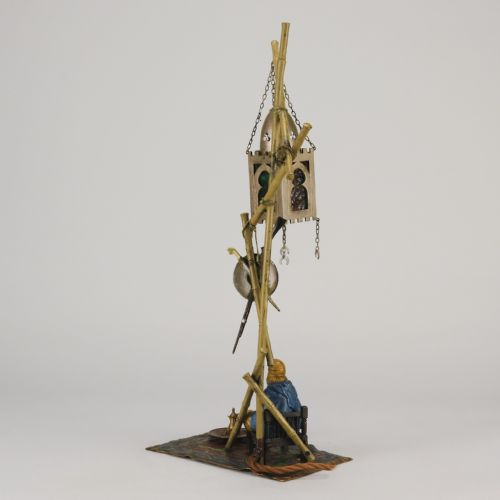
- A method where bronze sculptures are painted with oil-based paints rather than heat-patinated. This technique allows for vivid coloration on small figures and lamps.
- Watercolour
- A painting method in which the paints are made of pigments suspended in a water-based solution. Artists use washes to create translucent layers on paper.
- Lacquer
- A clear or coloured synthetic or natural varnish applied in multiple coats to wood or metal. It produces a hard, durable finish seen on boxes and panels.
Gold Orientalist Painting: Frequently Asked Questions
What is an orientalist painting?
An orientalist painting is a nineteenth-century artwork depicting scenes, people, and architecture from the Middle East, North Africa, and Asia by Western artists.
These works often romanticise foreign travels and distant cultures through dramatic lighting and detailed native attire.
How do I date these paintings?
Dating relies on stylistic markers, framing methods, artist signatures, and the type of canvas or panel support used.
Nineteenth-century works typically display academic precision or romantic conventions distinct from later twentieth-century interpretations.
Where should I hang these?
These paintings suit libraries, studies, or living rooms with traditional decor, where their rich colours complement dark wood furniture.
Keep them away from direct sunlight and damp environments to protect the canvas, paper, and gilt frames.
What subjects are common?
Common subjects include desert caravans, street markets, Bedouin tribesmen, Suez Canal views, and architectural studies of temples and ancient statues.
Portraits of regional figures also feature prominently among the historical inventory.