



Gold and Silver Ring
When examining a gold and silver ring, collectors encounter historic multi-metal settings designed to catch candlelight and showcase gemstones.
Gold and Silver Ring
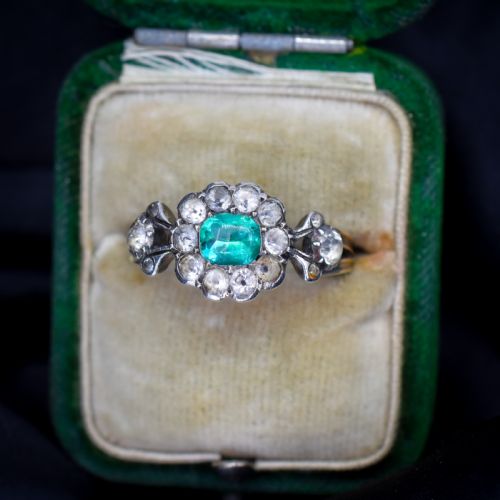
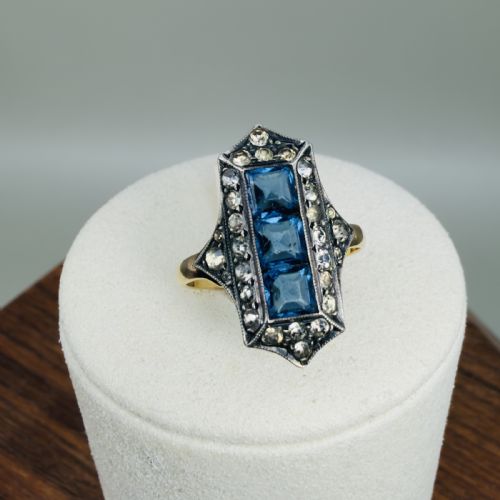
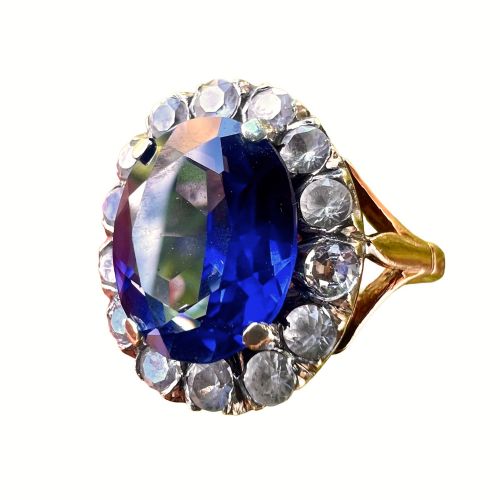
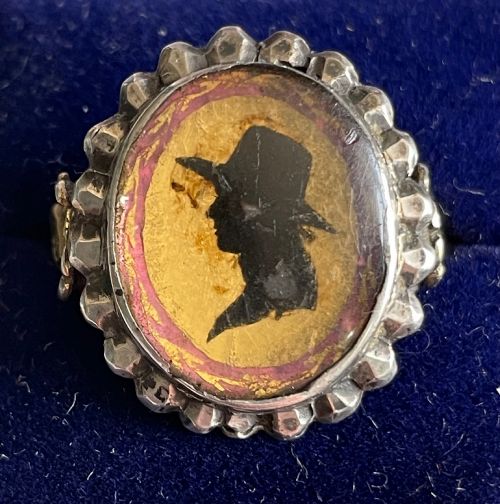
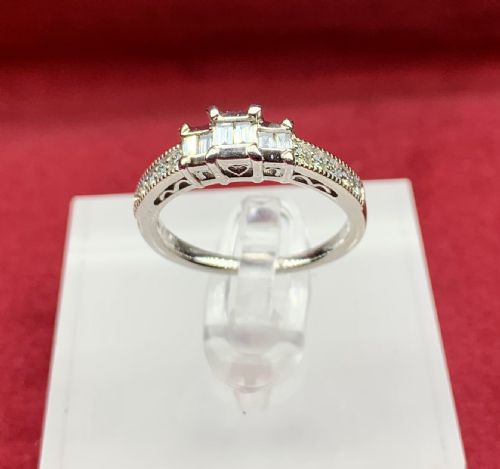
A gold and silver ring combines dual-metal construction, pairing the warmth of gold with the bright, reflective surface of silver. These pieces span Georgian, Victorian, Edwardian and Art Deco periods, encompassing cluster designs, engagement rings and gemstone settings.
Early examples from the Georgian and Victorian eras frequently feature rose-cut or old-cut diamonds and coloured stones set in silver over a gold backing. This technique positioned silver on the face of the mounting to enhance stone brilliance while utilising gold for structural durability against the skin.
Twentieth-century variations extend into Art Deco and Mid-Century aesthetics, where geometric clusters and diamond solitaires continue the tradition of mixed metals. Buyers frequently meet pieces incorporating sapphire, emerald, ruby and paste stones alongside white gold and platinum elements.
Materials and construction methods
Goldsmiths constructed these rings by soldering silver tops onto gold shanks or backings, allowing the silver to hold delicate claw or collet settings for diamonds and gemstones. This dual-metal method exploited silver's bright white finish to complement stones while relying on the strength of 9ct or 18ct gold underneath.
Gemstones such as rose-cut diamonds, old-cut diamonds, sapphires, emeralds and paste stones were hand-set into the silver mounts. Artisans often blackened or oxidized the silver backgrounds behind stones in earlier periods to heighten the contrast and perceived brilliance of the facets.
Some lucky split rings arrive bearing miniature silver pigs, bugs and bugles to ensure fortune stays close at hand.
Evaluating craftsmanship and condition
The finesse of the metalwork distinguishes finer examples, visible in the precision of the silver collets and the seamless integration where the silver meets the gold base. Superior specimens display delicate piercing, even granulation and secure stone settings that have survived centuries of wear.
Gemstone selection and cutting integrity dictate the upper tier of the range, where hand-cut old mine or rose-cut diamonds exhibit symmetry and liveliness tailored specifically to the mount. The preservation of original enamel work, structural geometry and untouched patination further elevate an example.
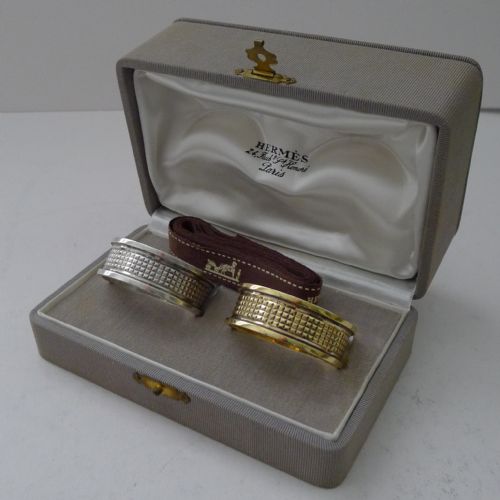
Hermes Paris·Watrous Manufacturing Co
The Gold and Silver Ring Glossary
- Rose-cut diamond
- A vintage diamond cut featuring a flat base and a domed crown faceted with triangular shapes, common in Georgian and Victorian pieces.
- Old-cut diamond
- An early diamond cutting style characterised by a small table, high crown and deep pavilion, designed to sparkle under candlelight.
- Cluster ring
- A ring design featuring a central gemstone surrounded by a halo of smaller stones, frequently utilised in antique and Art Deco jewellery.
- Collet setting
- A metal collar that wraps around the girdle of a gemstone to secure it in place, widely seen in antique silver and gold mounts.
Gold and Silver Ring: Frequently Asked Questions
Why are two metals used in one ring?
Historic jewellers combined silver and gold to gain the aesthetic and structural benefits of both materials. Silver provided a bright, white reflective surface that enhanced the appearance of diamonds and gemstones, while gold offered strength and prevented tarnish against the skin.
This method persisted across Georgian, Victorian and Edwardian periods before modern platinum and white gold alloys became widespread. The dual-metal approach remains a hallmark of antique multi-stone cluster and engagement rings.
How do I date a mixed metal ring?
Dating relies on stylistic clues, setting techniques and gemstone cuts rather than a single hallmark. Georgian and early Victorian pieces often feature closed-back silver settings over gold with hand-cut rose diamonds, while Edwardian and Art Deco examples show lighter wirework, platinum accents and geometric cluster arrangements.
Examining the shank shape, the wear on the metal and the mounting style helps place the piece within its historical period. Many antique rings transitioned through decades, retaining their original character while reflecting the era of their manufacture.
Are these rings suitable for daily wear?
Many historic rings can be worn regularly with appropriate care, given their durable gold shanks and secure settings. However, antique pieces featuring softer stones like paste, opal or emerald require mindfulness to avoid impact and harsh chemicals.
Consulting a specialist jeweller for regular prong and setting checks ensures the security of old-cut diamonds and fragile gemstone mounts. Gentle cleaning preserves the historic patination of the silver and gold components.
What is the difference between rose-cut and old-cut diamonds?
Rose-cut diamonds feature a flat bottom and a domed top covered in triangular facets, producing a soft, translucent glow reminiscent of water droplets. Old-cut diamonds possess depth, a small table and numerous facets designed to catch low-light environments.
Both cuts appear frequently in antique settings, with rose-cuts dominating earlier Georgian and Victorian designs and transitional old-cuts defining Edwardian and Art Deco pieces.