





Gold Alarm Desk Clock
These gold alarm desk clock pieces are practical timekeepers built in brass and gilt metal, offering precision and portable elegance for the bedside or desk.
Gold Alarm Desk Clock
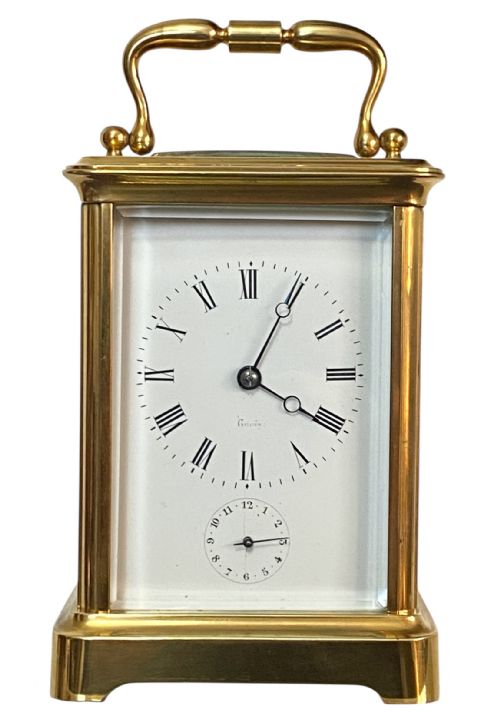
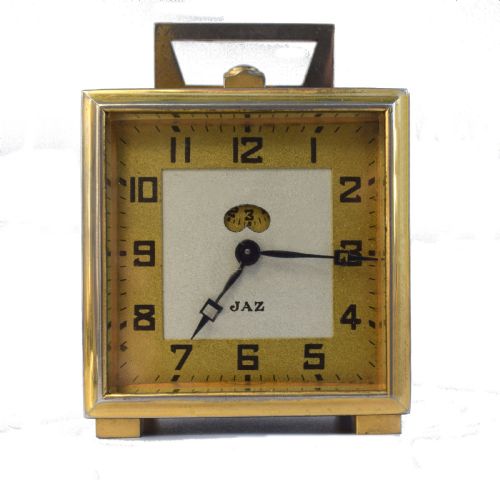
A gold alarm desk clock encompasses portable timepieces designed for travel or surface placement, often combining brass, gilt metal and glass housing. When exploring this selection, buyers encounter carriage clocks, miniature designs and travel alarms originating from French and Swiss workshops.
Materials and Construction
Makers utilised brass and gilt bronze as foundational frameworks, often casting and engraving the metal cases with floral or geometric motifs. Glass panels were fitted to protect the delicate internal gear trains while allowing full visibility of the escapement and dial.
Mechanical movements powered these timepieces through eight-day springs or precise Swiss escapements, integrating strike and alarm complications. External elements incorporated enamel for dial faces and steel for delicate hands, housed securely within custom leather travel cases.
Assessing Quality and Execution
The distinction between standard and superior pieces rests upon the crispness of engraving across the metal case and the complexity of the internal movement. Clocks featuring additional complications like petite sonnerie or repeater mechanisms represent higher tiers of horological skill.
Condition of the original gilding, presence of matching leather cases and clarity of enamel dials further define the standing of a piece. Finer examples retain unbroken glass panels and original signed movements by established makers.
Antoine Redier of Paris·Van Cleef and Arpels Paris·Jaeger LeCoultre·Drocourt·Jaz
The Gold Alarm Desk Clock Glossary
- Carriage clock
- A small, spring-driven timekeeper with a carrying handle, originally designed for travel during the nineteenth century. These clocks typically feature brass cases inset with glass panels.
- Gilt metal
- Base metal treated with a thin layer of gold or gold-coloured alloy to impart a lustrous metallic finish. This material provided durability and visual warmth across Victorian and later designs.
- Petite sonnerie
- A striking mechanism that chimes the hours and passing quarters automatically. It represents an advanced level of horological complexity found in select nineteenth-century pieces.
- Escapement
- The internal mechanism that controls the release of power in a clock movement, translating spring tension into regulated ticks. Visible escapements behind glass panels are particularly prized by collectors.
Gold Alarm Desk Clock: Frequently Asked Questions
How do I wind an antique alarm clock?
Winding requires using the appropriate key or built-in butterfly key on the back plate, turning gently until resistance is felt. Care must be taken not to overwind the mainspring.
Separate arbors control the timekeeping train and the alarm function, each requiring individual attention according to the specific movement design.
Can these clocks be used daily?
These mechanical timekeepers function reliably for daily use provided they receive professional servicing and gentle handling. Regular maintenance preserves the delicate gear trains and escapements.
Placing the clock on a stable surface away from direct sunlight and drafts ensures consistent timekeeping performance.
What is a carriage clock?
A carriage clock is a portable spring-driven timepiece equipped with a fixed handle on top and glazed panels on the sides. Originally created for officers on the move, they evolved into decorative desk accessories.
Nineteenth-century examples frequently combine heavy brass framing with intricate gilt decoration and visible balance wheels.
How do I identify the period?
Dating relies on stylistic clues such as the transition from ornate Victorian engraving to streamlined Art Deco geometry. Case proportions, dial typography, and signature styles offer clear chronological indicators.
Maker marks and patent stamps engraved on the back plates provide precise historical context and origin.