





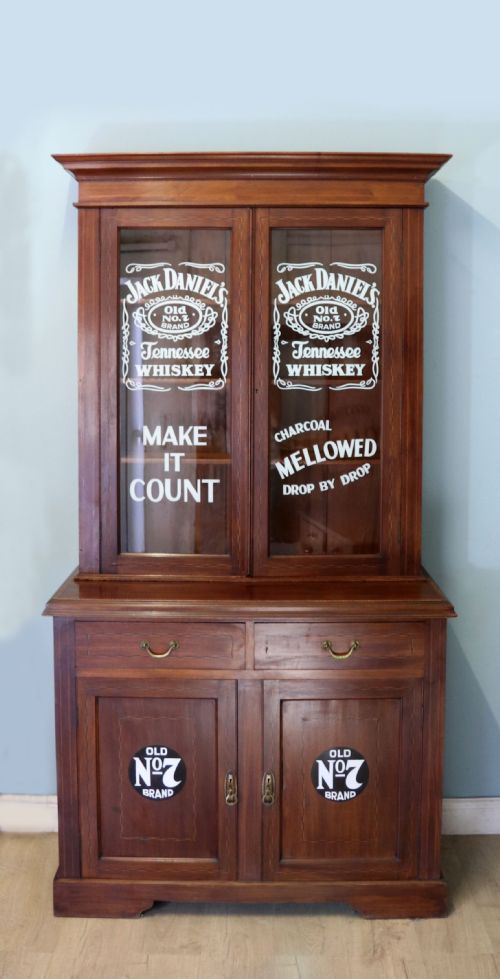
Glazing Bar Bookcase
A glazing bar bookcase brings architectural order to a room, offering glazed protection for a library through timber divisions.
Glazing Bar Bookcase
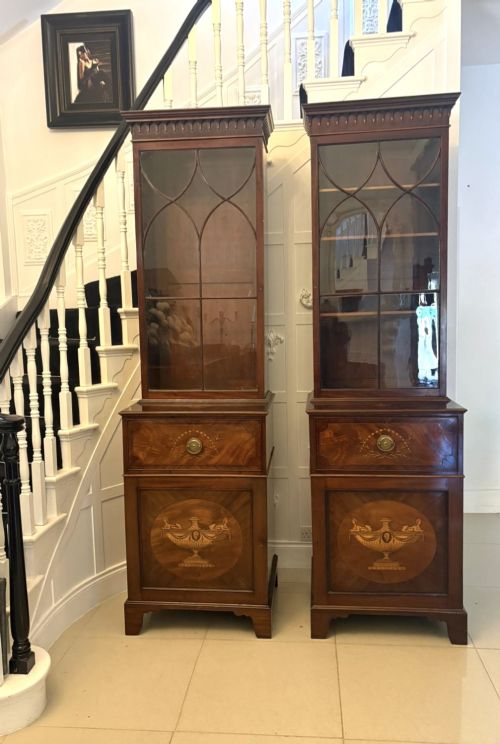
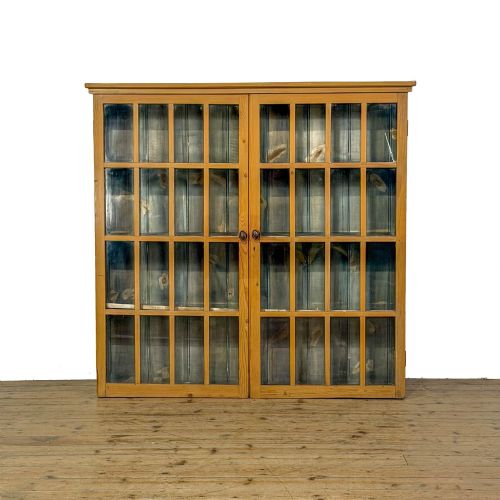
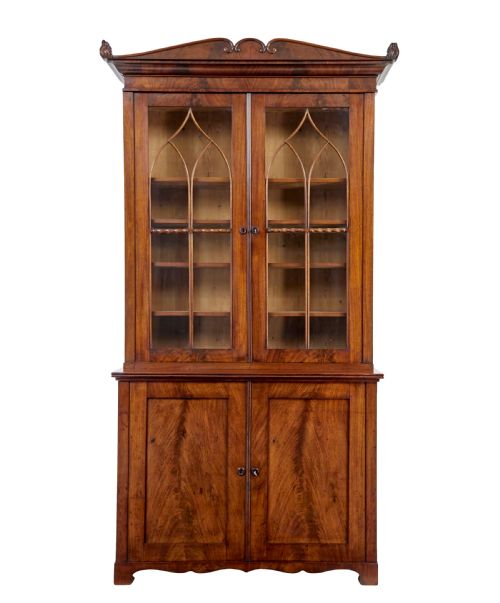
A glazing bar bookcase provides shelving enclosed by glass doors divided into panes by timber framework, keeping volumes secure and visible. These pieces serve primarily as library furniture or display cabinets for the home.
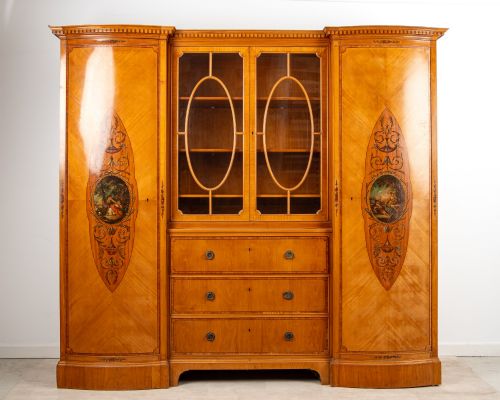
The versions met most frequently on this page span the Georgian, Regency, and Victorian periods, alongside later revival pieces and 1920 examples. Forms range from dedicated library bookcases and bureau bookcases to cabinet hybrids incorporating wardrobes or drinks storage.
Timbers vary across these eras, moving from golden oak and flame mahogany to walnut, rosewood, pine, and satinwood with painted panels. Styles track historical revivals alongside original Georgian and Regency cabinet-making traditions.
How they were made
Cabinet-makers constructed these pieces using solid and veneered timbers such as mahogany, oak, walnut, and pine, often incorporating satinwood or rosewood for decorative effect. Brass hardware provides functional detailing on doors and drawers.
Glazing relies on individual glass panes held within wooden bars that form the characteristic grid pattern of the doors. Craftspeople also employed inlay work and hand-painted panels, notably seen in Edwardian satinwood examples.
Glazing Bar Bookcase Retail Price Guide 2026
Typical asking prices for glazing bar bookcase among the pieces listed under this phrase on Sellingantiques today, from the lower quarter to the upper quarter. They describe what is for sale here now, not the wider market.
Materials recorded across the selection include glass, brass, mahogany, pine, satinwood, walnut, oak, and rosewood.
What varies in quality
The refinement of the timber selection and veneer figure dictates the visual presence of the piece, with choice flame mahogany or figured walnut sitting above utilitarian pine. Crispness in the execution of inlaid details and the delicacy of the glazing bars further distinguish finer examples.
Proportion and structural integrity separate standard production from superior cabinet-making, particularly in how doors hang and drawers run within the carcass. The integration of secondary functions, such as bureau desks or drinks compartments, demands precise joinery to maintain clean external lines.
The Glazing Bar Bookcase Glossary
- Glazing bar
- The narrow wooden strip that holds individual panes of glass in place within a door frame. These bars create the geometric grid pattern characteristic of period bookcases.
- Bureau bookcase
- A piece combining a sloping desk flap that opens for writing with shelving enclosed by glass doors above. This dual-purpose form became popular during the Georgian period.
- Compactum
- A large wardrobe or cabinet fitted with various internal compartments, drawers, and shelving. Edwardian versions sometimes combined these storage spaces with integrated bookcase sections.
- Flame mahogany
- A highly figured timber veneer showing a flickering flame-like pattern produced by cutting across the branch forks of the tree. Cabinet-makers reserved this material for prominent exterior surfaces.
- Inlay
- A decorative technique where contrasting woods or other materials are inserted into recessed portions of a timber base. This method creates geometric or pictorial patterns across the surface.
Glazing Bar Bookcase: Frequently Asked Questions
What is a glazing bar bookcase?
A glazing bar bookcase is a piece of furniture featuring wooden lattice work that divides glass cabinet doors into smaller panes. These frames protect books while keeping titles visible.
Such furniture evolved through the Georgian, Victorian, and Edwardian eras, appearing in formats ranging from grand library cases to compact bureau hybrids.
How were these bookcases used?
These cabinets housed valuable personal libraries, keeping books clean and secure behind locked glass doors. Many included desks or specialised storage for household administration.
Later Victorian and Edwardian examples adapted the form to serve as general display cabinets or drinks storage alongside traditional book storage.
How do I date a bookcase?
Dating relies on observing the primary timber used, the construction of the glazing bars, and the overall architectural style. Georgian and Regency pieces display different proportions compared to later Victorian or 1920 revival items.
Details such as inlay work, brass fittings, and painted panels provide further clues to the period of manufacture.
Where should I place one?
These pieces suit reception rooms, studies, or libraries where books and displayed objects require protection from dust. Their vertical proportions suit placement against large wall spaces.
Care should be taken to keep timber furniture away from direct heat sources and strong sunlight to protect the polish and wood.