



Glazed Storage Unit
A glazed storage unit brings together timber and transparent panels to protect books, china, and linen while keeping them visible.
Glazed Storage Unit
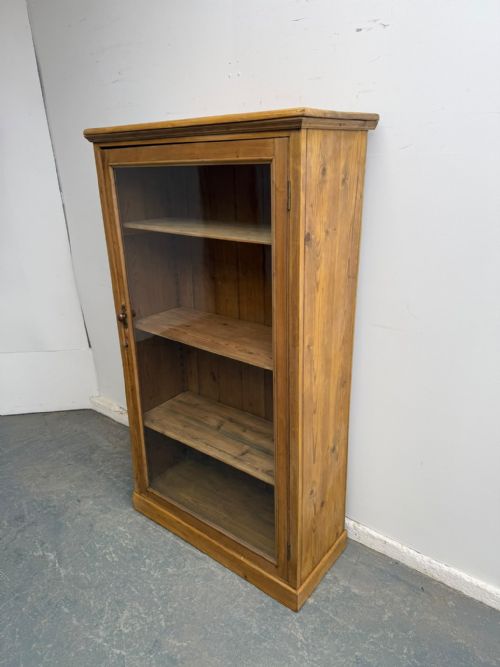
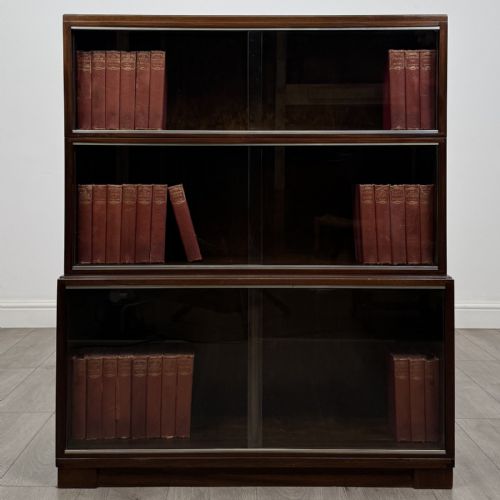
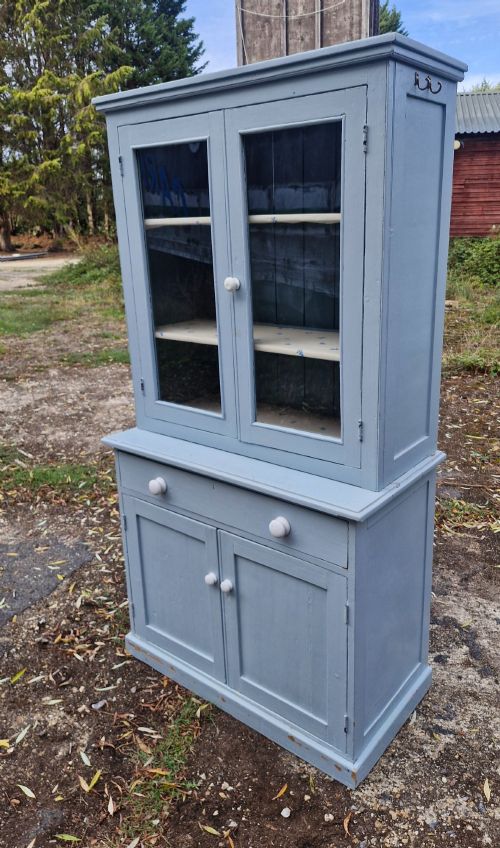
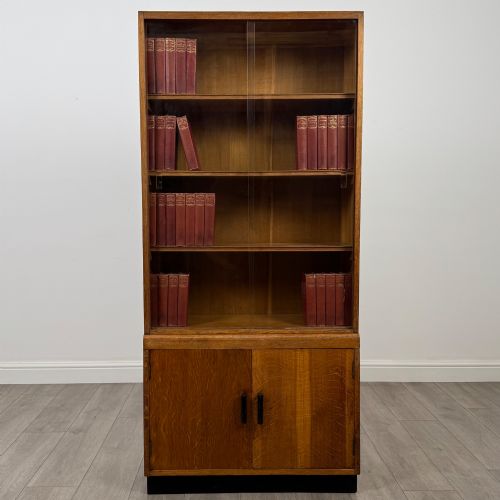
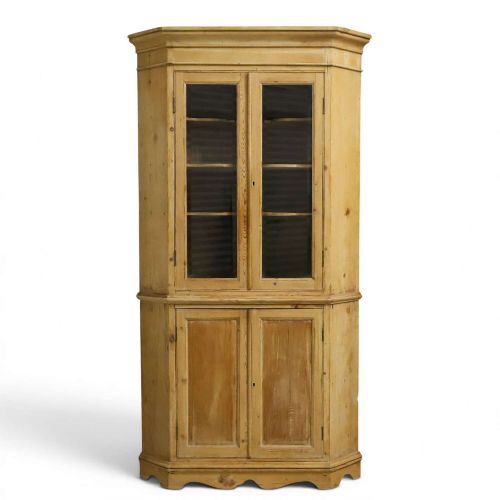
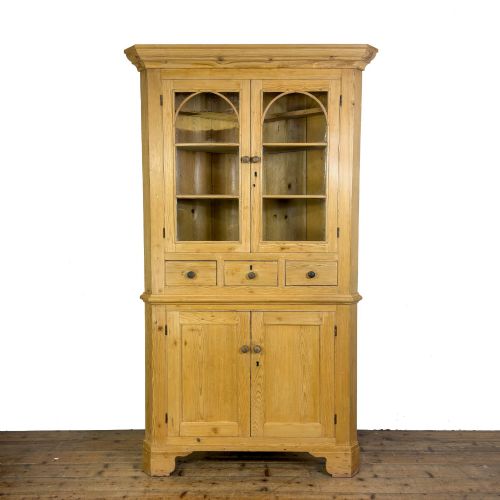
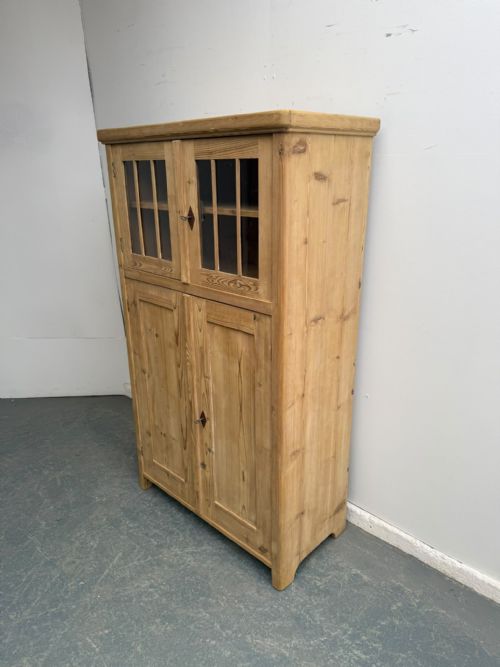
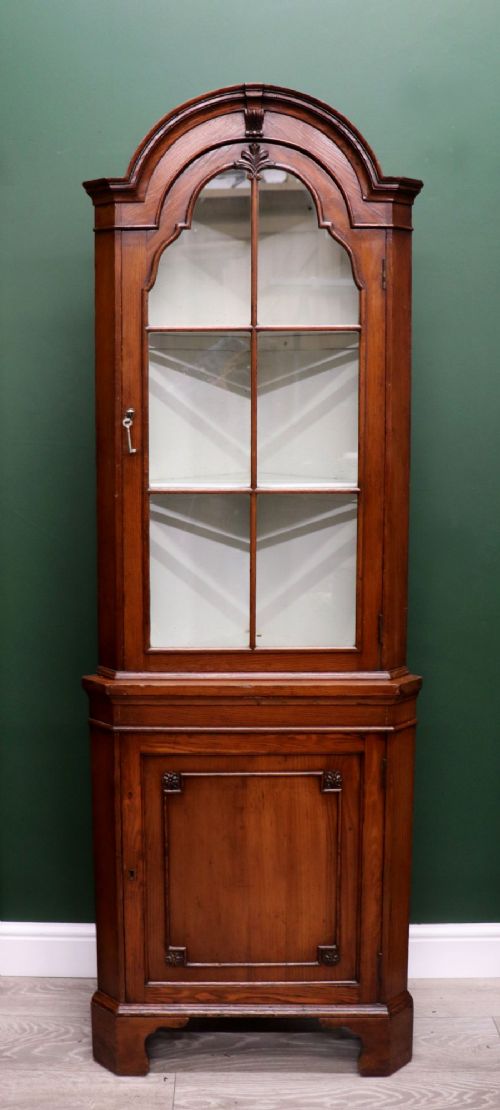
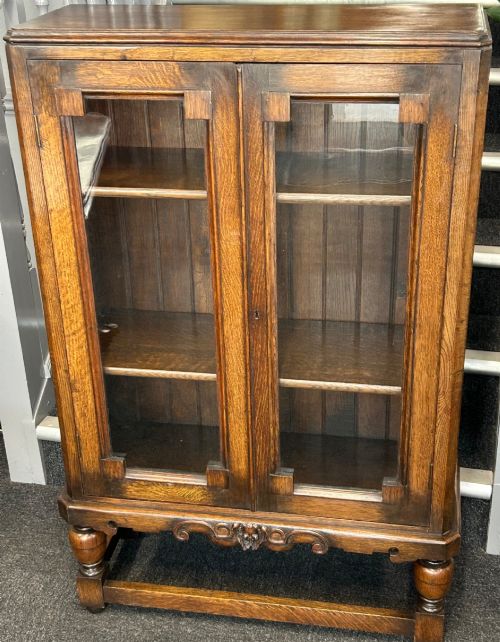
A glazed storage unit primarily appears in forms such as bookcases, display cabinets, corner cupboards, and kitchen dressers. These items span periods from the 18th century through the Victorian and Edwardian eras into the mid-20th century.
The domestic and commercial origins of these pieces range from rustic farmhouse pine cupboards to formal mahogany bookcases and Art Deco shop display cabinets.
Buyers seeking a glazed storage unit will encounter floor-standing corner cabinets, two-part kitchen cupboards, and tall library bookcases across these varied styles.
How they were made
Construction relies heavily on traditional timber framing using oak, mahogany, and pine, often supported by brass hardware and iron fittings.
Glass panels are fitted into doors using lead or wooden glazing bars to create secure viewing areas for the contents within.
Glazed Storage Unit Retail Price Guide 2026
Typical asking prices for glazed storage unit among the pieces listed under this phrase on Sellingantiques today, from the lower quarter to the upper quarter. They describe what is for sale here now, not the wider market.
One set of three cabinets carries a provenance linking it directly to the Phoenix Gallery on Charing Cross Road in London.
What varies in quality
The distinction between pieces rests on the selection of timber, such as figured mahogany or solid oak versus painted pine, and the complexity of the joinery.
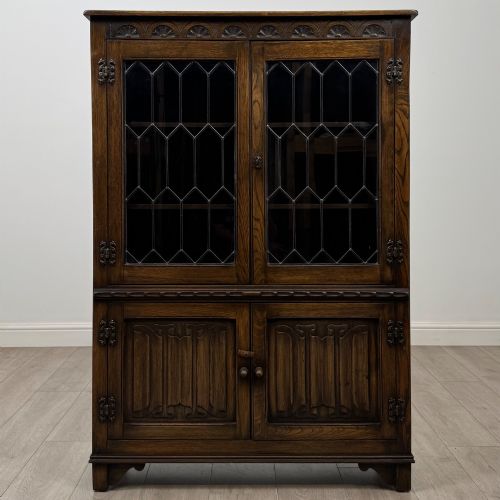
Quality also shows in the retention of original glass, whether leaded, sliding, or fitted within panelled doors, alongside the finesse of period details like linenfold carving or inlaid borders.
The Glazed Storage Unit Glossary
- Linenfold
- A style of woodcarving representing folded cloth, frequently seen on Edwardian oak panels. This decorative motif mimics the appearance of stiffened linen fabric.
- Leaded glass
- Small panes of glass held together by strips of lead within a window or cabinet door. This technique provides structural support while creating geometric or decorative patterns.
- Corner cupboard
- A storage piece specifically designed to fit into the angle of a room. These units maximise floor space in domestic interiors.
- Haberdashery cabinet
- A shop display unit featuring multiple small drawers or glazed sections. Originally used for selling textiles and small wares.
- Scumble
- A painting technique used to imitate wood grain or create a mottled surface texture on pine furniture. It provides a decorative finish over a base coat.
Glazed Storage Unit: Frequently Asked Questions
Where should I place a corner cabinet?
These units suit unused room angles, turning awkward junctions into practical display areas.
Measuring the depth and wall clearance ensures the doors swing open without hitting adjacent furniture.
How do I care for antique pine?
Pine benefits from regular dusting and occasional waxing to maintain the condition of the timber.
Keeping pieces away from direct heat sources prevents the wood from drying out or splitting over time.
What fits inside a music cabinet?
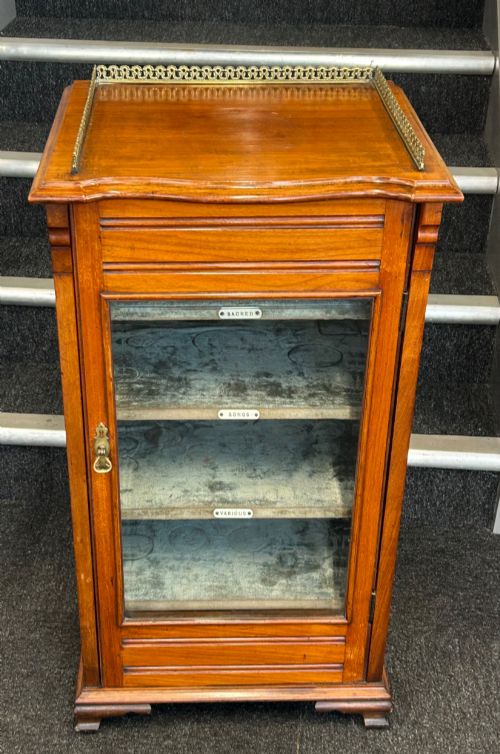
Edwardian music cabinets typically feature shallow drawers designed for sheet music.
Modern owners often utilise these compartments for storing documents, art supplies, or small household items.
Are sliding glass doors original?
Sliding glass doors appear on vintage and mid-century pieces, offering easy access in compact spaces.
Earlier Victorian and Edwardian cabinets generally rely on hinged wooden doors fitted with glass panels.