



Glazed Pottery Container
A glazed pottery container is a utilitarian vessel built to hold provisions or liquids safely, and collectors value them for their honest craftsmanship and domestic utility.
Glazed Pottery Container
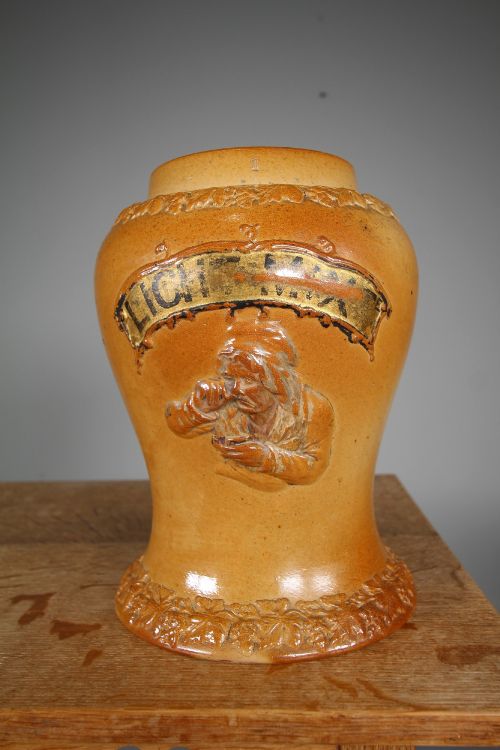
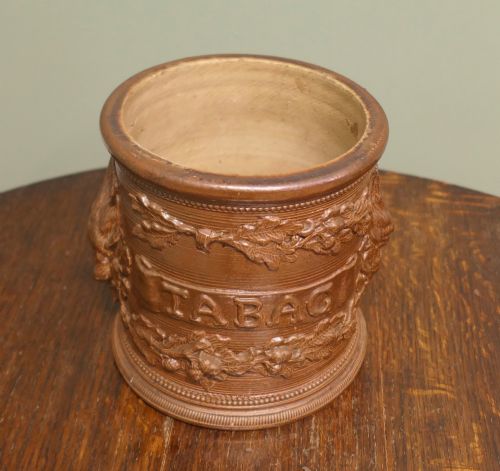
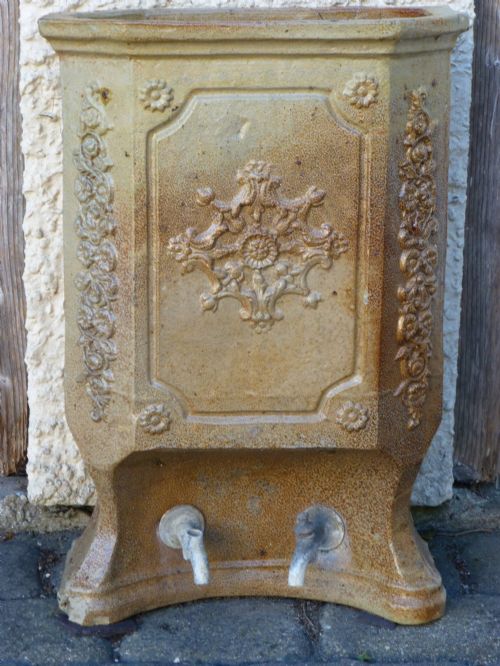
A glazed pottery container encompasses storage crocks, water filters, oil pots, and lidded boxes made from earthenware, stoneware, and ceramic bodies. These pieces serve practical household functions while displaying the decorative preferences of various European and Asian traditions.
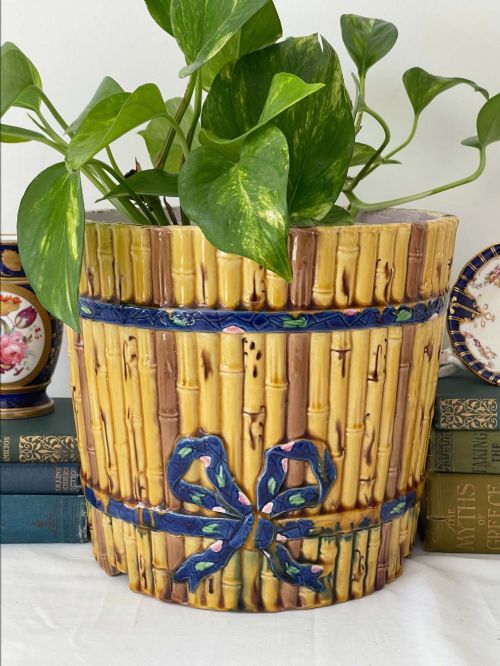
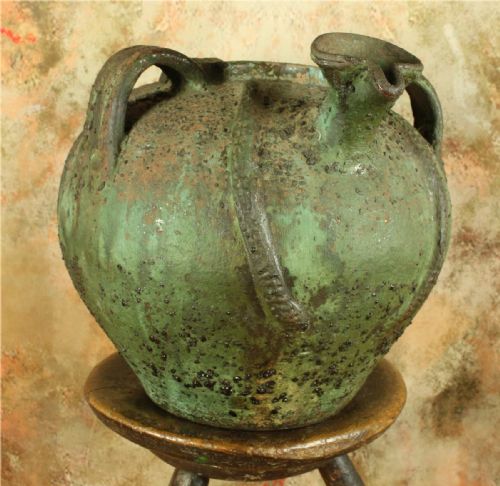
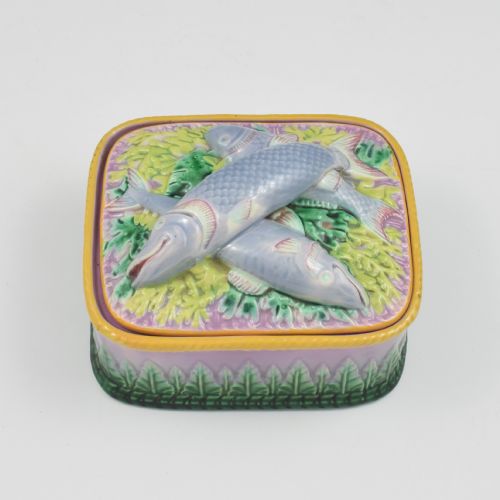
The selections available here span from the eighteenth century through the Edwardian era, featuring French country storage vessels and Victorian majolica items. Buyers frequently encounter utilitarian crocks, jardinieres, and table jars bearing regional glazes.
Makers ranged from large factories like Minton and Doulton Lambeth to regional potteries producing utilitarian kitchenwares and decorative boxes. Each piece reflects the specific storage needs and aesthetic standards of its period of origin.
Materials and production
Potters formed these containers using earthen clays and dense stonewares, shaped either by hand on a wheel or within moulds. The body was then fired to provide a rigid foundation suitable for holding liquids and foodstuffs.
Surface treatments involved salt glazing, tin glazes, and coloured majolica pigments applied to seal the porous clay body. Cobalt pigment decoration frequently appears on stoneware, while faience and creamware utilise specialised liquid glazes for smooth finishes.
Glazed Pottery Container Retail Price Guide 2026
Typical asking prices for glazed pottery container among the pieces listed under this phrase on Sellingantiques today, from the lower quarter to the upper quarter. They describe what is for sale here now, not the wider market.
One unexpected nineteenth-century offering is a ceramic knee bath, proving Victorians took their bathing arrangements quite seriously.
Assessing quality and execution
Quality rests in the precision of the potter's throw, the stability of the fired clay body, and the evenness of the glaze application. Superior examples demonstrate crisp moulding on relief-decorated boxes and well-balanced forms on large storage crocks.
The refinement of painted details and the clarity of cobalt or polychrome pigments distinguish standard utility vessels from high-end decorative pieces. Marks indicating specific factories or dates also add historical weight to the object.
Minton·George Jones·Doulton Lambeth·Tokyo Taizan·Limoges
The Glazed Pottery Container Glossary
- Stoneware
- A dense, vitreous ceramic fired at high temperatures until non-porous. It provides exceptional durability for storage containers and water filters.
- Majolica
- A type of earthenware coated with an opaque tin glaze and painted with metallic oxide colours. It gained popularity during the Victorian period for ornate tableware and jardinieres.
- Creamware
- A refined earthenware developed in the eighteenth century with a pale yellowish-buff glaze. It offers a lighter, more delicate alternative to heavy utilitarian pottery.
- Salt Glaze
- A texture achieved by throwing common salt into the kiln during high-temperature firing. This creates a pitted, orange-peel surface on stoneware vessels.
- Tin Glazed
- Earthenware coated in a glaze containing tin oxide to produce a smooth, white, opaque surface suitable for hand-painted decoration.
Glazed Pottery Container: Frequently Asked Questions
What were glazed pottery containers used for?
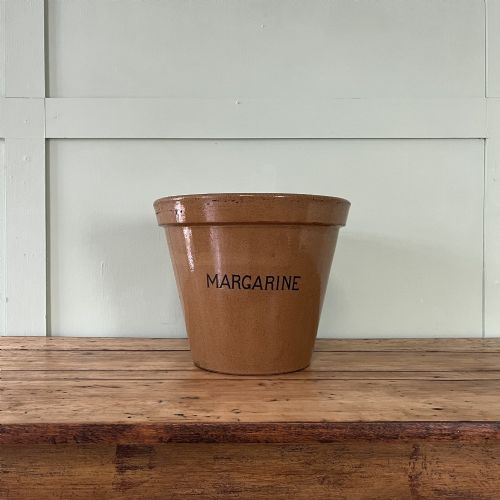
These vessels served diverse domestic roles, ranging from storing food staples like butter, margarine, and sardines to holding water, oil, and tea. Larger examples functioned as jardinieres and filtration systems in period households.
Their robust construction allowed them to protect perishable goods from moisture and pests before modern refrigeration existed. Today, collectors appreciate both their original functional purpose and their decorative display qualities.
How do I clean a glazed pottery container?
Maintenance requires gentle cleaning with warm water and a mild detergent to preserve the historic glaze surfaces. Harsh abrasives must be avoided because they can scratch soft earthenware and tin glazes.
Unglazed areas or old hairline cracks require particular care to prevent excess moisture absorption. Regular dusting and careful handling keep the ceramic body stable over time.
How can I tell earthenware from stoneware?
Earthenware is fired at lower temperatures, resulting in a porous body that requires a complete glaze to hold liquids. Stoneware is fired much hotter, causing the clay to vitrify into a dense, non-porous material.
Weight and thickness often provide initial clues, as stoneware tends to be heavier and more resilient than standard earthenware. Examining any unglazed base helps reveal the true density and composition of the clay.
Where were these containers manufactured?
Production centres spanned across Europe and Asia, including notable factories in England, France, Japan, and Vietnam. Each region utilised local clays and traditional firing techniques characteristic of its specific culture.
European pieces often reflect nineteenth-century revival styles or country traditions, while Asian examples demonstrate long-standing mastery of cobalt painting and celadon glazes. This geographic diversity creates wide variety in forms and finishes.