


Glazed Porcelain Vessel
When you seek a glazed porcelain vessel, you encounter centuries of kiln artistry ranging from Song celadons to Victorian ceramics, each piece holding a distinct decorative purpose.
Glazed Porcelain Vessel
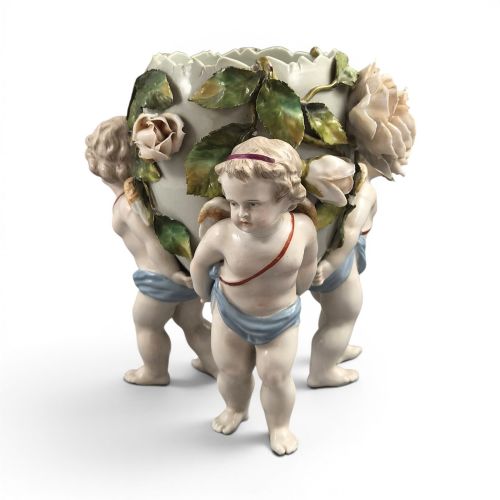
A glazed porcelain vessel encompasses functional and ornamental objects such as vases, brush pots, ginger jars, and incense burners originating from Chinese dynasties, Japanese kilns, and European potteries. These pieces take forms ranging from compressed brush washers to monumental tripod censers and fluted bottle vases.
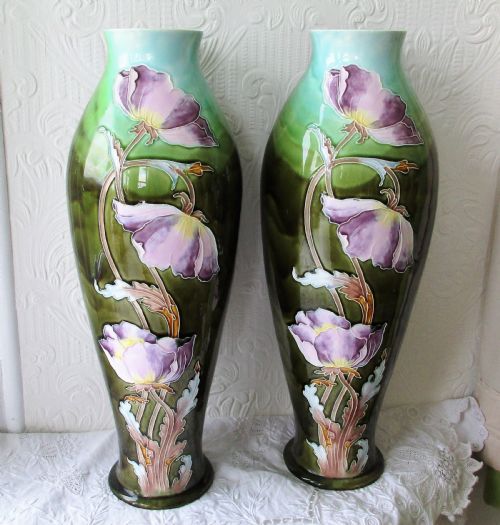
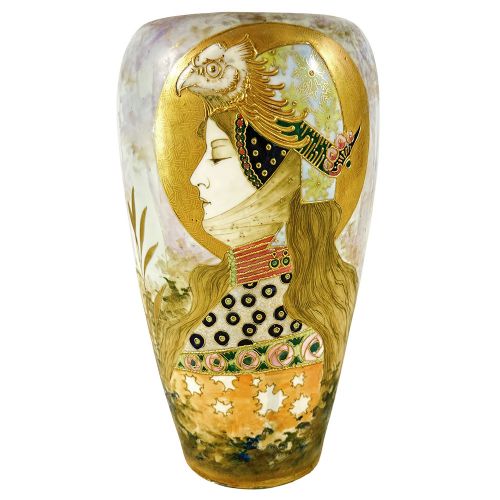
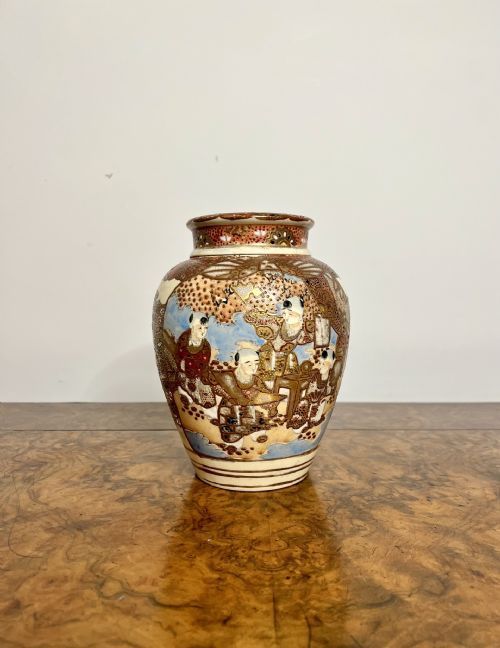
The selection on this page spans significant eras, including Ming and Qing dynasty pieces alongside 19th-century Japanese Satsuma wares and Victorian European ceramics. Each object reflects the prevailing aesthetic of its origin, whether through minimalist monochrome glazes or densely painted figural processions.
Materials and production methods
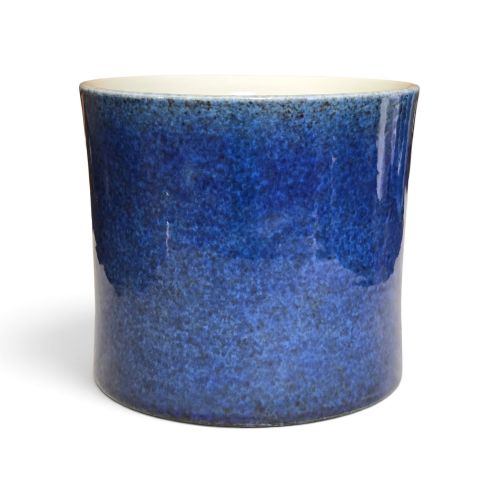
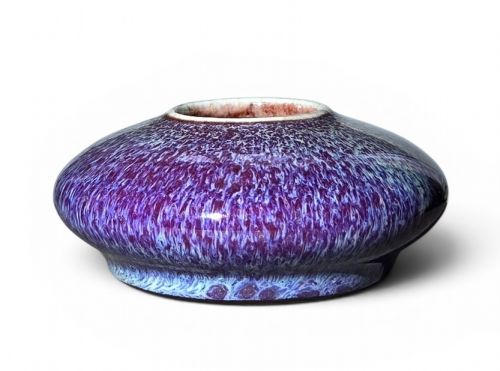
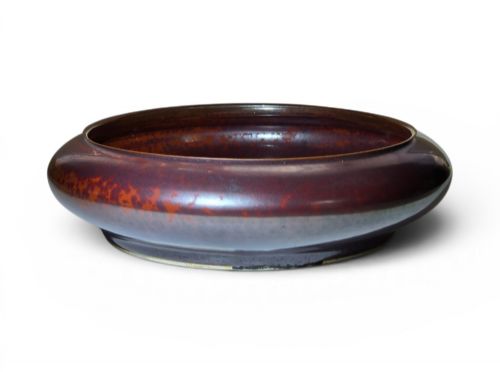
Potters shaped fine clay and porcelain bodies before applying specialised mineral glazes, including celadon, cobalt, iron rust, and flamboyant copper reductions that transformed during high-temperature firing. Artisans frequently integrated hand-painted enamels and gold leaf directly onto the hardened glaze surfaces.
Moulding, throwing on the wheel, and hand-carving produced the foundational forms of these vessels, while specialised kilns achieved specific reduction effects like tea dust and crackle patterns. Firing temperatures dictated the vitrification of the ceramic body and the ultimate lustre of the exterior finish.
Listings feature porcelain, earthenware, and ceramic vessels spanning from the 16th to the 20th century.
The determinants of quality
Quality rests upon the precision of the throwing and the control of the kiln atmosphere, which governs the depth and purity of monochrome or celadon glazes. Superior examples demonstrate exact symmetry in form and deliberate control over reactive glaze effects.
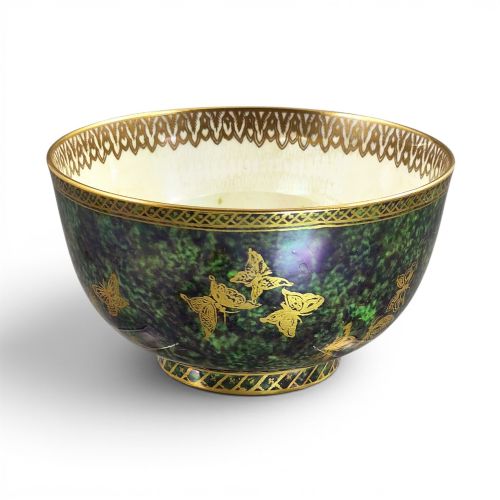
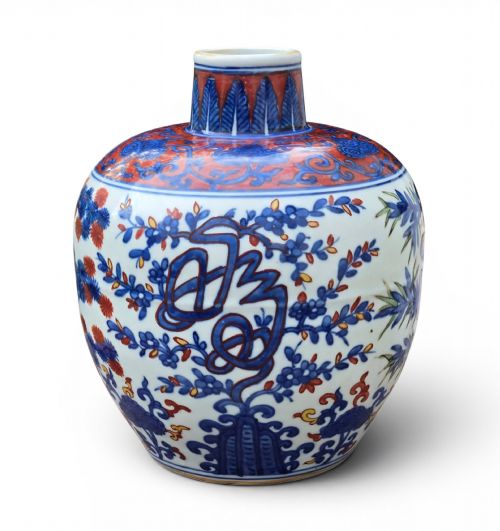
Artistic execution in hand-painted motifs, such as delicate underglaze blue work or intricate gilt figure scenes, separates standard production pieces from imperial or master-signed studio output. The crispness of incised floral and phoenix motifs further distinguishes finer ceramic specimens.
Daisy Makeig-Jones·Nicholas Kannhauser·Makuzu Kozan·Kōko·Chosei·Kinkozan·Shozan
The Glazed Porcelain Vessel Glossary
- Celadon
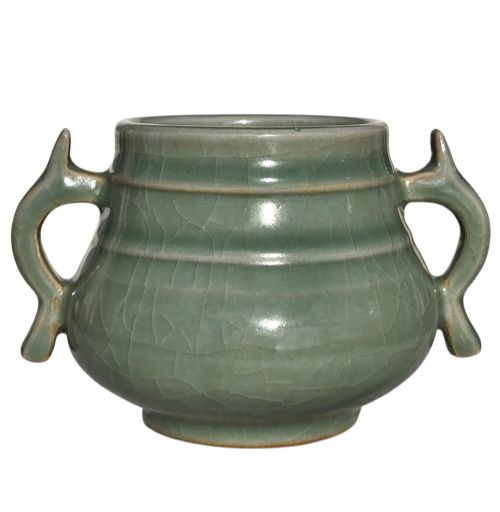
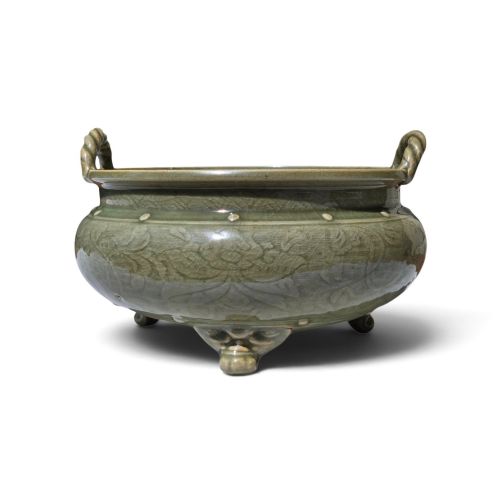
- A transparent green glaze over a pale grey-green body that often exhibits controlled crackle lines.
- Clobbered
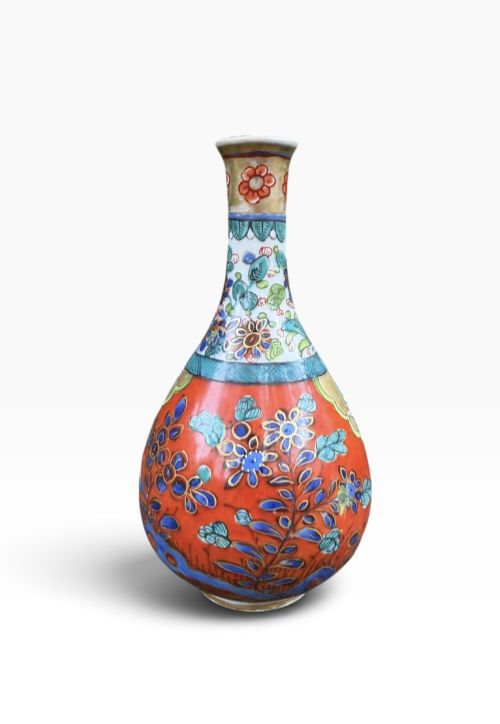
- Decorated with overglaze enamels applied in Europe upon earlier underglaze blue Chinese porcelain imports.
- Blanc de Chine
- A white porcelain produced in Dehua, China, noted for its milky texture and absence of heavy surface pigments.
- Flambé
- A streaked, variegated glaze produced by copper oxides reacting in a reduction kiln atmosphere.
- Satsuma
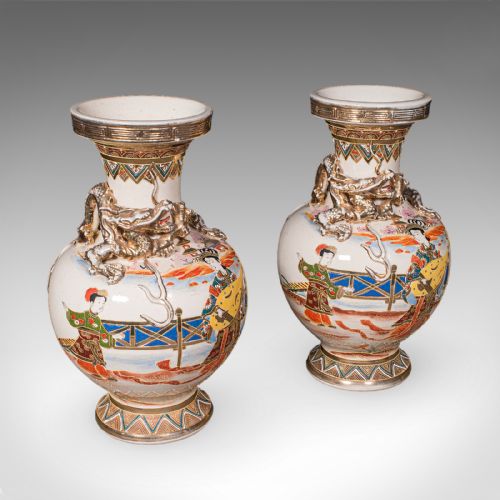
- Earthenware or ceramic pottery originating from Japan featuring finely crackled ivory glazes and extensive polychrome enamel and gilt decoration.
Glazed Porcelain Vessel: Frequently Asked Questions
What is a glazed porcelain vessel used for?
These items served various historical functions, including holding brushes, burning incense, storing tea, or simply displaying floral arrangements within scholarly and domestic settings.
Today, collectors utilise these objects primarily for interior display, appreciating their historical craftsmanship and decorative presence on tables or mantelpieces.
How do I care for antique ceramic vessels?
Dust these pieces gently with a soft dry cloth and avoid using chemical cleaners or immersing antique ceramics in water, particularly those with delicate overglaze enamels or gold leaf.
Keep them away from direct sunlight and areas subject to sudden temperature fluctuations to protect the integrity of the glaze and body.
How do I distinguish Song dynasty celadon?
Song dynasty celadons typically feature a thick, jade-like green glaze over a dense ceramic body, often displaying subtle crackle patterns developed intentionally during the cooling process.
Examining the weight, foot ring, and glaze depth helps differentiate authentic early examples from later revival pieces produced in subsequent centuries.
What defines Satsuma pottery?
Satsuma wares are recognised by their characteristic ivory-coloured, finely crackled earthenware glaze that serves as a canvas for detailed hand-painted enamel and gilded figural scenes.
Many of these pieces bear artist signatures or studio marks on the base, indicating the Kyoto workshops or makers responsible for their creation during the Meiji period.