

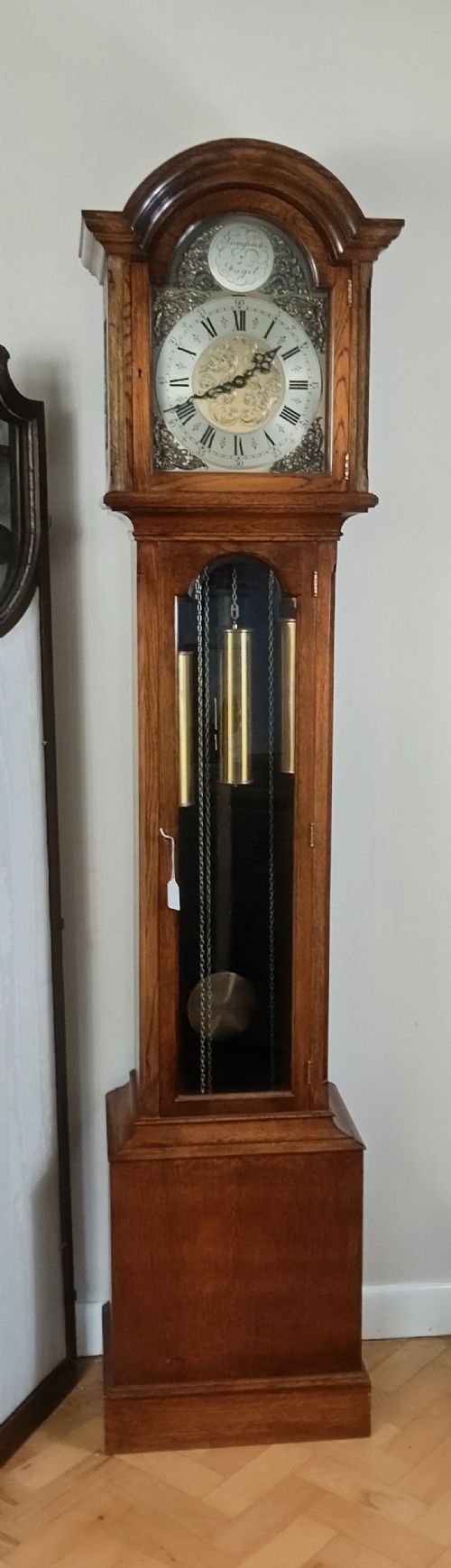


Glazed Oak Clock
A glazed oak clock brings solid timber presence and rhythmic mechanical movement into a room, offering both reliable timekeeping and architectural weight.
Glazed Oak Clock
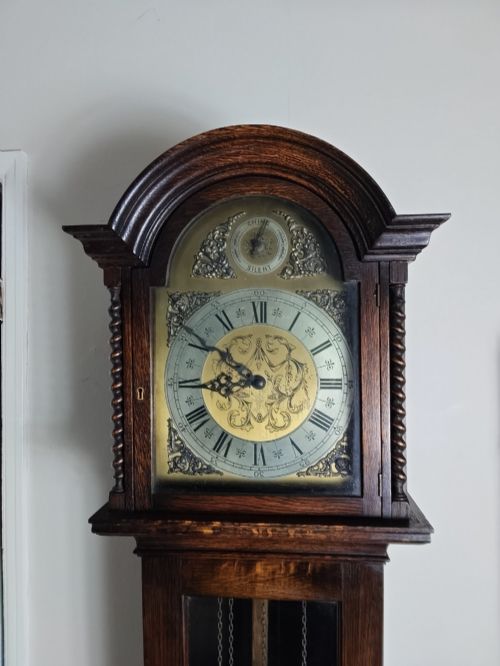
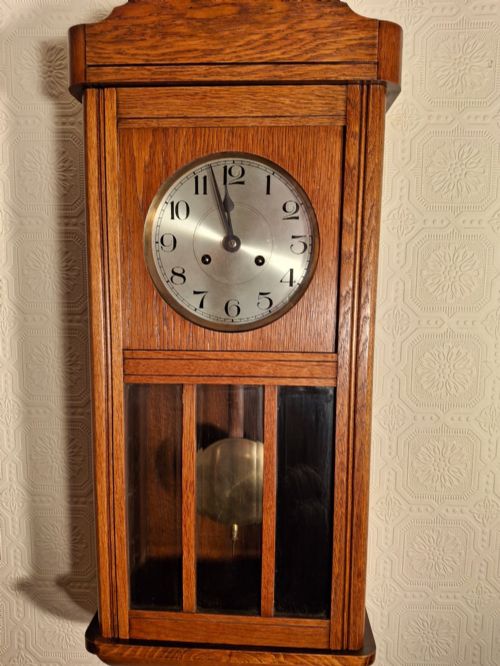
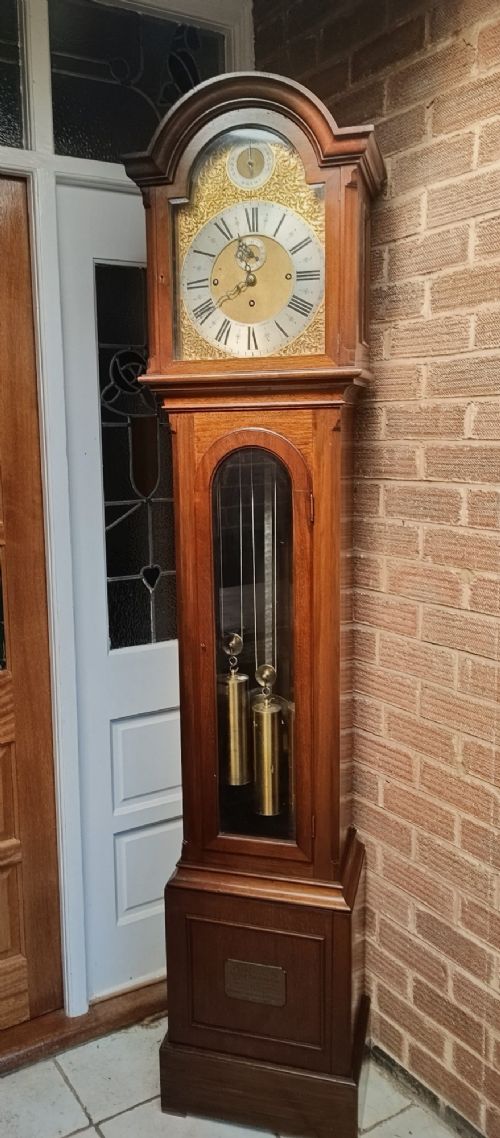
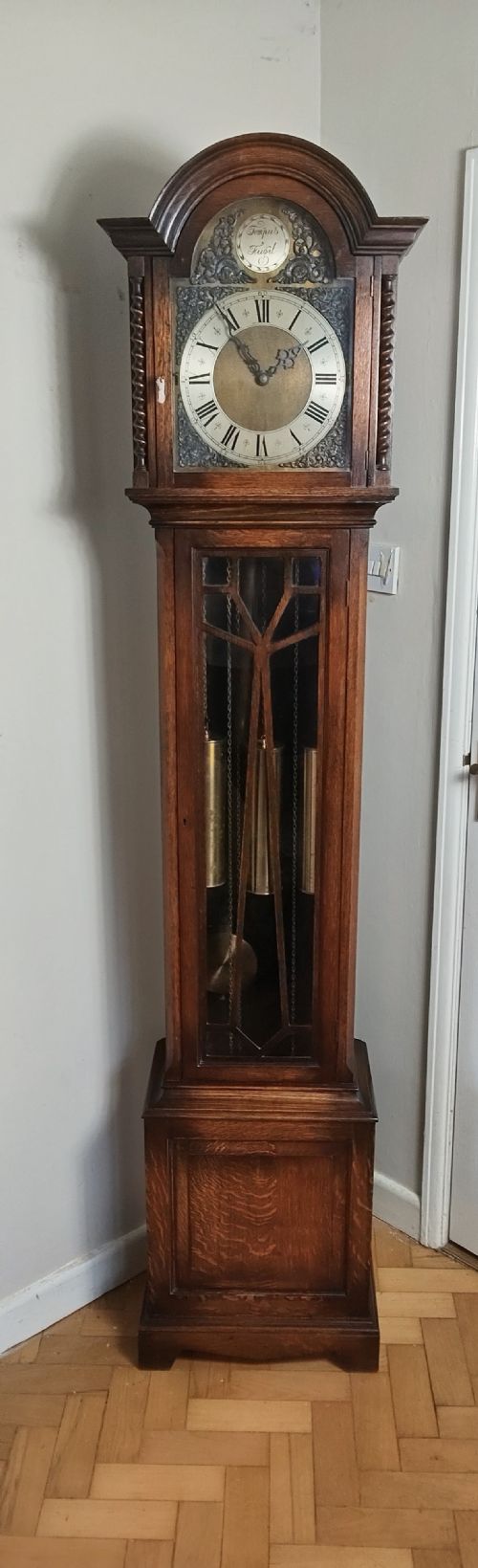
A glazed oak clock encompasses tall floor-standing longcase examples, wall-hung timepieces, and combined weather instruments housed in sturdy timber cases. These pieces range from substantial floor models with quarter chiming mechanisms to compact wall clocks.
Floor-standing longcase varieties, often termed grandfather or grandmother clocks, dominate the choices alongside wall-mounted timepieces and barographs. Each piece uses glass panels in the door or case to protect the dial while allowing a clear view of the face and internal pendulum.
Materials and construction
Glass panels are fitted into doors and bezels to shield delicate paper, painted, or metal dials from dust while revealing the moving parts within. Steel components drive the intricate gear trains, springs, and chiming systems that power musical regulators and quarter-chiming longcase clocks.
Glazed Oak Clock Retail Price Guide 2026
Typical asking prices for glazed oak clock among the pieces listed under this phrase on Sellingantiques today, from the lower quarter to the upper quarter. They describe what is for sale here now, not the wider market.
Some oak cases double as complete meteorological stations, ensuring you know it is time to grab an umbrella while checking the hour.
Distinctions in quality
The sophistication of the internal movement dictates much of the distinction between simpler timepieces and more elaborate examples. Multi-bell musical regulators, triple-weight systems, and quarter-chiming capabilities demand higher precision in engineering than standard time-only mechanisms.
Case construction and stylistic execution also set examples apart, with well-proportioned carvings, integrated grain matching, and refined hardware marking out superior pieces. The integration of specialised functions, such as combined barographs and weather stations, adds another layer of mechanical complexity.
Elliott·Charvet·Enfield
The Glazed Oak Clock Glossary
- Longcase clock
- A tall floor-standing timepiece housed in a wooden case with a pendulum and weights suspended inside. These instruments range from grand proportions down to smaller grandmother versions.
- Regulator
- A precision clock designed to keep exceptionally accurate time, often utilised as a standard against which other timepieces were set. They frequently feature clean dial layouts and sophisticated movements.
- Barograph
- A recording meteorological instrument that logs atmospheric pressure onto a rotating paper chart over the course of a week. They are typically housed in glazed wooden cases similar to desk clocks.
- Quarter chiming
- A mechanical capability that strikes the bells or gongs every fifteen minutes to mark the progression of the hour. This feature requires complex gear trains and multiple weights or springs.
- Bezel
- The metal or wooden ring that holds the glass protecting the dial of a clock. It often hinges open to allow hand-setting and winding of the movement.
Glazed Oak Clock: Frequently Asked Questions
What is a grandmother clock?
A grandmother clock is a smaller, more slender version of the traditional grandfather longcase clock. They were designed to fit into rooms with lower ceilings and tighter floor spaces without sacrificing mechanical complexity.
These compact floor clocks still feature full pendulum and weight-driven movements, often including quarter-chiming capabilities housed in slender oak cases.
How do I wind a longcase clock?
Winding involves using a specialised key to raise the weights inside the trunk or pulling chains depending on the specific mechanism. Care must be taken not to overwind the springs or pull the weights too high.
Consulting the specific requirements of the movement ensures the gear train remains undamaged during routine maintenance.
Where should I place a wall clock?
Wall clocks require a sturdy fixing directly into solid masonry or wall studs to support the substantial weight of oak cases and mechanical movements. Placing them away from damp areas and direct heat sources protects the timber and internal steel components.
Level wall mounting is essential for ensuring the pendulum swings evenly and the clock keeps accurate time.
How do I identify the period of an oak clock?
Dating relies on examining the stylistic details, such as Arts and Crafts influences, Art Deco geometric lines, or earlier revival motifs carved into the oak timber. The construction methods of the dial, glass bevelling, and typography provide further clues to the decade of manufacture.
Maker signatures or stamps on the movement plates also help pinpoint the exact era and workshop of origin.