





Glazed Hallway Light
A glazed hallway light brings a welcoming glow to an entrance, combining metal frames with clear panels to cast light across thresholds.
Glazed Hallway Light
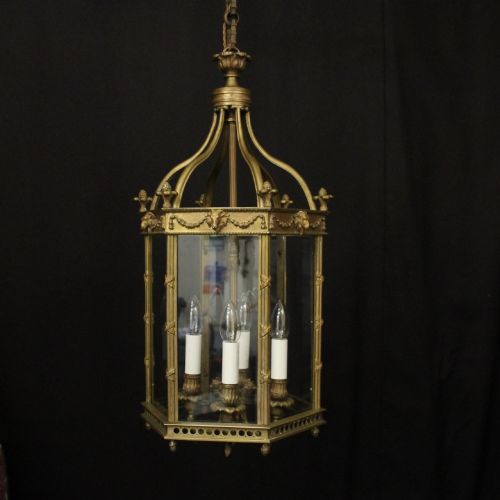
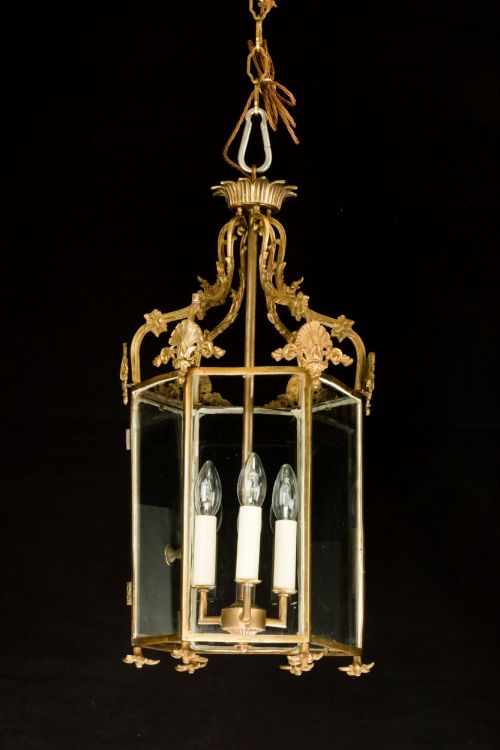
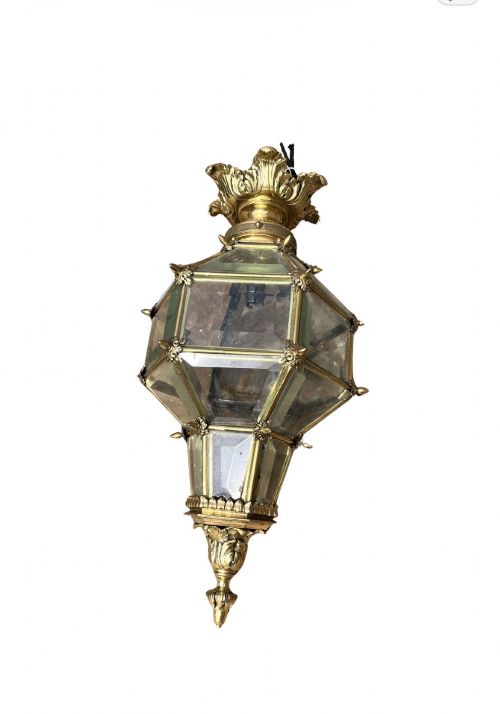
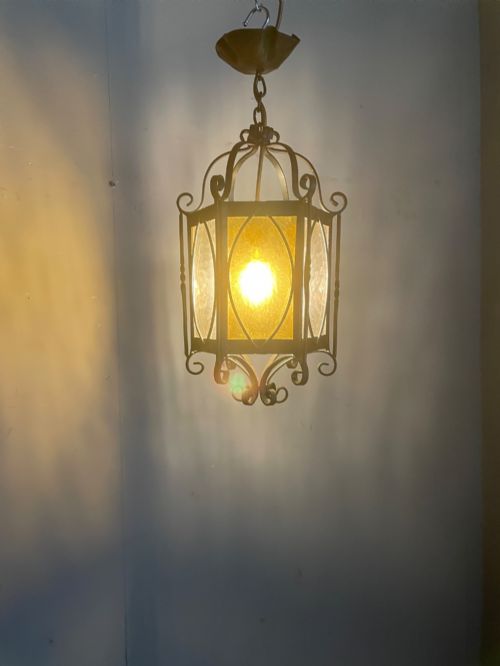
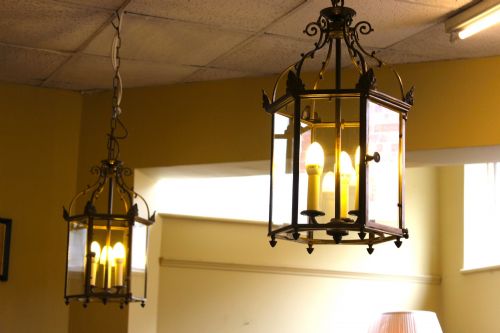
A glazed hallway light is an essential architectural fitting designed to illuminate entrance spaces, vestibules, and corridors. When searching for a glazed hallway light, buyers will encounter a variety of forms ranging from single pendants to substantial hexagonal lanterns.
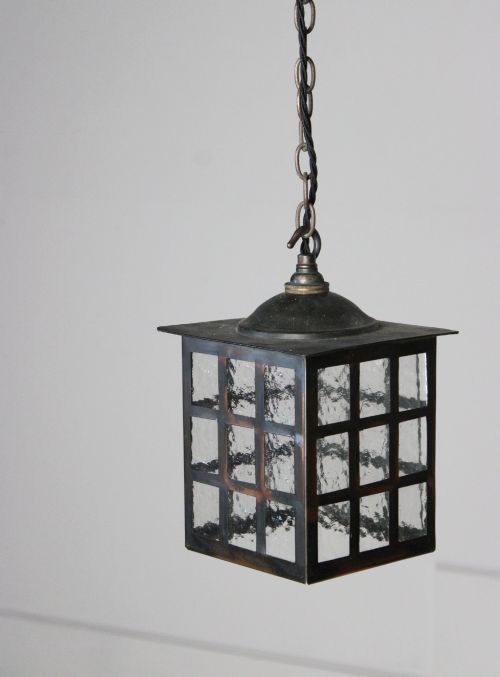
The pieces seen here span multiple periods, including the Victorian era, the Edwardian period, and the early twentieth century. Common styles include French chateau designs, Gothic revival, and Arts and Crafts influences.
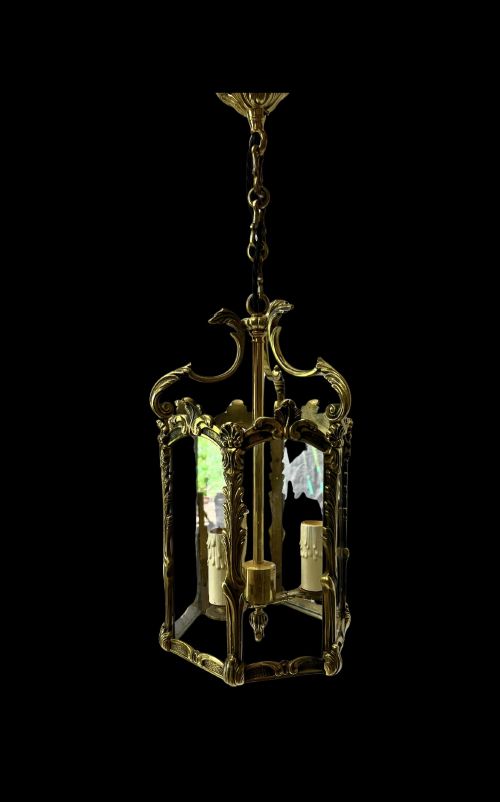
Most examples function as hanging pendant lanterns or ceiling lights, though wall-mounted sconces and half lanterns also appear. Brass, copper, and wrought iron dominate the structural framing of these entrance fixtures.
Materials and Construction
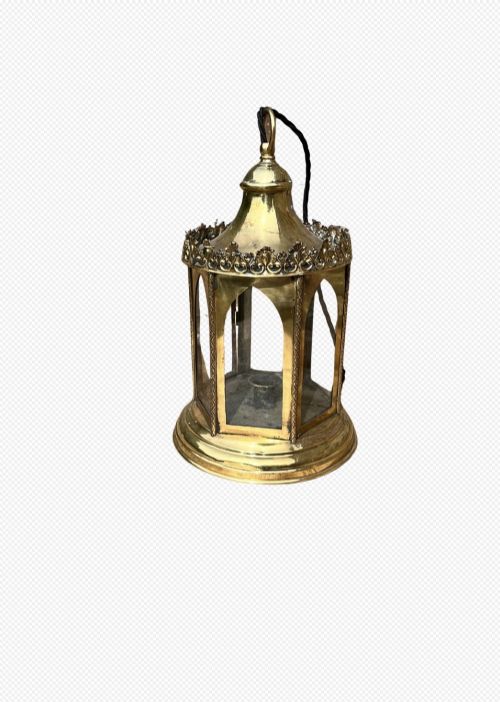
Makers constructed these lanterns using robust structural metals such as brass, copper, wrought iron, and bronze. Gilded finishes and steel elements also feature across several French and English designs from the nineteenth and twentieth centuries.
Panels of glass are fitted securely into the metal frameworks, creating enclosed chambers designed to protect the internal light source from drafts. Hexagonal, rounded, and convex glass shapes require careful cutting and framing by skilled metalworkers.
Glazed Hallway Light Retail Price Guide 2026
Typical asking prices for glazed hallway light among the pieces listed under this phrase on Sellingantiques today, from the lower quarter to the upper quarter. They describe what is for sale here now, not the wider market.
Listings for glazed hallway lights feature metals ranging from basic iron and steel to decorative gilded bronze and polished brass.
Evaluating Quality and Craftsmanship
The distinction between standard examples and finer pieces lies in the weight of the metalwork and the complexity of the casting. Heavier cast bronzes and intricately detailed gilded brass frames indicate superior workshop production.
Attention to detail in the decorative mounts, such as rococo scrollwork or neo-classical cast elements, separates ordinary hallway lights from exceptional decorative fixtures. The precision of the glazing and the structural integrity of the hanging loops further determine the caliber of the piece.
The Glazed Hallway Light Glossary
- Lantern
- An enclosed lighting fixture with glass panels designed to hold one or more internal bulbs. These fixtures are frequently hung in hallways, porches, and vestibules.
- Hexagonal
- A six-sided geometric form commonly used in the construction of traditional hanging hall lanterns. This shape allows light to disperse evenly across an entryway.
- Gilded
- Covered with a thin layer of gold leaf or gilt wash applied to a brass or bronze base metal. This treatment enhances the decorative brilliance of the fixture.
- Convex
- Curved outward in a rounded shape, often describing the glass panels fitted into nineteenth-century and early twentieth-century frames. Convex glass alters the refraction of the internal light.
Glazed Hallway Light: Frequently Asked Questions
Where should I hang a glazed hallway light?
These lanterns suit entrance halls, vestibules, and wide corridors with sufficient ceiling height. They provide a clear focal point upon entering a home.
Ensure the scale of the lantern matches the proportions of the hallway, allowing adequate clearance beneath the fitting for people to pass comfortably.
How do I identify an Edwardian hall lantern?
Edwardian pieces often feature polished brass or copper frames with clean geometric lines or subtle classical revival details. They reflect the brighter, more open entrance halls popular in homes of that era.
Comparing the construction methods and metal patination helps distinguish these pieces from heavier nineteenth-century gothic or french chateau designs.
Were these lights originally electrified?
Many older lanterns were originally configured for candles or oil before being converted for modern electrical wiring during restorations. Surviving fixtures often show adaptations made to accommodate standard internal lamp holders.
Rewired examples allow these historical pieces to function safely within modern domestic settings while retaining their original exterior appearance.
What is the difference between a pendant lantern and a wall sconce?
Pendant lanterns suspend from the ceiling by chains or rigid rods, illuminating the central space of a hallway or porch. Wall sconces mount directly against vertical surfaces to light specific wall areas or narrow passages.
Both forms utilise similar glazed metal frameworks, but their installation points and projection distances differ to suit various architectural layouts.