



Glazed Garden Pot
A glazed garden pot brings colour and texture to planting schemes, holding everything from trailing strawberries to sculptural shrubs.
Glazed Garden Pot
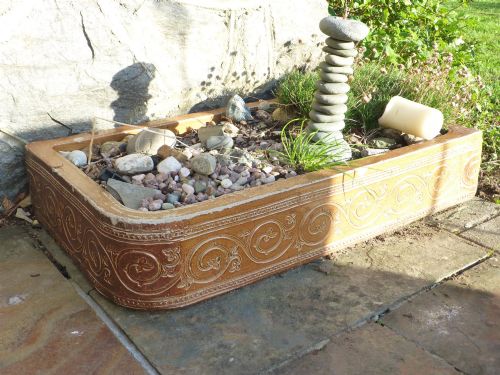
When you search for a glazed garden pot, you encounter an array of vessels designed for outdoor planting, ranging from utilitarian troughs to decorative urns. The items available include salt-glazed troughs, faux bois strawberry planters, and French Biot jars originating from various historical eras.
Forms vary from simple dairy salting crocks repurposed as planters to grand garden urns and jardinieres. These containers accommodate different planting requirements while providing distinct visual accents for terraces, patios, and garden rooms.
How they were made
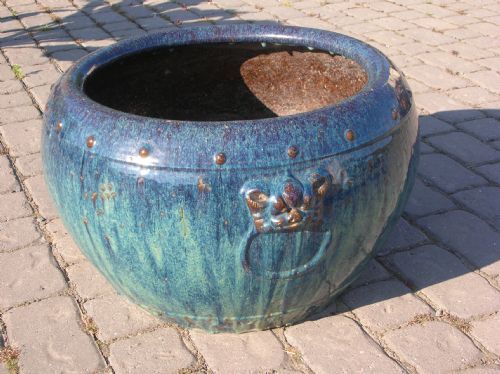
Potters utilised earthenware and terracotta, shaping the clay by hand or on a wheel before applying mineral glazes. Salt-glazed stoneware achieved its characteristic dense finish through the introduction of salt into the kiln during high-temperature firing.
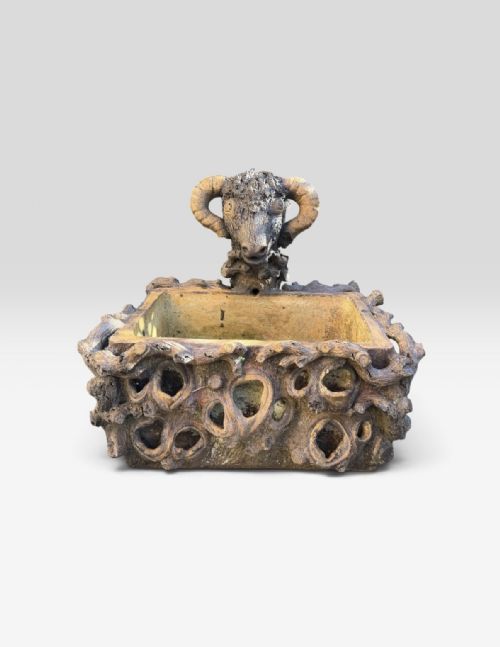
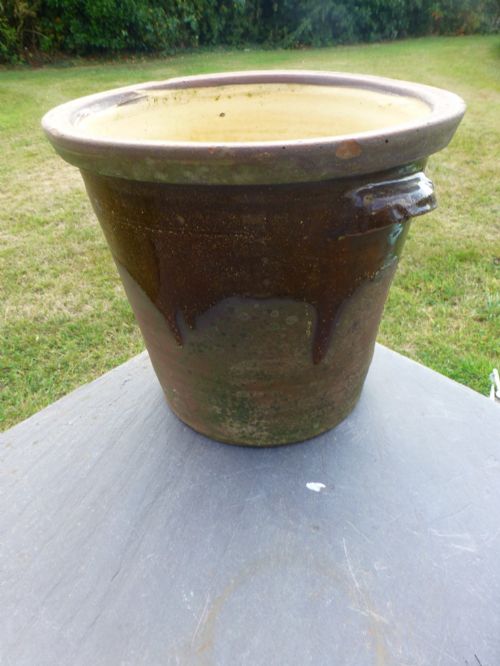
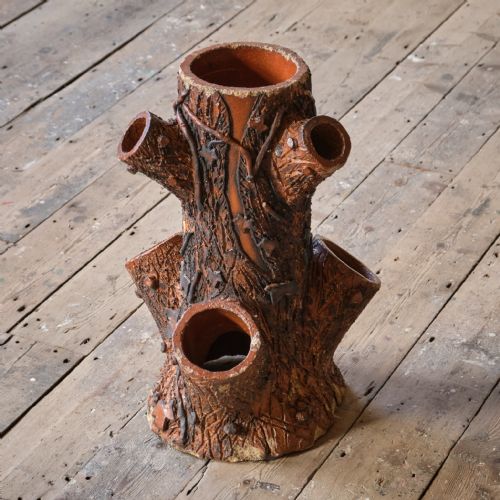
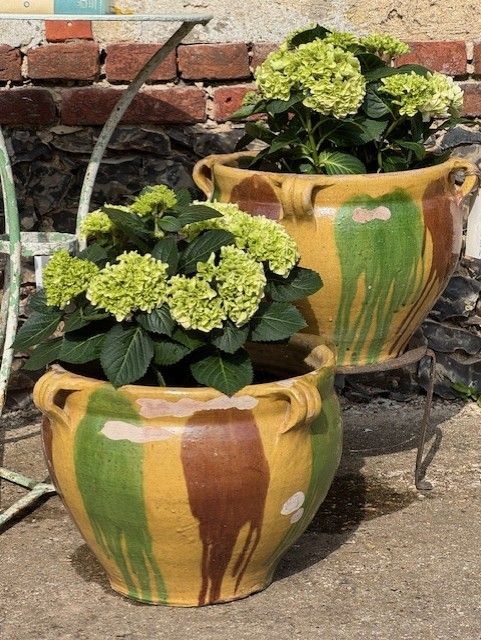
Techniques such as dribble glazing and faux bois moulding created distinctive surface textures that mimic natural wood or showcase runnels of coloured glaze. Terracotta bodies allowed for breathable planting walls, while applied glazes reduced moisture loss.
Glazed Garden Pot Retail Price Guide 2026
Typical asking prices for glazed garden pot among the pieces listed under this phrase on Sellingantiques today, from the lower quarter to the upper quarter. They describe what is for sale here now, not the wider market.
Strawberry planters feature multiple side pockets designed so the fruit hangs clear of damp soil.
What varies in quality
Quality in a glazed garden pot rests upon the harmony between the potting form and the character of the glaze. Finer examples display deliberate control over kiln effects, where drips and pooling glazes enhance the vessel's silhouette rather than obscuring it.
The integrity of the fired body and the depth of surface weathering distinguish superior items. Pots that have aged organically outdoors develop patinas that integrate the glaze and clay body, separating them from lesser or later reproductions.
Guichard Carriès
The Glazed Garden Pot Glossary
- Salt glaze
- A vitreous coating of orange-peel texture formed by throwing common salt into the kiln during high-temperature firing. This chemical reaction creates a durable, impermeable surface layer on stoneware bodies.
- Faux bois
- Imitation wood grain modelled in clay, popular in nineteenth-century garden ornaments. Artisans carved or pressed the wet material to resemble rustic logs, bark, or cut timber.
- Jardiniere
- A decorative ceramic pot or stand for holding plants or flowers. These vessels often feature more ornate modelling and glazing than standard utility garden containers.
- Biot jar
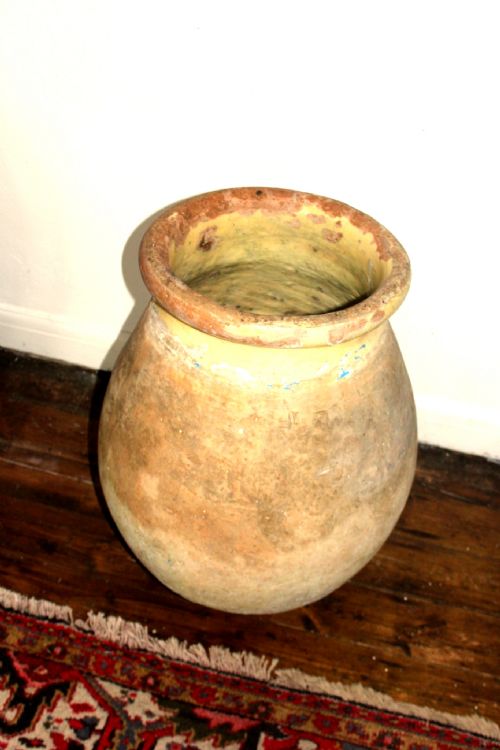
- A large storage vessel originating from the French town of Biot, traditionally made from local terracotta. These jars often possess thick walls and aged patinas resulting from centuries of use.
Glazed Garden Pot: Frequently Asked Questions
Are these pots frost resistant?
Most historic stoneware and fired terracotta vessels withstand normal winter temperatures if drainage holes remain clear and water does not pool inside.
However, severe freezes can crack saturated earthenware, so moving delicate pieces under cover during harsh weather is advisable.
How do I clean an old pot?
Gentle washing with water and a soft brush removes dirt while preserving the accumulated surface patina and moss.
Avoid harsh chemical detergents or abrasive metal scrapers that might strip the historic glaze or damage the clay body.
Can I plant directly inside them?
Most of these vessels function well for direct planting provided they feature adequate drainage holes at the base.
For pots without drainage, placing a smaller plastic pot inside prevents excess moisture accumulation against the historic interior walls.
How do I identify the period?
Dating relies on examining the potting technique, the characteristics of the clay body, and the specifics of the glaze application.
Comparing the manufacturing marks, tool signatures, and wear patterns against documented examples helps narrow down the century of production.