

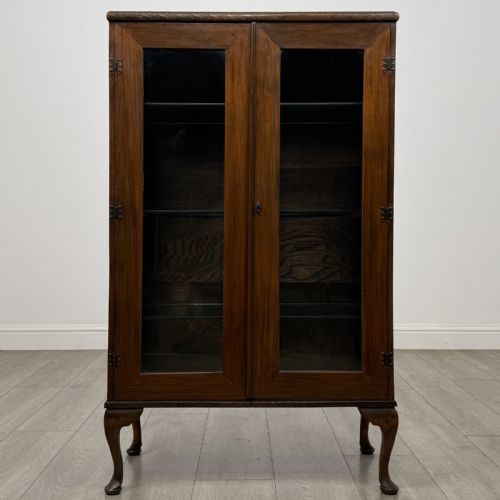
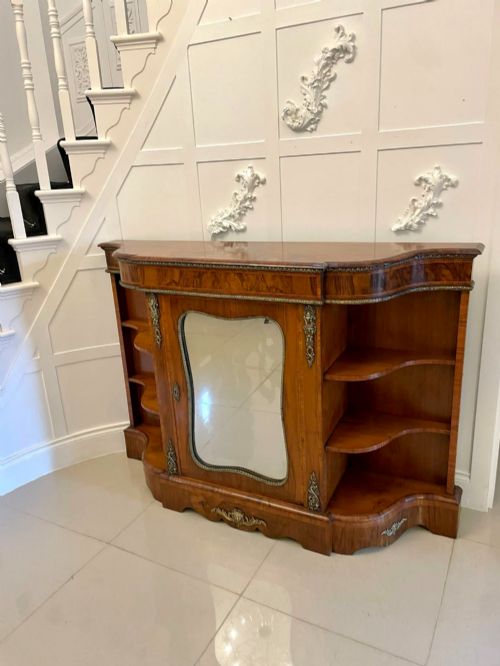
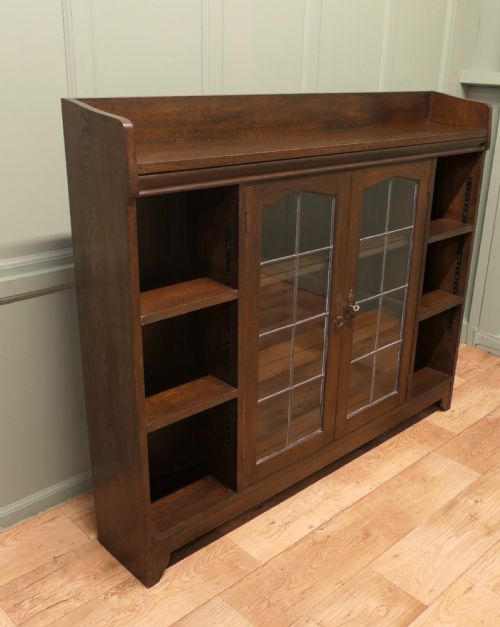
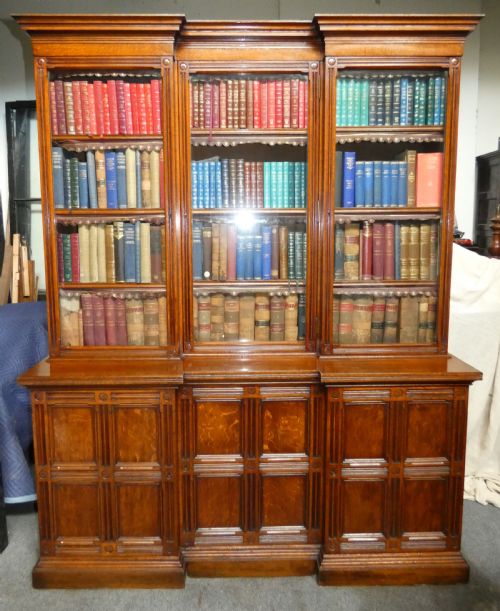


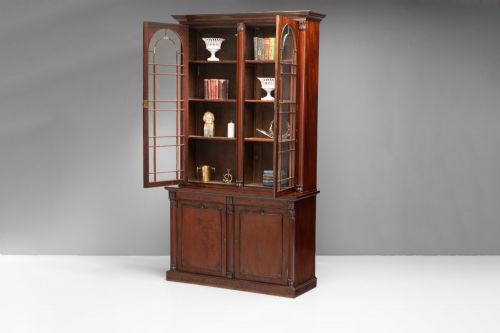
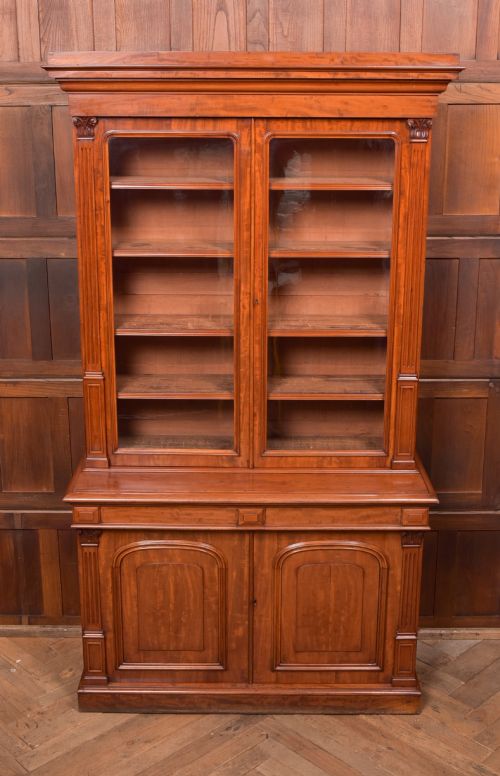
Glazed Display Shelving
Glazed display shelving brings together timber frames and glass panels to hold books and china while keeping dust at bay.
Glazed Display Shelving
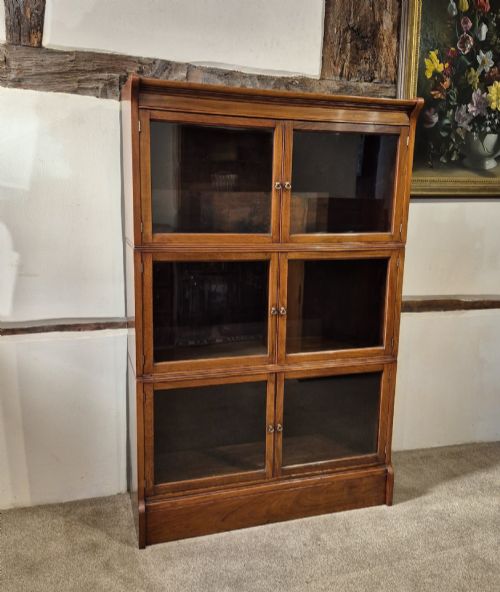
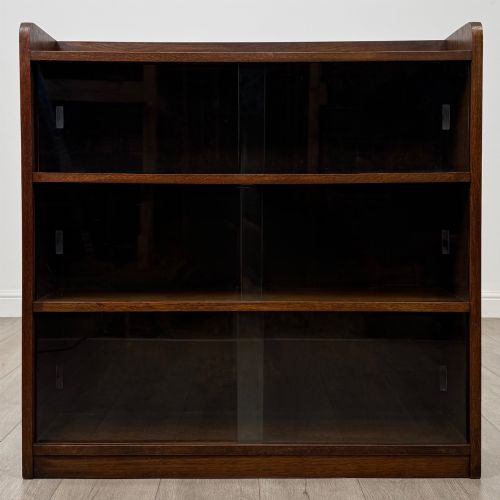
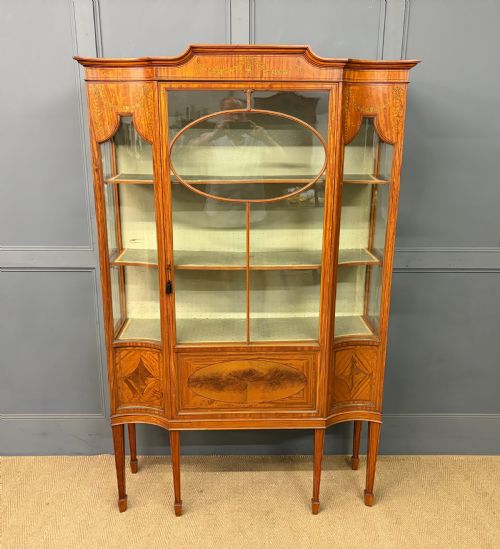
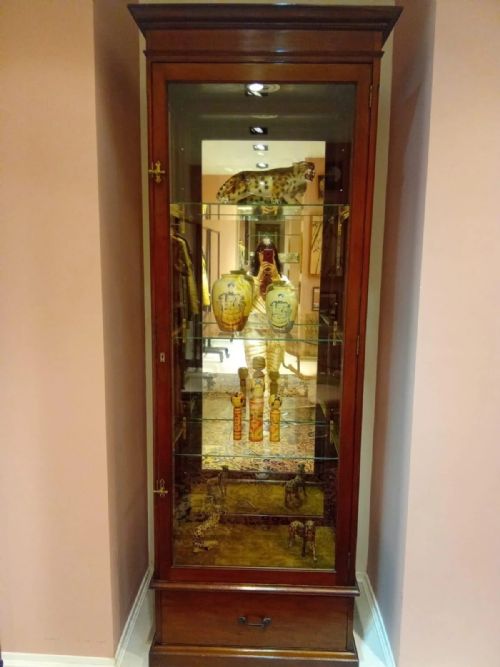
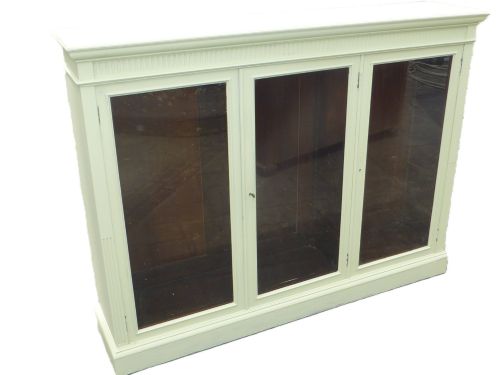
Glazed display shelving encompasses bookcases, wall cabinets, and display cabinets designed to exhibit items behind glass panels. These pieces emerge from periods ranging through the nineteenth century, the Edwardian era, and the nineteen-twenties.
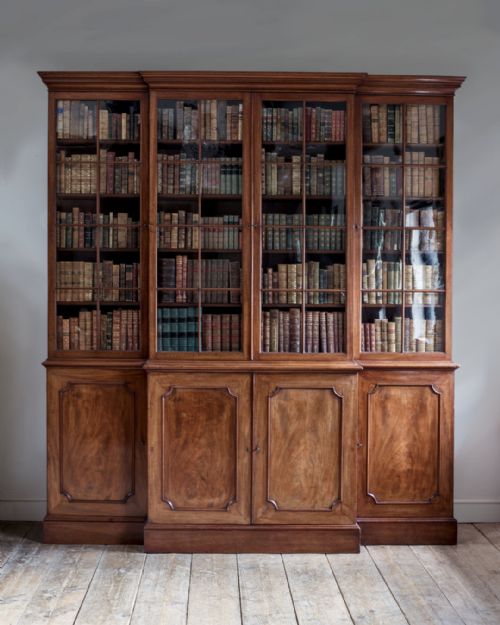
The most common forms on this page include mahogany and oak sectional bookcases, Edwardian mahogany display cabinets, and Victorian breakfront bookcases. Items span styles such as Victorian, Edwardian, Art Deco, and Arts and Crafts.
Makers and designers span English workshops and international firms, providing freestanding bookcases, bureau bookcases, and credenzas with glass doors or open shelving sections.
Materials and construction methods
Makers built these pieces primarily from solid and veneered hardwoods such as mahogany, oak, walnut, and satinwood, occasionally incorporating bamboo or painted finishes. Structural framing supports inset glass panels for doors and sides.
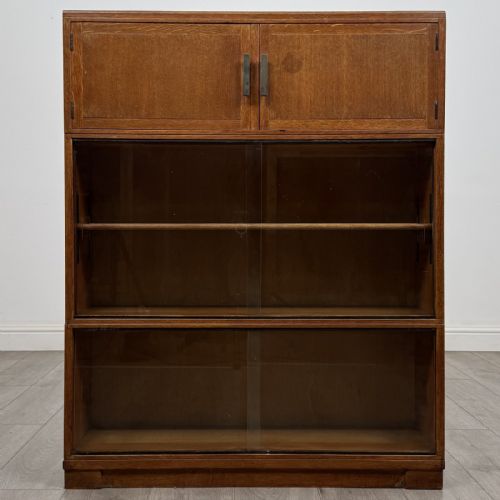
Secondary elements include brass hardware, mirrored backs, and ormolu mounts, alongside adjustable wooden or glass shelf supports. Sectional and stacking bookcases utilise interlocking modular tiers with up and over or sliding glass doors.
Glazed Display Shelving Retail Price Guide 2026
Typical asking prices for glazed display shelving among the pieces listed under this phrase on Sellingantiques today, from the lower quarter to the upper quarter. They describe what is for sale here now, not the wider market.
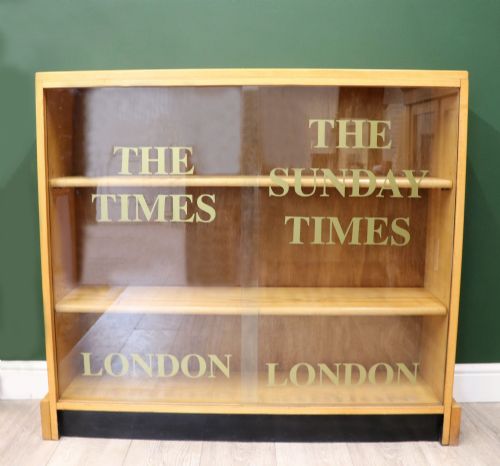
Formats on display range from modular stacking bookcases and shop display cabinets to breakfront library bookcases and bureau bookcases.
Variations in quality
Quality rests on the selection of timber figures, such as burr walnut or tiger oak, and the precision of cabinet joinery like dovetailing and fine inlay work. Superior examples display balanced proportions, original glass panes, and integrated maker signatures.
The sophistication of carving, the smoothness of sliding or sectional door mechanisms, and the retention of original brass fittings separate standard utility shelving from high-status library and display furniture.
Macey·Liberty·Maple and Co·Globe Wernicke·Gillows·Heal's·Goodhall, Lamb and Heighway·Lambs of Manchester·Lebus·Sandberg and Co
The Glazed Display Shelving Glossary
- Breakfront
- A cabinet design where the central section projects forward from the flanking wings. This architectural layout creates depth and visual focus in large library bookcases.
- Sectional bookcase
- A modular bookcase built from independent stacking tiers with glass doors. Users can add or rearrange sections vertically according to their storage needs.
- Ormolu
- Gilded bronze mounts applied to furniture for decoration. This decorative metalwork frequently adorns nineteenth-century walnut and mahogany cabinet pieces.
- Credenza
- A low cabinet or sideboard designed for storage and display. Victorian examples often feature glazed doors and mirrored backings.
- Satinwood
- A luminous hardwood with a golden sheen used for fine inlay and veneering. It appears on Edwardian and Sheraton Revival display cabinets.
Glazed Display Shelving: Frequently Asked Questions
How do I adjust the shelves?
Many period bookcases and display cabinets feature adjustable wooden or glass shelves resting on fixed interior side notches, metal tracks, or peg supports. You simply lift the shelf to clear the supports and relocate it to the desired height slot.
This adaptability allows cabinets to accommodate books of varying heights or display porcelain and ornaments safely.
Where were these cabinets used?
These cabinets served primarily in domestic libraries, studies, drawing rooms, and commercial shops. Tall breakfront and library bookcases housed large private book collections, while smaller wall cabinets and credenzas displayed china.
Shop display cabinets utilised adjustable glass shelves and large glazed panels to showcase merchandise to customers.
How do I distinguish Edwardian pieces from Victorian ones?
Victorian pieces from the nineteenth century generally feature heavier timber construction, darker mahogany or walnut tones, and deeper carving or Gothic Revival influences. They often present substantial breakfront proportions and ornate brass fittings.
Edwardian pieces from the early twentieth century tend to show lighter satinwood inlays, cleaner lines, and softer mahogany or oak tones influenced by Sheraton Revival and Arts and Crafts aesthetics.