




Glazed Ceramic Teapot
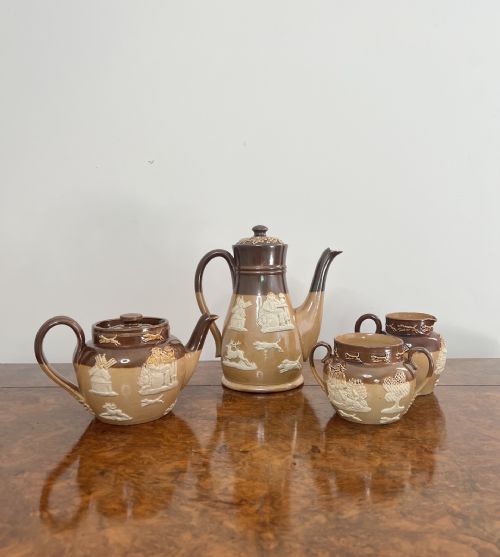
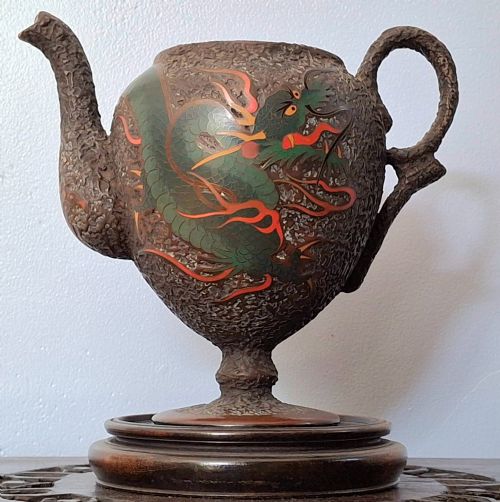
These glazed ceramic teapot pieces bring functional folk art and formal pottery together across nineteenth and early twentieth century periods.
Glazed Ceramic Teapot
A glazed ceramic teapot search covers functional vessels spanning the nineteenth century, Victorian era, and Edwardian periods. Buyers encounter domestic earthenware alongside distinctive folk pottery and finer porcelain examples.
The selections range from robust bargeware and agateware to moulded stoneware and majolica designs. Regional Staffordshire potteries and international pieces from the Meiji period frequently appear on this page.
Vessels vary from individual solitaire teapots to larger four piece sets that include milk jugs and matching items. Collectors lean towards specific regional decoration styles and characterful moulded motifs.
Materials and construction
Potters shaped these teapots using earthenware, stoneware, and porcelain, applying lead glaze, treacle glaze, or bright majolica enamels for protective surfaces. Materials determine the weight and durability of each individual vessel.
Moulded decoration, slip trailing, and hand painting define the surface finishes seen across these examples. Distinctive techniques such as agateware body mixing create marbled clay patterns throughout the vessel walls.
Glazed Ceramic Teapot Retail Price Guide 2026
Typical asking prices for glazed ceramic teapot among the pieces listed under this phrase on Sellingantiques today, from the lower quarter to the upper quarter. They describe what is for sale here now, not the wider market.
Listings feature pieces from the Victorian era, the Meiji period, and the early twentieth century, utilising earthenware, stoneware, and porcelain.
Assessing the range
Quality rests on the crispness of moulded relief work and the evenness of the surface glaze application. Finer examples show careful control during kiln firing, resulting in stable handles, spouts, and lids.
Artistic ambition separates standard domestic pottery from pieces featuring sculptural figures, detailed transfer printing, or complex folk art applications. Maker attribution and documented patterns elevate the standing of individual pots.
Thomas Wolfe·Enoch Wood and Sons·Mintons·Doulton·Joseph Holdcroft
The Glazed Ceramic Teapot Glossary
- Agateware
- Pottery made by blending clays of different colours to create a marbled stone effect. This technique dates back centuries and appears across nineteenth century teapots.
- Bargeware
- Traditional folk pottery decorated with applied coloured clay motifs and often inscribed with names or dates. These large pieces originated on English canals.
- Majolica
- Low fired earthenware covered with coloured lead glazes that produce vibrant opaque hues. Victorian potteries utilised this technique for sculptural and figurative wares.
- Stoneware
- A dense, impermeable ceramic fired at high temperatures. Wedgwood and other factories utilised this material for durable teapots.
- Treacle glaze
- A dark, rich brown transparent lead glaze applied over earthenware bodies. It creates a glossy, translucent finish popular on nineteenth century utility pieces.
Glazed Ceramic Teapot: Frequently Asked Questions
How do I date an antique teapot?
Dating relies on stylistic markers, material composition, and any factory marks stamped or printed on the base. Comparing the glaze type and potting technique against known periods provides a reliable timeline.
Changes in handle design and spout formation also help narrow down the decade of production. Documentation or previous collection records further assist in confirming the age.
Were these teapots used daily?
Many nineteenth century teapots served practical roles in domestic households, while others were made as commemorative items or decorative display pieces. Bargeware and standard earthenware pots typically saw active service in canal boats and cottages.
Finer porcelain and majolica examples often belonged to formal tea sets reserved for special occasions. Examining interior staining and wear patterns reveals the extent of past usage.
How should I clean a glazed teapot?
Gentle washing with warm water and a mild detergent preserves the historic glaze and any delicate applied decoration. Harsh scrubbing agents or modern dishwashers can damage fragile surfaces and historic repairs.
Allowing the vessel to dry naturally prevents moisture retention in unglazed base rings. Care must be taken around protruding spouts and separate lids during handling.
What is the difference between earthenware and stoneware?
Earthenware is fired at lower temperatures and remains porous unless covered with an impermeable glaze. Stoneware is fired much higher until the clay vitrifies, making it dense and naturally waterproof.
Stoneware teapots generally feel heavier and offer greater resistance to chipping than standard earthenware. Both materials received diverse decorative treatments throughout the Victorian period.