



Glazed Ceramic Shades
Glazed ceramic shades illuminate interiors with rich colour and texture, bringing antique character to table lamps through centuries of ceramic tradition.
Glazed Ceramic Shades
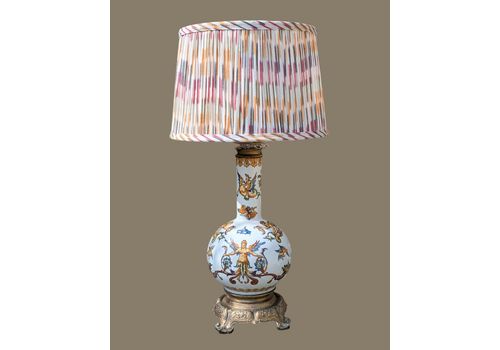
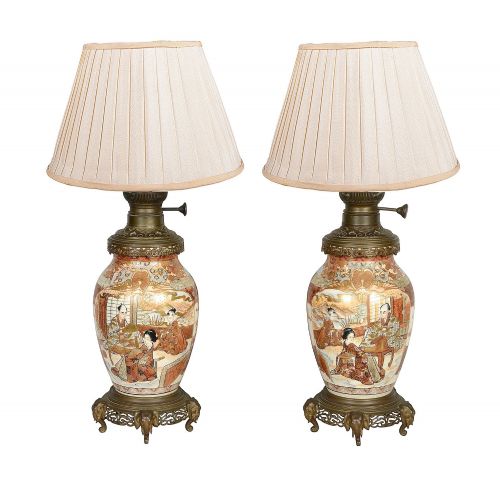
Many pieces take the form of converted vases mounted on brass or ormolu bases, blending Eastern ceramic craft with Western domestic lighting. You also find British earthenwares from the art deco era alongside continental European porcelain and majolica vessels.
These lamps serve as striking focal points in a room, combining functional illumination with substantial decorative presence. The variety spans centuries of kiln artistry, from eighteenth-century monochrome glazes to late Victorian decorative designs.
How they were made
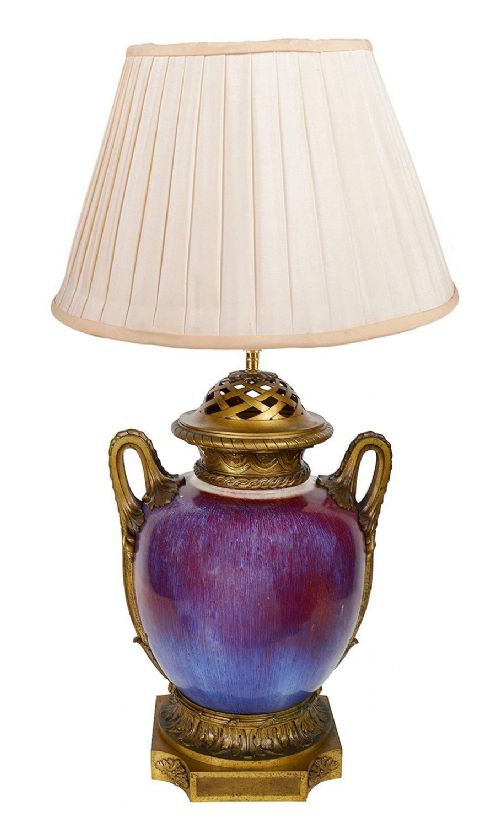
Potters shaped these bodies from earthenware, stoneware, or porcelain, applying mineral-based liquid glazes before firing the pieces in high-temperature kilns. The chemical reactions within the kiln produced characteristic crackle effects, flambe variegation, and deep monochrome tones like sang de boeuf.
Many of these ceramic bodies were subsequently fitted with metal mounts in brass or ormolu to transform decorative display vessels into functional table lamps. This secondary adaptation process required careful drilling and secure collar fittings to preserve the integrity of the antique ceramic.
Glazed Ceramic Shades Retail Price Guide 2026
Typical asking prices for glazed ceramic shades among the pieces listed under this phrase on Sellingantiques today, from the lower quarter to the upper quarter. They describe what is for sale here now, not the wider market.
Listings span several stylistic traditions including Chinese Export, Chinoiserie, Japanese Meiji Period, Art Deco, and Renaissance Revival.
What varies in quality
Quality rests in the precision of the ceramic throwing, the depth and consistency of the glaze, and the refinement of the secondary metal mounts. Superior examples display controlled kiln effects, subtle crackle patterns, and rich colour saturation without muddying.
The sophistication of the brass or ormolu mounting also distinguishes finer pieces, where metalwork complements rather than overpowers the ceramic vessel. Harmony between the original vase and its conversion hardware defines the upper tier of these lamps.
The Glazed Ceramic Shades Glossary
- Celadon
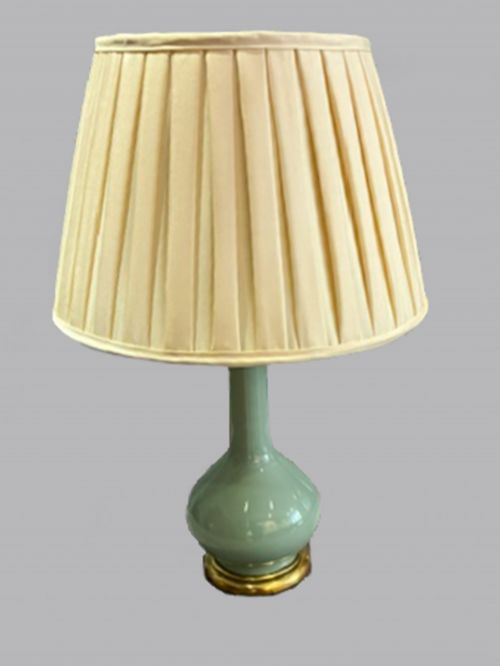
- A pale green jade-like glaze originating in East Asia, prized for its subtle translucent quality and smooth touch. It appears frequently on nineteenth-century French and Chinese vessel conversions.
- Crackleware
- Pottery featuring a network of fine microscopic cracks in the glaze, deliberately induced during the cooling process for decorative texture. This technique is prominent in nineteenth-century blue and white pieces.
- Ormolu
- Gilded bronze mounts applied to decorative objects and lamp bases, adding weight and decorative contrast to the ceramic body. It signals a higher standard of nineteenth-century furnishing.
- Sang de bouf
- A rich, deep red copper-based monochrome glaze developed in Chinese kilns, translating literally to ox-blood. The glaze varies in density across the curved surface of the vessel.
- Flambe
- A streaked or mottled high-temperature glaze combining multiple metallic oxides to create dramatic colour transitions. It appears on twentieth-century and earlier vessel lamps.
Glazed Ceramic Shades: Frequently Asked Questions
Are these lamps originally made for lighting?
Most of these pieces began life as vases, jars, or decorative vessels rather than lighting fixtures. They were subsequently converted into table lamps during the nineteenth or twentieth centuries by adding electrical fittings and metal bases.
This conversion process allowed fine ceramic artistry to find a practical place in domestic interiors. The original character of the vessel remains intact despite the technical adaptation.
How do I identify nineteenth-century pieces?
Nineteenth-century examples often exhibit characteristic potting techniques, hand-applied glazes, and traditional Chinese or Japanese decorative motifs. Examining the base, weight, and mounting materials helps establish the era.
French and British adaptations from this period frequently pair Asian ceramics with ormolu or brass hardware. Comparing the glaze depth and crazing patterns provides further clues to age.
Where do blue and white crackleware lamps come from?
These lamps typically originate from nineteenth-century Chinese kilns that revived earlier crackle glaze traditions. The combination of cobalt blue painting and intentional glaze cracking creates a distinct textured surface.
Exporters shipped these decorative vases to Europe where makers mounted them as luxury table lamps. They remain enduringly popular for their striking visual contrast.
How do I place ceramic lamps in a room?
Ceramic lamps work effectively on side tables, buffets, or desks where their colourful glazes can catch ambient light. Their substantial forms provide both structural height and a strong decorative anchor.
Pairing them with simple fabric shades lets the patterned or monochrome ceramic body remain the primary focus. They suit both traditional period settings and eclectic modern interiors.