
Glazed Ceramic Jar
When you search for a glazed ceramic jar, you encounter centuries of practical vessels and decorative containers shaped from clay and finished with liquid glass.
Glazed Ceramic Jar
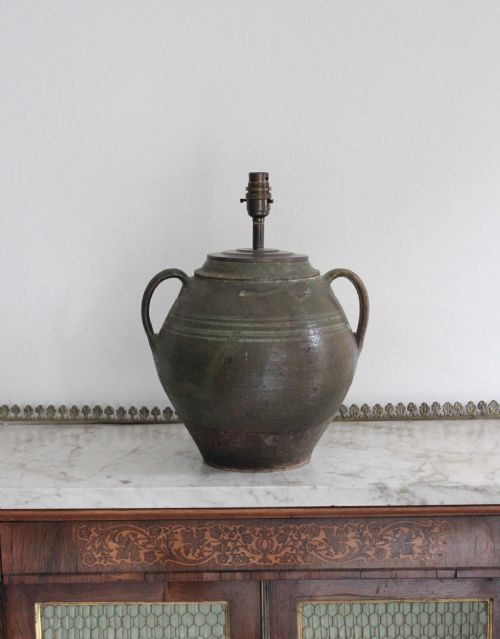
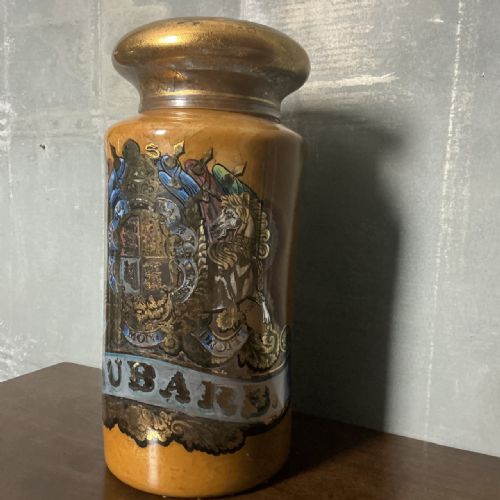
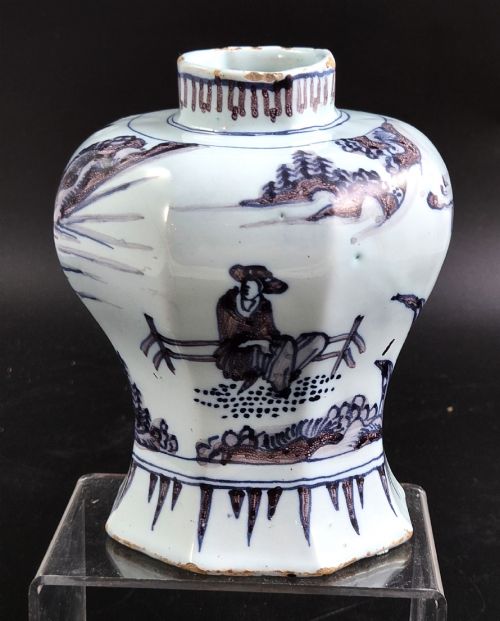
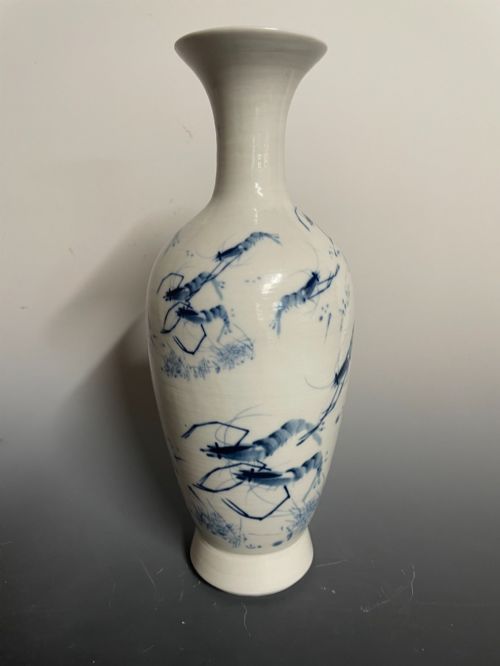
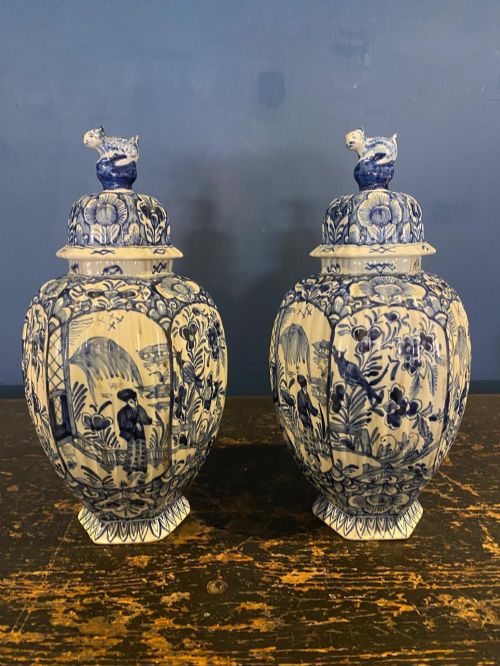
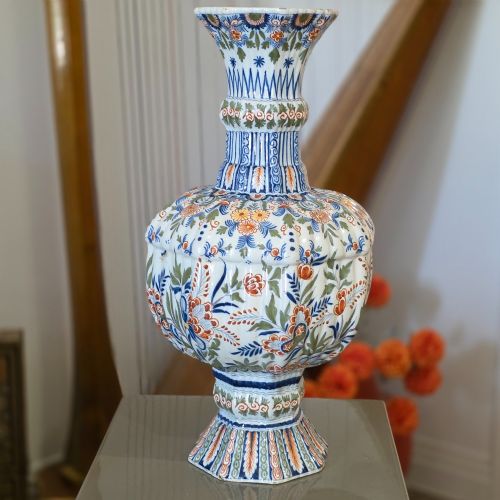
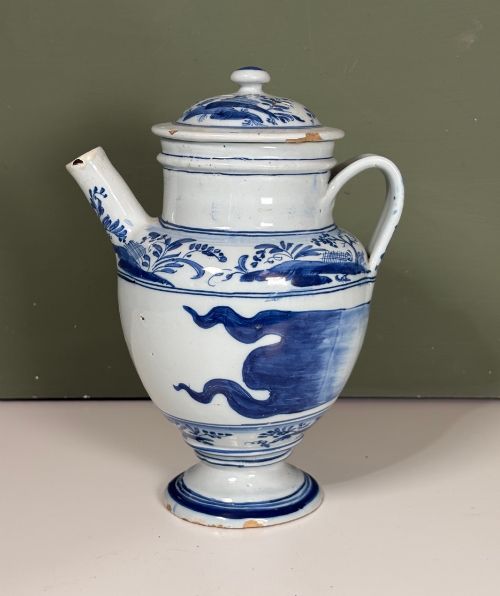
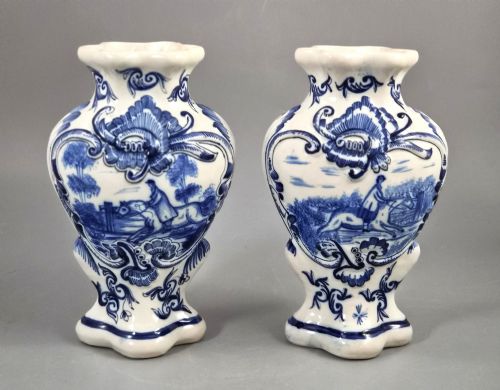
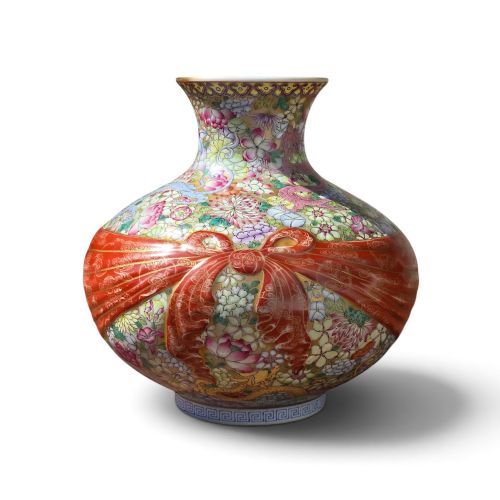
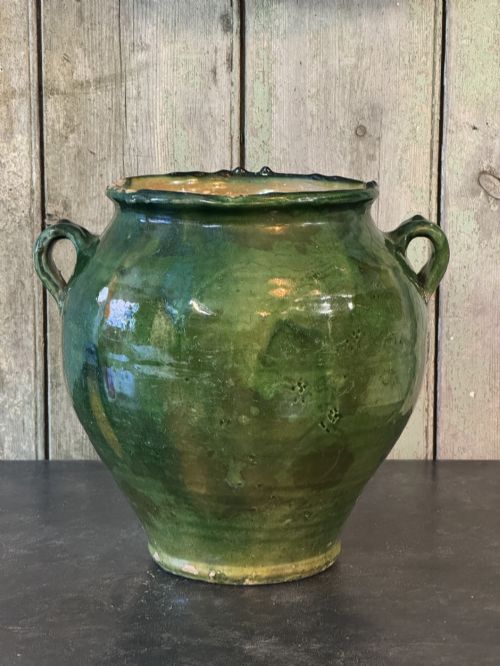
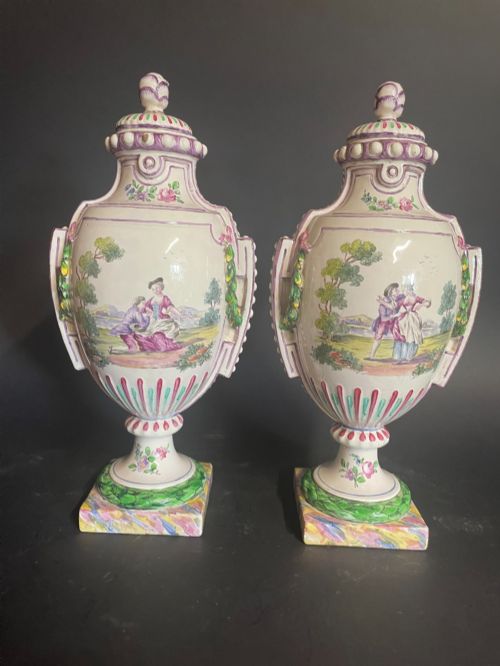
A glazed ceramic jar serves many domestic and apothecary functions across centuries, appearing as pharmacy drug vessels, lidded urns, storage pots, and display vases. The selection draws on traditions from English, Dutch, French, Italian, and Asian kilns, spanning the seventeenth century through to the early twentieth century.
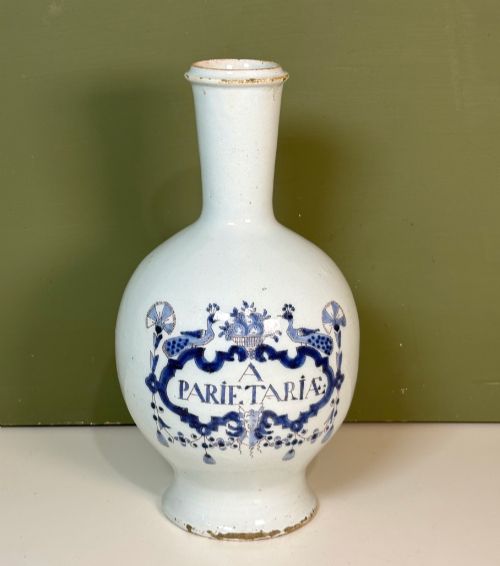
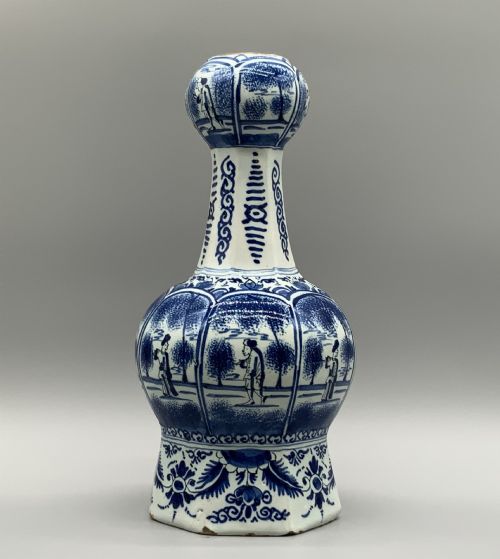
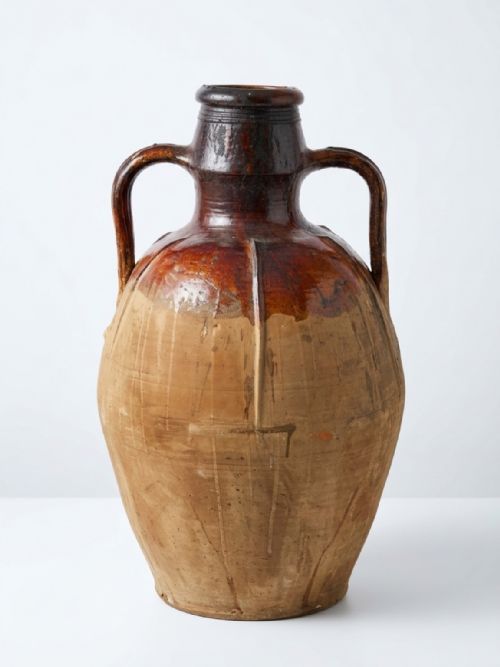
Dutch Delftware pieces and English delft drug jars dominate the earlier periods, often painted in blue and white or manganese with botanical motifs and pharmaceutical labels. Alongside these European examples sit large terracotta storage vessels from France and Italy, alongside Asian porcelain and earthenware jars.
Materials and Technique
Potters form these vessels from earthenware, terracotta, stoneware, or ceramic bodies, shaping them on the wheel or moulding them by hand. The raw or slip-coated clay then receives an opaque tin glaze or translucent mineral glaze before secondary firing fixes the pigments.
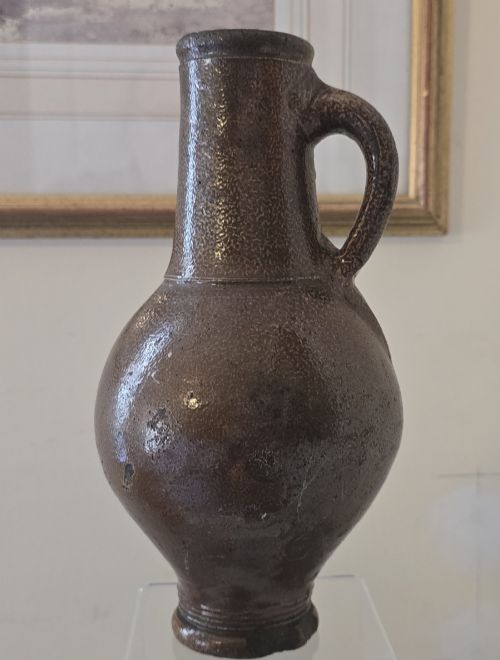
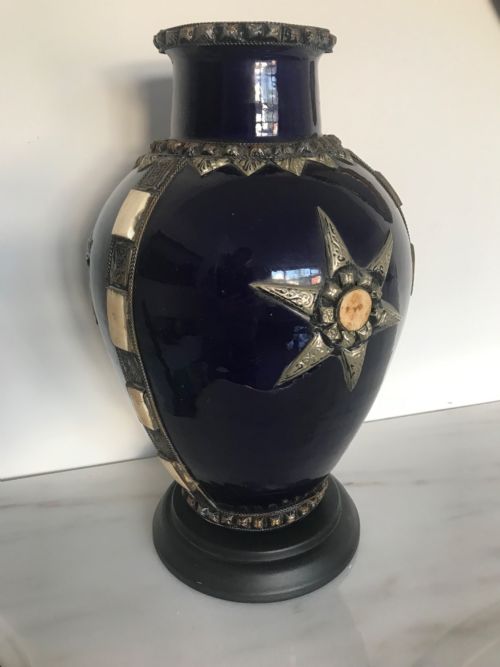
Decoration relies on hand-painted pigments including cobalt blue, manganese purple, and polychrome enamels, sometimes enhanced with gold leaf or silver mounts. Certain French and English pieces utilise drip glazes or salt-glazing techniques to achieve textured, glossy surfaces.
Some antique drug jars still retain traces of centuries-old medicinal contents trapped beneath their dry glazes.
Judging Quality
Quality rests on the crispness of the hand-painted decoration, the stability of the glaze without excessive crazing, and the original integrity of lids and mounts. Pieces bearing specific apothecary inscriptions, dated markers, or attribution to known potteries command greater attention.
Proportion and weight distinguish utilitarian storage pots from fine display vessels, where balanced forms and controlled kiln temperatures produce superior surface depth and colour vibrancy.
Fourmaintraux-Courquin·John Dwight Fulham Pottery·Alice Euphemia Thatcher
The Glazed Ceramic Jar Glossary
- Tin-Glaze
- A pottery glaze made white and opaque by the addition of tin oxide. It provides a smooth white background for hand-painted cobalt and polychrome decoration.
- Apothecary Jar
- A vessel designed to hold medicinal herbs, dry drugs, or liquid syrups in a dispensary or pharmacy. They frequently feature painted Latin labels or maker ciphers.
- Baluster
- A vase or jar profile characterised by a rounded body that tapers toward a narrow base and neck. This silhouette is common in seventeenth and eighteenth-century Delftware.
- Majolica
- Tin-glazed earthenware produced in Italy and other European regions, noted for bright polychrome painting. The technique evolved from earlier Islamic and Spanish pottery traditions.
- Terracotta
- Fired but unglazed or partially glazed brownish-red earthenware clay. It is frequently utilised for large garden pots, olive jars, and storage vessels.
Glazed Ceramic Jar: Frequently Asked Questions
What were glazed ceramic jars used for?
These vessels originally served practical roles in households, apothecaries, and trade, holding everything from medicinal syrups and dry drugs to butter, olive oil, and wine.
Over time, many of the more decorative examples transitioned into purely ornamental display pieces, housed in cabinets or utilised as table urns.
How do I date a delft jar?
Dating relies on stylistic shifts in painting style, tin-glaze colour, and shape, moving from seventeenth-century Chinoiserie designs toward lighter eighteenth and nineteenth-century palettes.
Pharmacy jars often carry painted drug labels or dates that narrow down their exact period of manufacture.
Are lids usually original to the jar?
Finding a glazed ceramic jar with its matching original lid is a significant bonus, as covers were easily broken or separated during centuries of domestic use.
Many surviving vessels are matched replacements or have spent decades without their upper components.
How should I display antique jars?
These pieces require stable shelving away from direct sunlight and heavy foot traffic to protect fragile earthenware bodies and historical glazes.
Larger terracotta and stoneware storage pots function well on stable floor surfaces, while smaller delft and faience vases suit enclosed cabinets.