

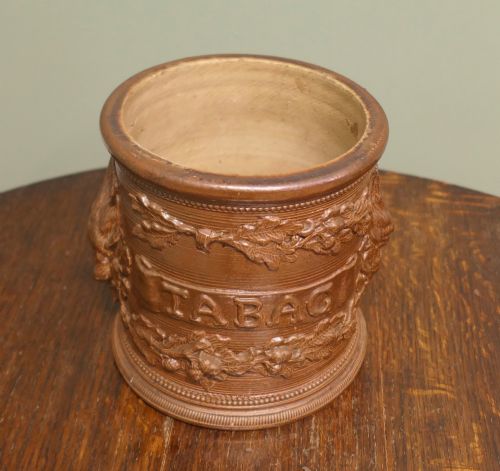
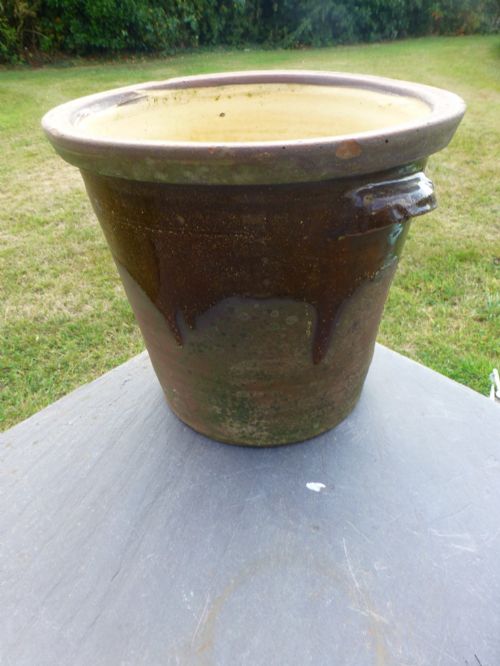
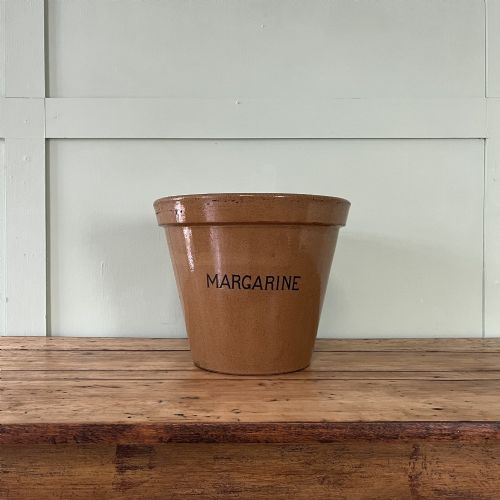
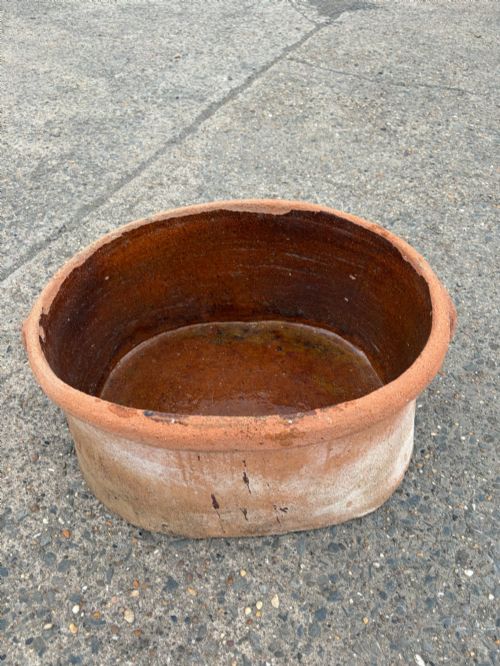


Glazed Ceramic Crock
These glazed ceramic crock pieces are durable domestic vessels formed from clay and fired for storage and utility.
Glazed Ceramic Crock
A glazed ceramic crock is a robust utilitarian vessel designed for domestic storage, fermentation, or food preparation. When you search for a glazed ceramic crock, you encounter pieces originating from the eighteenth, nineteenth, and early twentieth centuries.
The selections available on this page lean heavily towards nineteenth-century examples, including Victorian pieces, Edwardian items, and regional British or French country wares. Forms range from dairy salting crocks and margarine bowls to water filters, vinegar barrels, and soup jars.
Rural domestic forms dominate the listings, reflecting centuries of practical use in dairies, kitchens, and taverns. Buyers frequently find utilitarian vessels that combine heavy-duty function with simple, honest craftsmanship.
How they were made
Potters utilised durable earthenware, terracotta, and stoneware clays shaped on wheels or pressed into moulds to create thick, impermeable walls. These dense bodies ensured that the vessels could withstand heavy daily use in farmhouses, dairies, and commercial taverns.
Surfaces received protective salt glazes, slip coatings, or glossy liquid finishes to seal the porous clay against liquids and food acids. Firing took place in traditional kilns, producing the earthy tones and natural surface variations characteristic of historic utility wares.
Glazed Ceramic Crock Retail Price Guide 2026
Typical asking prices for glazed ceramic crock among the pieces listed under this phrase on Sellingantiques today, from the lower quarter to the upper quarter. They describe what is for sale here now, not the wider market.
The listings on this site span the eighteenth, nineteenth, and early twentieth centuries, featuring stoneware, terracotta, and earthenware.
What varies in quality
Quality in these utility wares depends upon the integrity of the original form and the depth of the glaze. Heavier throwing and uniform thickness indicate superior vessel construction intended for demanding farm or tavern work.
Historical legibility also elevates a piece, such as clear maker stamps, patent inscriptions, or specific tavern and merchant designations. Simpler unbranded kitchenalia sits at the other end, valued purely for its rustic surface texture and domestic utility.
The Glazed Ceramic Crock Glossary
- Stoneware
- A dense, vitreous ceramic fired at high temperatures until non-porous. It provides exceptional strength for holding liquids and foodstuffs without requiring an interior glaze.
- Terracotta
- A porous, brownish-red earthenware fired at lower temperatures. It is frequently utilised for garden planters, dairy salters, and water vessels.
- Slipware
- Pottery decorated with a thin mixture of clay and water applied before firing. This technique creates simple linear patterns or rich surface flows across the vessel body.
- Salt glaze
- A glassy coating formed by throwing common salt into the kiln during high-temperature firing. It produces a distinctive orange-peel texture on stoneware surfaces.
- Confit pot
- A traditional French earthenware jar designed for preserving meats. These vessels typically feature a partially glazed body with an unglazed lower half.
Glazed Ceramic Crock: Frequently Asked Questions
What were glazed ceramic crocks used for?
These vessels served essential domestic and commercial functions such as salting meat, storing butter, and holding liquids like water and vinegar.
Farmhouses and taverns relied on their heavy walls to keep contents cool and secure from pests over long periods.
How do I care for an antique crock?
Wash the vessel gently by hand using mild soap and warm water without harsh scrubbing agents. Avoid sudden temperature changes to protect the historic ceramic body from thermal shock.
Display the piece on stable surfaces where its weight is evenly supported.
How can I tell the period?
Examine the clay body, glaze characteristics, and any stamped lettering or patent marks present on the exterior. Nineteenth-century pieces often display heavier stoneware bodies or specific regional factory stamps.
Earlier eighteenth-century examples tend to show simpler hand-thrown forms with primitive slip decoration or salt glazes.
Are these pieces waterproof?
Many stoneware and salt-glazed items remain entirely impervious to water due to the vitrification process and interior glazing. Terracotta and older earthenware vessels can be slightly porous, requiring a protective liner if used for fresh plants or cut flowers.