

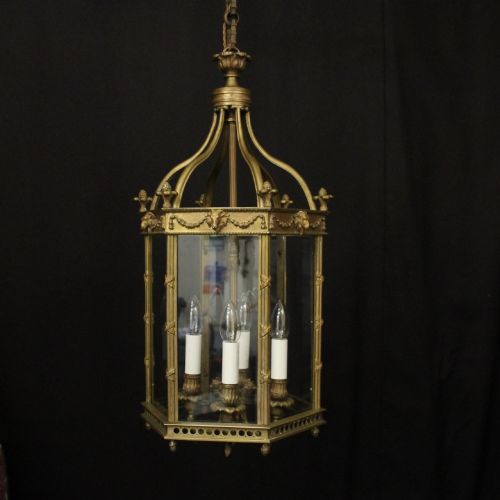
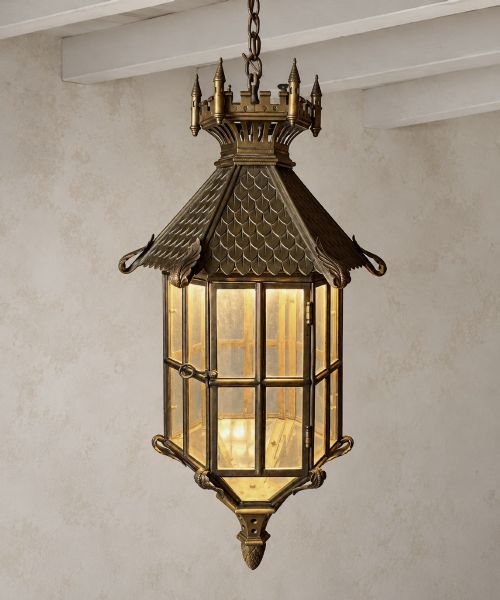
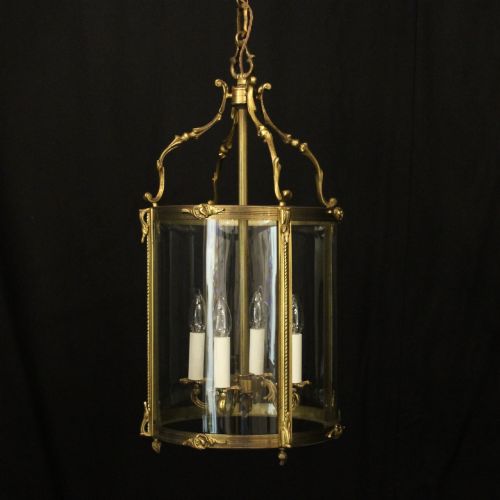
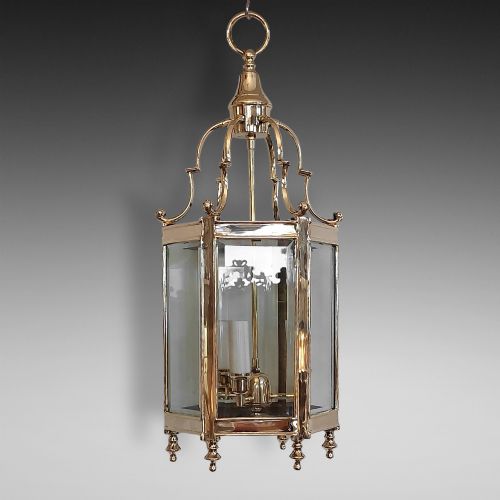

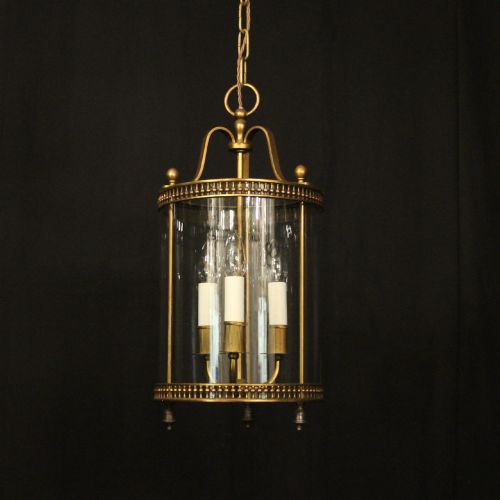
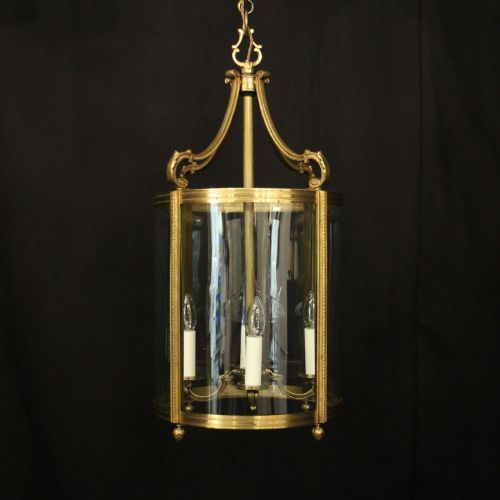

Glazed Brass Hall Lantern
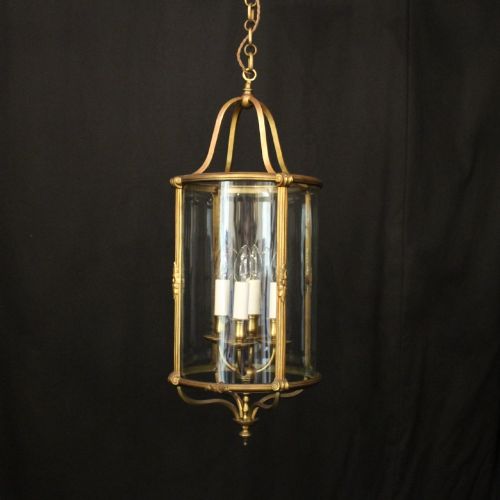
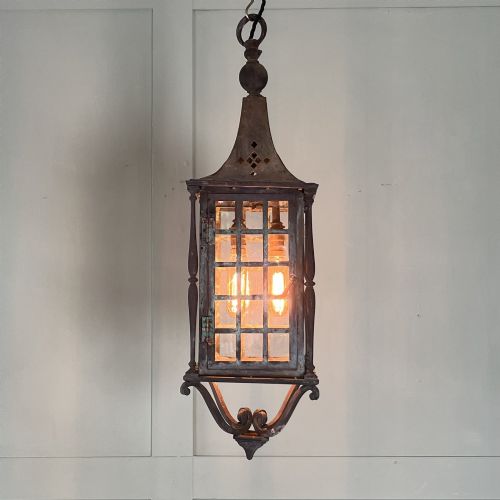
A glazed brass hall lantern brings a warm, welcoming illumination to an entryway, combining structural metalwork with clear glass panels.
Glazed Brass Hall Lantern
When searching for a glazed brass hall lantern, a buyer encounters overhead lighting designed specifically for corridors, stairwells and entrance porches. These fixtures hang from ceilings using chains or brackets, casting light downward through transparent panes to brighten transitional spaces.
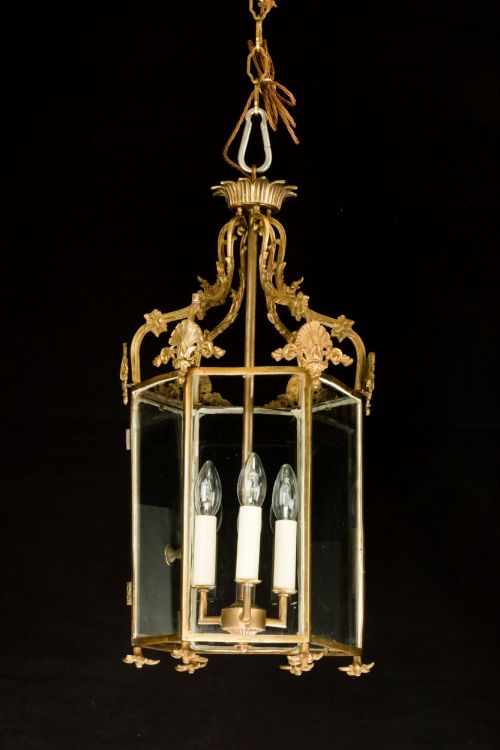
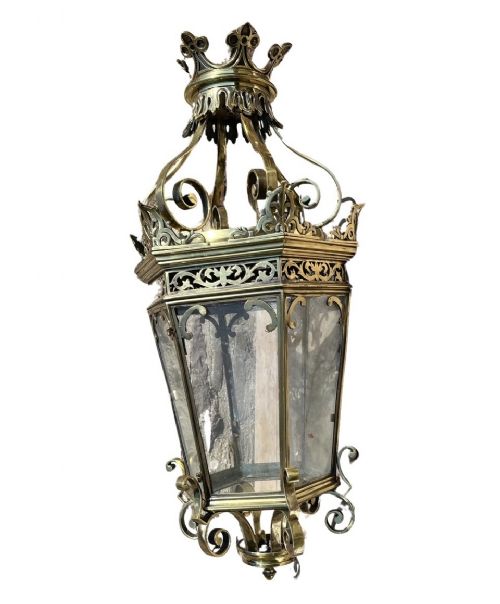
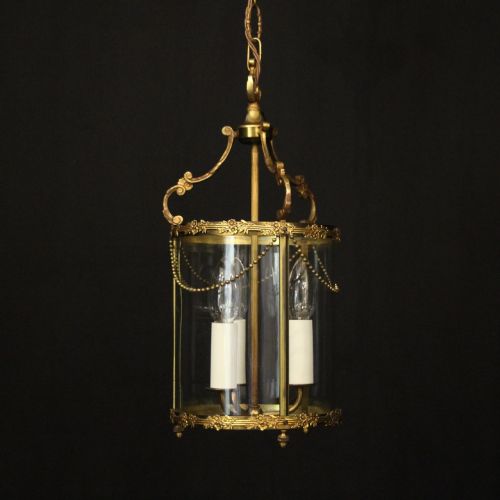
The selections span the late nineteenth century through to the interwar decades, taking in Edwardian and Victorian examples alongside French models from the nineteen-twenties and thirties. French designs often incorporate gilded finishes and multiple internal lights, while English pieces frequently favour simpler hexagonal geometries.
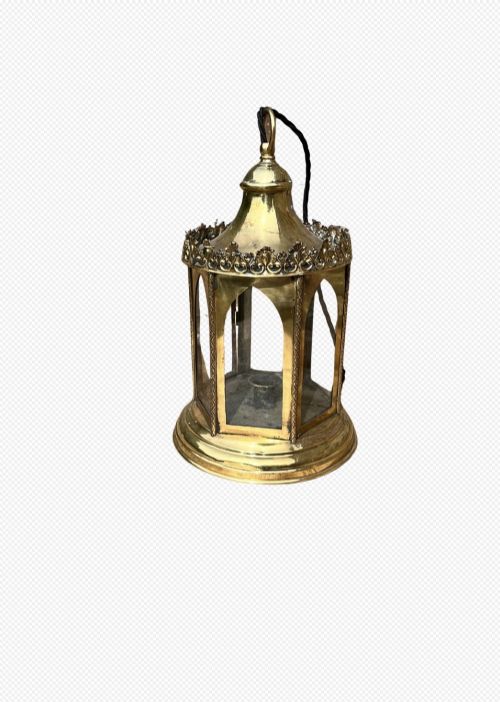
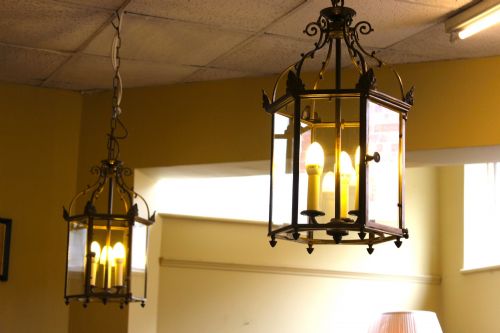
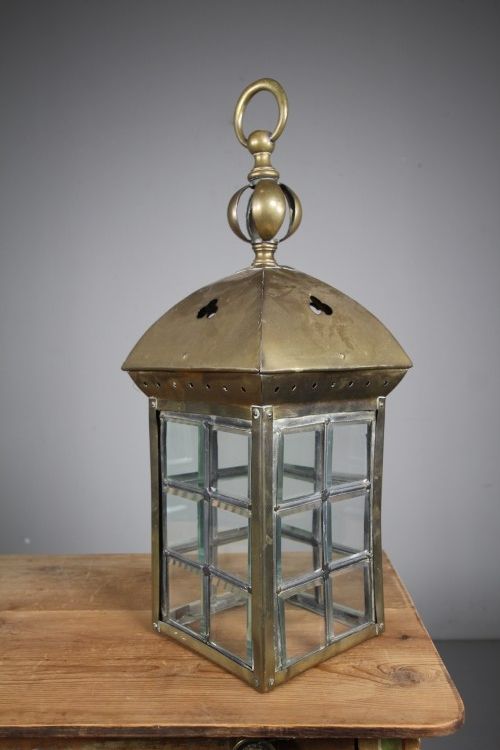
Forms vary from compact single-bulb pendants to large multi-light fixtures equipped with doors for interior access. Buyers frequently meet hexagonal shapes and rounded profiles, suspended as singular statements or matched in pairs for grander hallways.
Construction and Materials
These lanterns rely on frames forged from brass, bronze and occasionally steel, shaped into rigid skeletons designed to support glazed walls. Metal components are frequently gilded or cast with neoclassical and rococo motifs, contributing to the decorative weight of the fixture.
Panels of glass are fitted directly into the metal framework, utilising flat or bevelled panes that refract the internal illumination. Some examples incorporate hinged doors secured with latches, allowing access to the bulbholders housed within.
Glazed Brass Hall Lantern Retail Price Guide 2026
Typical asking prices for glazed brass hall lantern among the pieces listed under this phrase on Sellingantiques today, from the lower quarter to the upper quarter. They describe what is for sale here now, not the wider market.
Some larger coaching lanterns retain their original side doors, once opened rapidly by footmen to inspect muddy rural tracks.
Evaluating Quality and Craftsmanship
Quality rests upon the weight and thickness of the cast metal frame, alongside the precision of the joinery holding the glass panels in place. Finer examples display crisp casting details on the brass or bronze mounts, while simpler versions rely on plain folded or soldered sheet metal.
The use of bevelled glass elevates a piece, catching and scattering light more effectively than standard flat panes. Furthermore, the integrity of original gilding or bronze patination distinguishes superior fixtures from more utilitarian lighting.
The Glazed Brass Hall Lantern Glossary
- Hexagonal
- Having six sides and six angles in plan view. This geometry is frequently employed in hall lanterns to distribute light evenly in narrow spaces.
- Bevelled glass
- Glass panes featuring an angled edge ground along the perimeter. This technique creates a prismatic effect when light passes through the panel.
- Gilt bronze
- Bronze metal treated with a thin layer of gold or gold-coloured alloy. It provides a durable, lustrous surface finish often found on French lighting.
- Pendant light
- A light fixture suspended from the ceiling by a cord, chain or metal rod. These fixtures hang downward to illuminate specific zones below.
Glazed Brass Hall Lantern: Frequently Asked Questions
How do I hang a hall lantern?
These lanterns suspend from ceilings using an attached chain or hanging bracket secured to an overhead joist. Electric wiring runs down through the suspension mechanism to power the internal lamp holders.
Ceiling height dictates the appropriate chain length, ensuring the fixture clears head height while adequately illuminating the walkway below.
Were these lanterns originally gas or electric?
Many surviving examples from the nineteenth and early twentieth centuries were converted from gas or oil to electricity as domestic power became widespread. Original burners and oil founts were replaced with electrical lamp holders during these updates.
Modern buyers generally encounter these pieces fully electrified and ready for installation in contemporary properties.
How do I clean the glass inside?
Most lanterns feature a small access door secured with a latch, allowing you to reach the interior bulbs and glass surfaces. Opening this panel enables dusting and cleaning of the internal components without dismantling the entire frame.
Use a soft cloth and mild glass cleaner on the panes, taking care around aged metal finishes.
Can I use these lanterns outdoors?
These pieces are principally designed for interior hallways, porches and covered entryways rather than exposed outdoor locations. Their historic construction and electrical wiring may not meet modern weatherproof standards required for open gardens.
Sheltered entrance porches provide a suitable environment if protection from direct rain is ensured.