



Glass Vestibule Lamp
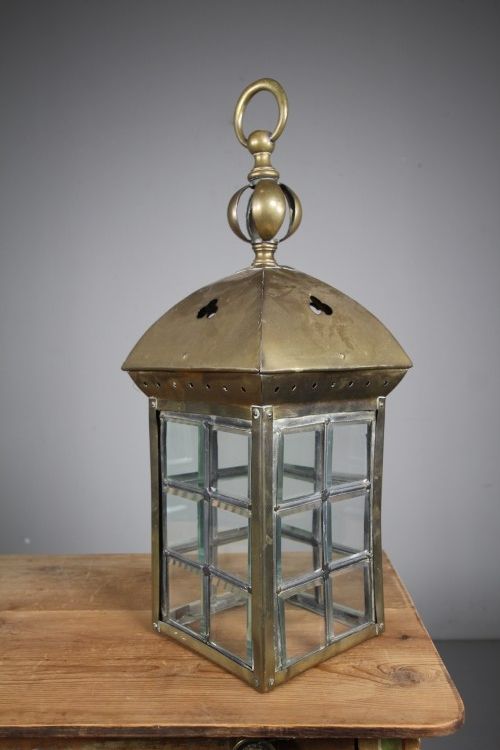
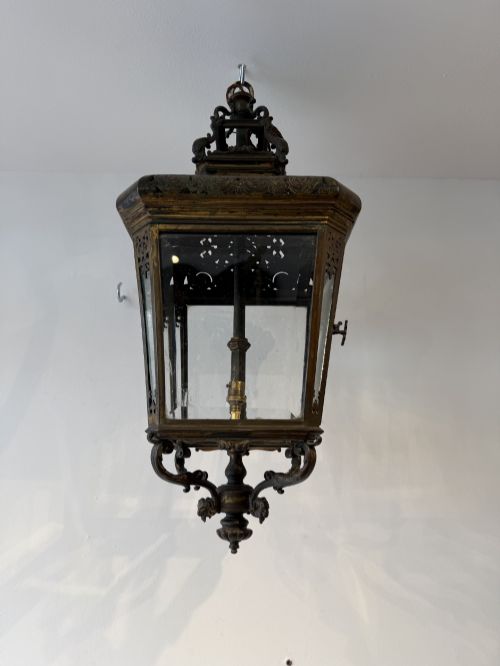
These glass vestibule lamp fixtures light an entranceway with clear character, bringing period metalwork and glass together above your door.
Glass Vestibule Lamp
When you search for a glass vestibule lamp, you encounter hanging lanterns and ceiling lighting designed to illuminate entryways, porches, and hallways. The pieces seen here span from the nineteenth century through the Edwardian era and into the nineteen-twenties and nineteen-thirties.
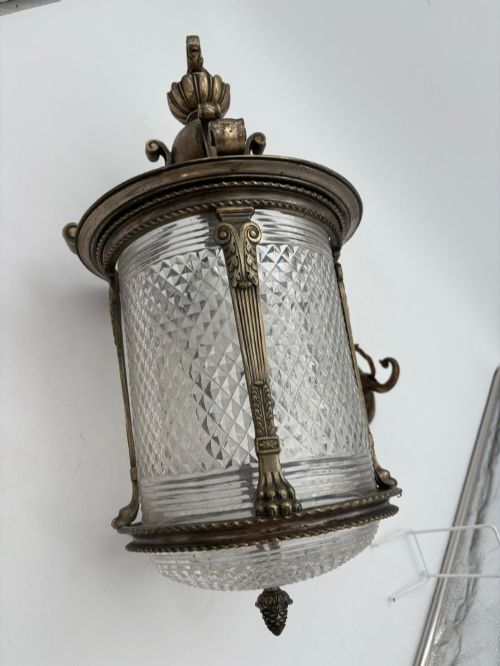
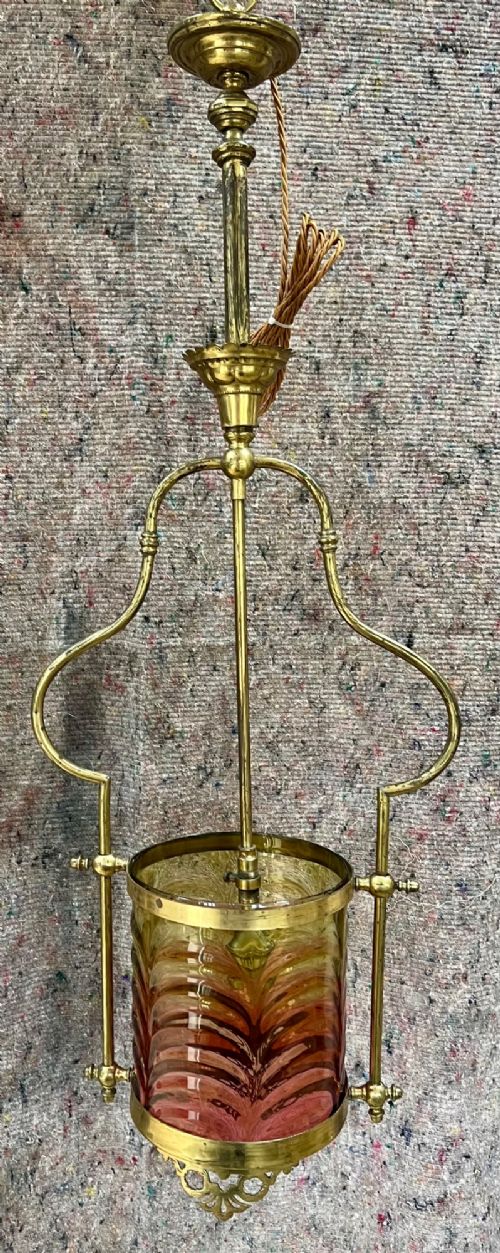
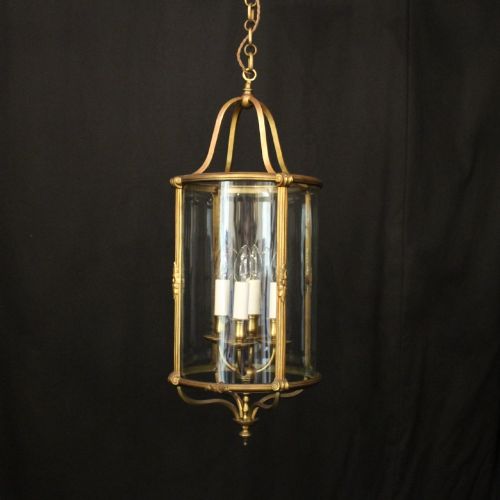
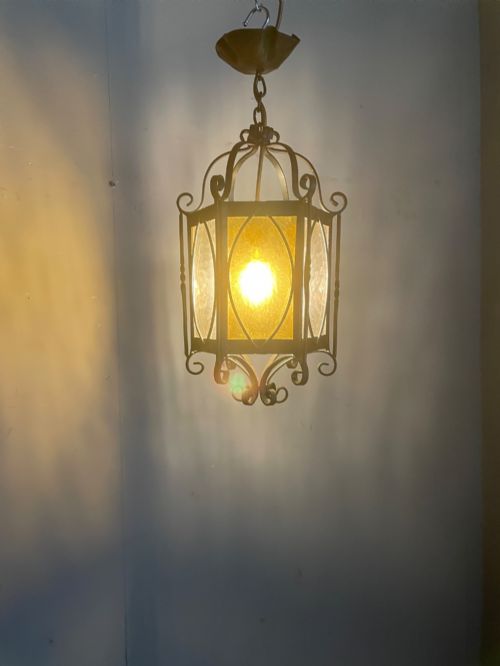
You are most likely to meet brass framed hall lanterns and French gilded bronze or gilt bronze ceiling lanterns on this page. Formats range from hexagonal leaded glass designs to four light fixtures and simpler hanging lamps featuring coloured glass shades.
Origins represented in the inventory include English and French workshops, encompassing styles from Victorian and Edwardian to French Louis XVI style, Gothic revival, Art Deco, and French Chateau.
How they were made
Makers constructed these lanterns using robust metal frames of brass, bronze, gilt bronze, wrought iron, and cast iron to support the structure. These metals were cast, forged, or gilded to create decorative housings.
Glazing techniques involved fitted glass, cut glass, and leaded glass panels secured within the metal framework. Some fixtures incorporate coloured glass shades in red and yellow to alter the quality of the illumination.
Glass Vestibule Lamp Retail Price Guide 2026
Typical asking prices for glass vestibule lamp among the pieces listed under this phrase on Sellingantiques today, from the lower quarter to the upper quarter. They describe what is for sale here now, not the wider market.
A blacksmith made a pair of cast iron lanterns in nineteen twenty, hammering out sturdy iron frames so your porch could look like a medieval fortress.
What varies in quality
The distinction between standard and superior examples lies in the crispness of the metal casting and the depth of the gilding or blacksmith work. Heavier gauge brass and detailed hand-forged wrought iron elevate a piece above simpler production.
Quality also rests in the complexity of the glass work, where heavy cut glass or intricate leaded panels display superior craftsmanship compared to plain flat glazing.
The Glass Vestibule Lamp Glossary
- Hall lantern
- A ceiling-hung lighting fixture designed specifically for entrance halls and corridors. These typically feature glazed sides and a metal frame.
- Gilt bronze
- Bronze that has been coated with a thin layer of gold or gold-coloured leaf. This finish provides a bright metallic sheen that resists tarnishing.
- Leaded glass
- Glass panes held together by strips of lead cording, known as came. This technique allows for geometric or decorative patterns within lantern panels.
- Wrought iron
- Iron that has been heated and hammered by hand into shape. It yields a textured, durable material often seen in rustic or revival styles.
Glass Vestibule Lamp: Frequently Asked Questions
Where should I hang a glass vestibule lamp?
These lanterns suit entryways, porches, and high-ceilinged hallways where their hanging profile can be fully appreciated. They provide focused downward illumination for welcoming guests.
Ensure you measure the drop height carefully to allow adequate clearance beneath the fixture, particularly in narrow corridors or above doors.
How do I date a brass hall lantern?
Examine the construction methods of the metal frame and the style of the glass panels to determine the period. Edwardian and Victorian pieces often show distinct decorative motifs compared to later nineteen-thirties designs.
Hardware fixings and screw types can also offer clues, as machine-tooled screws replaced hand-threaded components over time.
Can these antique lanterns take modern bulbs?
Most antique lanterns can accommodate modern electrical components and bulbs, provided a qualified electrician checks the internal wiring. Rewiring is standard practice for older lighting.
Keep the wattage appropriate for the enclosed glass space to prevent excessive heat buildup inside the lantern body.
What is the difference between French and English styles?
French lanterns frequently utilise gilt bronze, Rococo flourishes, and neoclassical symmetry, reflecting decorative arts from continental chateaux. They often feel ornate and sculptural.
English Edwardian and Victorian examples tend towards sturdy brass frames with straightforward geometric or Gothic revival influences, prioritising robust domestic utility.