
Glass Vanity Perfume Bottle
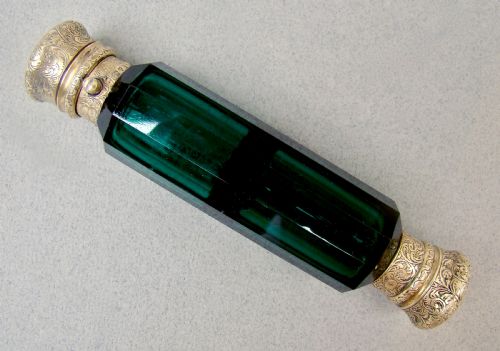
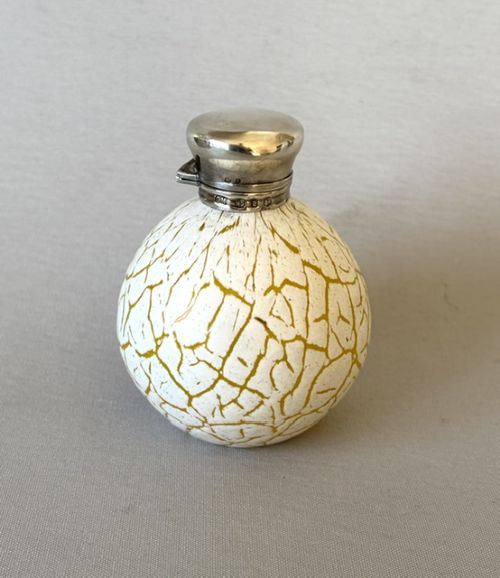
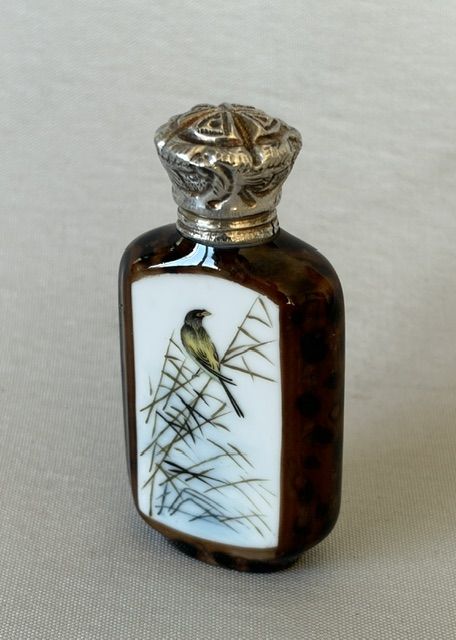
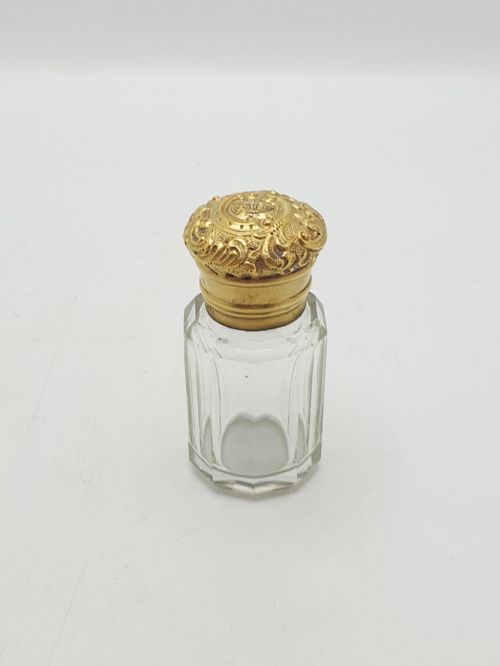
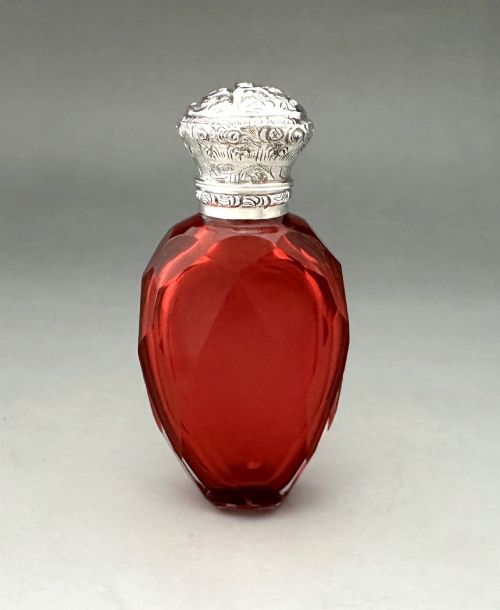
Glass vanity perfume bottle examples combine tactile coloured glass with precious metal mounts, offering both dressing table utility and distinct period design.
Glass Vanity Perfume Bottle
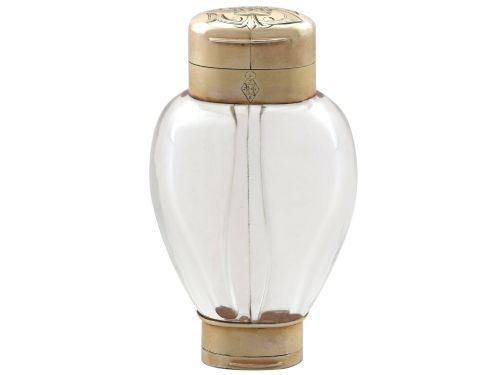
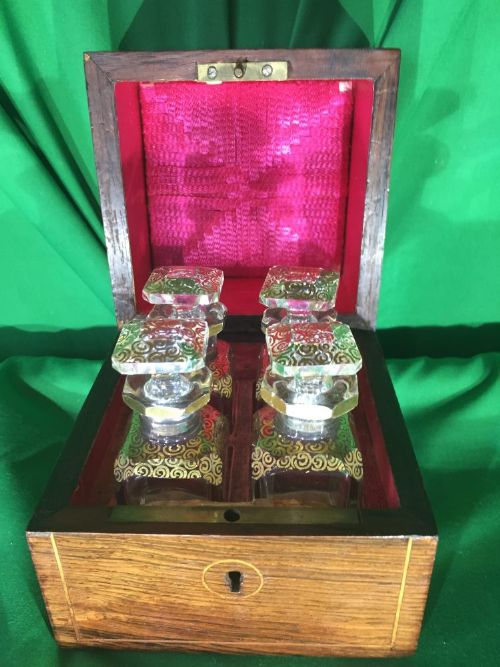
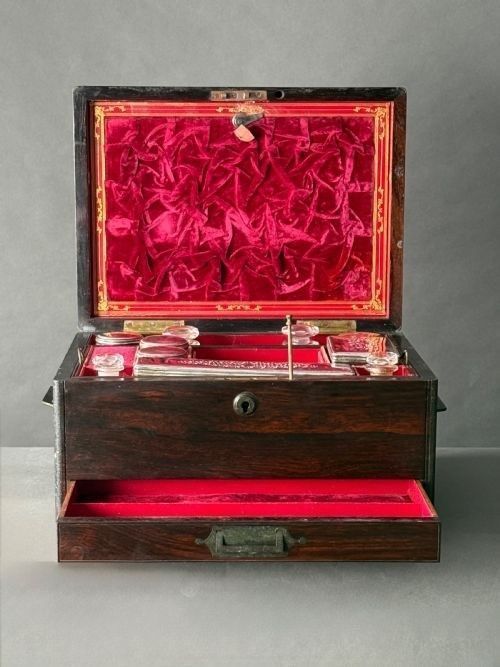
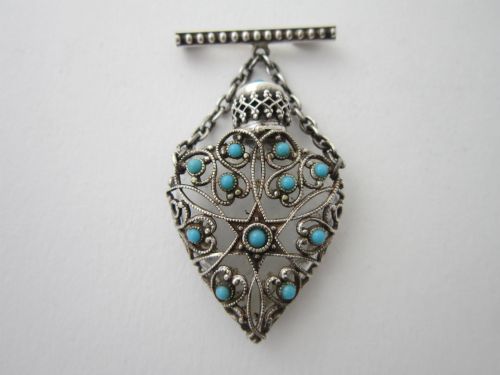
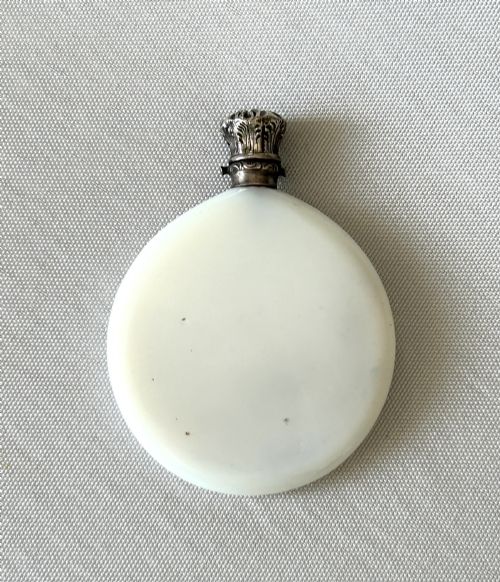
A glass vanity perfume bottle sits upon a dressing table or travels within a fitted box, designed to hold scented liquids or colognes. The form ranges from small pocket flasks to substantial cut glass vessels housed in rosewood or walnut caskets.
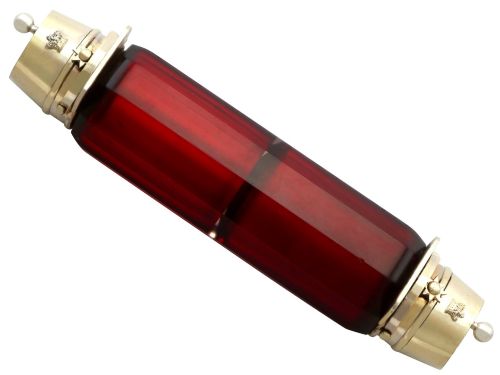
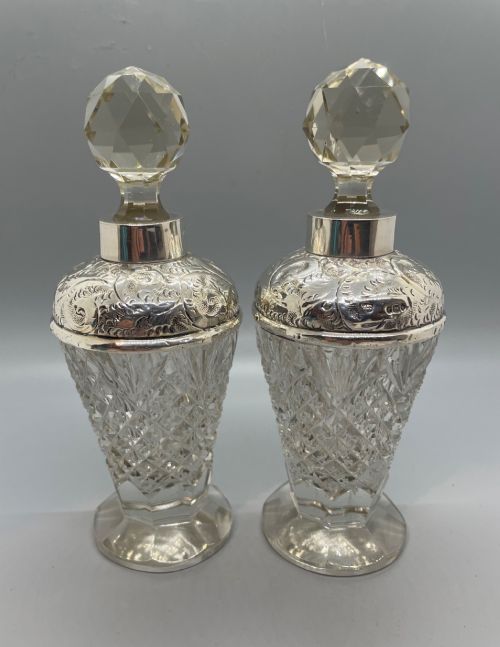
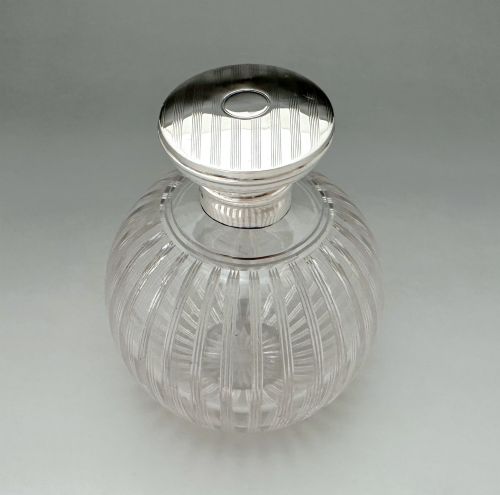
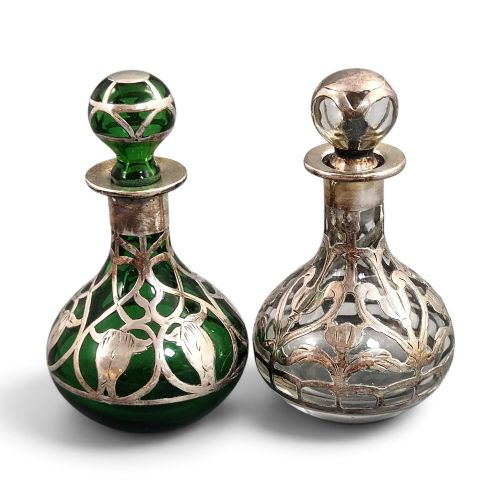
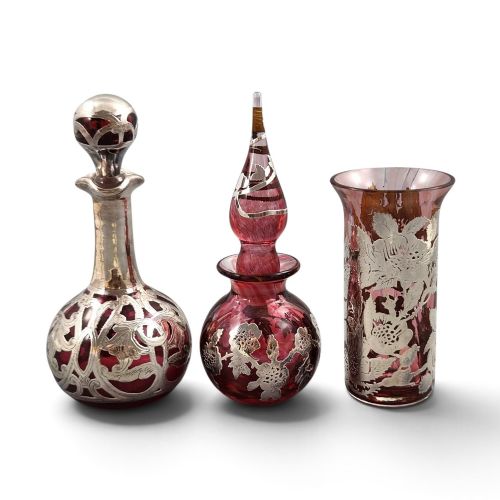
The most common versions encountered on this page date from the Victorian and Edwardian eras through to the Art Deco period. These pieces frequently pair coloured glass bodies with sterling silver collars, hinged lids or intricate metal overlays.
Origins span English, French, Bohemian and Czech workshops, reflecting diverse regional techniques in glassmaking and silversmithing. Buyers select these items for their decorative presence and historical craftsmanship.
How they were made
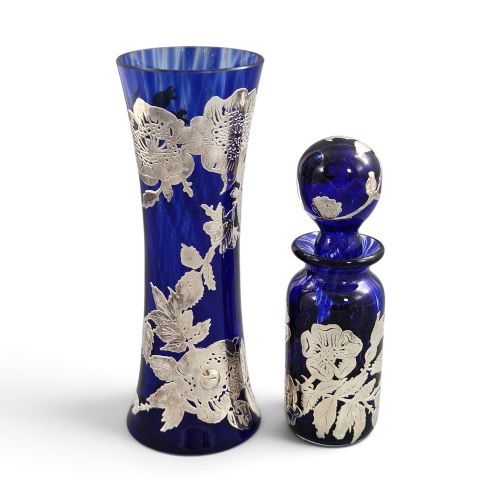
Makers utilised molten glass techniques such as moulding, free-blowing and cased layering to produce bodies in ruby, cranberry, teal, green, opaline and cobalt hues. Artisans then shaped the cooled vessels by hand-cutting geometric patterns or applying delicate enamel and murrine details.
Metalwork involved casting and forging sterling silver, silver gilt, brass and ormolu into secure collars, screw caps and decorative overlays. Artisans fastened these mounts directly to the glass necks, often incorporating cork or ground-glass stoppers to ensure an airtight seal.
Materials recorded across current items include ruby glass, tortoiseshell, mother of pearl and ormolu alongside traditional silver and glass.
What varies in quality
Quality depends upon the depth of the glass colour, the precision of the surface cutting and the weight of the silver mounts. Heavy, clear-cut crystal and saturated flashed glass command attention for their optical brilliance and tactile heft.
The integration between the metal collar and the glass body indicates higher manufacturing standards. Well-made examples feature custom-fitted hinged caps that close flush against the glass rim without play or misalignment.
Rene Lalique·Gorham·Laugharne Glass·Karl Palda·Henry Perkins·Harold Bushell and Co·Franchini and Bigaglia
The Glass Vanity Perfume Bottle Glossary
- Cranberry glass
- A rich red transparent glass coloured with gold chloride during the melting process. It is frequently seen in Victorian and Edwardian scent bottles mounted with silver.
- Opaline glass
- An opaque or translucent pale glass developed in the nineteenth century, often tinted in soft shades of blue or green. It provides a smooth surface texture ideal for dressing table wares.
- Guilloche enamel
- A decorative technique where a geometric pattern is mechanically engraved beneath a translucent layer of enamel. This finish often adorns the lids of Art Deco and Edwardian perfume bottles.
- Ormolu
- A gilt-bronze or brass finish applied to metal mounts and decorative caskets. It gives pieces a warm gold appearance that complements dark woods and coloured glass.
- Murrine
- Coloured glass rods heated and drawn out before being sliced to reveal intricate patterns within the cross-section. Pieces incorporating this technique display complex mosaic designs.
Glass Vanity Perfume Bottle: Frequently Asked Questions
How do I clean an old perfume bottle?
Rinse the interior gently with warm water and mild detergent, avoiding harsh abrasives that might scratch the glass. Allow the bottle to dry completely with the stopper removed.
Keep silver and metal mounts polished with a dry cloth to prevent tarnish accumulation without exposing the glass to chemical cleaners.
Are these bottles safe for daily use?
Most antique scent bottles remain functional for holding modern fragrances, provided the inner stopper creates a secure seal. Ground-glass stoppers fit tightly to prevent evaporation.
Check the condition of the original cork lining inside the silver collar, as aged cork can deteriorate or crumble over time.
How do I identify the period of a bottle?
Examine the style of the glass cutting, the colour palette and the hallmarks stamped upon the silver mounts. Victorian examples often feature deep jewel-toned glass with ornate floral or sliced-cut patterns.
Art Deco pieces display clean geometric lines, moulded forms or enamel decoration typical of the 1930s aesthetic.
Why do some bottles come in fitted boxes?
Travelling sets and luxury vanity boxes were designed to hold multiple scent bottles securely during transit. Rosewood and walnut caskets lined with velvet protected fragile glass vessels from impact.
These fitted containers often include small compartments for spare stoppers, pill boxes or funnel accessories.