




Glass Top Display Stand
Glass top display stand pieces range from Edwardian mahogany bijouterie cabinets to 1920s jewellers countertop shelves designed to exhibit small treasures.
Glass Top Display Stand
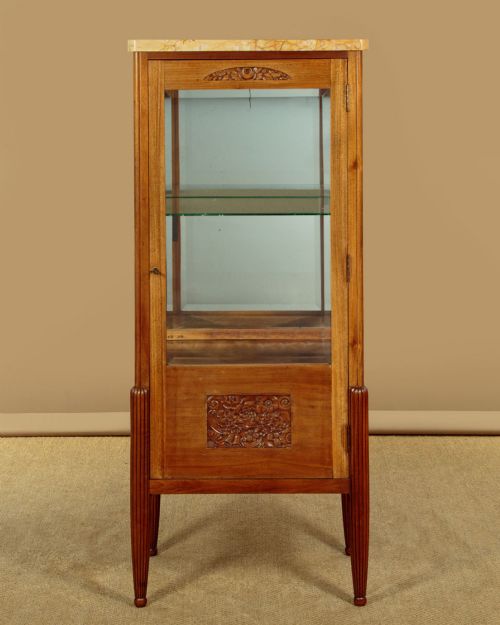
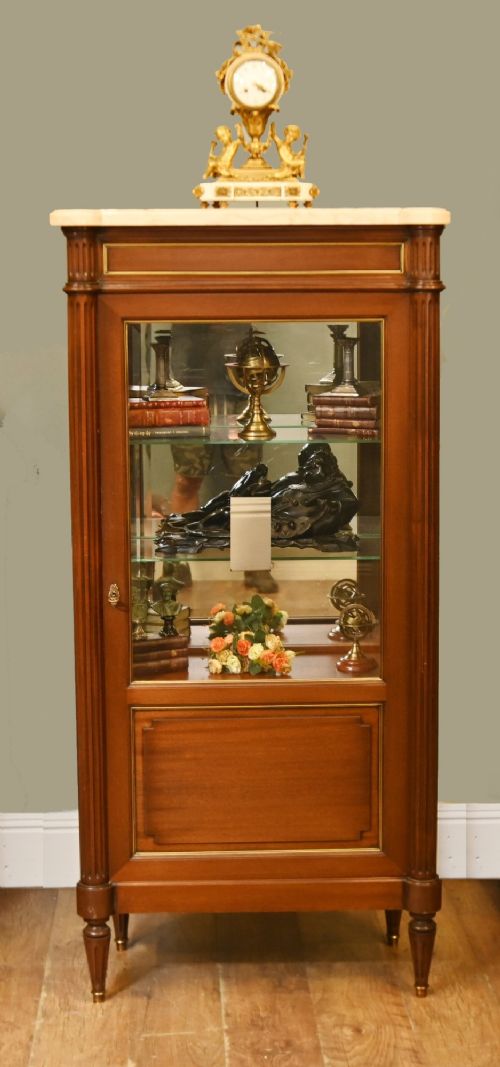
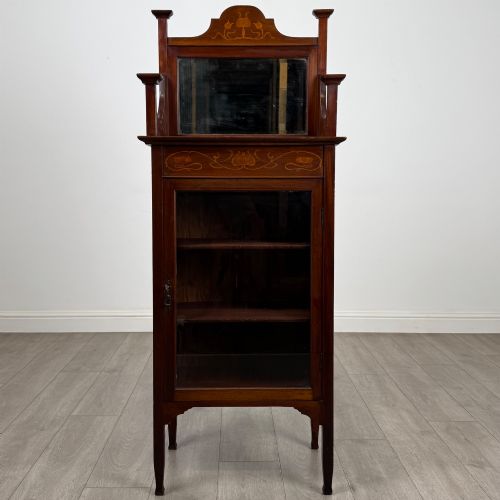
A glass top display stand serves to protect and showcase objects of curiosity, drawing the eye directly to the contents within. Buyers searching for a glass top display stand will encounter various forms, including countertop shelves, bijouterie cabinets, and glazed cupboards.
The selection spans multiple periods, featuring Victorian pine cabinets, Edwardian mahogany pieces, and 1920s examples. Forms range from corner cabinets and bookcases on stands to side tables and music cabinets.
Stylistic influences vary significantly across the inventory, incorporating Adam style, Dutch Baroque, Queen Anne style, Art Deco, and Chinoiserie. Mahogany, walnut, oak, and pine serve as the primary woods framing the glazed viewing areas.
How they were made
Makers utilised solid timbers such as mahogany, walnut, oak, pine, and brass to construct these display pieces. Glass forms the critical viewing surface, paired frequently with mirrored elements to enhance interior illumination.
Glass Top Display Stand Retail Price Guide 2026
Typical asking prices for glass top display stand among the pieces listed under this phrase on Sellingantiques today, from the lower quarter to the upper quarter. They describe what is for sale here now, not the wider market.
Jewellers once relied on these countertop shelves to tempt passing trade with sparkling wares.
What varies in quality
The refinement of the timber and the complexity of the inlay work dictate the standing of an individual piece. Superior examples exhibit deliberate choice in burr walnut or figured mahogany, matched with crisp marquetry.
Structural integrity and the quality of the glazing define the construction standard. Pieces featuring curved glass and well-integrated brass details demonstrate a higher tier of workshop execution.
The Glass Top Display Stand Glossary
- Bijouterie cabinet
- A glazed display table or cabinet designed specifically for small precious items and jewellery. These pieces typically feature glass tops to allow viewing from above.
- Marquetry
- Decorative veneer applied to furniture in geometrical patterns or pictorial designs. It appears on selected 18th-century cupboards and Edwardian cabinets.
- Bow top
- A curved upper section profile found on specific cabinets. This shape softens the linear geometry of the furniture.
- Corner cabinet
- A storage and display unit built with an angled footprint to fit room corners. These utilise otherwise empty architectural spaces effectively.
Glass Top Display Stand: Frequently Asked Questions
What fits inside a display stand?
These pieces suit small collections, pocket watches, medals, and decorative objects. The glass top keeps dust away while maintaining visibility.
Countertop versions and bijouterie cabinets offer accessible viewing surfaces for items handled frequently or examined closely.
How do I date a cabinet?
Dating relies on timber selection, construction methods, and stylistic cues such as Edwardian inlay or Art Deco geometry. Archive records and current listings show pieces spanning from the 18th century through the 1930s.
Secondary woods and hardware fastenings also provide evidence of the period of manufacture.
Where should I place one?
Corner cabinets utilise awkward angles in reception rooms, while countertop shelves sit well upon existing sideboards or desks. Freestanding stands require placement with adequate natural light to illuminate the glass top.
Matching the timber tone to surrounding furniture helps integrate the piece into a room.
Are all glass tops curved?
No, many surfaces consist of flat panes set within wooden or brass frames. Specific collectors cabinets utilise curved glass tops to provide an unobstructed panoramic view of the contents.
Flat glass dominates standard bookcase tops and countertop display shelves.