




Glass Top Collector Table
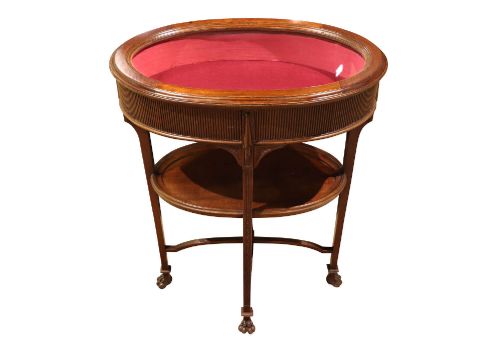
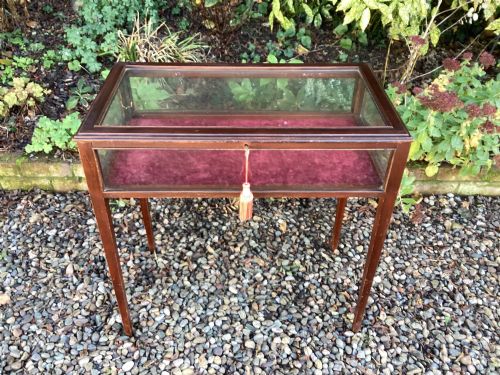
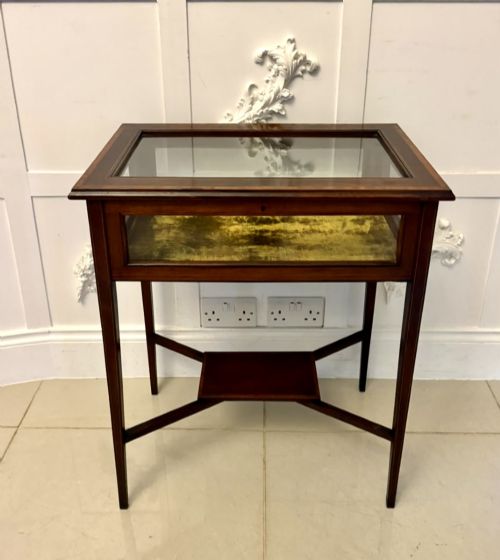
These pieces known as a glass top collector table bring your treasured objects into clear view while keeping them safe beneath glass.
Glass Top Collector Table
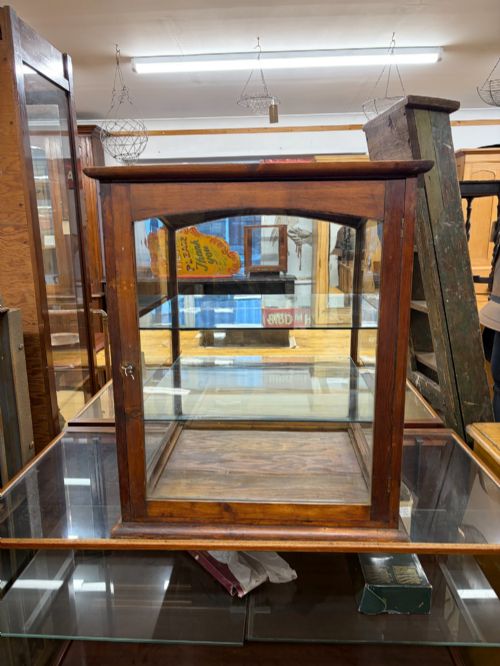
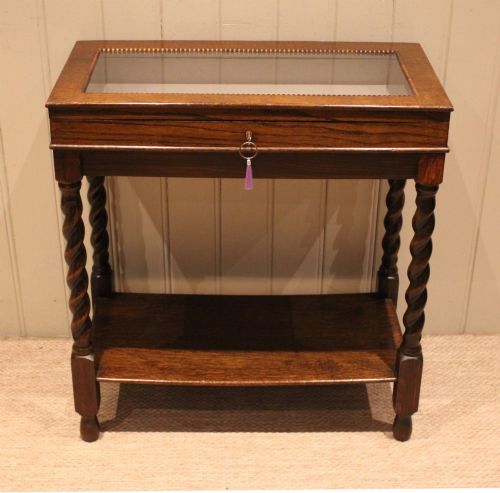
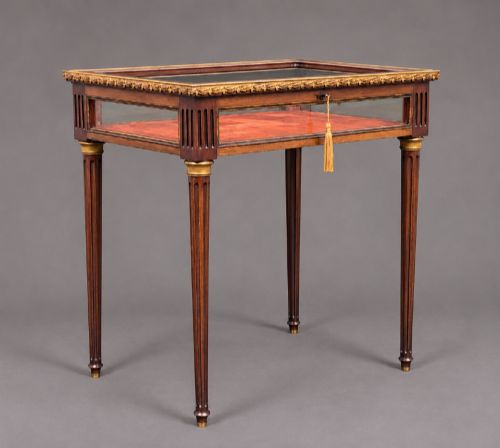
A glass top collector table serves as a specialised showcase for small ornaments, jewellery, and curiosities. When exploring this selection, you encounter pieces designed primarily to display items on a glazed surface while housing them securely underneath.
The objects on this page span several distinct periods including Victorian and Edwardian eras alongside early twentieth-century examples. Common forms include dedicated display tables, bijouterie tables, and tabletop cabinets.
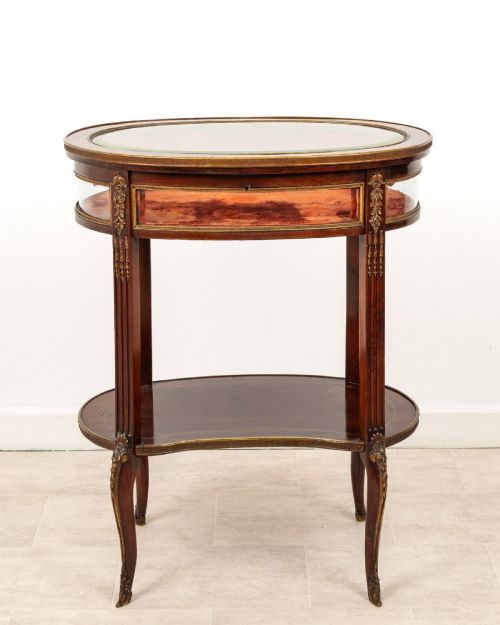
Stylistic influences range from French Louis XV and XVI styles to Victorian Rococo Revival and simpler Edwardian marquetry. Most variants present a glazed top framed in timber with fitted interior space for presentation.
How they were made
Cabinet makers constructed these tables using dense hardwoods such as mahogany, rosewood, kingwood, and satinwood, often applying intricate inlay or brass details. Many feature hinged or glazed lids designed to lift for placing items inside.
Ornamental metalwork plays a prominent role, with ormolu mounts and brass inlays frequently accentuating the timber frames. Interiors are typically lined with fabrics like felt to provide a soft resting surface for delicate possessions.
Glass Top Collector Table Retail Price Guide 2026
Typical asking prices for glass top collector table among the pieces listed under this phrase on Sellingantiques today, from the lower quarter to the upper quarter. They describe what is for sale here now, not the wider market.
Listings feature woods such as mahogany, rosewood, kingwood, and satinwood paired with brass and ormolu mounts across Victorian and Edwardian periods.
What varies in quality
The standard of timber selection and the precision of cabinet joinery largely dictate the grade of each piece. Finer examples display carefully matched veneers, delicate stringing, and well-fitted glass panes without distortion.
Decorative hardware creates another clear distinction between simpler items and high-end commissions. Finely chased ormolu mounts and robust locking mechanisms indicate superior craftsmanship and workshop attention to detail.
The Glass Top Collector Table Glossary
- Bijouterie table
- A specialised display table with a glass top designed for holding small valuable items and trinkets. These pieces often feature textile-lined interiors to cushion the objects on show.
- Ormolu
- Gilded bronze ornamentation applied to furniture frames to add decorative contrast. This technique became especially popular in French-inspired nineteenth-century revival pieces.
- Kingwood
- A dense, richly figured exotic timber used for decorative veneers in cabinet making. Its dark grain patterns add visual depth to tabletop surfaces.
- Satinwood
- A lustrous light-coloured hardwood utilised for contrasting inlay work and detailed borders. Cabinet makers prized it for its ability to catch the light.
- Marquetry
- The art of applying decorative pieces of veneer to a structure to form intricate patterns. This technique frequently appears on Edwardian display furniture.
Glass Top Collector Table: Frequently Asked Questions
What is a bijouterie table?
A bijouterie table is a low display case designed specifically for showing small collectables, medals, or jewellery under glass. The top opens or lifts to allow access to the lined interior compartment.
Such tables became popular during the Victorian and Edwardian periods as drawing room furniture meant for entertaining and showing off personal treasures.
How were these tables used?
Owners placed them in reception rooms and parlours to exhibit family heirlooms, imported curios, and fine ornaments. Guests could inspect the contents closely without handling delicate items.
The glass top protected dust-sensitive pieces while keeping them visible as part of the room's decorative scheme.
How do I care for the glass?
Clean the glass top gently using a soft cloth and mild glass cleaner, taking care not to let moisture seep into the wooden frame or mounts. Avoid harsh chemicals that might damage antique timber finishes or gilded metal.
Check the hinges and latches periodically to ensure the lid operates smoothly without putting undue pressure on the glass panes.
How do I identify an Edwardian table?
Edwardian examples often feature lighter timbers like satinwood inlay, simpler lines, and refined neoclassical influences compared to heavier Victorian designs. Mahogany remains the most common primary wood for this era.
Examine the construction methods and interior linings for period characteristics, noting that many date from around nineteen hundred to nineteen twenty.