



Glass Top Cabinet
Glass top cabinet designs range from delicate bijouterie tables to grand vitrines, offering clear display surfaces to showcase precious items.
Glass Top Cabinet
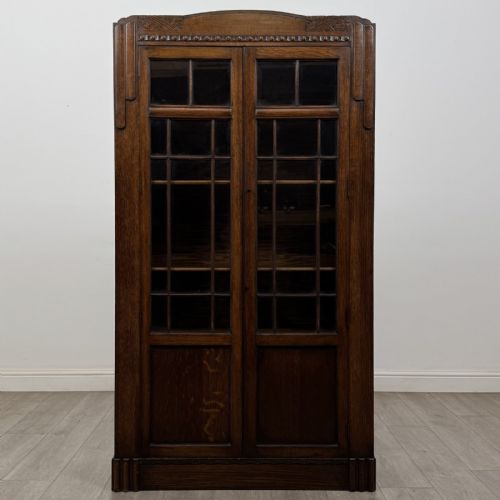
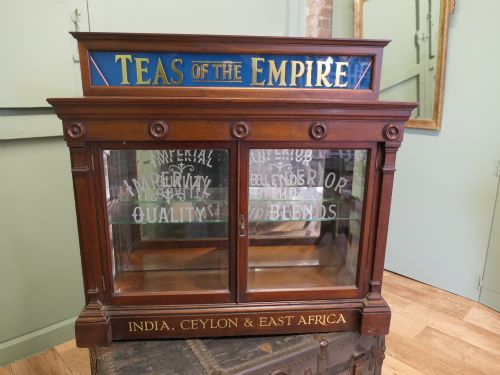
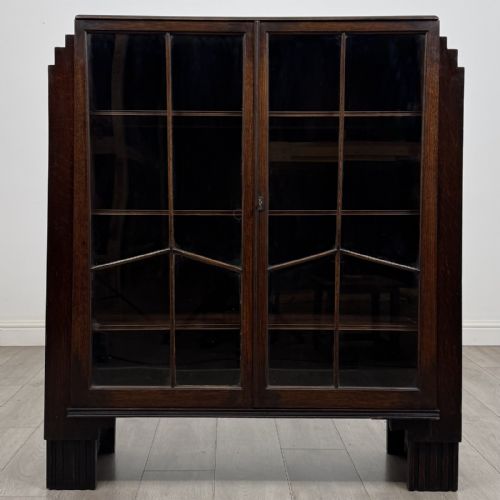
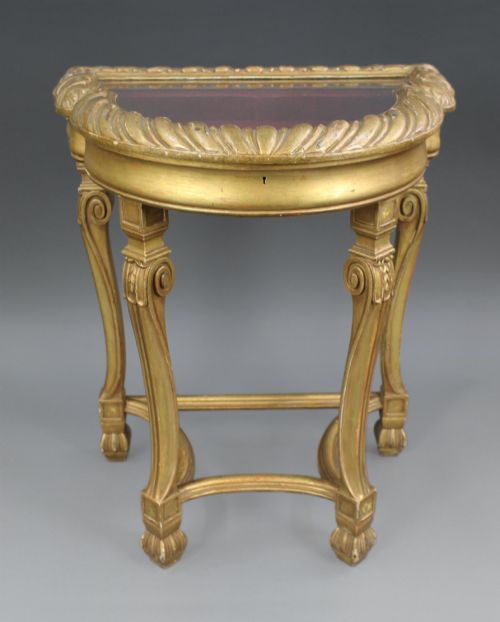
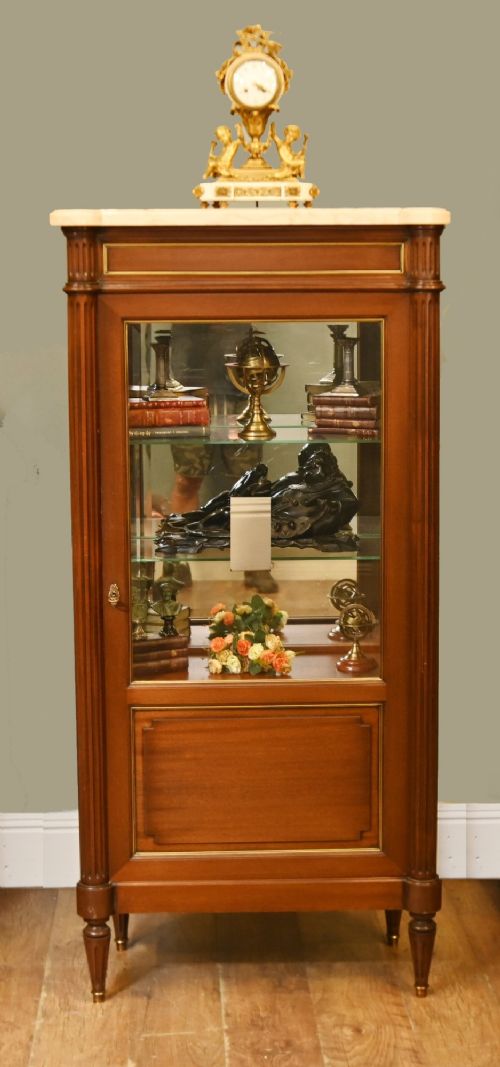
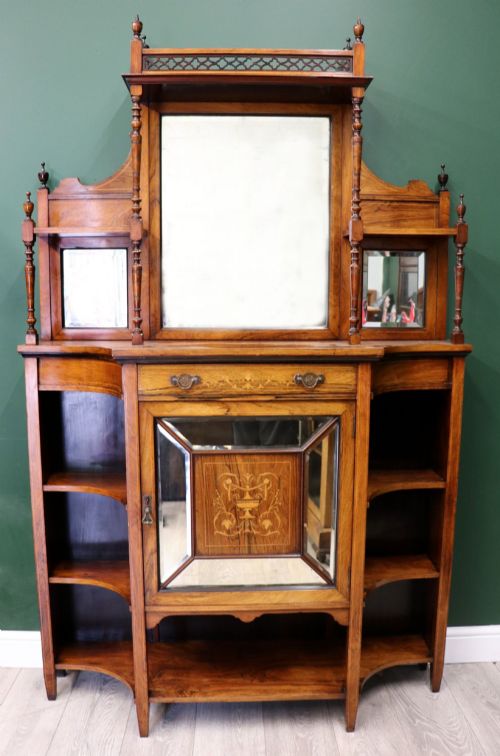
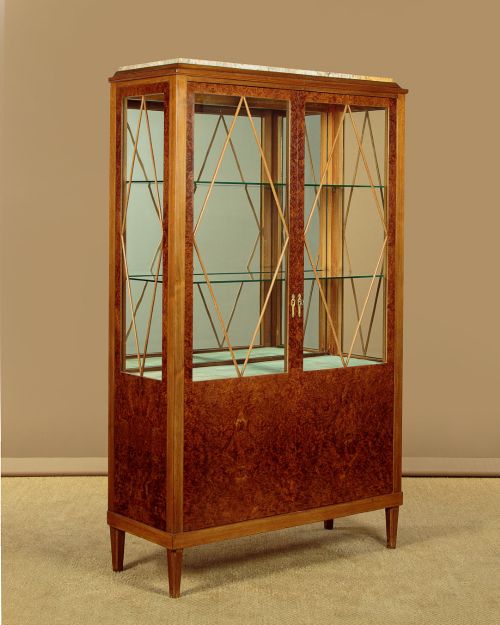
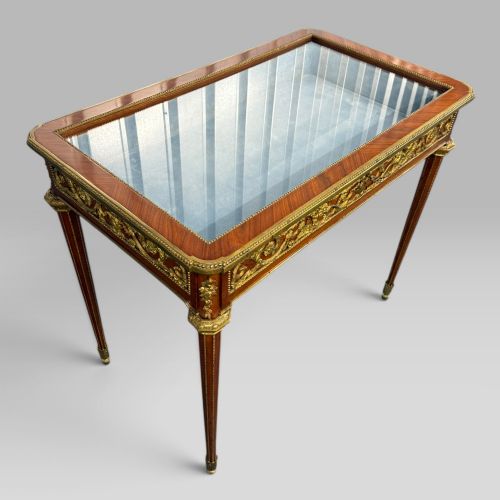
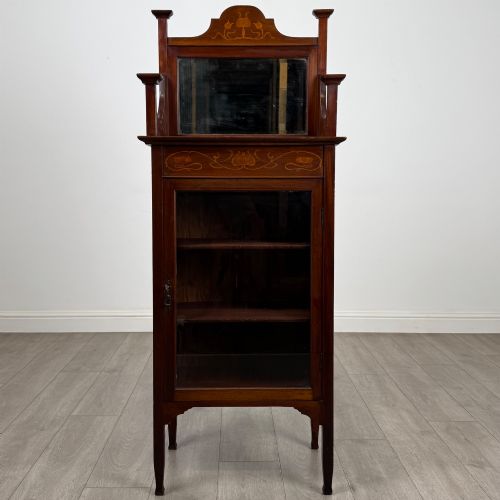
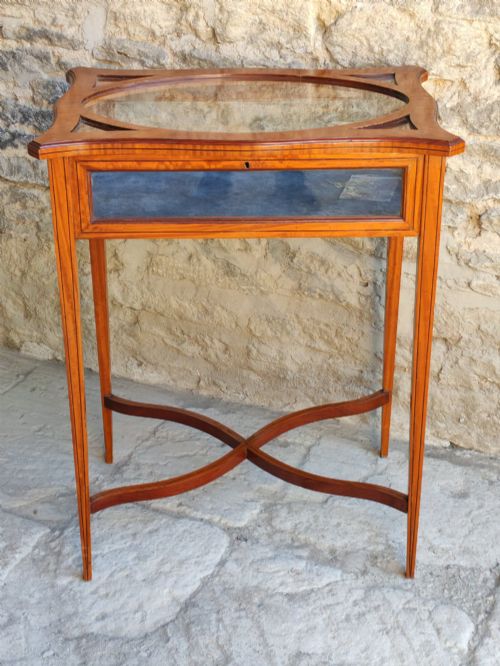
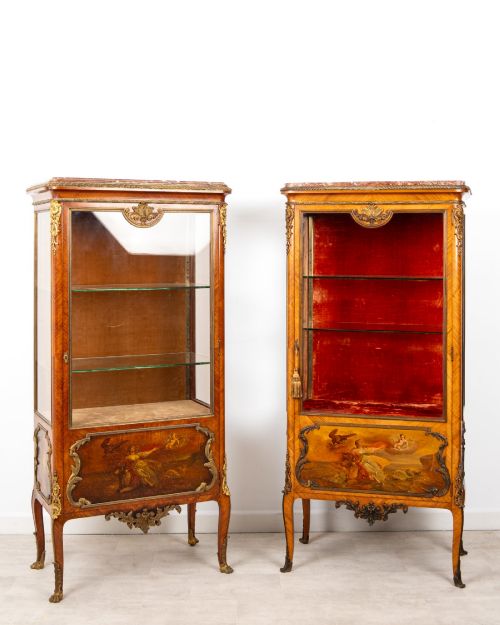
A glass top cabinet brings together display furniture designed to exhibit small treasures, books, and curiosities under transparent panels or within glazed frames. When searching for a glass top cabinet, buyers encounter distinct forms ranging from French vitrines and bijouterie tables to shop display counters and credenzas.
The pieces appearing on this page span the Victorian, Edwardian, and Art Deco periods, alongside nineteenth-century French revival designs. These objects serve to protect prized possessions while keeping them visible from above or through glass doors.
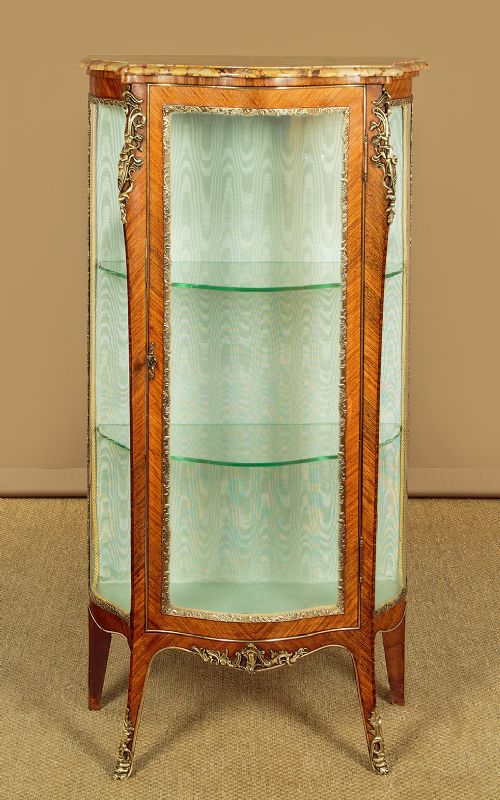
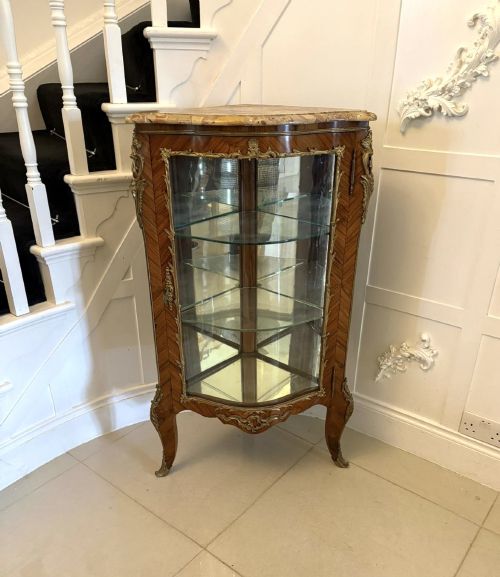
Origin and form dictate the primary function of each piece, whether it is a kidney-shaped Edwardian table intended for jewellery or a towering kingwood cabinet with marble surfaces.
Materials and construction
Cabinet makers utilised dense hardwoods such as mahogany, walnut, kingwood, and satinwood, often applying intricate brass inlays or parquetry to the exterior surfaces. Structural stability relied on traditional joinery, while decorative appeal was enhanced through painted Vernis Martin panels and polished marble slabs.
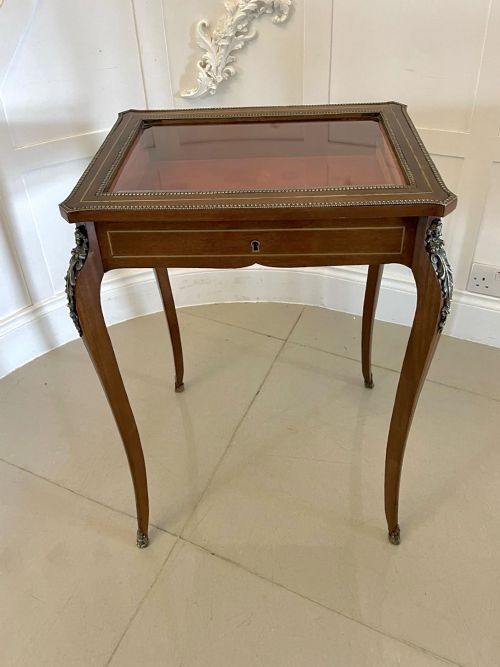
Ormolu mounts cast in bronze provide ornate borders and corner embellishments on French vitrines and bijouterie tables. Glazed panels and glass tops require precise framing to secure the transparent sections without compromising the wooden structure.
Glass Top Cabinet Retail Price Guide 2026
Typical asking prices for glass top cabinet among the pieces listed under this phrase on Sellingantiques today, from the lower quarter to the upper quarter. They describe what is for sale here now, not the wider market.
Soap mechanical dispensing cabinets make unexpected appearances among the traditional display furniture.
Distinctions in craftsmanship
Quality reveals itself through the crispness of the cast ormolu mounts, the precision of the brass inlay, and the depth of figure in woods like kingwood and walnut. Pieces associated with notable makers demonstrate superior hand-finishing on both visible surfaces and concealed framing elements.
The selection of marble for the tops and the execution of painted Vernis Martin decoration separate standard production items from exceptional workshop examples. Proportion and the integration of glazed areas also govern the overall refinement of the piece.
François Linke
The Glass Top Cabinet Glossary
- Bijouterie table
- A low display table with a glass top and glazed sides, built specifically for exhibiting jewellery and small ornaments. These pieces typically feature hinged lids lined with velvet.
- Vitrine
- An enclosed glass display cabinet designed to showcase porcelain and decorative objects. Nineteenth-century examples often incorporate serpentine fronts and gilt bronze mounts.
- Ormolu
- Gilded bronze used for decorative mounts and furniture trim. This material adds metallic lustre and sculptural detail to the corners and frames of cabinets.
- Parquetry
- Geometric wood inlay patterns forming decorative surfaces on tabletops and cabinet doors. Makers arranged contrasting timbers to create visual depth.
Glass Top Cabinet: Frequently Asked Questions
What is a glass top cabinet used for?
These pieces serve to display and protect small collectibles, jewellery, and fine tableware while keeping dust away from delicate items.
The transparent top or glazed doors allow viewers to examine objects from multiple angles without handling them directly.
How do I identify an Edwardian glass top cabinet?
Edwardian examples frequently feature lighter timbers like satinwood and mahogany, often enhanced with delicate stringing and inlaid motifs.
Cabinet forms from this era tend to be refined and slender, reflecting the interior styles popular around the turn of the twentieth century.
Where were these cabinets placed in a home?
Bijouterie tables and smaller vitrines were typically positioned in drawing rooms or reception spaces where guests could inspect displayed curiosities.
Larger bookcases and credenzas stood against walls in libraries or dining rooms to hold heavier collections behind glass.