


Glass Standing Frame
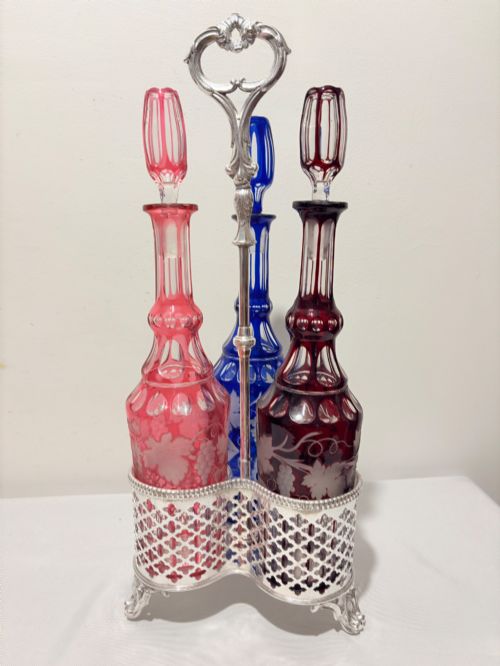
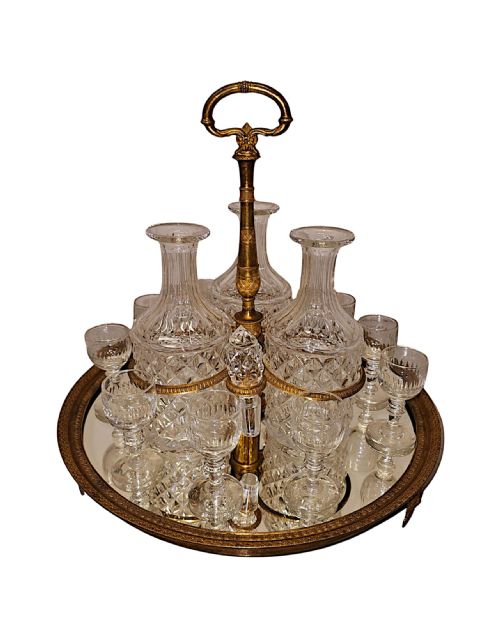
These pieces known as glass standing frame objects unite functional display with period metalwork and glass.
Glass Standing Frame
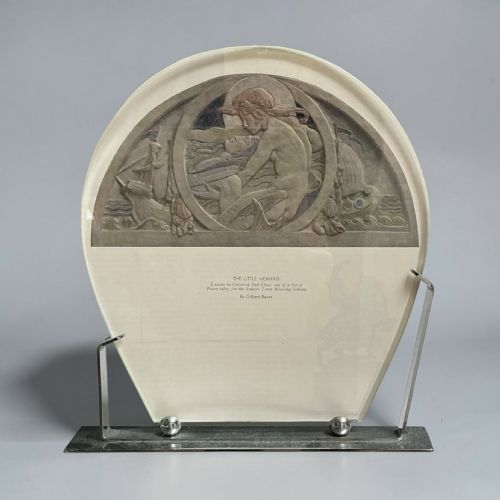
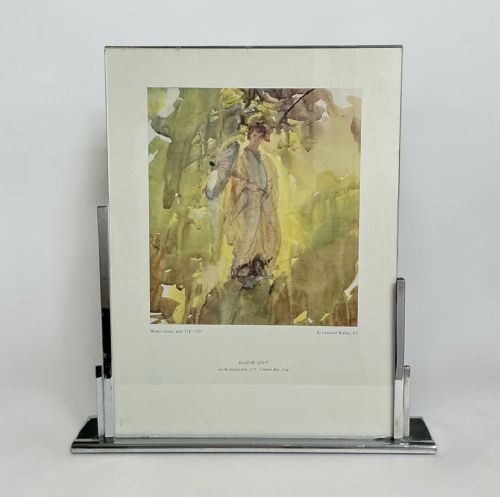
When buyers search for a glass standing frame, they look for desk or table accessories designed to hold items upright using glass and metal components. The archive shows earlier examples in chrome and glass from the Art Deco period.
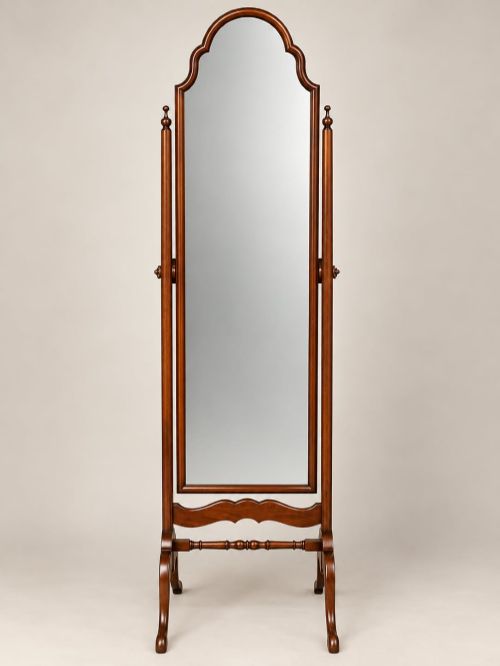
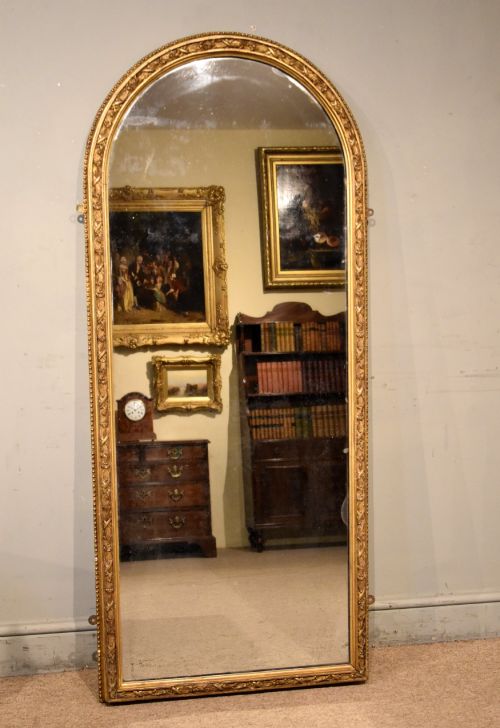
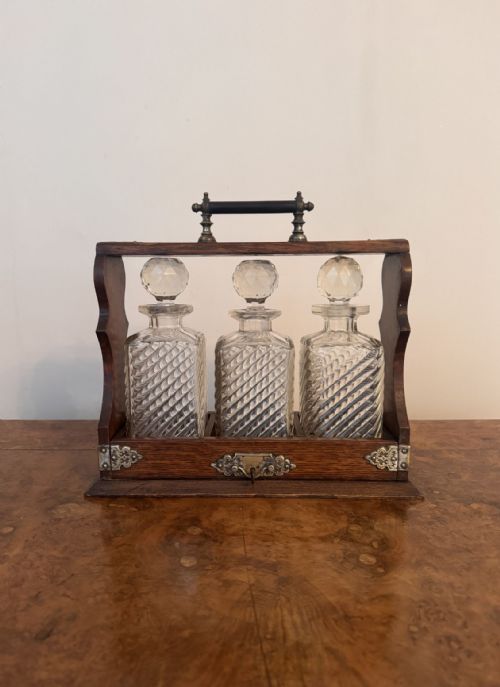
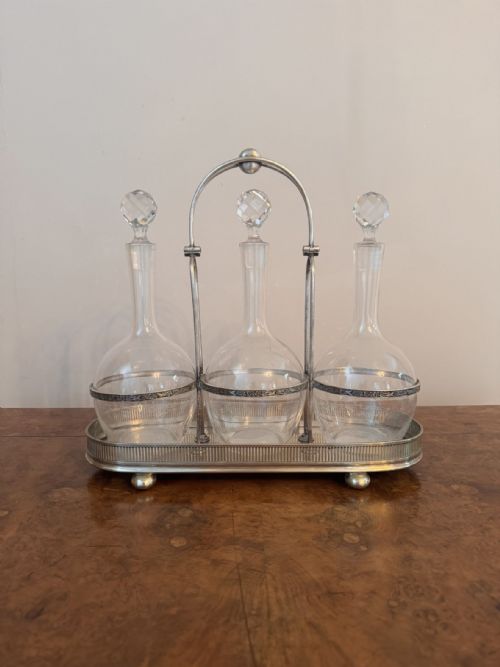
The current selection reveals how diverse these framed or supported objects can be, drawing on periods spanning the nineteenth and twentieth centuries. Buyers encounter items ranging from simple picture frames to complex stands holding bottles or mirrors.
Materials and construction methods
Maker workshops combined transparent glass with metals such as silver plate, brass, and chrome to create sturdy upright structures. Wood frames in oak and mahogany also support glass elements across various nineteenth and twentieth-century pieces.
Techniques relied on precise cutting for glass panes and bottles, alongside silver plating or casting for metal stands. Joinery in wood incorporates carved details and gilt finishes depending on the specific period style.
Glass Standing Frame Retail Price Guide 2026
Typical asking prices for glass standing frame among the pieces listed under this phrase on Sellingantiques today, from the lower quarter to the upper quarter. They describe what is for sale here now, not the wider market.
Current listings incorporate items from the Georgian, Victorian, Edwardian, and Art Deco periods, utilising cut glass, silver plate, oak, and mahogany.
Quality variations
Quality depends upon the weight of the metal components and the clarity of the glass used in the construction. Heavier silver plating and solid timber framing indicate higher workshop standards.
The precision of assembly separates standard items from exceptional pieces. Intricate casting, intact original fittings, and well-preserved glass surfaces distinguish the finer examples in this category.
Walker & Hall·Betjemann·Mappin Brothers·Charles Thomas Fox·Elkington & Co·Hester Bateman
The Glass Standing Frame Glossary
- Silver Plate
- A thin layer of silver applied to a base metal such as copper or brass. This technique allowed makers to achieve the appearance of solid silver at a lower cost.
- Cut Glass
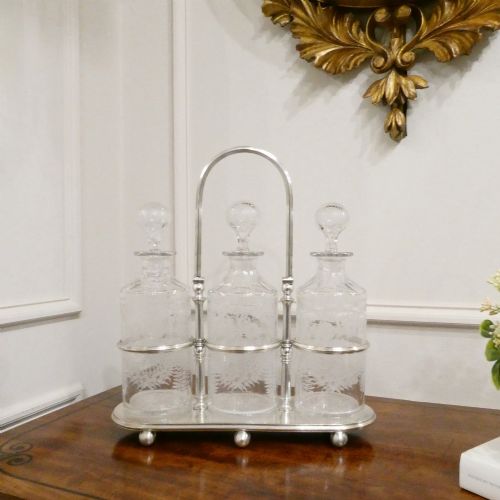
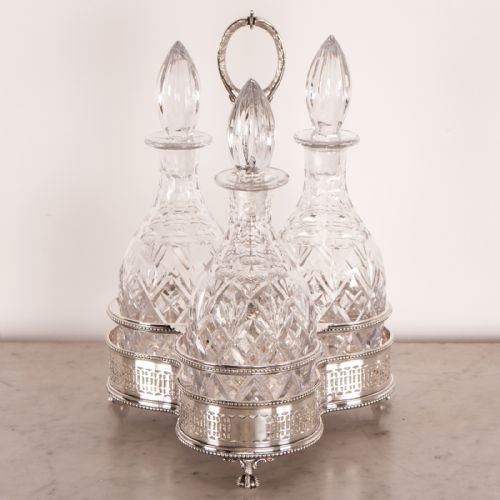
- Glass shaped and patterned by cutting facets into the surface using a wheel. It reflects light brightly and appears frequently on decanter stands and cruets.
- Tantalus
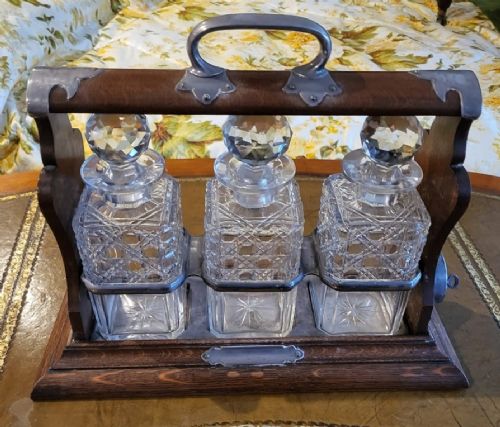
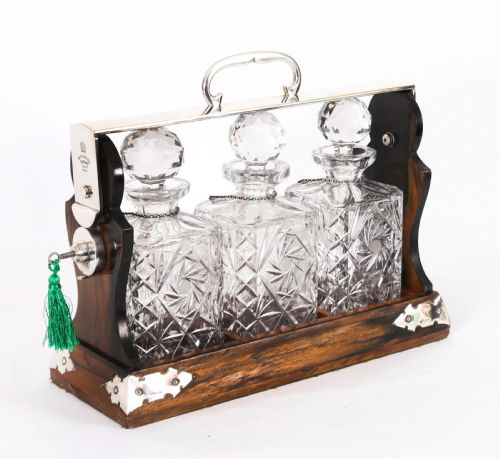
- A locking wooden or metal stand that secures decanters to prevent unauthorized access to the contents. They typically feature glass bottles fitted into a framed base.
- Cruet Set
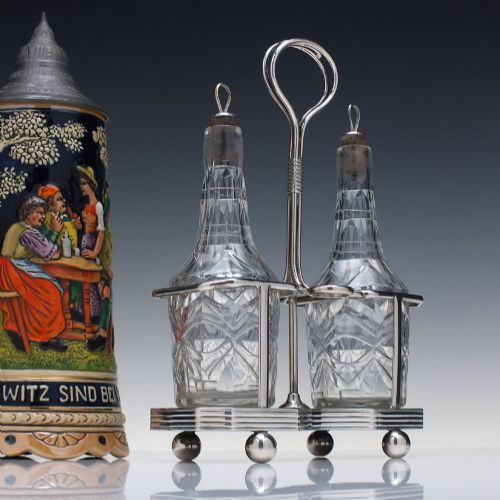
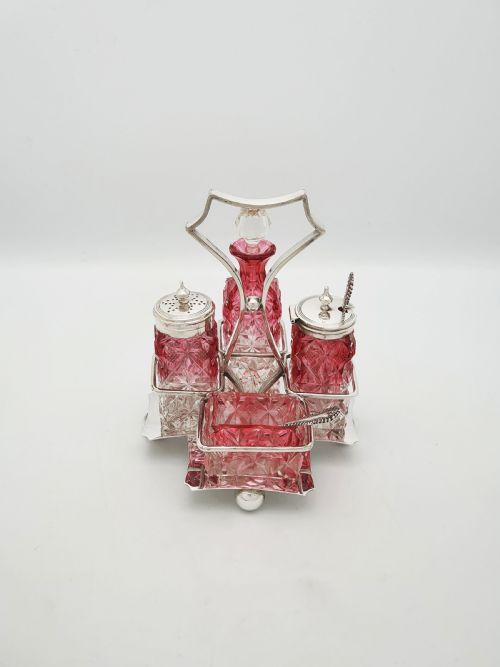
- A matched set of glass bottles or cruets held within a metal stand for oils, vinegar, and condiments. These stands often incorporate a central carrying handle.
Glass Standing Frame: Frequently Asked Questions
What periods do these pieces date from?
The available selection spans from the Georgian era through Victorian and Edwardian times into the Art Deco period of the twentieth century.
Items reflect the design preferences of their respective decades, utilising materials typical of each nineteenth and twentieth-century movement.
How were glass standing frames used?
They functioned primarily as desktop or tabletop accessories to display photographs, hold condiments, or secure beverages.
Many designs served domestic or social purposes in dining rooms and studies during the nineteenth and twentieth centuries.
What materials predominate in these items?
Glass and silver plate appear most frequently alongside various woods such as oak and mahogany.
Chrome and brass also feature in pieces from later twentieth-century periods like Art Deco.
How do I care for antique glass and metal?
Clean glass surfaces gently with mild soap and water while avoiding abrasive cloths on silver plated or metal parts.
Store pieces in stable environments away from excessive moisture to preserve both the glass clarity and the metal finishes.