

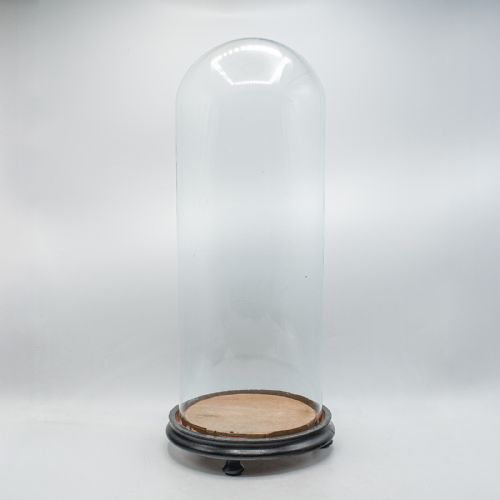


Glass Showcase Clock
These glass showcase clock coverings and display domes protect treasured timepieces and specimens behind clear glass.
Glass Showcase Clock
When you search for glass showcase clock options, you find protective glass domes and cloches designed to cover delicate clocks and taxidermy specimens. These pieces originate predominantly from the Victorian and Edwardian eras.
Victorian examples account for the majority of the items, accompanied by Edwardian pieces from the early twentieth century. These protective glass covers serve both a practical preservation purpose and a decorative domestic function.
How they were made
Makers formed the transparent covers from blown glass, shaping them into tall, wide, or ovoid domes to accommodate varying clock heights and taxidermy specimens. These glass covers sit upon targeted wooden bases.
Bases utilise timber and pine, often finished with ebonised wood treatments to provide a dark contrast against the clear glass. Interiors frequently feature fabric, velvet, or felt linings to cushion the displayed items.
Glass Showcase Clock Retail Price Guide 2026
Typical asking prices for glass showcase clock among the pieces listed under this phrase on Sellingantiques today, from the lower quarter to the upper quarter. They describe what is for sale here now, not the wider market.
Listings span the Victorian and Edwardian periods, featuring glass, ebonised wood, pine, velvet, and felt materials.
What varies in quality
The clarity and thickness of the blown glass separate standard examples from finer specimens. Early glass displays often exhibit subtle ripples and bubbles from period manufacturing methods.
Base construction quality hinges on the selection of timber, such as pine or ebonised wood, and the preservation of original interior fabrics like velvet and felt. Well-matched bases and domes maintain a tight fit that protects the contents.
The Glass Showcase Clock Glossary
- Dome
- A rounded glass cover designed to protect clocks and specimens. These clear glass vessels sit atop fitted wooden bases.
- Cloche
- A bell-shaped glass cover used historically for protecting delicate objects. The term shares common usage with display domes.
- Ebonised wood
- Timber treated to imitate ebony, producing a dark, uniform finish. This material frequently forms the base for Victorian glass domes.
- Ovoid
- Egg-shaped in profile, describing the curved silhouette of specific glass domes. This form provides additional vertical clearance for tall clock movements.
- Taxidermy showcase
- A glass dome arrangement originally utilised for displaying preserved birds, animals, or biological specimens. These enclosures frequently share dimensions with clock domes.
Glass Showcase Clock: Frequently Asked Questions
What fits under a glass dome?
These glass covers accommodate carriage clocks, mantel clocks, and delicate taxidermy specimens. The internal height and width determine which timepieces fit comfortably beneath the glass.
Buyers often match the dimensions of their clock or specimen to tall, wide, or ovoid dome variants. Proper clearance ensures the glass does not touch the delicate hands or case of the clock.
How do I date a glass dome?
Dating relies on the manufacturing characteristics of the glass and the materials used in the base. Victorian examples often display heavier glass and specific timber treatments.
Edwardian pieces from the early twentieth century display similar craftsmanship with subtle variations in proportion. Comparing the base timber and fabric linings helps determine the production period.
Are wooden bases original?
Many bases retain their original timber, pine, or ebonised wood construction from the Victorian or Edwardian periods. Original interior linings like velvet and felt provide further contextual clues.
Inspecting the fit between the glass dome and the wooden groove indicates whether the components belong together. Period bases show appropriate wear consistent with age and use.
How do I clean a glass dome?
Cleaning requires careful handling of the delicate blown glass to avoid accidental chipping or breakage. Gentle glass cleaner applied with a soft cloth removes dust without damaging the surface.
Wooden bases and fabric linings need dry dusting rather than moisture to preserve the original timber finishes and antique velvet or felt materials.