

Glass Prism Lighting
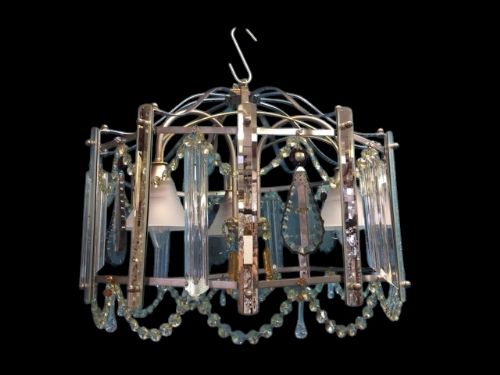
Glass prism lighting brings sparkle to a room through hanging crystal and glass drops that catch and scatter the light.
Glass Prism Lighting
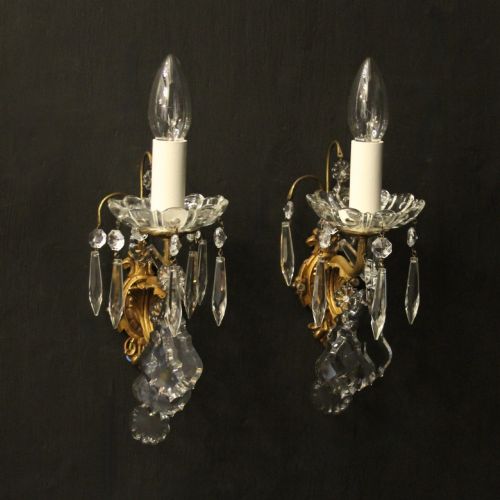
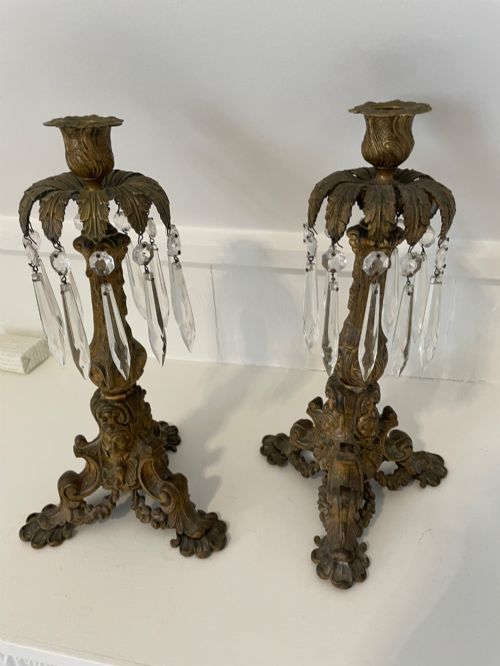
Glass prism lighting encompasses a range of hanging and tabletop fixtures designed to refract illumination through suspended glass elements. When exploring glass prism lighting, buyers encounter formats spanning multiple centuries, from Victorian mantel lustres to large Edwardian and Art Deco chandeliers.
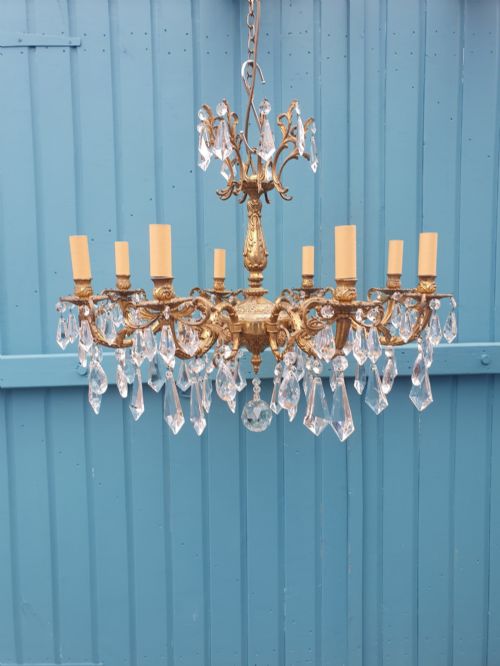
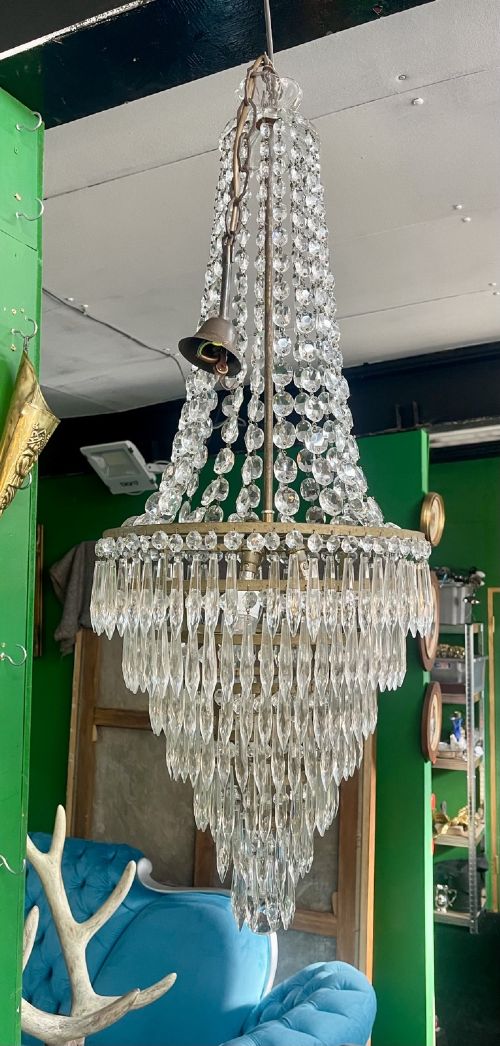
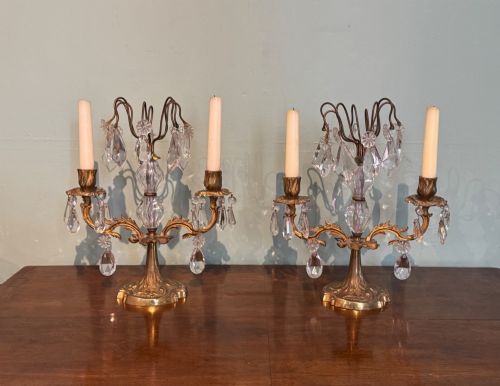
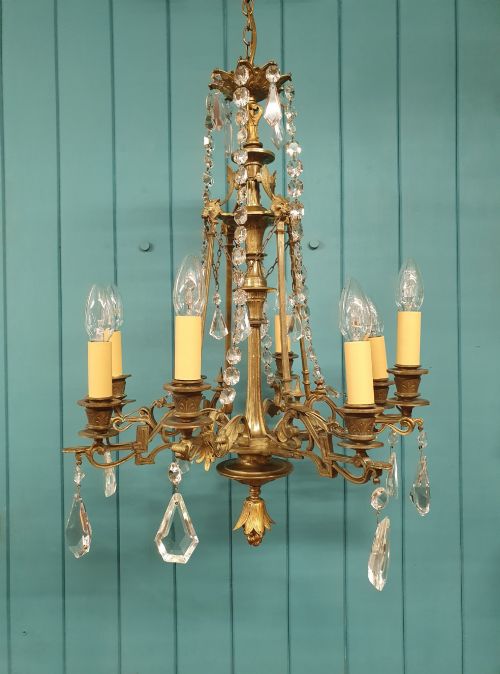
The selection includes French Empire style chandeliers, tent and waterfall configurations, and pairs of coloured glass table ornaments. These pieces originate across the nineteenth and early twentieth centuries, reflecting diverse European craftsmanship in brass, bronze, and glass.
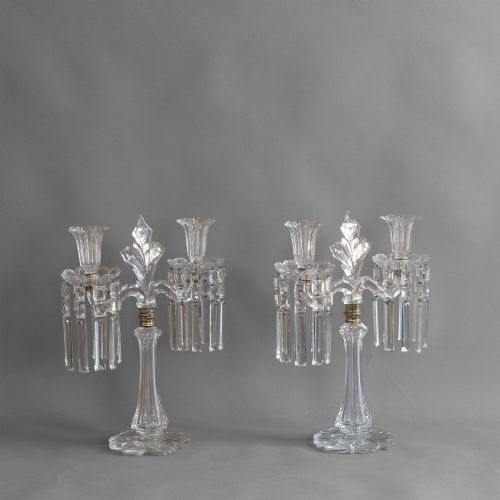
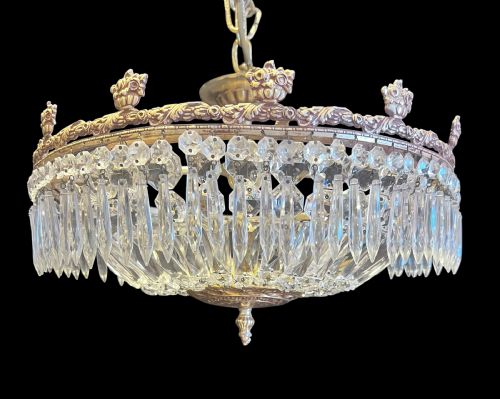
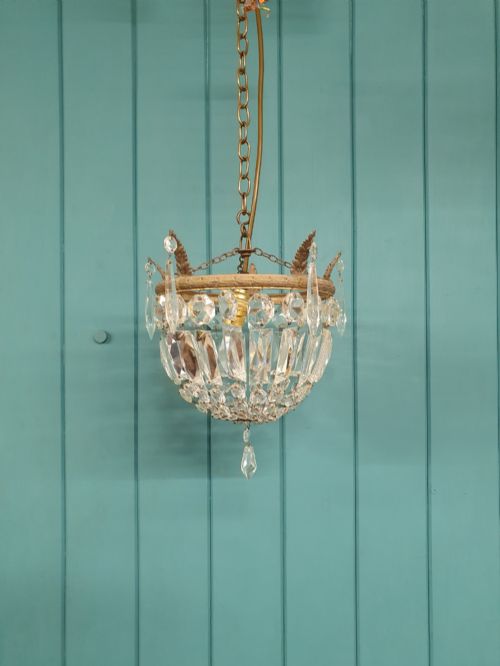
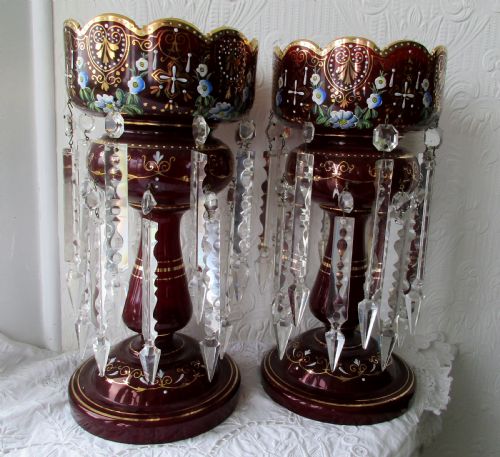
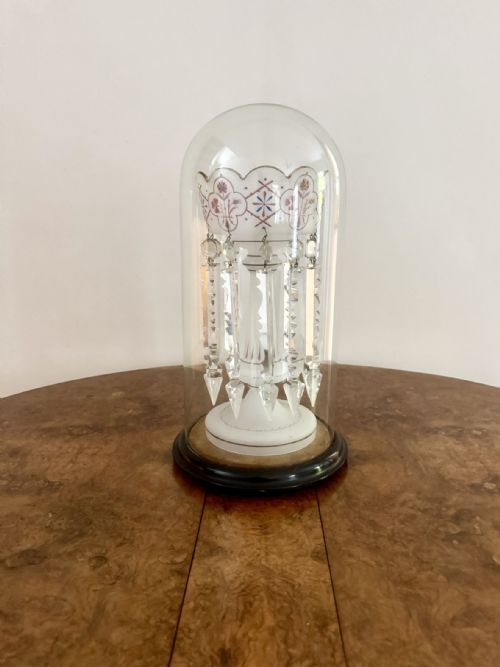
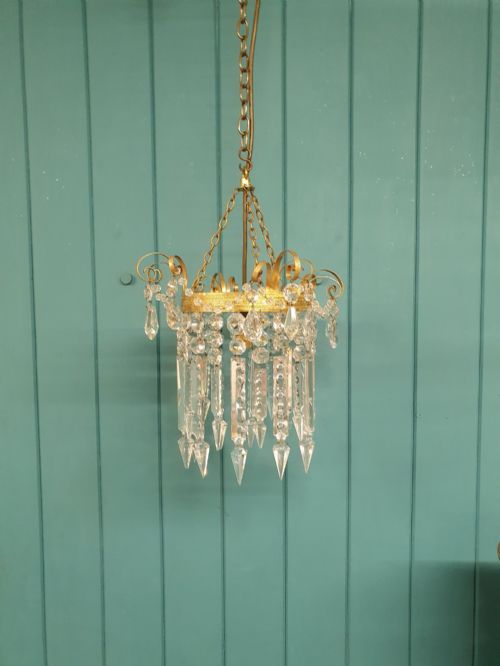
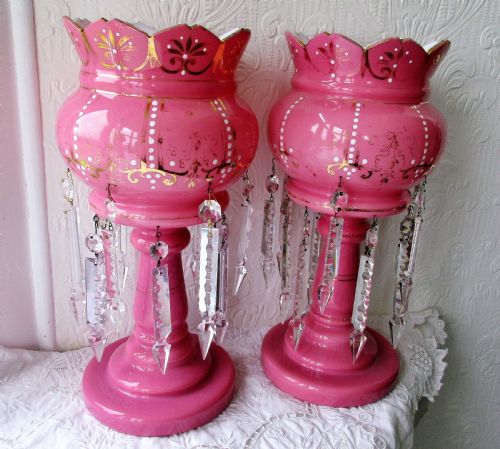
Tabletop versions typically appear as pairs of mantle lustres set with long spear or spearhead pendants. Hanging variants range from compact bag chandeliers to multi-tiered fixtures with lion masks or brass frames.
Materials and Construction
Metalwork frames form the structural backbone of these fixtures, utilising cast brass, gilt bronze, or ormolu shaped into arms, rings, and backplates. Gilt brass and bronze frequently receive chased detailing or applied gold leaf to enhance their decorative impact.
Pendants and drops are fashioned from clear cut crystal or coloured glass, including ruby, pink, yellow, and opaline variations. These prisms attach to the main body via wire loops or metal pins, allowing each drop to move freely and catch ambient illumination.
Glass Prism Lighting Retail Price Guide 2026
Typical asking prices for glass prism lighting among the pieces listed under this phrase on Sellingantiques today, from the lower quarter to the upper quarter. They describe what is for sale here now, not the wider market.
Listings feature periods spanning from the Regency era through the Victorian, Edwardian, and Art Deco epochs.
Factors of Distinction
Quality rests in the crispness of the glass cutting and the weight of the metal frame. Superior pieces utilise heavy brass or bronze structures paired with hand-cut crystal drops that retain sharp facets.
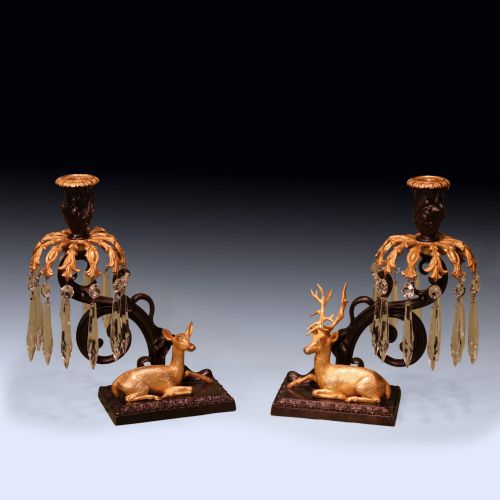
The integration of decorative metal casting, such as lion masks or detailed stag figures, separates standard examples from superior artistic works. Complete sets of matching prisms without replacements indicate a higher degree of preservation.
The Glass Prism Lighting Glossary
- Prism
- A cut glass or crystal pendant hung from a lighting fixture to refract light. They appear in various shapes including coffin, spear, and spike forms.
- Lustre
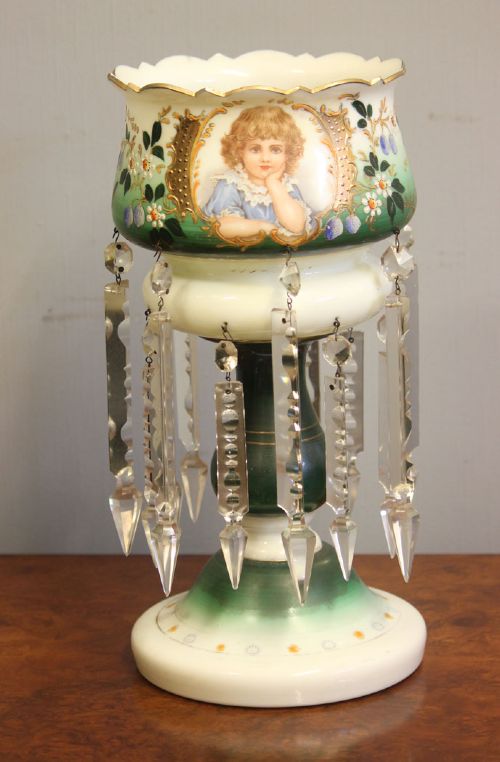
- A decorative tabletop ornament featuring hanging glass prisms, often functioning as a candlestick or vase. Victorian examples frequently utilise flash glass in ruby or pink tones.
- Chandelier
- A branched ceiling-mounted lighting fixture designed to hold multiple lamps or candles. These pieces often incorporate glass beads, swags, and waterfall drops.
- Plafoniere
- A ceiling light fixture mounted flush or close to the surface. These items utilise brass frames set with glass or crystal elements.
- Ormolu
- Gilded bronze used for decorative mounts and decorative fittings on nineteenth-century fixtures. The technique applies a gold-mercury amalgam or gold leaf to a bronze base.
Glass Prism Lighting: Frequently Asked Questions
What are glass prism lustres?
Glass prism lustres are decorative tabletop ornaments fitted with hanging glass drops designed to catch and refract light. They often incorporate candle sockets or act as decorative mantel pieces.
Originating largely in the nineteenth century, these objects appear in ruby, pink, yellow, and opaline glass varieties.
How do you clean glass prism lighting?
Cleaning involves removing the glass drops individually and washing them in warm soapy water before drying with a soft cloth. The metal frame can be dusted gently with a dry brush to preserve its finish.
Harsh chemical cleaners should be avoided on gilt brass and ormolu surfaces to prevent damage to the metallic layers.
Where should you hang a prism chandelier?
Prism chandeliers suit dining rooms, entryways, and living spaces where their hanging crystals can distribute light effectively. Lower ceilings accommodate compact bag chandeliers or spike configurations.
Placing these fixtures away from heavy foot traffic protects the hanging glass drops from accidental bumps.
How do you date antique prism lighting?
Dating relies on examining the construction methods of the brass frame, the cut of the glass prisms, and the overall style aesthetic. Victorian pieces often feature heavy coloured glass bodies, while Edwardian and Art Deco examples showcase lighter brass frames and geometric prism arrangements.
Comparing mounting hardware and pin attachments provides further clues regarding the manufacturing era.