

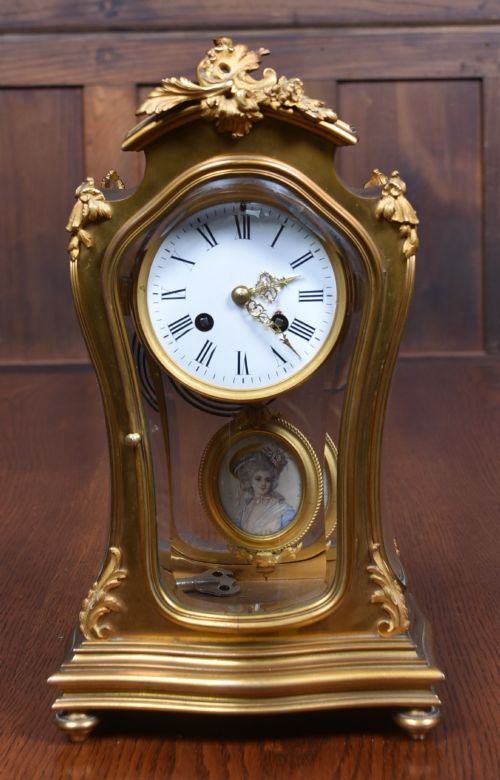


Glass Portrait Miniature
Glass portrait miniature works are delicate likenesses captured behind protective panes, offering an intimate glimpse into past lives through skilled hand painting and silhouette work.
Glass Portrait Miniature
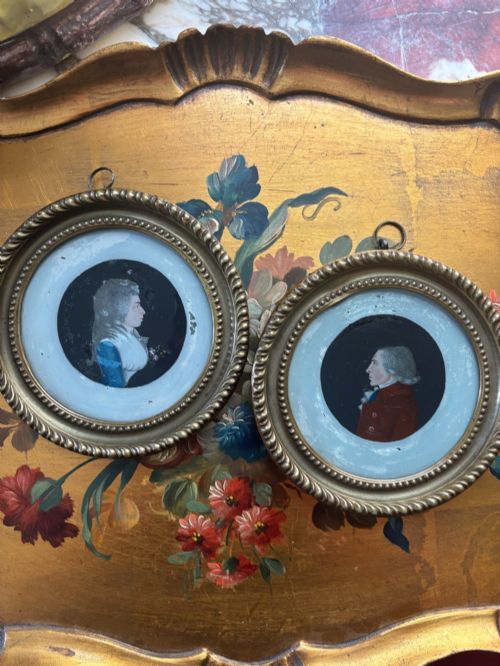
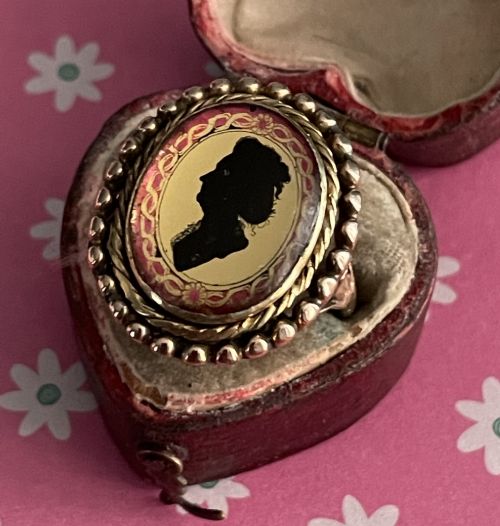
A glass portrait miniature brings together historic likenesses and specialist framing, often taking the form of framed pictures, rings, and mantel clocks. These pieces capture sitters from the Georgian, Regency, and Victorian eras through careful hand painting and silhouette techniques.
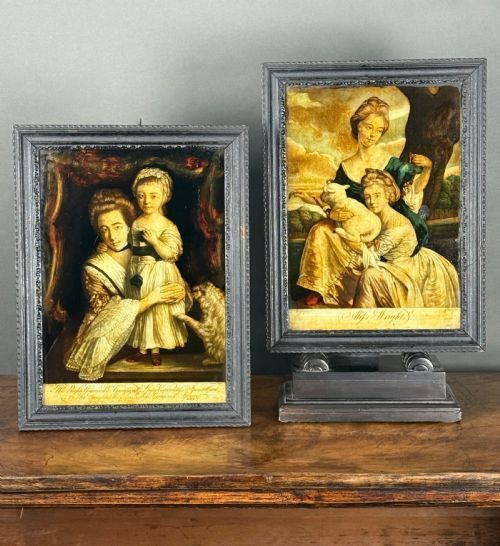
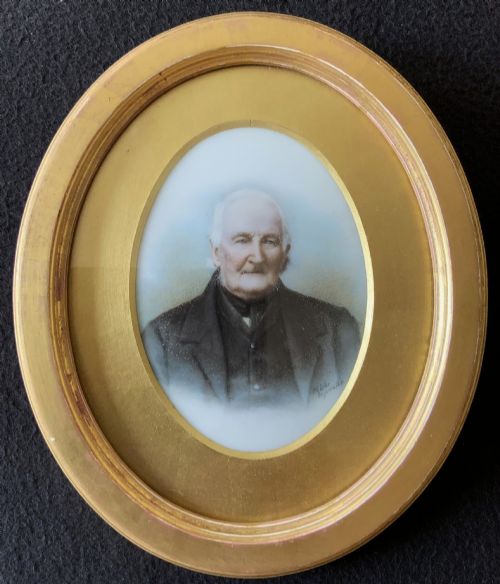
The versions most commonly met on this page include silhouette portraits painted on glass, reverse glass mezzotints, and watercolour paintings on glass. They frequently arrive in ebonised wood or pear wood oval frames, occasionally featuring brass mounts and gold leaf accents.
How they were made
Maker techniques rely heavily on paint applied directly to glass surfaces, including reverse painting where details must be rendered from front to back. Watercolour on glass and pressed white glass paste, such as Tassie type cameos, form distinct construction methods seen across the periods.
Framing materials complete the construction, pairing fragile glass panels with ebonised wood, pear wood, and brass surrounds. Gold leaf elements often highlight the borders and add depth to the miniature portraits.
Glass Portrait Miniature Retail Price Guide 2026
Typical asking prices for glass portrait miniature among the pieces listed under this phrase on Sellingantiques today, from the lower quarter to the upper quarter. They describe what is for sale here now, not the wider market.
Periods represented include the 18th Century, Georgian, Regency, 1800, and 19th Century.
What varies in quality
Quality rests upon the precision of the brushwork and the clarity of the painted silhouette or watercolour. Finer examples capture facial expressions and period dress with exceptional sharpness.
The housing and framing dictate the overall character, where well-preserved ebonised wood and original brass fittings elevate the piece. The skill involved in reverse painting or delicate watercolour application marks the distinction between standard items and superior works.
John Miers·John Barry·Rodier
The Glass Portrait Miniature Glossary
- Verre eglomise
- A cold decoration technique involving gilding on glass with gold leaf, often seen framing delicate silhouettes. This method creates a reflective border around the miniature.
- Reverse glass mezzotint
- A printmaking method applied behind glass to achieve tonal depth and rich shadows. These pieces present detailed monochrome imagery beneath a protective glaze.
- Silhouette
- A solid black or coloured profile likeness of a person, typically painted on glass during the Georgian and Regency periods. These profiles capture sitters in sharp outline.
- Tassie type cameo
- A moulded glass paste relief imitating carved stone, often framed as a miniature portrait. James Tassie popularised these crisp white glass reproductions.
- Ebonised wood
- Timber treated to resemble expensive ebony, commonly used for dark oval frames housing portrait miniatures. This dark finish enhances the contrast of the glass panel within.
Glass Portrait Miniature: Frequently Asked Questions
What is a glass portrait miniature?
A glass portrait miniature is a small likeness painted or silhouetted directly onto a glass panel, designed to be held or displayed in a small frame.
These pieces capture individuals from the eighteenth and nineteenth centuries using watercolour, pigment, or reverse painting techniques.
How were these miniatures displayed?
Many miniatures are housed in small oval frames made of ebonised wood or pear wood, often fitted with brass loops for hanging.
Some examples appear mounted within jewellery such as rings, while others form part of larger decorative objects like French mantel clocks.
How do I identify a Georgian piece?
Georgian examples often feature reverse painted silhouettes or pressed white glass paste cameos framed in simple wood surrounds.
Pay attention to the clothing styles of the sitters and the materials of the frame to help determine the period.
Are silhouettes painted on glass fragile?
These pieces require careful handling because the painted imagery sits directly on the glass surface and can be easily disturbed.
Keep them away from direct sunlight and damp environments to protect the delicate pigments and gold leaf details.