

Glass Painting Art
Glass painting art captures the skill of applying pigment directly beneath transparent panes or onto delicate vessels to create lasting visual depth.
Glass Painting Art
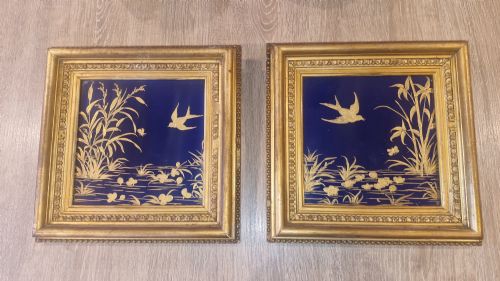
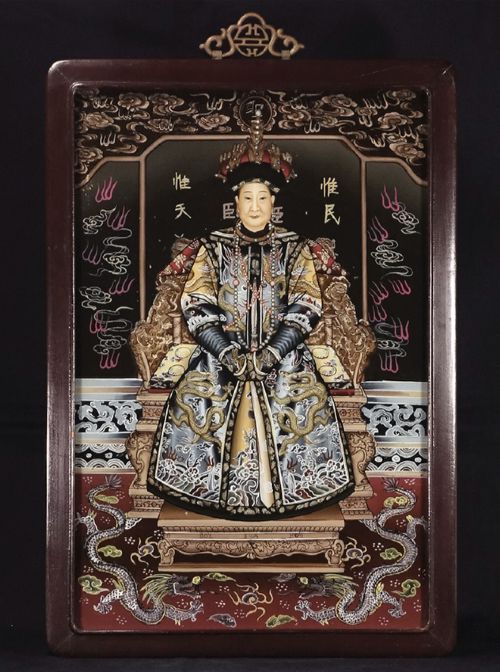
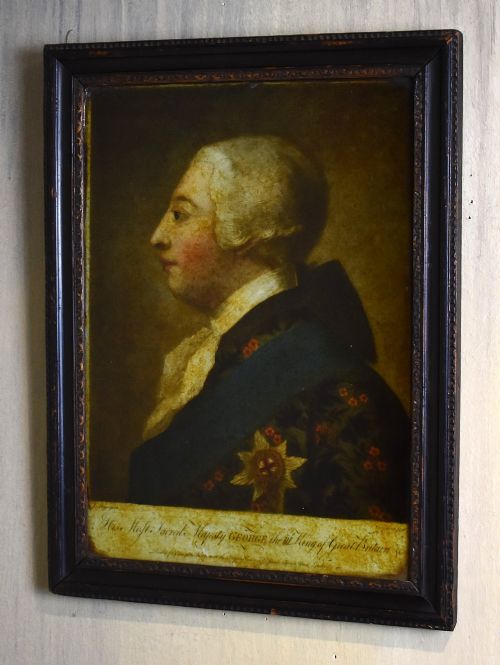
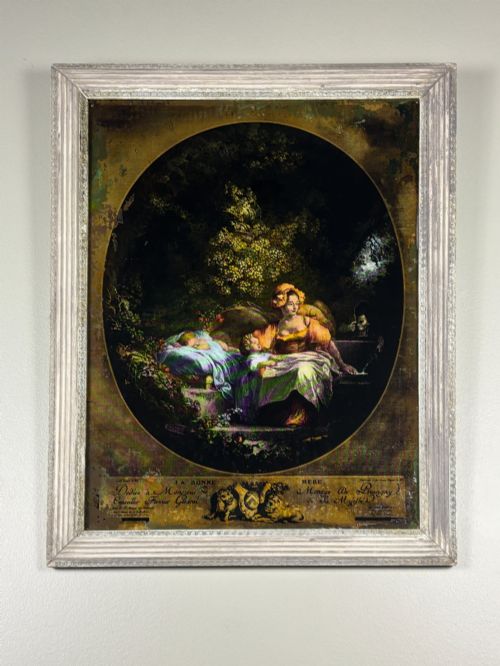
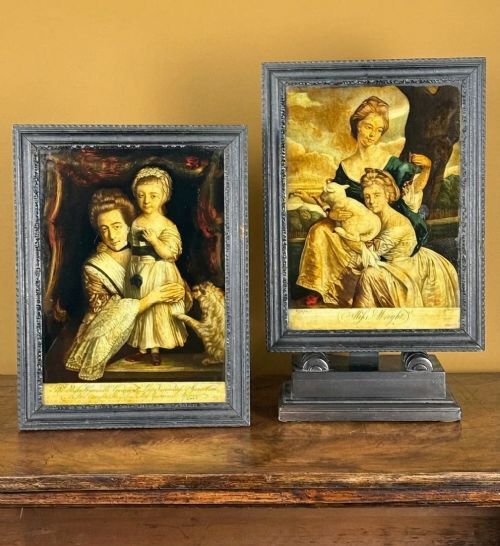
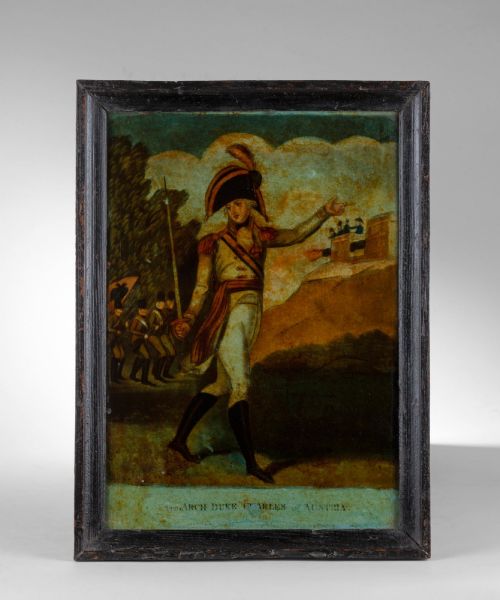
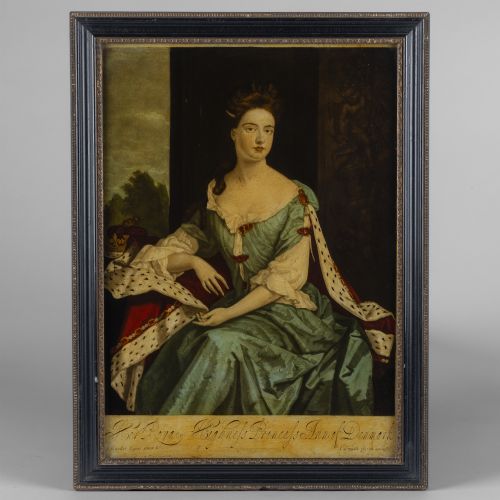
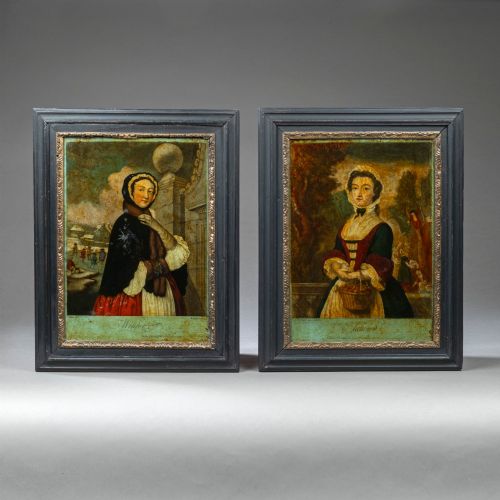
Glass painting art encompasses works where pigment meets transparent surfaces, stretching from detailed portraits to decorative signs. Collectors seeking this phrase most frequently encounter 18th-century reverse glass mezzotints, where prints transfer directly onto glass before receiving meticulous hand colouring.
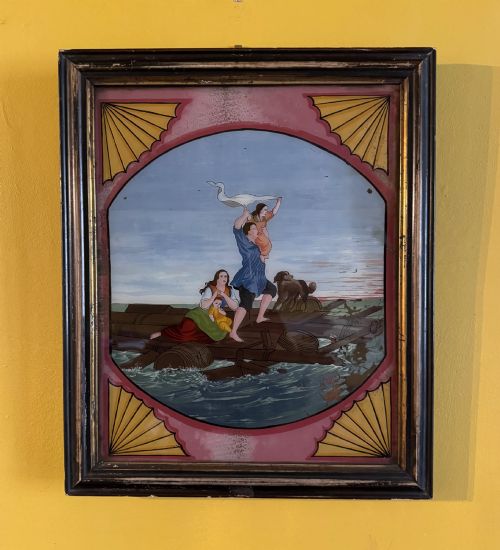
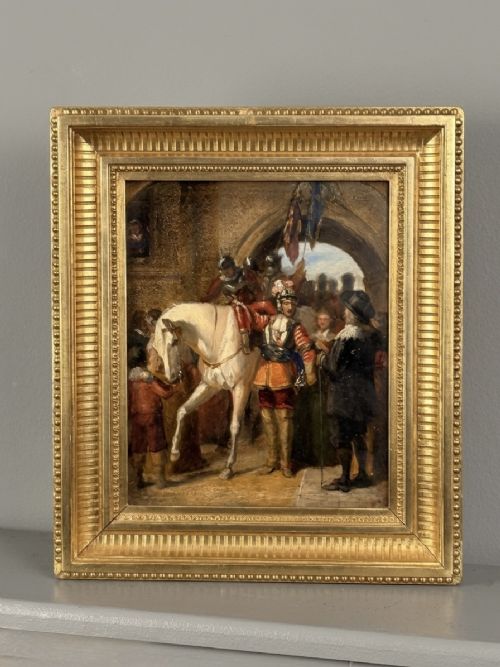
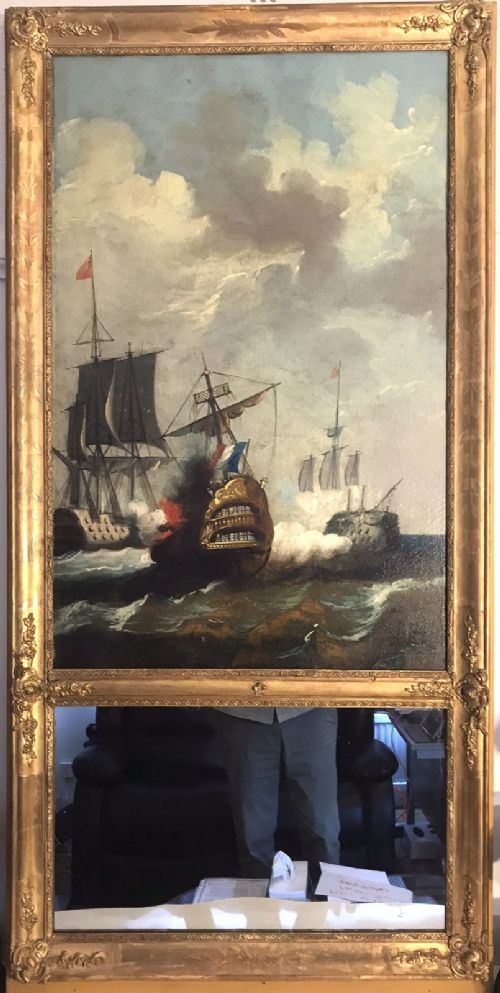
The selection also spans 19th-century portraits and maritime folk pieces, alongside commercial signs from the 1930s. These objects bridge fine graphic art and household decoration, relying on the smooth reflective properties of glass to catch the light.
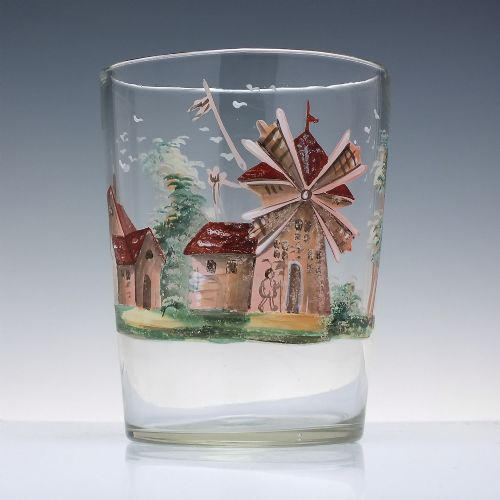
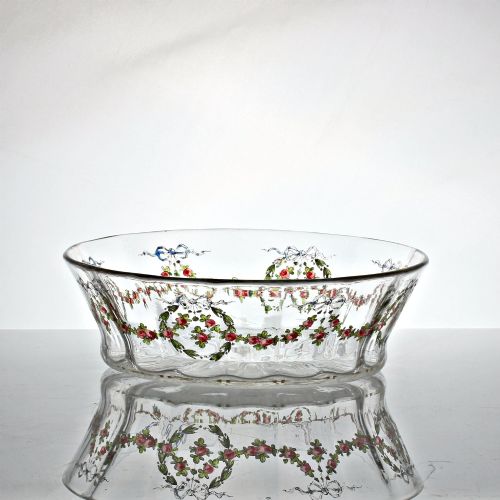
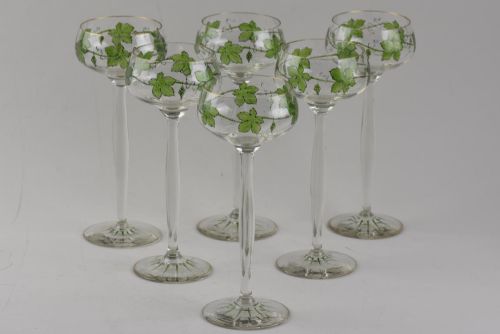
Vessels and utilitarian items also populate this category, featuring enamel and oil applications on items ranging from Bohemian jugs to Victorian biscuit barrels. Each form uses the underlying transparency of the material to alter how the pigments register to the eye.
How glass painting art was made
Makers applied oil paint, watercolour, or enamel directly onto the reverse side of glass panes, working in reverse so that foreground details appeared first. This technique required precise brushwork because any initial error remained permanently visible from the front view.
For mezzotints, printed ink transferred onto the glass surface before artists added colour using translucent pigments and gold leaf highlights. The finished panel was then sealed behind a protective backing board to shield the delicate paint layer from moisture and flaking.
Glass Painting Art Retail Price Guide 2026
Typical asking prices for glass painting art among the pieces listed under this phrase on Sellingantiques today, from the lower quarter to the upper quarter. They describe what is for sale here now, not the wider market.
Materials documented across the inventory include glass, gold leaf, enamel, oil paint, and paper.
What varies in quality in glass painting art
Condition plays a central role in valuation, specifically the stability of the paint layer against the glass substrate. Pieces retaining their original backing boards and undisturbed colour palettes demonstrate greater integrity over the centuries.
Irene Christobelle Pownoll Williams·Fletcher·Sebastiaan Vrancx·Charles Spooner·Konstantin Stoitzner·Gaspar Peeter Verbruggen·Richard Purcell·Alexander Harwood·Rene Lalique·Kralik Glass·Theresienthal
The Glass Painting Art Glossary
- Reverse glass painting
- A technique where the artist applies paint to the back of a glass sheet so the finished image is viewed through the front. This method protects the pigment from dust and physical contact.
- Mezzotint
- A printmaking process where the copper plate is textured to hold ink, producing rich tones and gradients. When transferred to glass, these prints received hand colouring.
- Enamel
- A durable, glossy material fused to glass surfaces through heat. It provides vibrant, raised decoration that resists fading.
- Diorama
- A three-dimensional scene enclosed within a case, often incorporating painted backgrounds with model ships. These constructions frequently utilise glass panels to protect the interior elements.
Glass Painting Art: Frequently Asked Questions
What is reverse glass painting?
Reverse glass painting involves applying pigments to the rear side of a transparent pane. The viewer looks through the glass to see the finished image displayed correctly.
This method seals the paint against environmental wear. It requires the artist to paint fine details like eyes and highlights first.
Are these pieces hand painted?
Many items feature direct hand application using oil paint, watercolour, or enamel. Print-based works received supplementary hand colouring applied over transferred ink lines.
Close inspection reveals individual brush strokes and pigment variations. These manual touches distinguish period items from modern printed reproductions.
How do I date an antique glass painting?
Dating relies on the framing style, the backing materials, and the subject matter depicted. Georgian pieces often feature specific mezzotint portrait subjects and simple wooden frames.
Later 20th-century items incorporate commercial typefaces or distinct Art Deco motifs. Examining the physical construction of the backing board provides further chronological clues.