



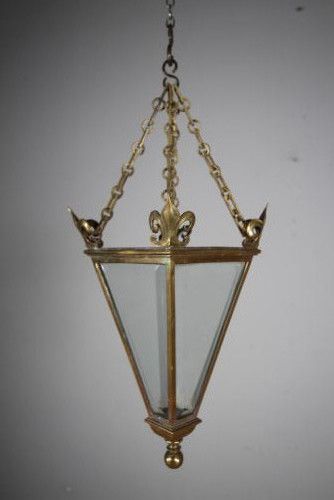
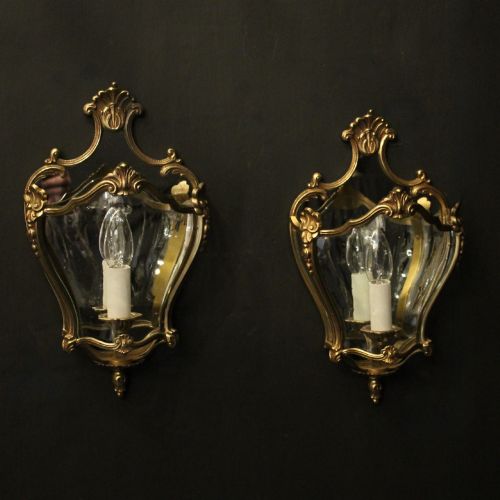
Glass Hallway Lantern
A glass hallway lantern sets the tone for an entrance, casting welcoming light through period metal and glass.
Glass Hallway Lantern
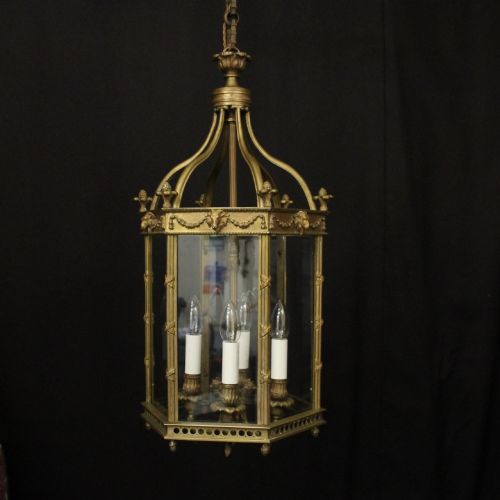
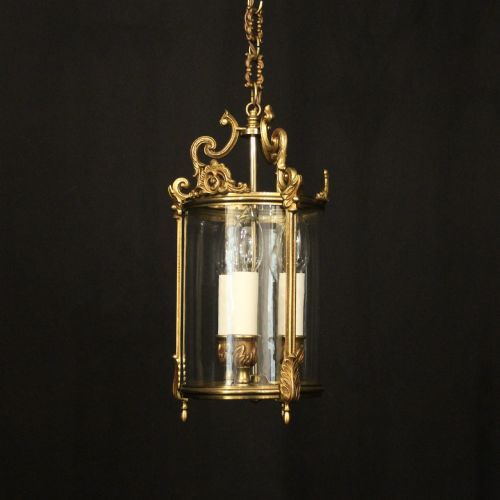
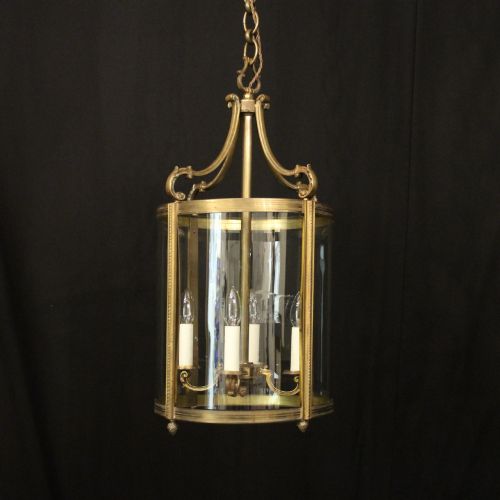
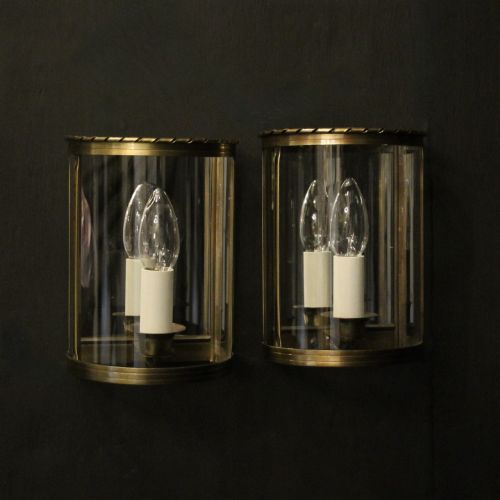
A glass hallway lantern serves as a primary ceiling fixture for an entryway, bringing functional illumination to passage spaces. When searching for a glass hallway lantern, buyers encounter hanging pendants, half-lanterns, and wall sconces designed for narrow spaces.
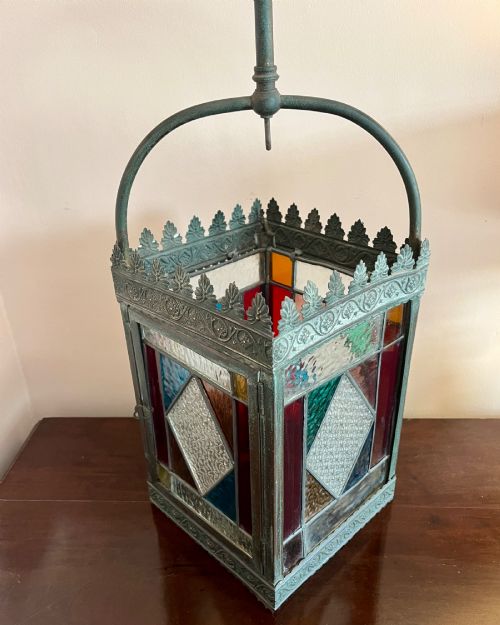
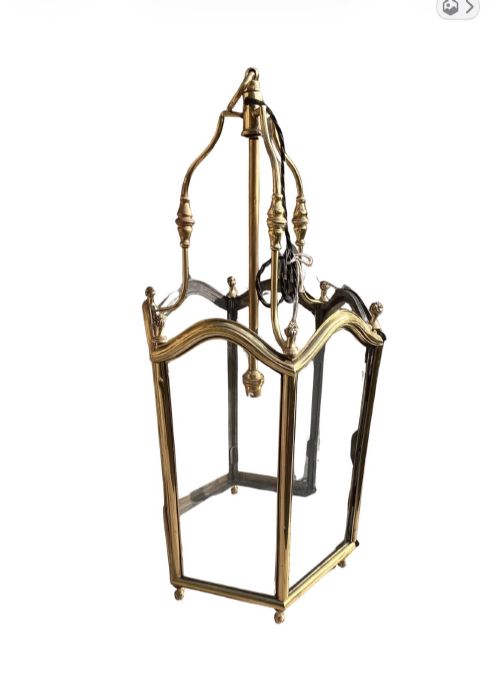
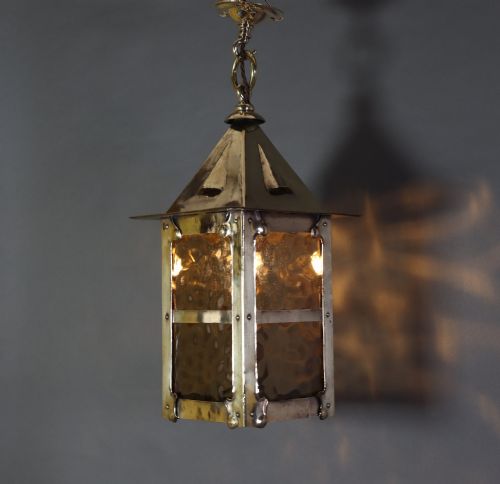
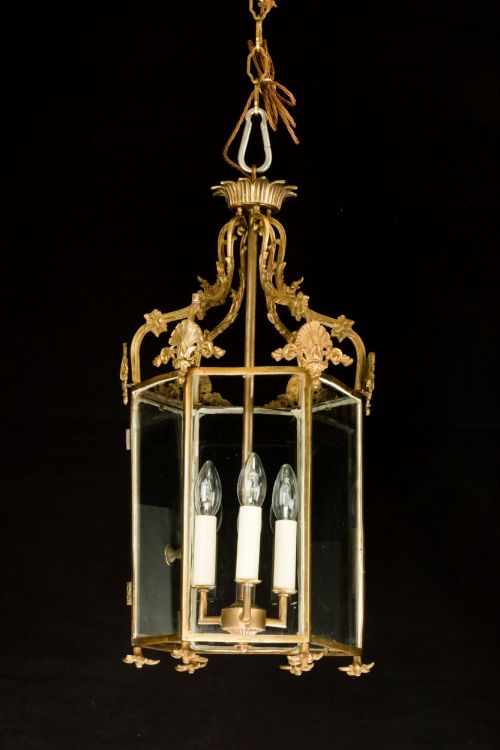
The selections span from the nineteenth century through the 1930s, encompassing Victorian, Edwardian, and Art Deco designs alongside French styles like Louis XVI and Rococo. Brass frames dominate the current selection, accompanied by copper, bronze, and wrought iron.
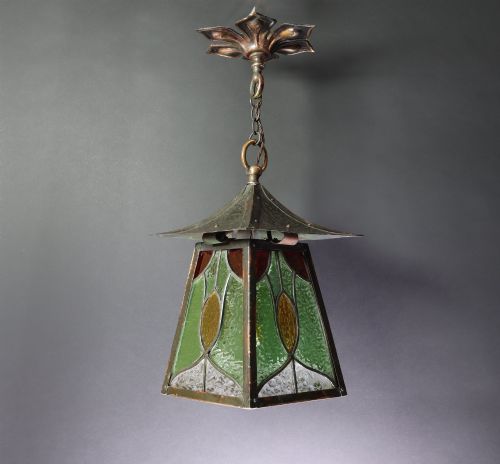
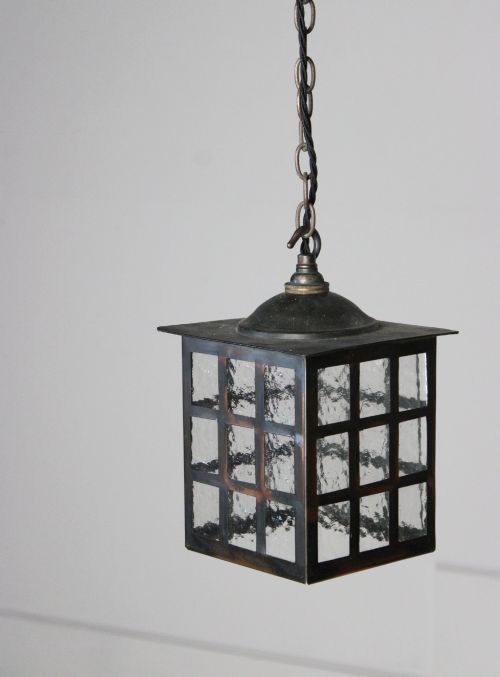
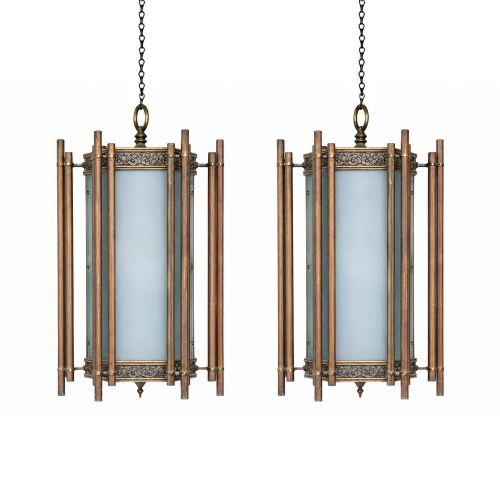
Many pieces reflect distinct architectural movements, including Arts and Crafts interpretations and Gothic Revival forms. Proportion dictates placement, as smaller hexagonal and round formats suit compact vestibules while monumental pairings anchor grand entrance halls.
Materials and construction
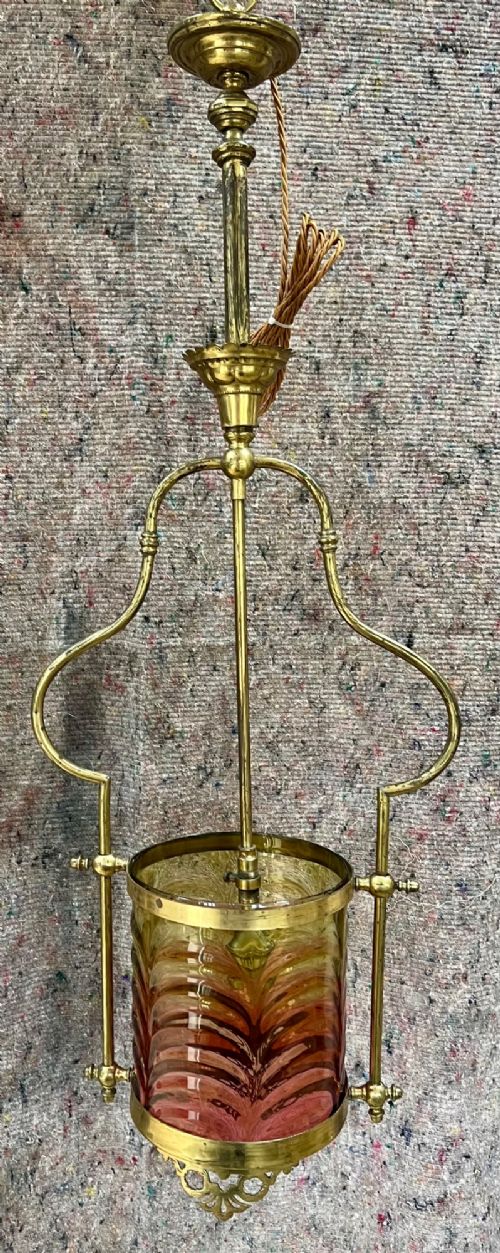
Metal fabrication forms the backbone of these fixtures, utilising cast brass, wrought iron, copper, and gilded bronze to build structural frames. Artisans shaped these metals into complex geometric or curved profiles to support heavy panes of glass.
Glazing techniques vary from straightforward leaded and frosted panels to moulded glass, cut glass, and coloured accents. Early examples incorporated candle illumination before later workshops converted the frames for electric bulbs.
Glass Hallway Lantern Retail Price Guide 2026
Typical asking prices for glass hallway lantern among the pieces listed under this phrase on Sellingantiques today, from the lower quarter to the upper quarter. They describe what is for sale here now, not the wider market.
Listings feature brass as the most common framing material alongside copper, bronze, and iron.
Assessing quality and finish
The weight of the metal and the depth of the casting separate standard production from superior examples. Heavier brass, crisp bronze chasing, and substantial copper frames indicate higher workshop standards during manufacture.
Glass selection further distinguishes the tier of a fixture, where bevelled, cut, or heavy moulded panes supersede thin standard glass. The integrity of the original metal patination and the precision of the frame joints complete the assessment.
Voysey
The Glass Hallway Lantern Glossary
- Half-lantern
- A wall-mounted fixture flat on one side designed to sit flush against a hallway or porch wall. This form preserves floor space in narrow corridors.
- Leaded glass
- Individual pieces of glass joined together by strips of lead came to form patterned window assemblies. This method creates decorative rigidity within geometric lantern frames.
- Toleware
- Painted or enamelled sheet metal utilised for lantern bodies and decorative shades. It provides a durable painted surface distinct from polished brass.
- Gilt bronze
- Bronze metal treated with a thin layer of gold or gold-coloured alloy to impart a rich metallic finish. It appears frequently on formal French revival hallway lights.
Glass Hallway Lantern: Frequently Asked Questions
How do I choose the right size lantern?
Consider the ceiling height and the floor area of the entrance space before selecting a hanging fixture. Compact hallways benefit from smaller flush or half-lantern formats that do not impede movement.
Larger vestibules and high ceilings accommodate multi-light hanging pendants and monumental pairs. Ensure adequate clearance below the lowest point of the hanging glass for safe passage.
Are these lanterns wired for modern electricity?
Many period fixtures arrive fully electrified or rewired for contemporary electrical standards. Some retain older internal fittings that require professional rewiring upon acquisition.
Examine the internal lamp holders to confirm compatibility with current domestic bulbs. Electric conversions often integrate discreet wiring channels through the suspension chain or bracket.
Can these fixtures hang outdoors?
Certain examples originate as porch lanterns designed to withstand sheltered exterior environments. Weather resistance depends upon the sealing of the metal frame and the protection of the electrical components.
Exposed locations require robust materials like brass, copper, or bronze rather than delicate gilded finishes. Consult the specific construction details of each piece before exposing it to moisture.
How do I identify the period of a lantern?
Stylistic indicators such as Victorian ornamentation, Edwardian simplicity, or Art Deco geometry provide initial dating clues. Construction methods, including the type of metal casting and screw threads, offer further chronological markers.
French stylistic revivals often emulate earlier Louis XVI or Rococo motifs while bearing early twentieth-century manufacturing traits. Comparing the glass cutting technique helps narrow down the production era.