

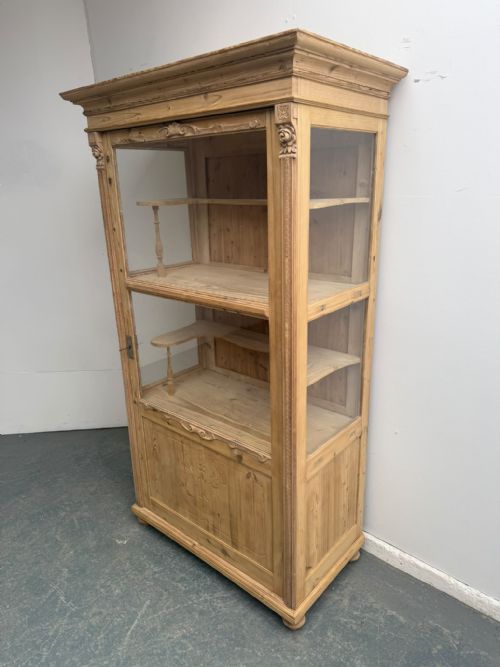


Glass Front Shop Cabinet
Glass front shop cabinet pieces are utilitarian display fixtures built to showcase merchandise, offering robust timber frames and clear glazing that suit modern interiors.
Glass Front Shop Cabinet
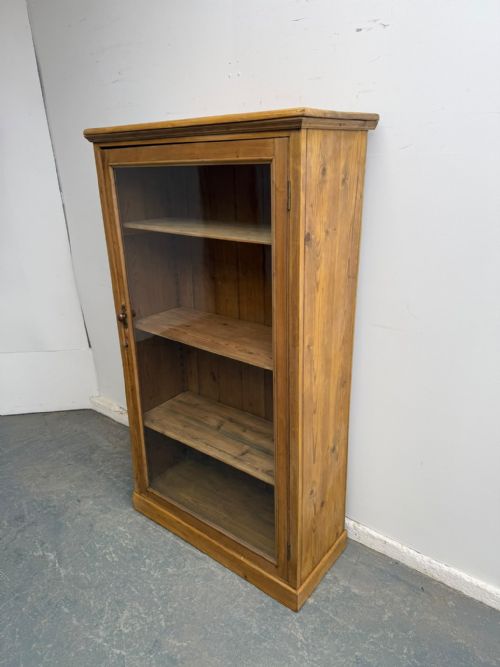
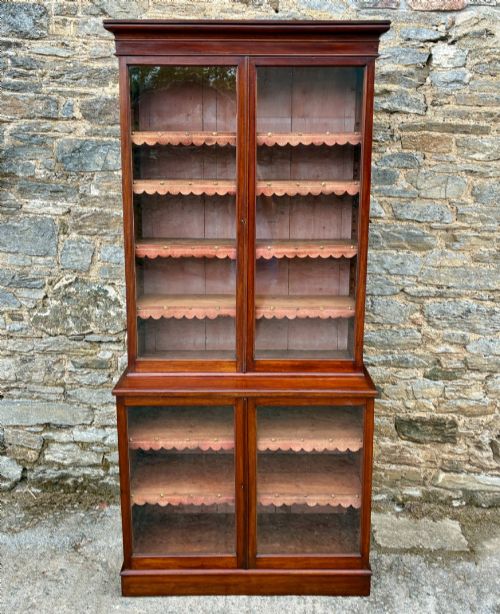
When searching for a glass front shop cabinet, buyers encounter practical retail furniture originating from the nineteenth and early twentieth centuries. These pieces typically take the form of display cabinets, haberdashery counters, and wall-hanging display units designed for commercial environments.
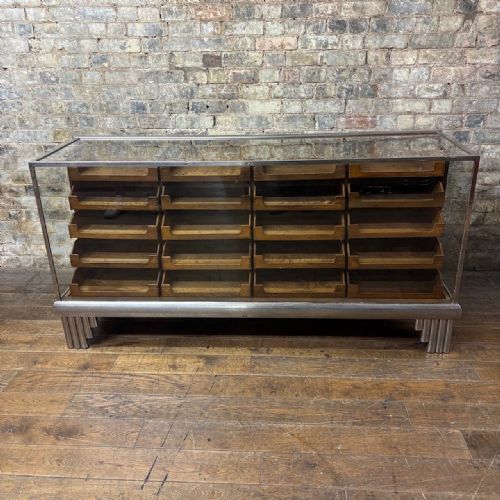
The selections available span Victorian, Edwardian, and Art Deco periods, encompassing robust commercial designs alongside tailored display furniture. Common configurations include bow-fronted timber structures and specialised haberdashery units intended to hold sewing cottons or retail goods.
Materials and construction
Construction relies heavily on timber frameworks utilising mahogany, oak, pine, and ebonised wood, often paired with brass hardware and chrome details. Glass panels provide visibility from the front and sides, enclosing shelved interiors suited to retail display.
Glass Front Shop Cabinet Retail Price Guide 2026
Typical asking prices for glass front shop cabinet among the pieces listed under this phrase on Sellingantiques today, from the lower quarter to the upper quarter. They describe what is for sale here now, not the wider market.
Some display cabinets bear the ghosts of old perfume brands or sewing cottons, having spent a century whispering sales pitches through their glass.
Quality and construction standards
Differentiation across the range depends upon the sophistication of the timber selection and hardware integration. Pieces featuring dense hardwoods like mahogany and substantial brass mountings demonstrate superior build quality compared to simpler pine alternatives.
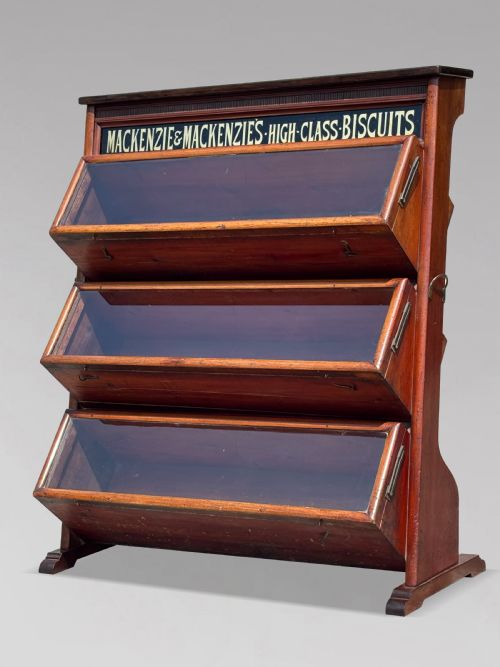
The presence of maker attribution, such as work by established shopfitters, distinguishes standard retail furniture from high-grade commercial display cases. Original glazing and intact internal configurations further separate standard examples from modified items.
F. Sage & Co·Dudley & Co·Mackenzie's·Ermen & Roby
The Glass Front Shop Cabinet Glossary
- Haberdashery cabinet
- A specialised multi-drawer retail unit traditionally used for storing small sewing goods and haberdashery items. These pieces often feature glass-fronted drawers for quick stock identification.
- Bow front
- A convex curved front section on a cabinet or counter. This curved glass and timber construction enhances viewing angles for displayed items.
- Ebonised wood
- Timber treated with a finish to imitate ebony. This dark, uniform treatment provides a formal contrast against brass mounts and glass panels.
- Signwriting
- Hand-painted lettering applied directly to glass or timber surfaces. In commercial contexts, this identifies specific brand names or manufacturer details.
Glass Front Shop Cabinet: Frequently Asked Questions
What is a glass front shop cabinet used for?
These cabinets served originally to display and protect retail merchandise in nineteenth and twentieth-century shops. Today, collectors utilise them in domestic settings to exhibit collections behind protective glazing.
Their upright or counter-top forms allow for efficient space utilisation while keeping contents visible from multiple angles.
How do I date an antique shop cabinet?
Dating relies on identifying period styles, such as Victorian, Edwardian, or Art Deco design characteristics. Timber selection, hardware details, and construction methods also indicate the manufacturing era.
Maker signatures or branded glass signwriting can provide further historical context.
Where were haberdashery cabinets placed?
Haberdashery counters and cabinets stood primarily on the shop floor or behind counters in drapery and sewing supply stores. Their multi-drawer layouts kept small items organised for customer selection.
Wall hanging and counter-top variants served to maximise vertical display space in smaller retail premises.
Are these cabinets suitable for modern homes?
Their practical proportions and glazed panels allow them to fit well into living rooms, kitchens, or hallways. The timber frames complement both traditional and contemporary interiors.
Internal shelving provides functional storage for tableware, books, or curated objects.