




Glass Display Bottle
These glass display bottles span practical apothecary vessels and intricate folk art dioramas, offering a tangible connection to nineteenth and early twentieth century commerce and maritime life.
Glass Display Bottle
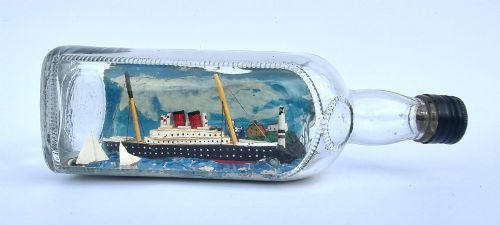
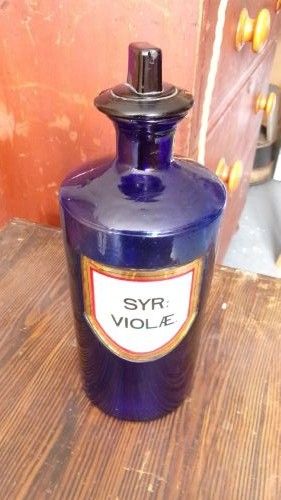
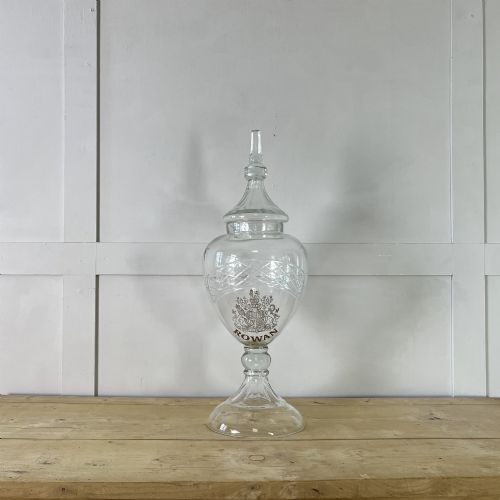
A glass display bottle encompasses everything from large chemist carboys and apothecary jars to detailed ships in bottles and shop display decanters. When searching for a glass display bottle, buyers encounter functional pharmacy containers alongside decorative maritime folk art created during the Victorian, Edwardian, and 1930 periods.
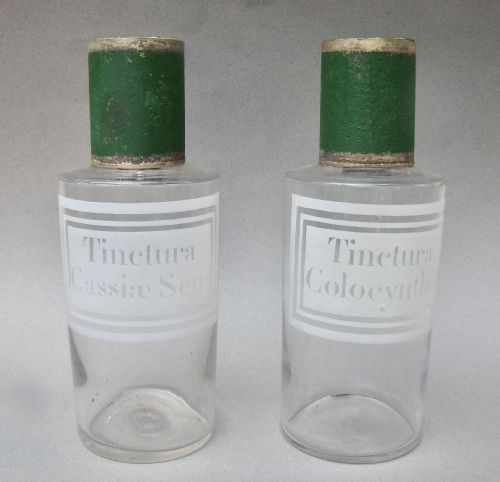
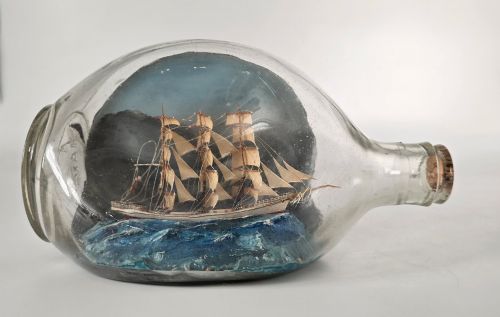
The most common forms on this page are nineteenth century apothecary jars and folk art ship models housed within glass vessels. These pieces range from tall chemist bottles with lollipop stoppers to three masted sailing ships carefully constructed inside transparent containers.
Materials and construction
Makers utilised heavy glass, often moulded or cut, combined with painted details, paper labels, and metal or wood components. Apothecary vessels rely on thick blown glass bodies paired with ground glass stoppers or fitted covers, while maritime pieces incorporate thread, wood, and paint to build miniature dioramas.
Decorative enhancements include gold leaf accents and etched surfaces on French apothecary jars, alongside crystal bodies and silver tops found on twentieth century perfume sets.
Glass Display Bottle Retail Price Guide 2026
Typical asking prices for glass display bottle among the pieces listed under this phrase on Sellingantiques today, from the lower quarter to the upper quarter. They describe what is for sale here now, not the wider market.
Judging quality and craftsmanship
Quality rests upon the crispness of the glass moulding, the clarity of the material, and the intricacy of internal details such as rigging on ship models. Superior apothecary jars retain original painted labels, matching stoppers, and unblemished surfaces without excessive clouding.
Provenance and craftsmanship elevate folk art examples, where the precision of the miniature dioramas and the preservation of original wooden stands distinguish finer items from standard decorative objects.
The Glass Display Bottle Glossary
- Carboy
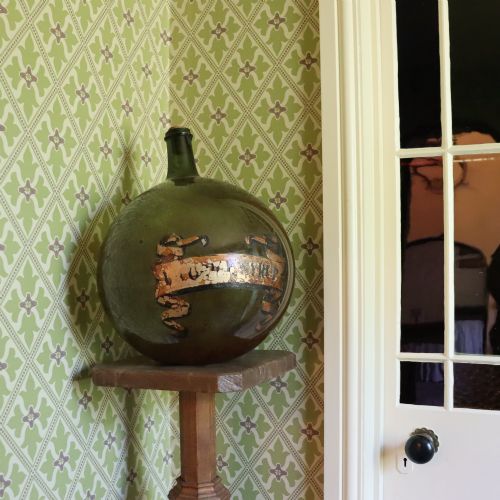
- A large, bulbous glass vessel traditionally used in laboratories and chemist shops for holding liquids. These substantial containers often served as window displays for nineteenth century apothecaries.
- Diorama
- A three dimensional miniature scene enclosed within a glass container. Maritime examples typically feature sailing ships meticulously constructed to fit through narrow bottle necks.
- Lollipop stopper
- A flat, circular glass top designed to seal wide mouthed apothecary and chemist jars securely. This specific stopper shape is characteristic of Victorian and Edwardian shop bottles.
- Tantalus
- A decorative wooden frame holding a set of decanters under a locking mechanism. The design permits viewing the glass bottles while preventing unauthorised access to the contents.
Glass Display Bottle: Frequently Asked Questions
What were apothecary carboys used for?
Chemists used large carboys as prominent window displays to attract customers from the street. Their brightly coloured liquids served as universal symbols for medical shops before standardised signage became common.
Today, these substantial glass vessels function entirely as decorative interior objects, valued for their scale, colour, and historical presence in home settings.
How do you display a ship in a bottle?
Maritime folk art bottles often rest on dedicated wooden stands or cradles designed to keep the cylindrical vessel stable. Placing them on sturdy shelves or mantelpieces prevents rolling and protects the delicate internal rigging.
Positioning the bottle away from direct sunlight preserves any painted details, paper components, and thread work contained within the glass.
Are apothecary jar stoppers original?
Apothecary jars frequently retain their matching ground glass stoppers, which were individually fitted to each neck during manufacture. Closely inspecting the wear patterns around the grinding surface helps determine if the stopper belongs to the vessel.
Finding a jar with its correct original stopper significantly enhances its visual appeal and historical completeness for collectors.
How are nineteenth century glass items cleaned?
Antique glass benefits from gentle washing with lukewarm water and mild soap to remove dust without damaging fragile surfaces or old paint. Harsh scrubbing agents and modern dishwashers can permanently etch or cloud aged material.
Interior residue in old bottles is best left undisturbed unless it obscures the display value of the piece.