

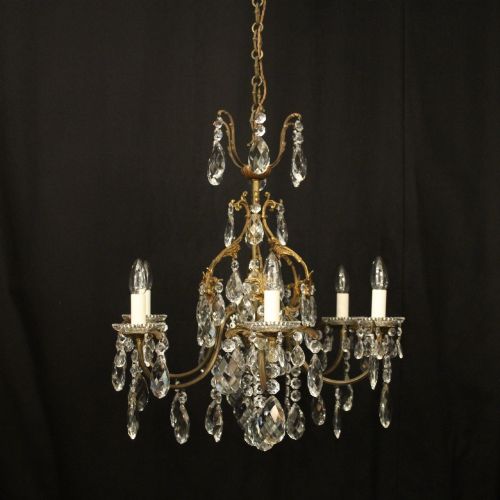
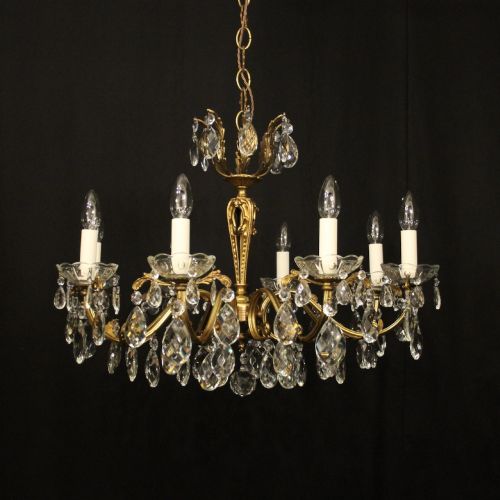
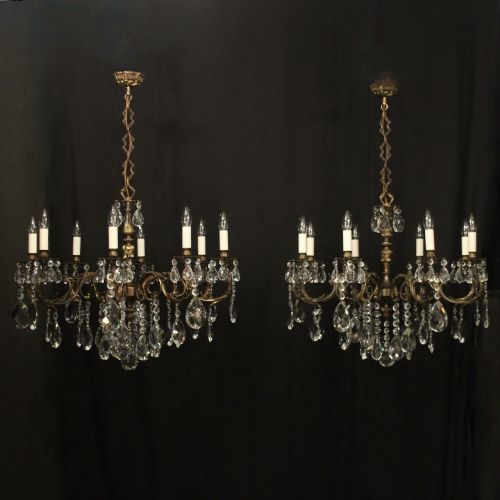
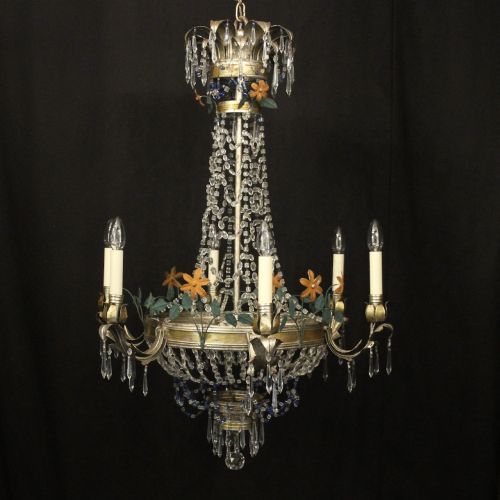
Glass Arm Light Fixture
A glass arm light fixture brings illumination and architectural depth through formed glass branches.
Glass Arm Light Fixture
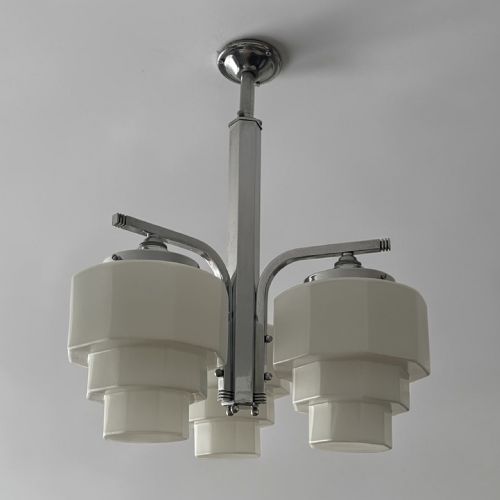
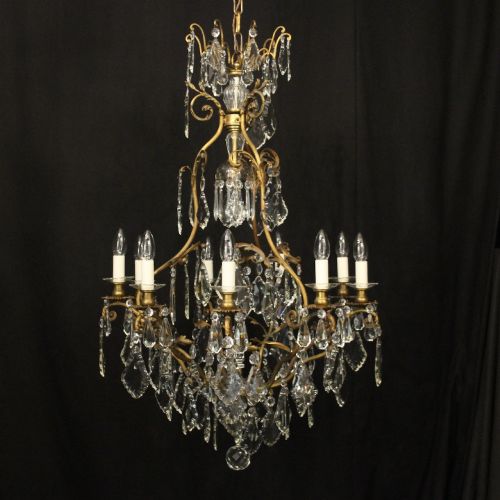
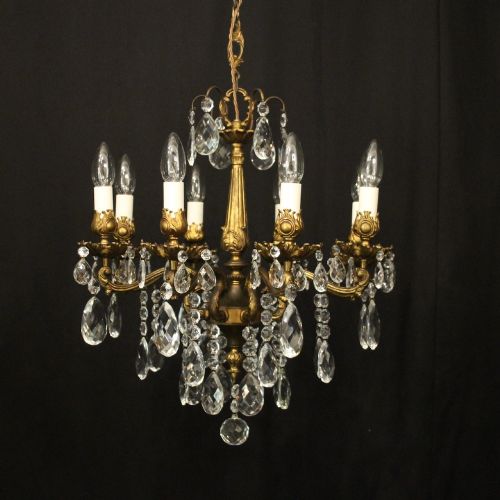
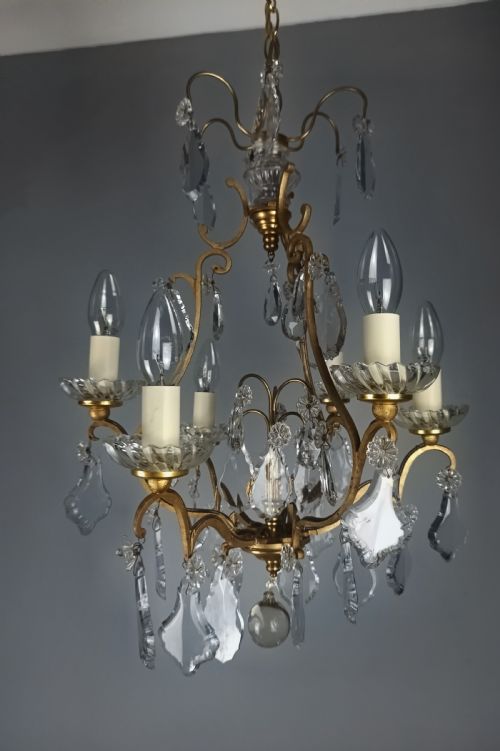
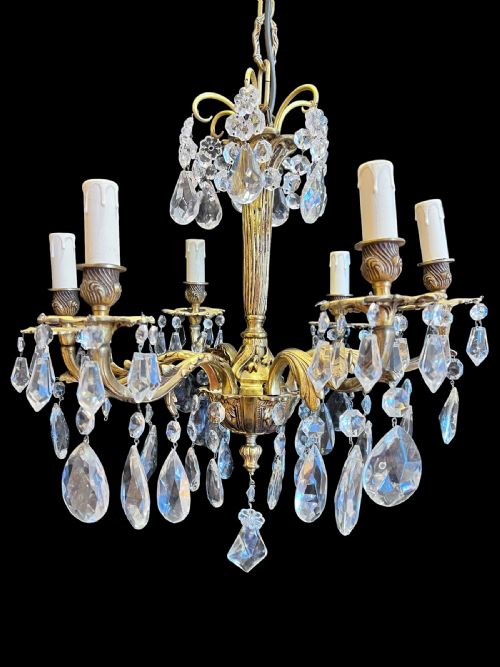
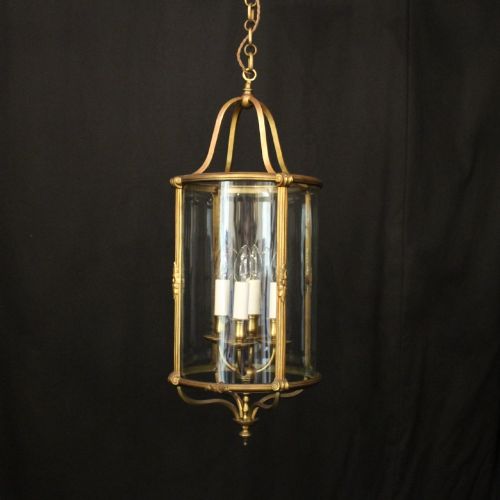
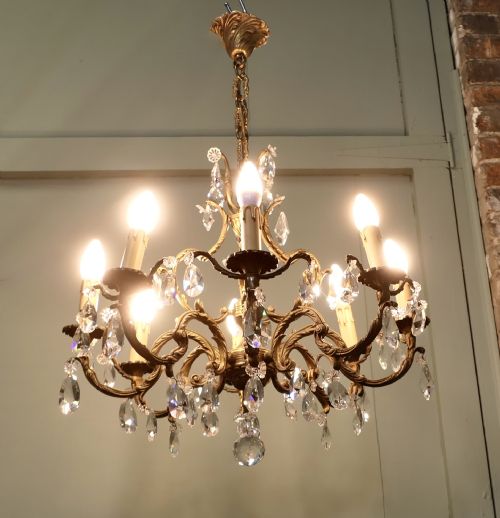
A glass arm light fixture encompasses multi-branched chandeliers and wall sconces where the structural arms themselves comprise glass, crystal, or brass elements. When searching for a glass arm light fixture, buyers encounter pieces primarily from the Victorian, Edwardian, and Art Deco periods, alongside French and Italian regional styles.
Pieces span multiple decades from the late nineteenth century through to the 1930s. Construction types range from gasoliers converted to electricity to rise and fall ceiling lights and multi-tiered polychrome fixtures.
How they were made
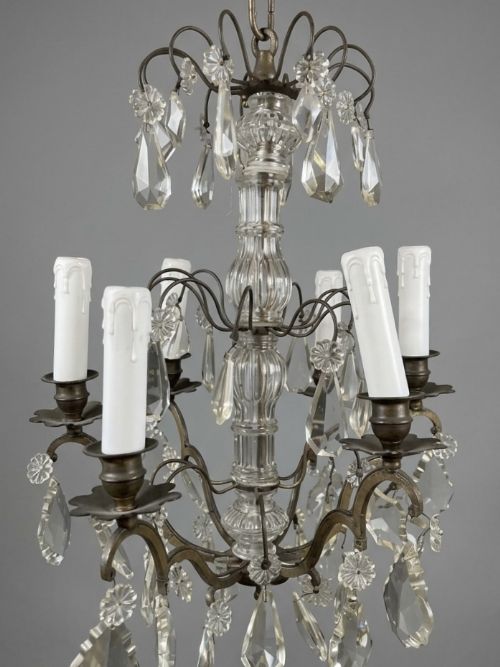
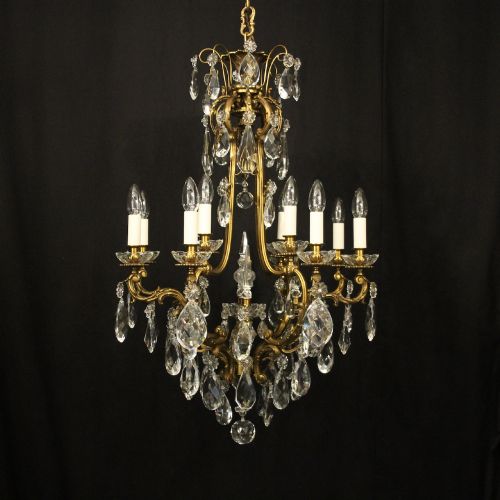
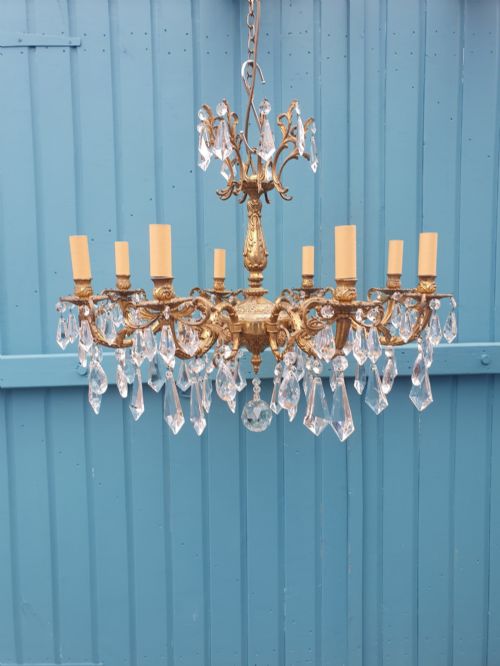
The construction relies on a combination of brass, bronze, and gilt metal armatures that support extensive arrangements of glass and crystal. Individual glass arms, often moulded or beaded, radiate from central stems and terminate in drip pans and nozzles.
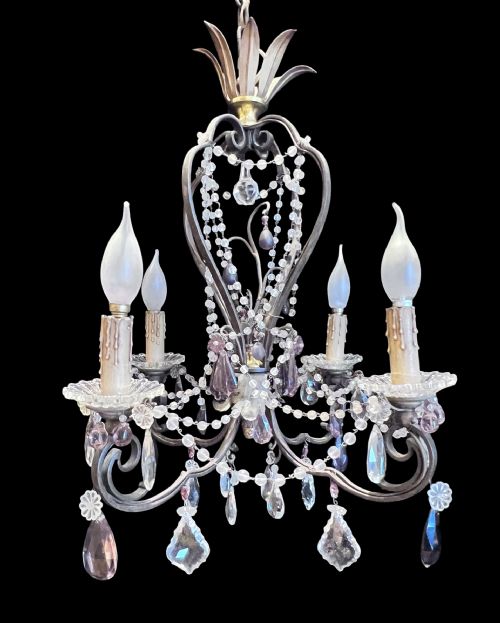
Artisans hung cut-glass drops, crystal teardrops, and coloured fruit motifs from the metallic frames using wire connections. Surface finishes on the metal components include gilding, silvering, and patinated bronze, paired with opalescent, frosted, or crimped glass shades.
Glass Arm Light Fixture Retail Price Guide 2026
Typical asking prices for glass arm light fixture among the pieces listed under this phrase on Sellingantiques today, from the lower quarter to the upper quarter. They describe what is for sale here now, not the wider market.
Materials recorded across the inventory include gilt brass, bronze, opalescent glass, frosted glass, and coloured crystal fruits.
What varies in quality
Quality depends on the precision of the metal casting and the clarity of the crystal components. Superior examples display intricate chasing on the bronze or brass framework and hand-cut facets on the glass drops that refract light cleanly.
The integration of the glass arms into the central body dictates the structural integrity of the fixture. Finer pieces maintain uniform colour consistency in tinted glass elements, such as pink Venetian glass or amber fruits, without bubbles or distortion.
The Glass Arm Light Fixture Glossary
- Lustre
- A cut-glass pendant suspended from a chandelier or wall light to increase light reflection. These typically hang from the bobeche or arms.
- Gasolier
- A light fixture originally designed for gas lighting, frequently converted to electricity in later periods. They often retain heavy brass construction and specialised keys.
- Tent and waterfall
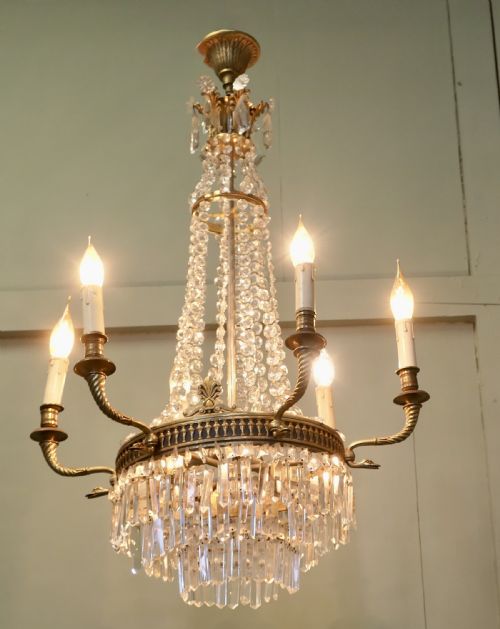
- A chandelier configuration where strings of crystal beads form an upper tent shape above a cascading waterfall of drops. This style maximises glass surface area.
- Bobeche
- The small saucer-shaped disc fitted beneath the candle nozzle to catch wax drips. In glass fixtures, this component is frequently made of matching cut crystal.
- Toleware
- Painted or lacquered metalware used in certain cage chandeliers to introduce colour alongside glass components. It provides a contrasting matte texture to bright crystal.
Glass Arm Light Fixture: Frequently Asked Questions
How do I clean a glass arm light fixture?
Maintenance involves gentle cleaning of the individual glass arms and crystal drops using a mild solution and soft cloth. Technicians often remove hanging elements to wash them separately.
Careful handling prevents stress fractures in older moulded glass components and preserves the underlying metal gilding or patination.
Are these fixtures wired for modern electricity?
Most antique fixtures require professional rewiring to meet current electrical standards upon installation. Historic conversions often utilise internal channels adapted during the twentieth century.
Qualified electricians can update the internal wiring while retaining the original brass lamp holders and external metalwork.
How do I determine the period of a light fixture?
Dating relies on stylistic indicators such as Art Deco pink Venetian glass, Edwardian rise and fall mechanisms, or Victorian gasolier fittings. The presence of specific casting marks and construction methods also helps establish the era.
Comparing the cut of the crystal and the composition of the metal frame against known nineteenth and early twentieth-century designs clarifies the age.
Can heavy crystal chandeliers hang safely from standard ceilings?
Large multi-tier chandeliers require direct attachment to ceiling joists using appropriate structural fixings rather than standard plaster anchors. The substantial weight of brass frames and crystal arms demands robust load-bearing support.
Consulting a professional installer ensures the ceiling structure can sustain the total weight safely.