
Glass Arm Ceiling Pendant
A glass arm ceiling pendant brings striking period illumination and sparkle to a room, drawing the eye upwards with its intricate metalwork and glass.
Glass Arm Ceiling Pendant
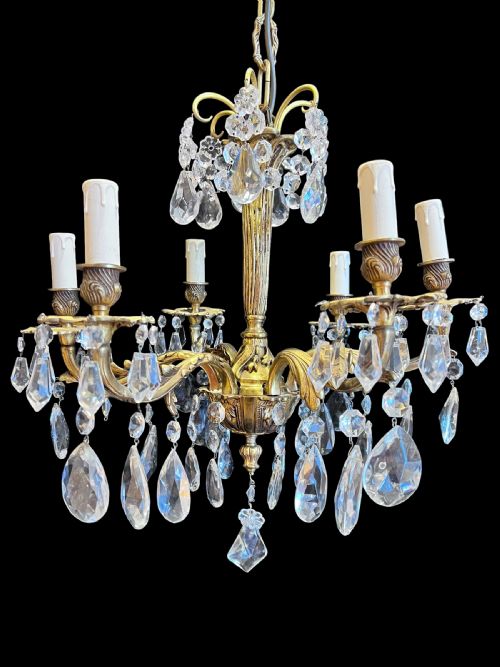
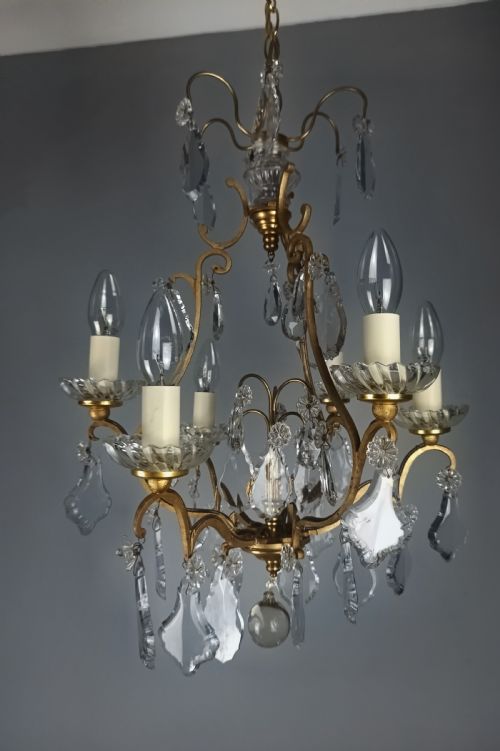
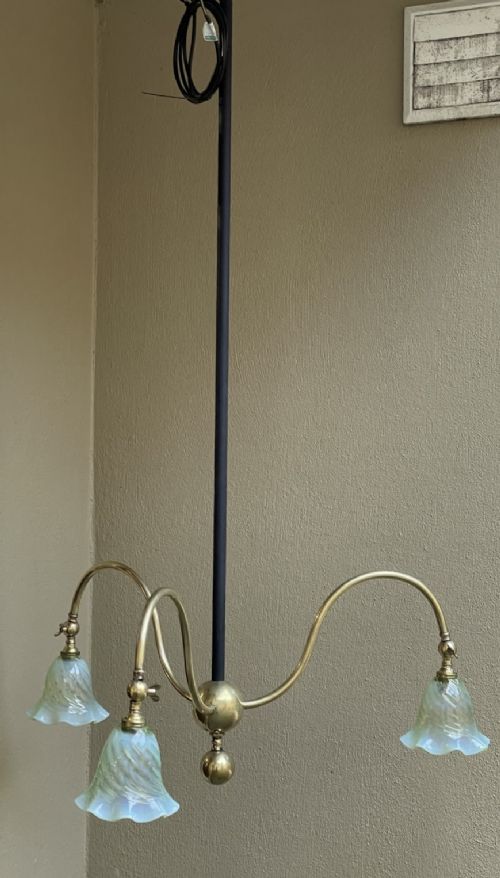
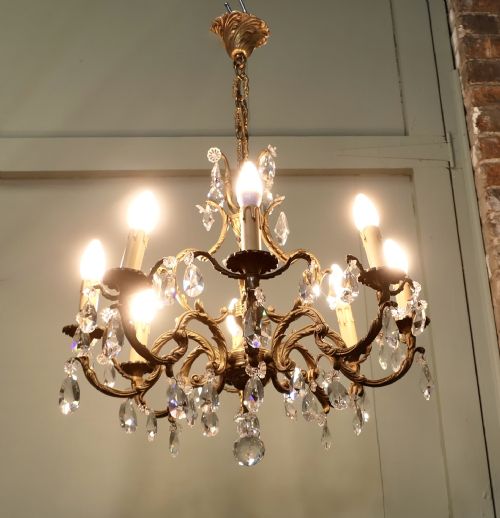
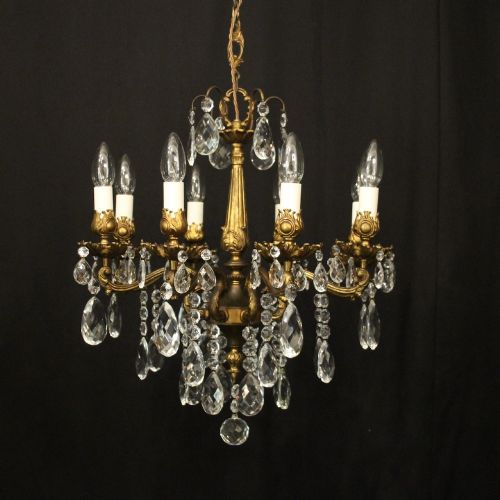
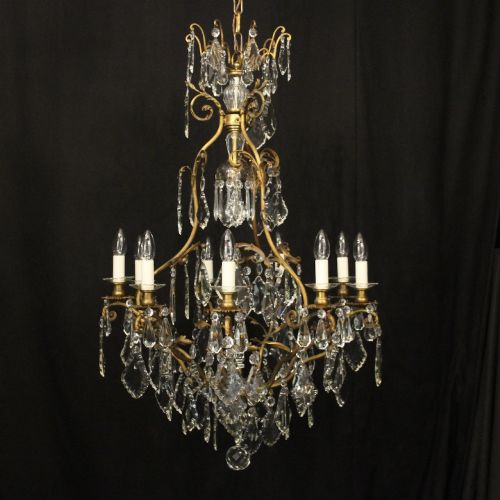
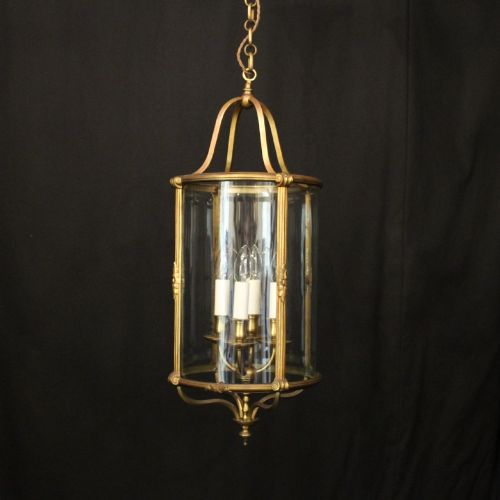
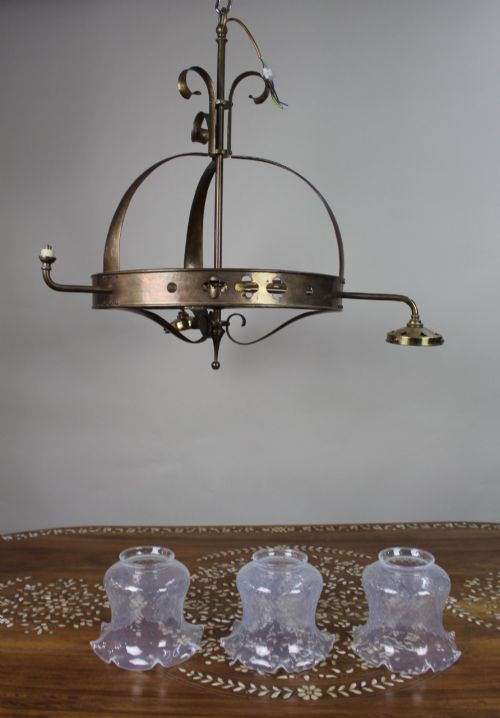
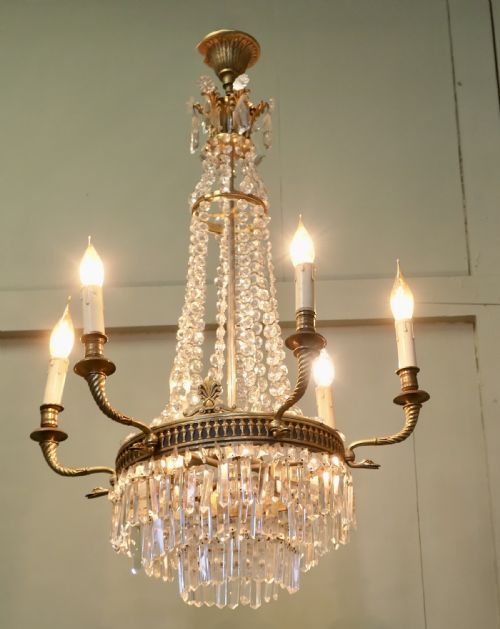
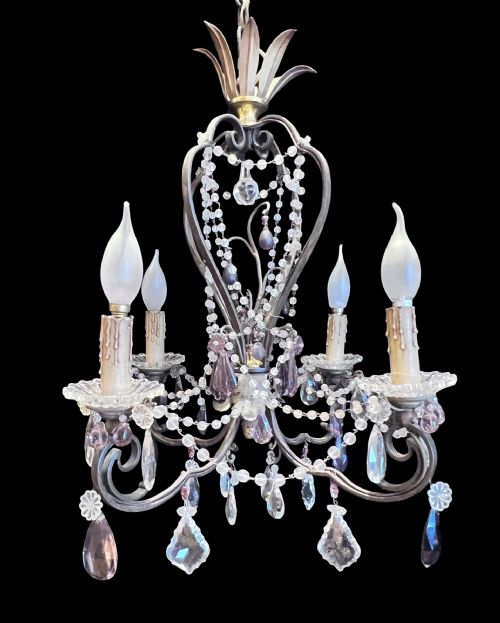
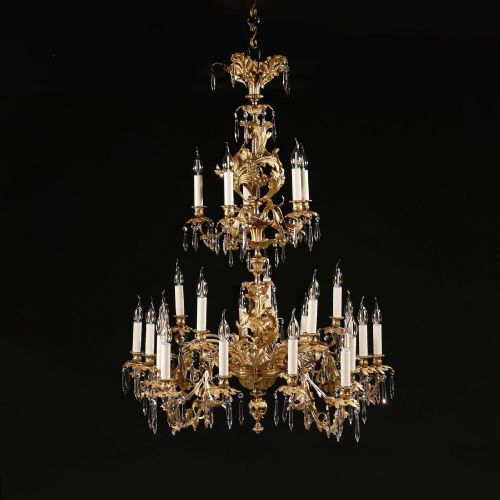
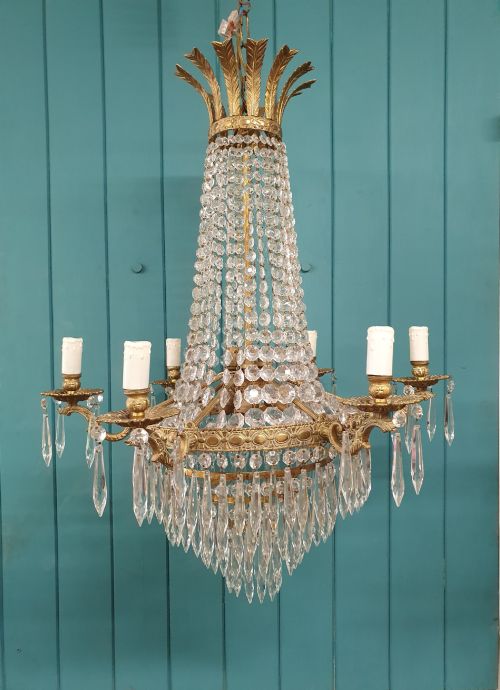
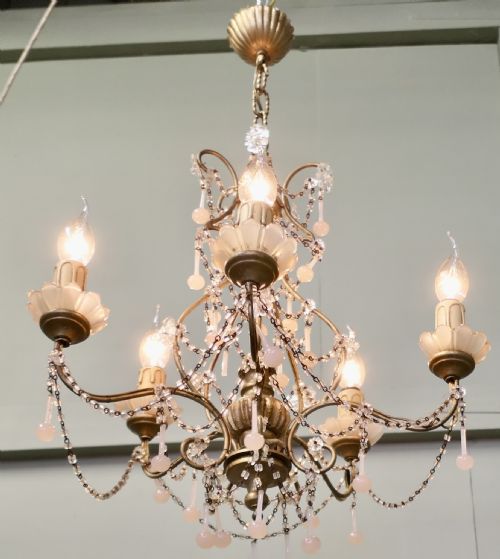
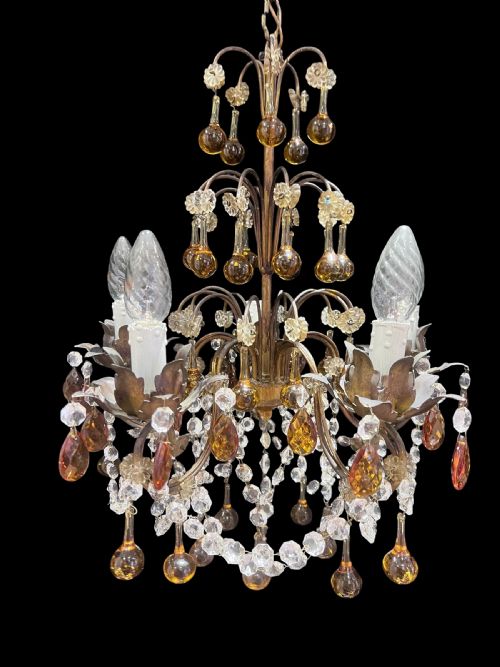
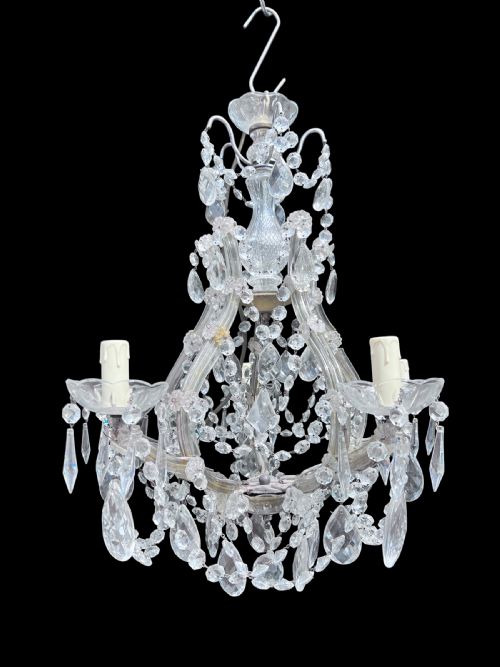
A glass arm ceiling pendant encompasses a variety of antique hanging light fixtures designed to distribute illumination across a room. Buyers searching this phrase will find a selection of ornate chandeliers, ceiling lights, and hanging lanterns originating from the late nineteenth century through to the 1930s. The most common examples met on this page are French and Italian fixtures adorned with crystal lustres and multiple branching arms.
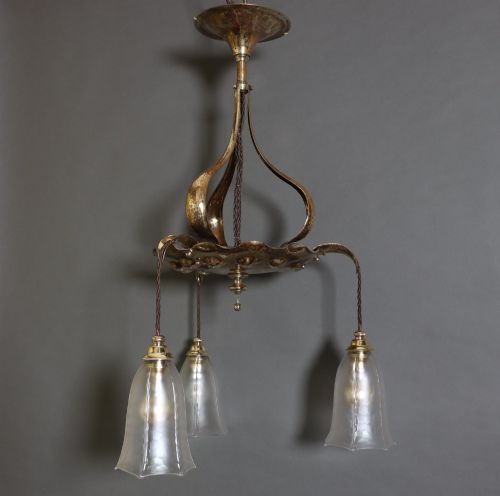
The assortment spans diverse aesthetic movements including Edwardian, Arts and Crafts, Art Nouveau, and French Rococo Revival styles. Many pieces utilise traditional forms such as the birdcage or tent and waterfall configuration, often supporting numerous light branches. These fittings reflect the interior tastes of periods ranging from the Victorian era up to the 1930s.
How they were made
Makers constructed these lighting fixtures using a combination of cast or spun metals paired with hand-formed glass and crystal elements. Brass, gilt bronze, and gilt metal provided sturdy structural frames and arms, while specialised workshops shaped iron and toleware for specific regional styles. Cut glass, crystal glass, and occasionally opalescent or coloured glass formed the shades, drops, and decorative fruit accents.
Craftsmen assembled these components mechanically, wiring individual light branches and securing crystal drops with wire pins. Gilded finishes, silvering, and polychrome painting were frequently applied to the metal surfaces to enhance the decorative impact under artificial or natural light.
Listings feature pieces spanning the 19th Century, Edwardian era, and the 1920s to 1930s, utilising brass, gilt bronze, and cut glass.
What varies in quality
The standard of a ceiling pendant depends largely on the crispness of the metal casting and the depth of hand-cutting on the crystal elements. Superior pieces demonstrate meticulous attention to detail in secondary ornaments such as lion masks, cherub arms, and leaf decorations on the upper tiers. Heavier gauge brass and finely chased bronze indicate a higher grade of manufacture than lighter, pressed sheet alternatives.
Integrity of design and completeness also dictate the value of the object within its class. Fixtures retaining their matching original crystals, coloured glass drops, and integrated rise and fall mechanisms represent a superior tier of survival from the period.
The Glass Arm Ceiling Pendant Glossary
- Birdcage chandelier
- A metal frame construction shaped like a birdcage that supports interior lights and external crystal swags. This form is frequently encountered on French examples from the early twentieth century.
- Tent and waterfall chandelier
- A fixture featuring an upper conical section of strings of beads resembling a tent, cascading down over the lower arms. It creates a dense curtain of crystal reflection.
- Crystal lustre
- A cut glass pendant or drop hung from the arms and bobeches of a chandelier. These pieces refract the light to maximise illumination in the space.
- Gasolier
- A lighting fixture originally designed to burn coal gas before being converted to electricity. They often display robust brass or bronze construction with specialised gas keys.
- Rise and fall
- A counterweighted ceiling mechanism allowing the pendant to be pulled down or pushed up easily. This practical addition was popular in Edwardian interiors.
Glass Arm Ceiling Pendant: Frequently Asked Questions
How do I clean a crystal chandelier?
Maintenance requires gentle cleaning of each crystal drop in situ using a mild solution of warm water and a little washing-up liquid. Wipe the metal arms carefully with a soft dry cloth to preserve the gilt or brass surface without harsh abrasives.
Ensure the power is completely switched off before starting any cleaning work. Working methodically from the top down prevents the cleaned lower sections from getting splashed.
Can these antique lights be rewired easily?
Most antique ceiling pendants accommodate modern electrical wiring without difficulty, provided a qualified electrician undertakes the task. The internal channels and central tubes generally allow modern flex to be threaded safely.
Rewiring ensures the piece meets current safety standards while retaining its original decorative character. It is advisable to check the weight capacity of the ceiling joists before hanging heavier bronze and crystal models.
What rooms suit a glass arm pendant?
These statement lighting fixtures suit principal reception rooms, dining areas, and high-ceilinged entrance halls where their scale can be fully appreciated. Their reflective crystal drops and branching arms distribute light evenly across larger spaces.
Smaller iterations or single-bulb lanterns work effectively in bedrooms or landings. Proportion and ceiling height remain the primary considerations when selecting a piece for a specific interior.
How do I distinguish Edwardian from Victorian styles?
Victorian lighting often displays heavier, more ornate brasswork with Gothic Revival influences or dark patinated finishes. Edwardian pieces tend to introduce lighter forms, including rise and fall mechanisms and brighter gilt surfaces.
Arts and Crafts examples from the turn of the century favour hand-hammered metals and simpler structural honesty over excessive surface ornamentation. Comparing the weight, colour of the metal, and decorative motifs helps identify the distinct period.