


Glass and Silver Set
These pieces unite cut glass and silver set combinations across dining tables and writing desks, bringing functional sparkle to daily routines.
Glass and Silver Set
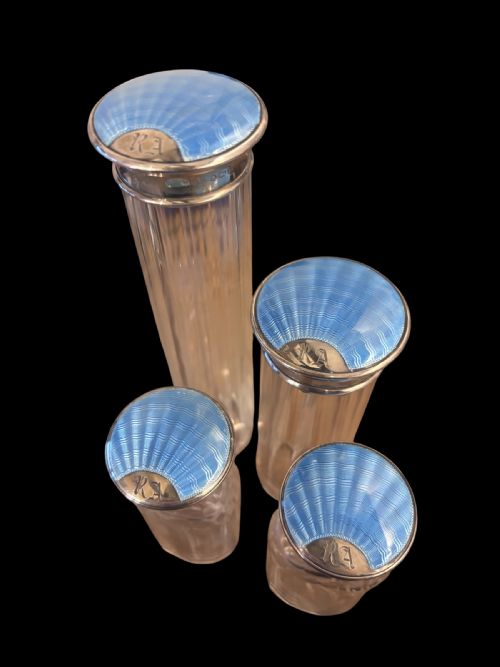
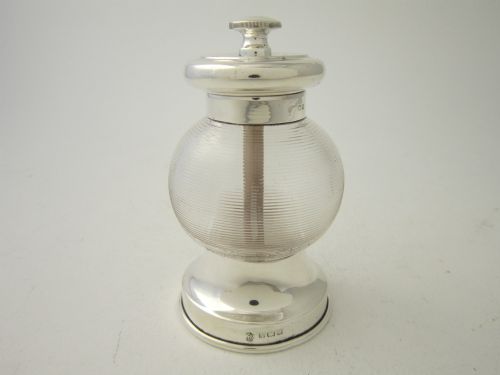
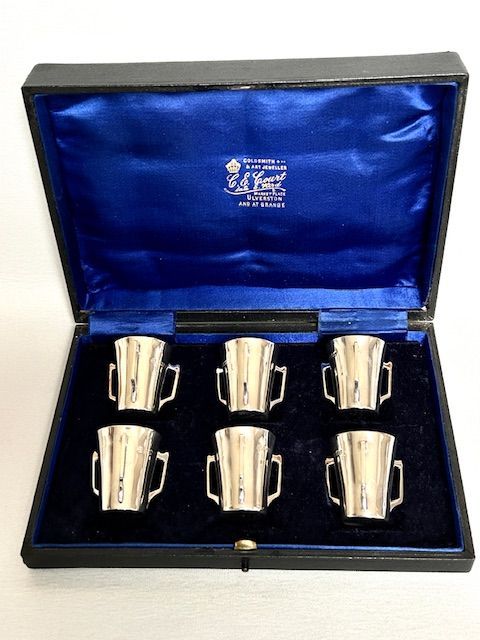
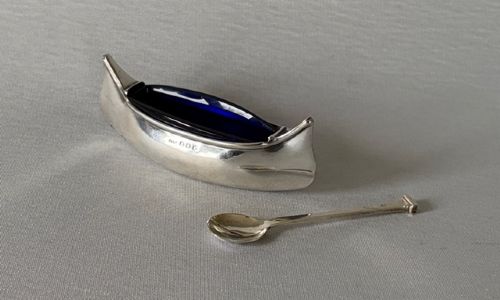
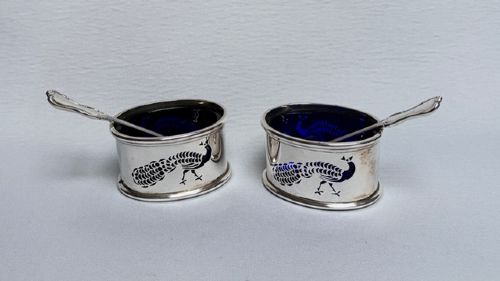
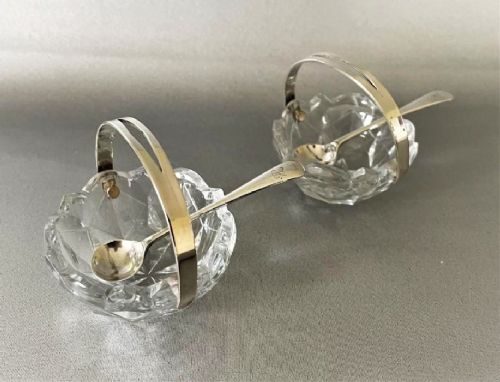
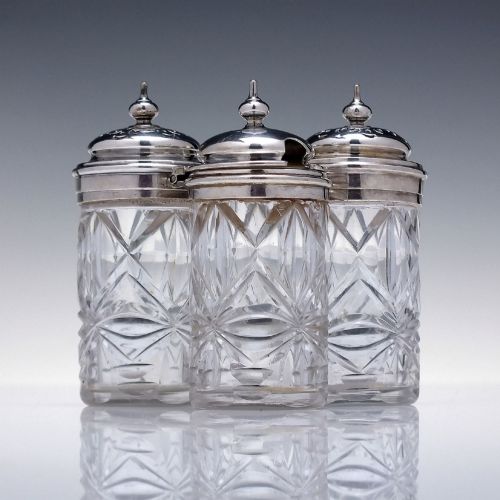
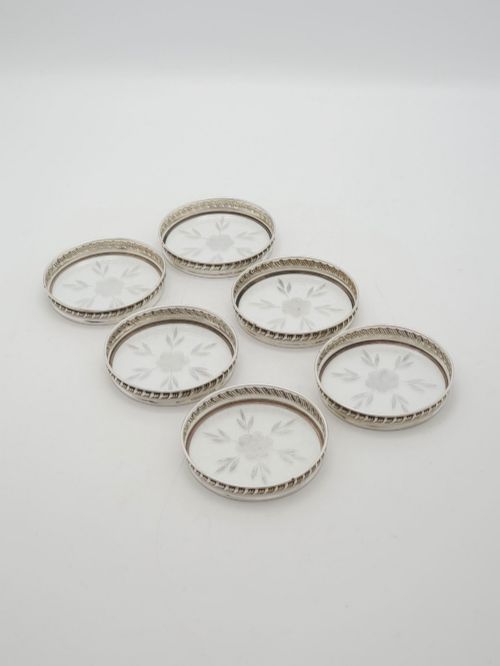
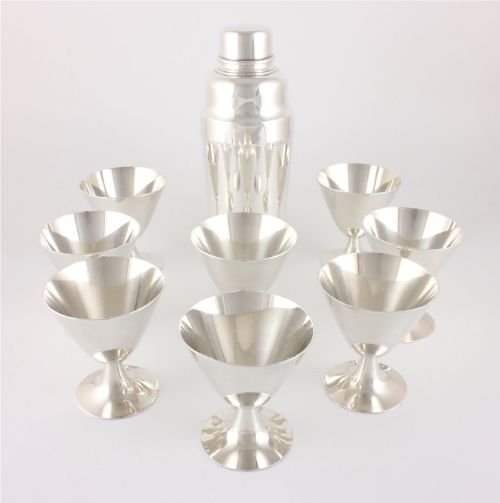
A glass and silver set brings together transparent vessels and gleaming metal mounts, spanning periods from the Victorian era through Edwardian decades and into the Art Deco epoch. Buyers browsing this selection encounter everything from tabletop cruet sets and condiment stands to tantalus decanter arrangements, desk accessories, and vanity ensembles.
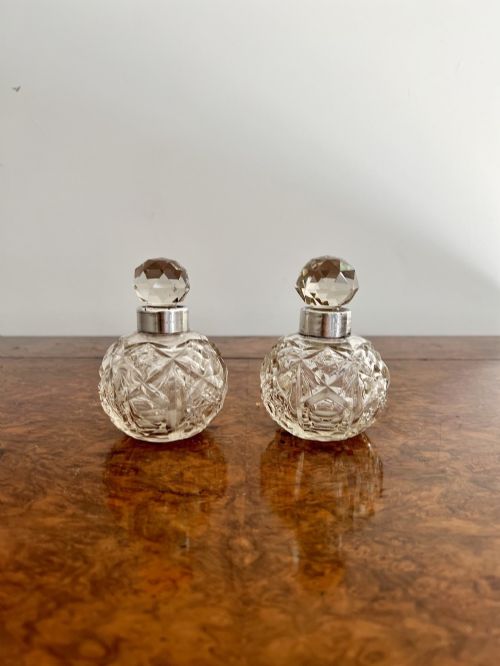
The objects derive from diverse domestic functions, including dining service, correspondence desks, and travel accessories. Cruet sets and salt cellars sit alongside inkstands, scent bottles, and jewellery sets featuring paste glass mounted in silver.
Originating primarily from British workshops, these combinations also encompass Continental silver and French designs. Oak and walnut bases frequently ground the heavier tantalus and standish pieces, anchoring the glittering materials above.
Materials and Technique
The manufacture relies on the pairing of heavy cut glass or crystal with sterling silver and silver plate. Glass components are blown, moulded, or deeply cut, while silver mounts are cast, hand fretted, or formed into delicate overlays.
Makers integrated organic timber frames, such as oak, coromandel, and burr walnut, to house decanters and inkwells securely. Velvet and paste glass further augment specific sets, demonstrating meticulous assembly across desk accessories and dressing table jars.
Glass and Silver Set Retail Price Guide 2026
Typical asking prices for glass and silver set among the pieces listed under this phrase on Sellingantiques today, from the lower quarter to the upper quarter. They describe what is for sale here now, not the wider market.
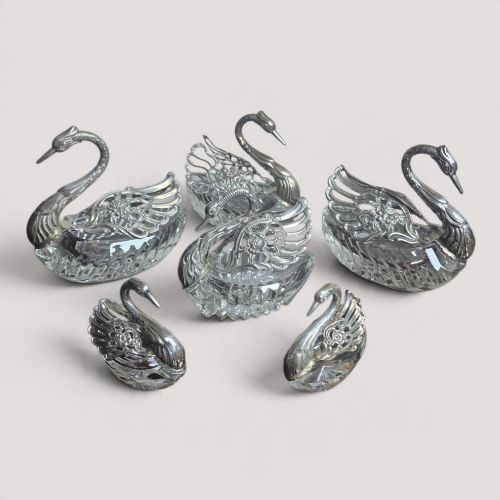
Swans made of cut glass and silver wait quietly on this page, ready to glide across a table.
Design and Execution
Distinctions in quality rest upon the crispness of the glass cutting and the weight of the metal mounts. Superior pieces display deep, sharp facets in the crystal and substantial gauges of sterling silver or heavy silver plating rather than thin coatings.
The precision of the joinery in fitted wooden bases, such as tantalus frames and standishes, separates standard items from exceptional examples. Furthermore, the integration of matching components, complete glass liners, and intact stoppers dictates the structural integrity of the set.
James Dixon And Sons·Elkington·Walker And Hall·William Comyns·William Neale·Gillows Of Lancaster
The Glass and Silver Set Glossary
- Tantalus
- A locking wooden frame holding decanters to prevent unauthorized access to the contents while displaying the glass and silver set within.
- Cruet set
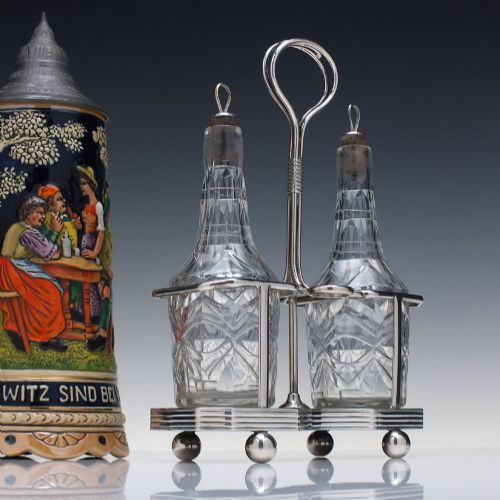
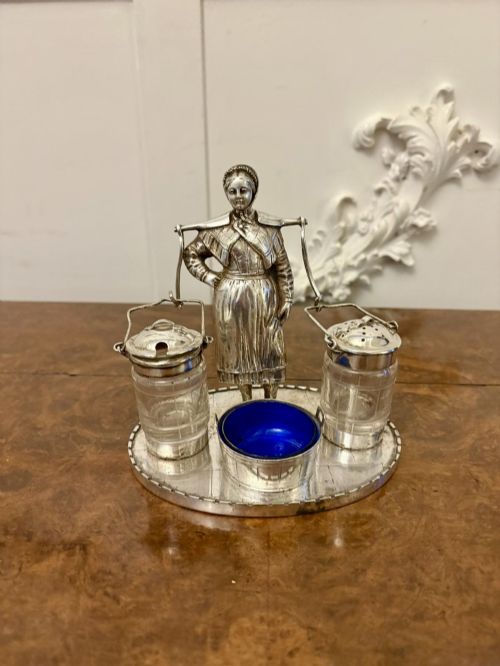
- A collection of glass bottles fitted with silver mounts, designed to hold condiments like oil, vinegar, salt, and pepper upon the dining table.
- Standish
- An inkstand or heavy desk tray incorporating inkwells, pen holders, and stamp boxes fashioned from silver and glass.
- Paste glass
- Hand-cut lead glass used to imitate gemstones within silver and gold jewellery sets and decorative mounts.
- Silver plate
- A base metal coated with a layer of silver, frequently utilised for the frames and stands supporting glass vessels.
Glass and Silver Set: Frequently Asked Questions
What is a glass and silver set?
A glass and silver set combines transparent vessels with metal mounts for domestic use.
These collections include cruet stands, decanters, and desk accessories spanning Victorian and Edwardian periods.
How were tantalus sets used?
A tantalus held decanters securely inside a locked wooden frame.
Owners kept spirits contained while displaying the cut glass and silver components on sideboards.
How do I identify Edwardian pieces?
Edwardian items often feature lighter oak bases and bright silver plating.
Assay marks and stylistic cues help date cruet stands and inkwells to the early twentieth century.
How do I care for silver and glass?
Clean silver mounts gently with appropriate polishes to avoid touching fragile glass surfaces.
Wash cut glass vessels by hand in lukewarm water without harsh detergents.