


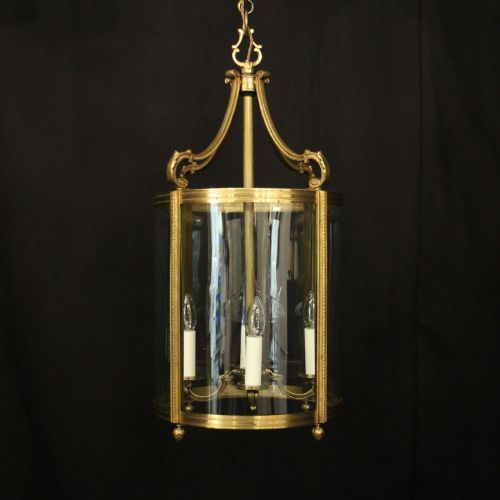


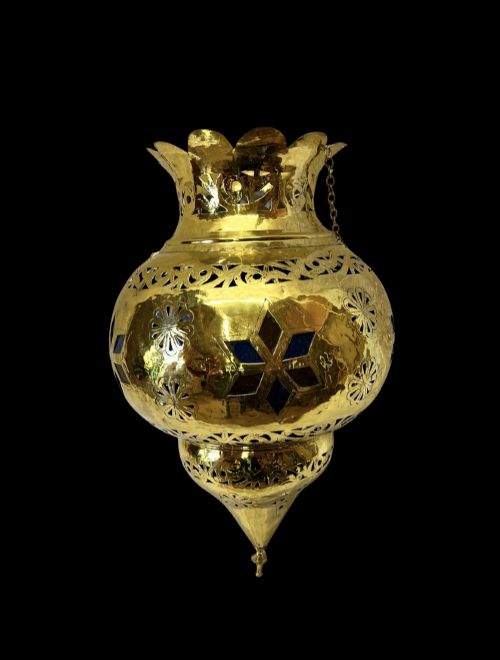


Glass and Metal Lantern
A glass and metal lantern brings architectural presence and clear light to a hall, combining structural metal frames with glass panes.
Glass and Metal Lantern
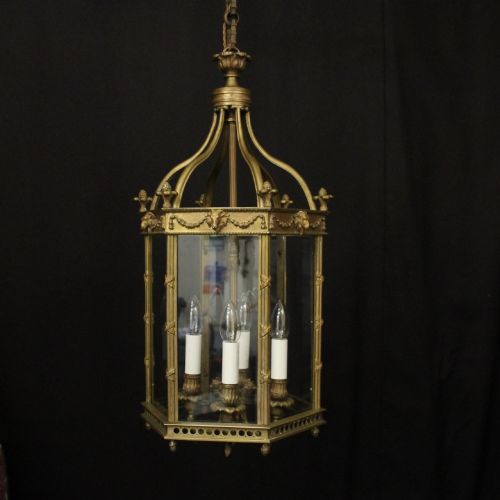
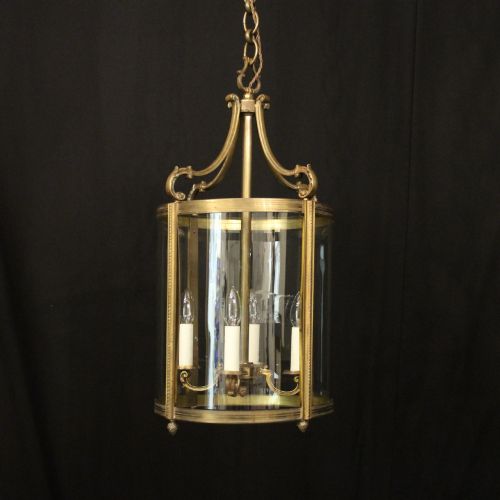
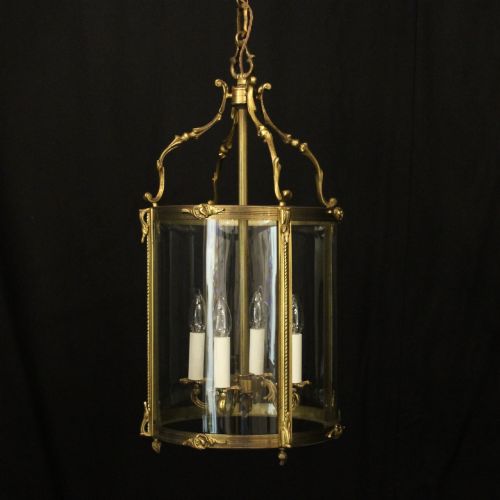
A glass and metal lantern serves primarily as a hanging entrance light or ceiling fixture designed to illuminate vestibules, stairwells and hallways. When you search for a glass and metal lantern, you encounter forms that range from simple Victorian carriage lamps to elaborate French hall fixtures.
The pieces listed here draw heavily from the nineteenth and early twentieth centuries, spanning periods from the eighteen-fifties through the nineteen-thirties. French designs featuring gilded bronze and convex glass appear frequently alongside English wrought iron and brass examples.
Makers adapted these hanging forms for different settings, producing everything from single light pendants to multi-light chandeliers and half lanterns intended for walls. The resulting variety encompasses Gothic Revival styling as well as later Art Nouveau curves.
Materials and Construction Methods
Frames rely on cast or wrought metals, including brass, copper, steel, cast iron and gilded bronze. Metalworkers formed structural cages to hold individual glass panels securely within the architectural frame.
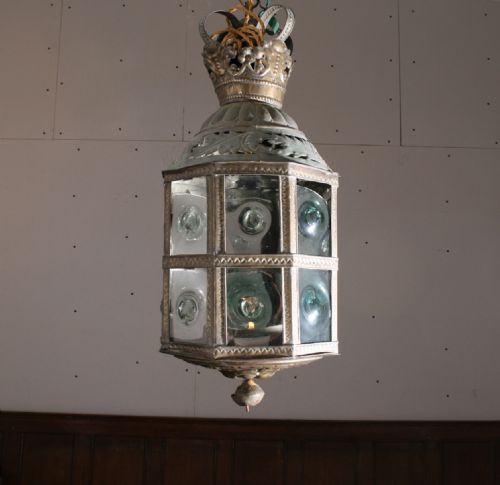
Glazing techniques varied from flat bevelled panes to hand-blown bullseye glass and textured prismatic plates. Artisans utilised silver gilding, polychrome paint and bronze finishes to decorate the metal surfaces before wiring or oil fitting took place.
Glass and Metal Lantern Retail Price Guide 2026
Typical asking prices for glass and metal lantern among the pieces listed under this phrase on Sellingantiques today, from the lower quarter to the upper quarter. They describe what is for sale here now, not the wider market.
Materials across the listings include brass, copper, steel, cast iron, wrought iron, gilded bronze and gilt bronze.
Distinctions in Quality and Make
Quality rests in the weight of the metal casting and the crispness of chased details on bronze and brass frames. Superior examples display substantial gauge metal rather than thin sheet construction.
The glass contributes significantly to the grade of the piece, with hand-blown panes, bevelled edges and complex convex profiles showing greater craftsmanship than standard flat glass. Original gilding and integrated structural hardware elevate the standing of an antique lantern.
The Glass and Metal Lantern Glossary
- Convex glass
- Curved glass panels that project outward to diffuse light across a wider angle. They require specialist manufacturing techniques.
- Gilded bronze
- Bronze metal treated with a thin layer of gold leaf or gilt finish. This technique protects the underlying bronze while adding a rich metallic lustre.
- Hall lantern
- A ceiling-hung light fixture designed specifically for entrance halls and corridors. These fixtures often feature enclosed glass sides to shield the flame or bulb.
- Holophane
- A brand of scientific glass ribbed to direct and refract light efficiently. It appears on industrial and architectural light fittings from the early twentieth century.
- Toleware
- Painted or lacquered sheet metal items produced in decorative styles. Toleware lanterns often feature polychrome finishes.
Glass and Metal Lantern: Frequently Asked Questions
Where should I hang a hall lantern?
A glass and metal lantern suits entrance halls, high-ceilinged corridors and stairwells where an overhead focal point is needed. Ensure the drop allows adequate clearance beneath the fixture.
For best results, match the scale of the lantern to the proportions of the room so the metalwork commands the space without crowding it.
Are these lanterns wired for electricity?
Many period lanterns have been adapted for modern electrical use while retaining their original frames and glass panels. Some retain oil lamp mechanisms or require professional rewiring.
Check the internal fittings to determine if an electrician needs to update the bulb holders for safe household operation.
How do I date an antique lantern?
Dating relies on examining the construction of the metal frame, the method of joining the corners, and the characteristics of the glass panes. Victorian and Edwardian examples often display distinct casting marks and period wiring channels.
Stylistic cues such as Gothic Revival tracery or Art Nouveau curves also point toward specific decades of manufacture.
How do I clean a glass and metal lantern?
Careful dusting with a soft brush preserves delicate metal finishes like gilded bronze or silver gilt. Glass panels can be removed or wiped gently with a damp cloth.
Avoid abrasive metal polishes that might strip original patination or damage applied surface treatments on the brass and copper.