

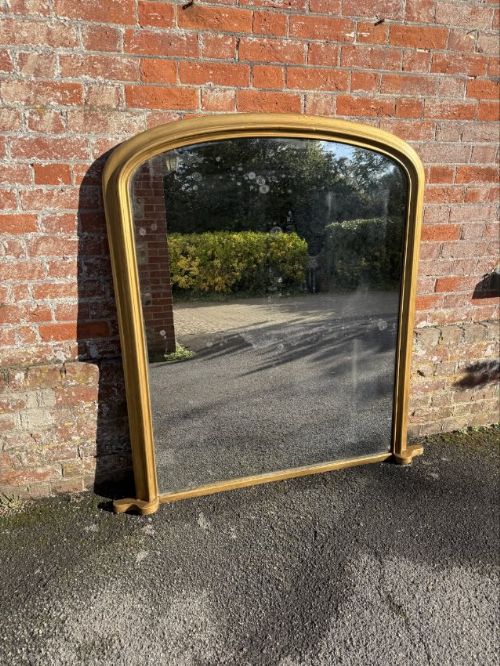
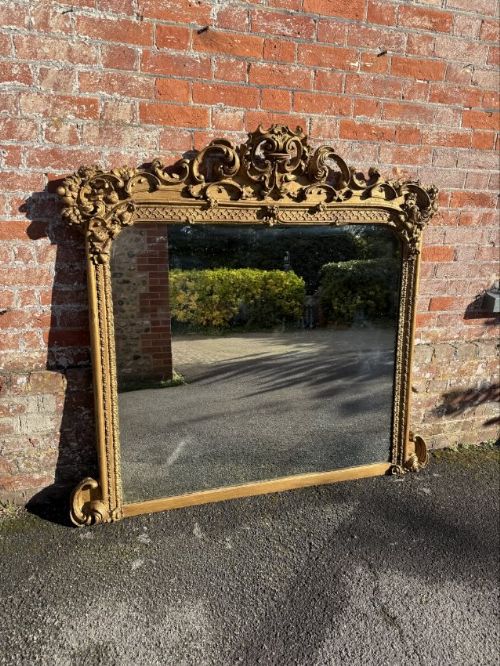
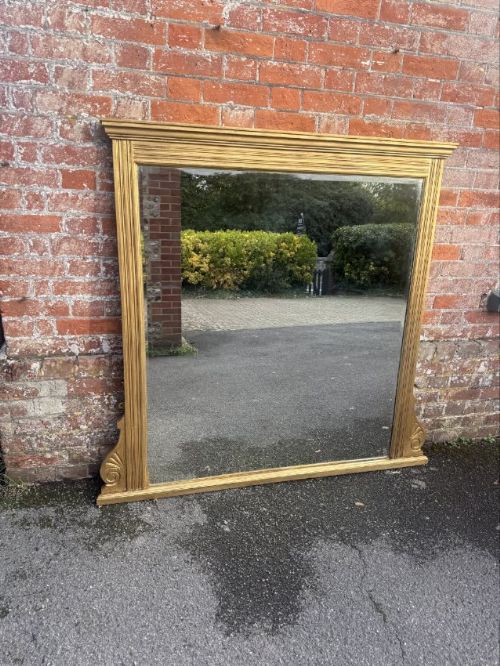
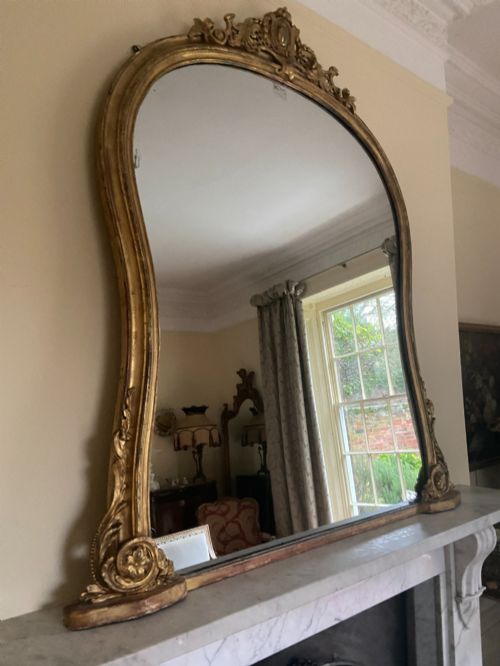
Giltwood Overmantle Mirror
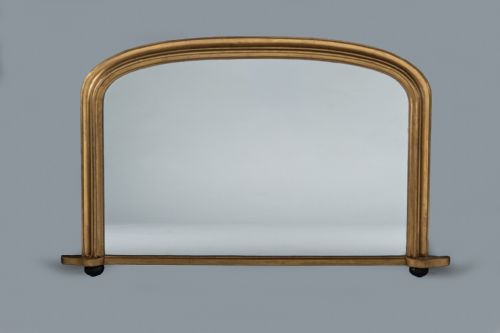
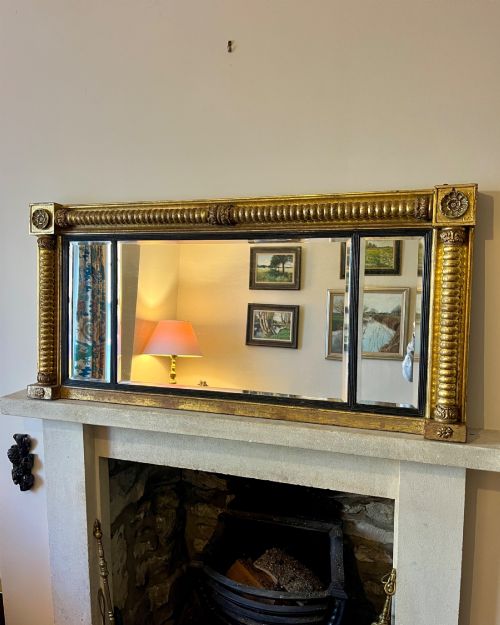
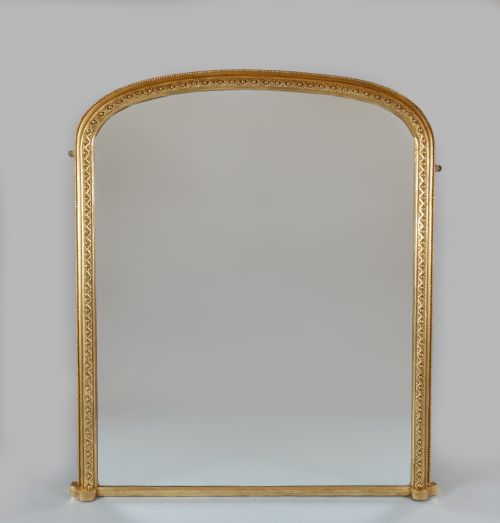
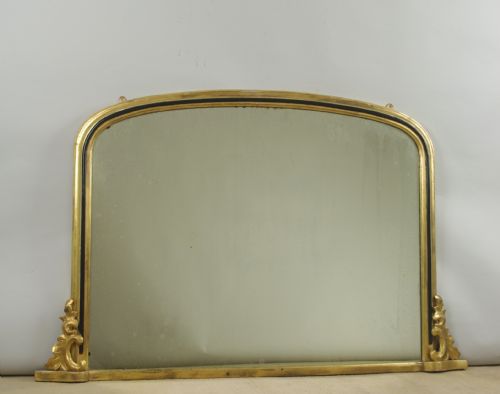
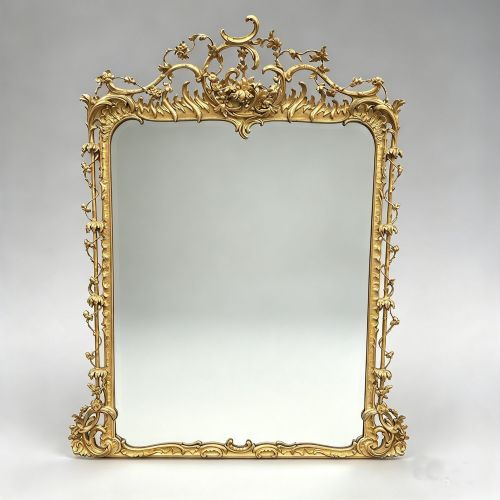
A giltwood overmantle mirror brings monumental scale and brilliant reflection to a chimney breast, capturing the grandeur of nineteenth-century reception rooms.
Giltwood Overmantle Mirror
A giltwood overmantle mirror is designed specifically to sit directly above a fireplace mantelpiece, reflecting light and filling the architectural void of a chimney breast. These substantial looking-glasses anchor a room through their imposing proportions and decorative frames.
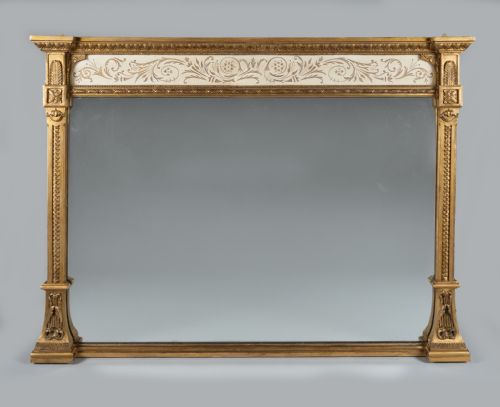
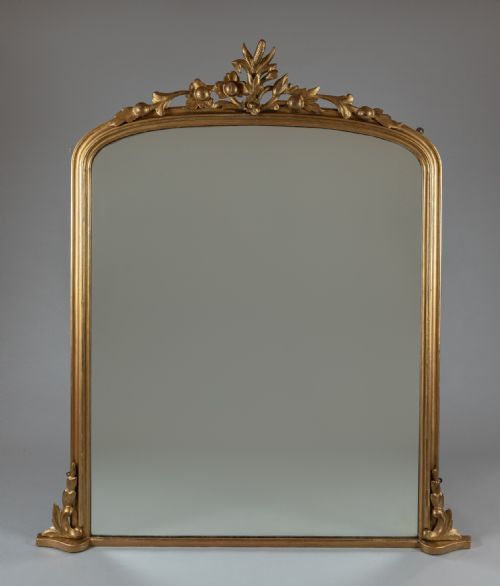
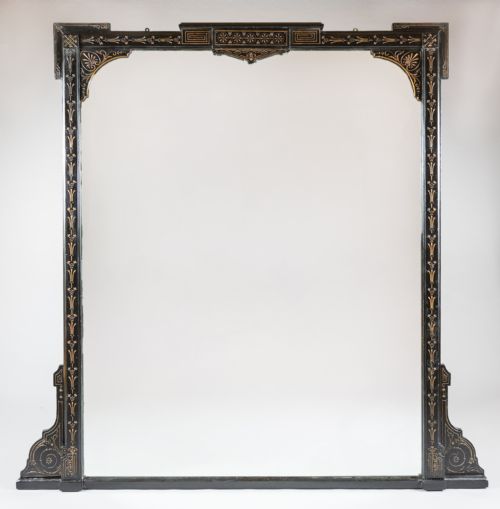
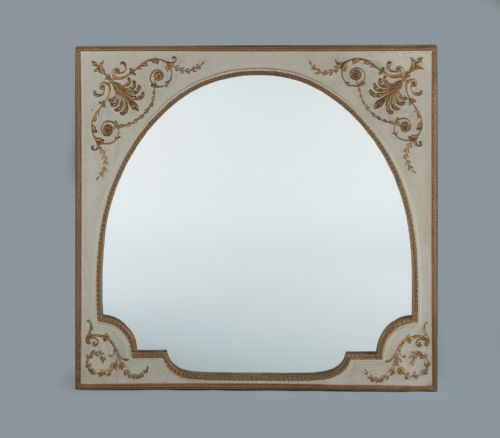
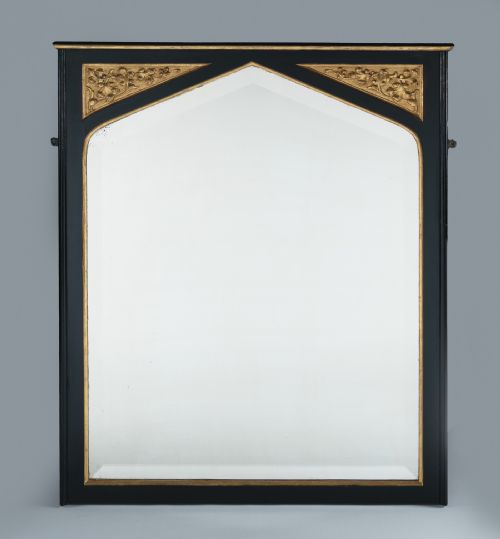
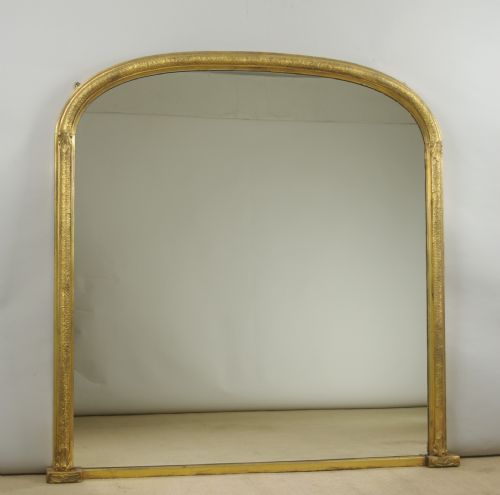
The pieces on this page are predominantly nineteenth-century works, spanning the Regency and Victorian eras alongside later Florentine interpretations. Visitors will frequently encounter arched tops, shaped frames, and rectangular formats created to command attention in a domestic interior.
Makers of these large wall fixtures employed styles ranging from ornate Rococo Revival and Neoclassical motifs to Louis Philippe restraint. Each variation reflects the prevailing interior tastes of the eighteen-fifties through to the early decades of the twentieth century.
Materials and Construction Techniques
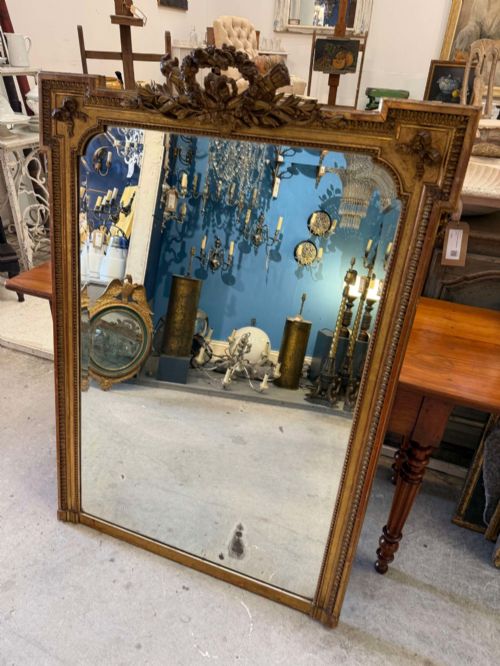
Craftsmen built the underlying carcass of a giltwood overmantle mirror using sturdy timbers like wood, upon which they applied layers of gesso and composition ornaments. This combination allowed workshops to carve and mould intricate architectural details, rope twists, and floral frames with sharp definition.
Surface brilliance relied on the application of gold leaf or gilding over the prepared gesso base, imparting a warm metallic lustre. Mirror glass was then fitted into the rebate, occasionally accompanied by white painted accents or structural wood framing.
Giltwood Overmantle Mirror Retail Price Guide 2026
Typical asking prices for giltwood overmantle mirror among the pieces listed under this phrase on Sellingantiques today, from the lower quarter to the upper quarter. They describe what is for sale here now, not the wider market.
Current listings feature pieces spanning from the nineteenth century into the twentieth century, incorporating materials such as gesso, carved wood, and mirror glass.
Distinctions in Quality and Craftsmanship
The division between standard production and top-tier execution rests on the depth of hand-carved woodwork versus moulded composition ornament. Superior examples display crisp, undercut foliage and harmonious proportions that integrate seamlessly with the architectural frame.
Original mercury or silvered mirror glass with age-appropriate foxing demonstrates authenticity and period integrity. The weight of the timber and the complexity of the gilt finish further distinguish ambitious statement pieces from simpler domestic looking-glasses.
The Giltwood Overmantle Mirror Glossary
- Giltwood
- Wood that has been coated with gold leaf or metallic powder over a prepared ground. This finish provides the characteristic golden radiance seen on period frames.
- Gesso
- A plaster-like mixture applied to wooden frames as a smooth base for gilding and low-relief moulding. It allows intricate decorative details to be shaped onto the structure.
- Overmantel
- A decorative fitting designed specifically for placement above a fireplace mantelpiece. These pieces traditionally occupy the central wall space of a formal reception room.
- Composition
- A moulded paste of whiting, resin, glue, and linseed oil pressed into decorative motifs. Workshops used this material to replicate elaborate carvings efficiently.
- Foxing
- Age-related spots and discolouration within the silvered backing of antique mirror glass. This natural oxidation process confirms the considerable age of the looking-glass.
Giltwood Overmantle Mirror: Frequently Asked Questions
How do I hang a heavy overmantle mirror?
These large looking-glasses require professional wall fixings secured directly into brickwork or sturdy wall studs to support their substantial weight safely. Heavy-duty mirror brackets or concealed split battens distribute the load evenly across the frame.
Position the base of the frame so it rests securely on or just above the mantelpiece shelf, allowing the architectural structure to share the vertical weight.
Were these mirrors always meant for fireplaces?
While specifically designed to fill the expansive wall space above a hearth, nineteenth-century decorators frequently installed them on large pier walls between windows. Their immense scale reflected natural daylight deep into the interior spaces of period homes.
Placement shifted depending on the architectural layout of the room, though the chimney breast remained the primary location for grand domestic displays.
How do I distinguish Victorian from Regency styles?
Regency pieces often display restrained classical lines, restrained gilding, and architectural elements inspired by ancient Greece and Rome. They prioritize geometric clarity and refined proportion over excessive ornamentation.
Victorian examples tend towards exuberance, featuring heavy arched tops, elaborate rope twists, and exuberant Rococo Revival curves that fill the visual field.
Can I clean the antique gilt finish?
Dust the delicate giltwood frame gently with a dry, soft-bristled brush to remove surface particles without disturbing the underlying gold leaf. Avoid liquid cleaners, polishes, or abrasive cloths that can strip the historic finish.
Clean the mirror glass itself sparingly using a lint-free cloth and a mild glass cleaner applied to the cloth rather than sprayed directly onto the glass.