




Giltwood Mirror Shelf
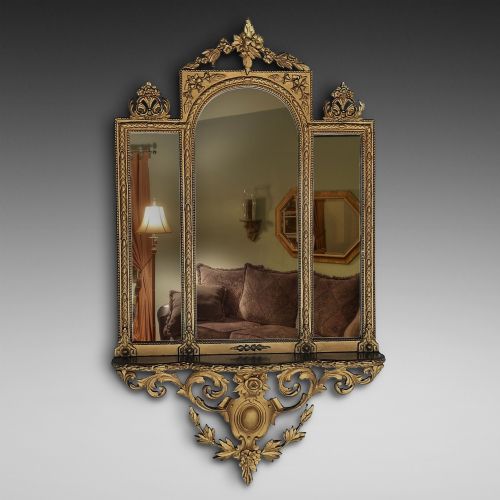
A giltwood mirror shelf combines reflective glass with a display surface, offering both a decorative focal point and a practical ledge for small objects.
Giltwood Mirror Shelf
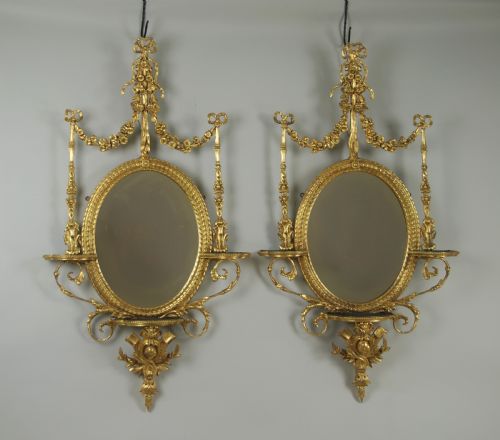
When you search for a giltwood mirror shelf, you encounter pieces primarily from the nineteenth century, including Victorian examples alongside French Chateau, Rococo Revival, and Neoclassical designs. These items function as wall mirrors incorporating integrated display brackets, ledges, or console shelves beneath the glass.
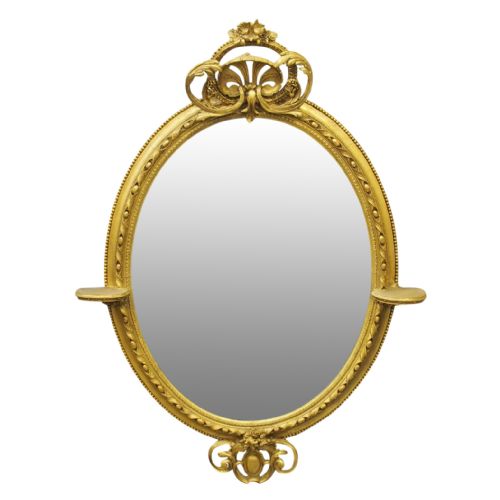
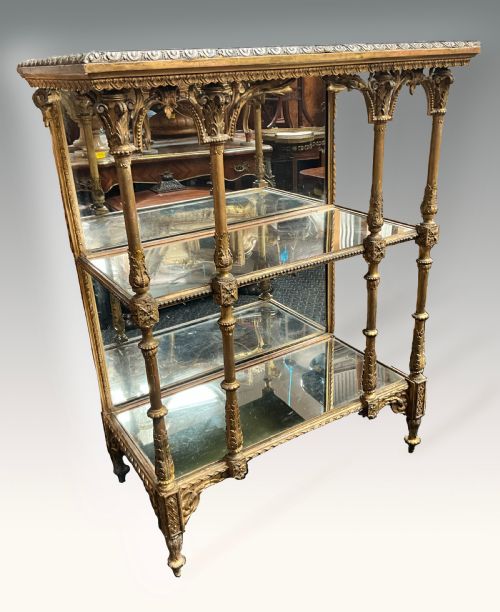
The forms on this page range from overmantel mirrors and pier glasses to dedicated wall display shelves and girondoles. Most examples hail from the Victorian era, spanning decades such as the 1860s, 1870s, and 1880s, with occasional later twentieth-century interpretations.
Makers and regional styles represented include Irish nineteenth-century pieces and Venetian works. Buyers find everything from compact oval wall mirrors with display brackets to large English overmantel mirrors fitted with gilded ledges.
Materials and construction methods
These pieces are constructed using wooden substrates, often walnut or painted wood, which are then finished with gesso and giltwood. Gesso provides the smooth, mouldable base layer required for intricate ornamentation before the application of gold leaf or gilding.
Glass and mirror glass form the reflective surfaces, paired with structural elements in brass and composition. The decorative details rely on moulded composition applied over gesso to achieve the high relief seen in Rococo Revival and Neoclassical styles.
Giltwood Mirror Shelf Retail Price Guide 2026
Typical asking prices for giltwood mirror shelf among the pieces listed under this phrase on Sellingantiques today, from the lower quarter to the upper quarter. They describe what is for sale here now, not the wider market.
Keep an eye out for winged cherubs peering out from beneath the display brackets.
Distinctions in quality
Quality in these items rests upon the crispness of the gesso and giltwood modelling. Finer pieces display deep, sharply defined ornamentation along the frames and display brackets, whereas lesser examples show softer, shallower relief work where details blur.
The integration between the mirror frame and the shelf or display bracket marks another distinction. Superior items demonstrate secure, seamless structural joinery that supports the weight of the ledge without compromising the symmetry of the glass.
Strahan of Dublin·Pauly et Cie
The Giltwood Mirror Shelf Glossary
- Giltwood
- Wood that has been covered with a thin layer of gold leaf. This finish defines the characteristic metallic sheen of the frames.
- Gesso
- A plaster-like mixture applied to wooden bases to create a smooth surface for carving or moulding. It forms the foundation for subsequent gilding.
- Pier glass
- A tall mirror designed to hang on the pier, the solid wall space between windows. These often incorporate lower shelves or consoles.
- Girondole
- A decorative wall mirror featuring attached candle branches or brackets. They reflect candlelight to increase illumination in a room.
- Overmantel mirror
- A large mirror designed to be positioned directly above a fireplace mantel. Many include integrated brackets or small ledges.
Giltwood Mirror Shelf: Frequently Asked Questions
What is a giltwood mirror shelf?
A giltwood mirror shelf is a wall-hanging mirror featuring a built-in ledge, bracket, or console shelf. These pieces combine reflective glass with a display surface for small decorative objects.
Most examples found here date from the nineteenth century and showcase Victorian, Rococo Revival, or Neoclassical styles.
Where were these hung historically?
Historically, these items were placed in principal reception rooms such as drawing rooms and parlours. Overmantel versions hung above fireplaces, while pier glasses occupied wall spaces between windows.
The integrated shelf held small ornaments, porcelain, or clocks, making use of vertical wall space.
How do I style one at home?
Integrate a mirror shelf into a room by mounting it above a mantelpiece, sideboard, or console table. The ledge allows you to display a small trinket or candle while the mirror opens up the surrounding wall space.
Ensure the wall fixings match the weight of the wooden and glass construction.
How can I tell Victorian pieces apart?
Victorian pieces encompass various distinct revivals, including Rococo Revival, Neoclassical, and French Chateau influences. Examining the motifs, such as cherubs or scrolling foliage, helps identify the specific aesthetic.
Materials like gesso, composition, and giltwood provide clues to the manufacturing decade.