
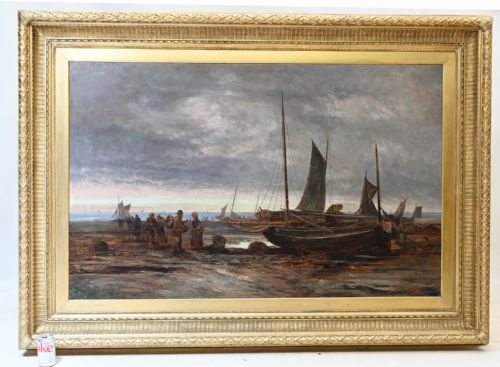


Giltwood Marine Painting
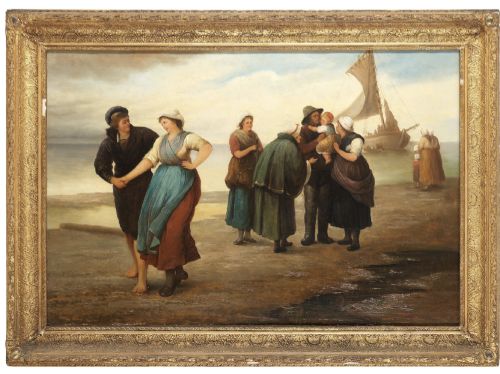
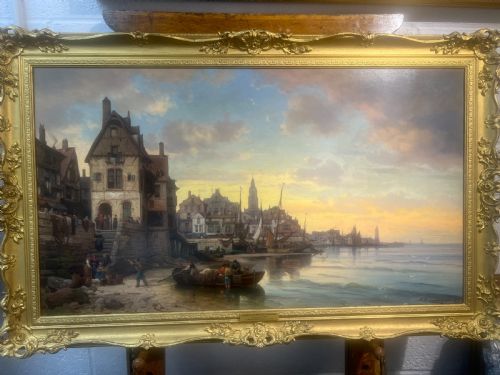
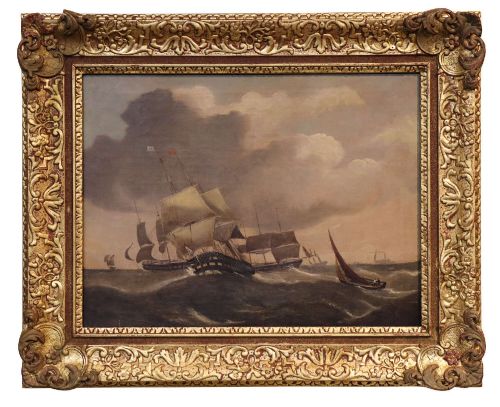
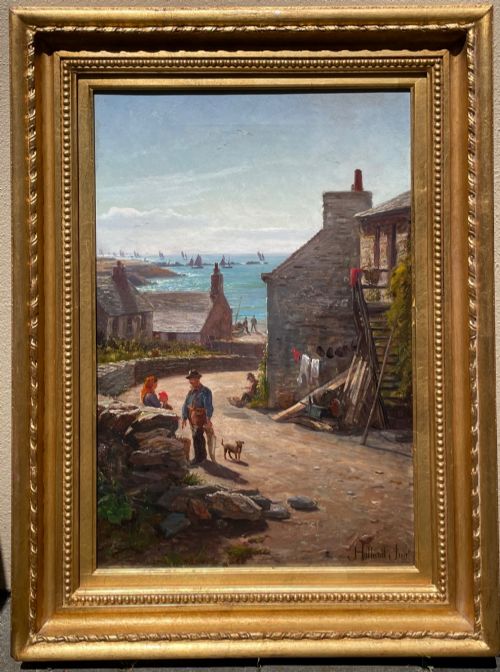
A giltwood marine painting brings historical coastal scenes into a room through oil on canvas encased in ornate wooden frames.
Giltwood Marine Painting
When you search for a giltwood marine painting, you encounter oil on canvas works depicting maritime subjects, shipping, and coastal views framed in gilded wood. These pieces span the eighteenth century, the Victorian era, and the mid-twentieth century, capturing sea vessels and coastal landscapes.
The versions most common on this page are nineteenth-century Victorian works alongside French and Dutch school paintings. They range from intimate domestic canvases to massive country house formats featuring heavy seas, calm harbours, and Venetian lagoons.
How they were made
Artists painted with oil on canvas, applying layers of oil paint to build texture and atmospheric light across seascapes and harbour scenes. Canvases were then mounted into frames constructed from wood and gesso, finished with layers of gold leaf or giltwood.
Makers shaped the giltwood frames with carved details that complement the maritime subject matter. The combination of oil paint pigments and reflective gold leaf creates depth within the domestic or country house setting.
Several artists clearly braved the chop, capturing everything from serene Venetian lagoons to the turbulent reality of pounding channel waters.
What varies in quality
Quality rests in the handling of the oil paint, the depth of the maritime subject matter, and the execution of the surrounding giltwood frame. Masterful handling of light on water distinguishes the finest canvases from simpler decorative works.
The presence of a signed attribution by known nineteenth-century painters elevates a piece, as does the scale and preservation of the massive country house frames.
Charles Euphraisie Kuasseg·John Holland·Pieter Cornelis Dommersen·George Morland·William Pitt·Roger de la Corbiere·Antoine Bouvard Senior·Jane Vivian·George Henry Knight·Ebeneezer Colls·Frank Myers Boggs·William Dommersen
The Giltwood Marine Painting Glossary
- Giltwood
- Wood that has been coated with gold leaf or a gold-colored finish. This material forms the ornate frames surrounding many historical canvases.
- Oil on canvas
- A painting technique using pigments bound in a drying oil medium applied to stretched fabric. This combination provides durability and rich colour depth.
- Gesso
- A plaster mix applied to wood before gilding to create a smooth surface for carving. It underpins the elaborate detail on antique frames.
- Marine art
- Artwork that depicts or draws its main inspiration from the sea, ships, and coastal views. These subjects range from heavy seas to calm harbour waters.
Giltwood Marine Painting: Frequently Asked Questions
What periods do these paintings come from?
The pieces span from the eighteenth century through the Victorian period and into the mid-twentieth century. Examples include works dated from the 1860s up to the 1950s.
Each era brings distinct framing styles and handling of maritime subjects, from Dutch realism to French school coastal scenes.
How do I care for giltwood frames?
Keep giltwood frames away from direct sunlight and sources of heat to prevent the gesso and gold leaf from cracking. Dust them very gently with a dry, soft brush.
Avoid using liquid cleaners or polishing compounds, which can strip the delicate gilt finish from the wood.
Where were these maritime scenes painted?
The canvases depict locations across British coasts, Welsh lakes, the Isle of Man, and European waters including Dutch canals and Venetian lagoons.
Artists travelled to ports and coastal villages to capture shipping vessels, fishing boats, and harbours directly from life.
How are canvas paintings constructed?
Painters applied oil paint onto stretched canvas using various brushwork techniques to render water, sky, and shipping vessels. These finished works were then secured into heavy wooden frames.
The frames often feature gesso preparation beneath the gold leaf to allow for intricate decorative mouldings.