


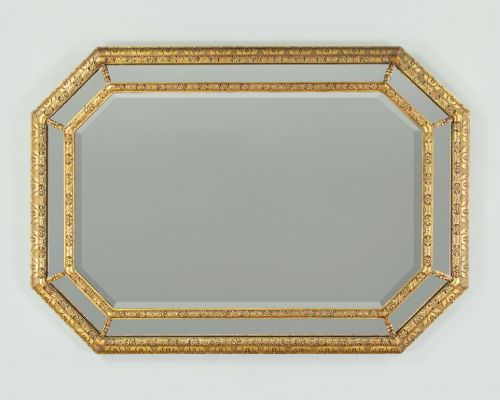
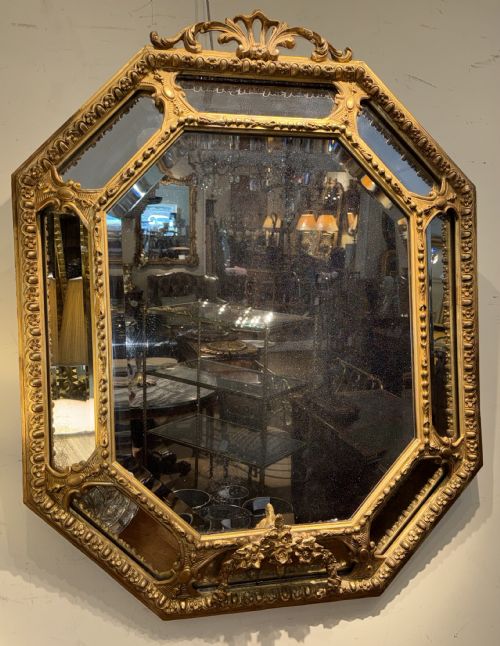


Giltwood Cushion Mirror
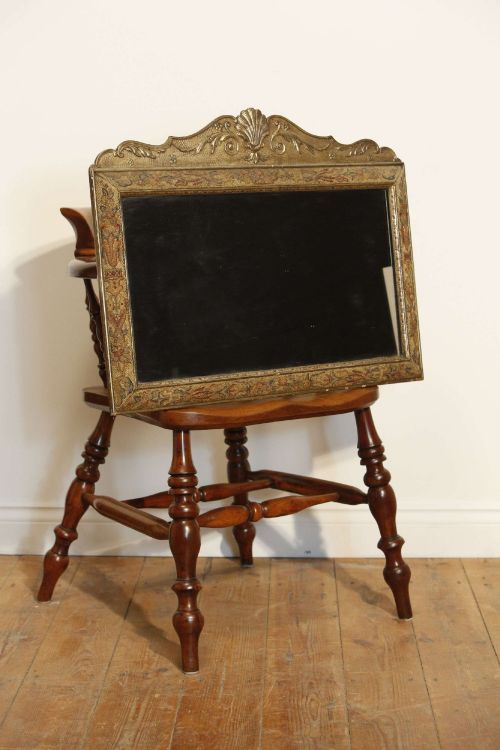
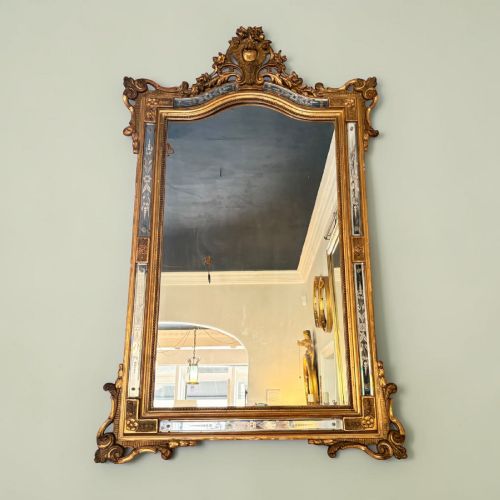
A giltwood cushion mirror brings intense luminosity and architectural depth to a room through its sloping, gold-leafed frame.
Giltwood Cushion Mirror
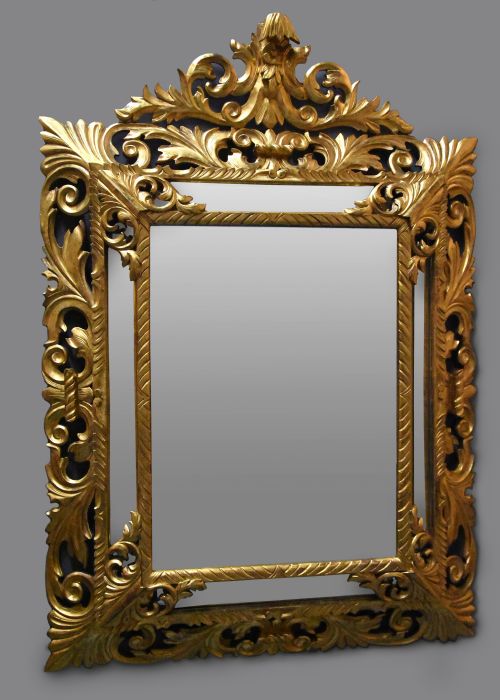
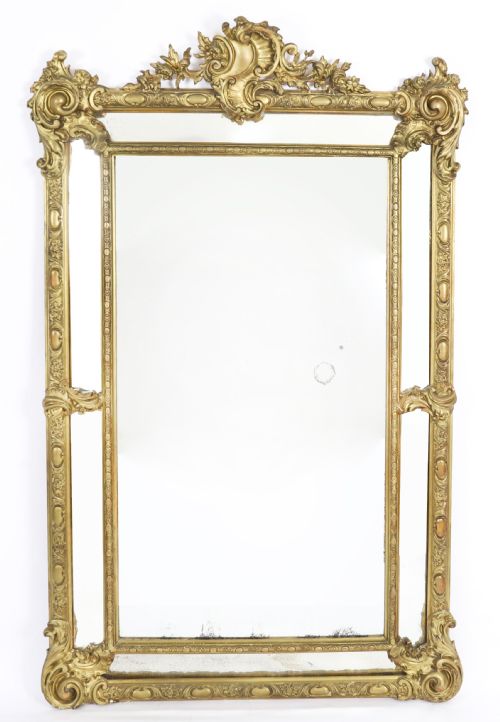
A giltwood cushion mirror centres on a convex or sloping frame profile that throws light back into the interior space from multiple angles. When you search for a giltwood cushion mirror, you encounter pieces that originate primarily from the nineteenth century, spanning Victorian and continental European revivals.
The forms range from large overmantel proportions designed for principal reception rooms to neat wall-hanging variants. French examples frequently adopt Louis Revival and Rococo styles, whilst Italian pieces display deep carving typical of Florentine workshops.
Most examples combine wooden carcasses with layered gesso and gold leaf. The glass plates themselves include bevelled mercury glass variants alongside later replacements, mounted securely within the distinctive rounded frame profile.
Materials and construction
The construction begins with a wooden base, upon which layers of gesso are applied and smoothed to receive intricate hand-carved details. Craftsmen then apply gold leaf over a prepared bole layer, burnishing selected areas to create contrasts between matte and reflective surfaces.
Glass plates are traditionally set from the rear and held with wooden retaining slips. Early pieces utilise mercury glass with characteristic mottled ageing, whilst the carved elements demonstrate the hand of the carver through crisp undercut foliage and scrollwork.
Giltwood Cushion Mirror Retail Price Guide 2026
Typical asking prices for giltwood cushion mirror among the pieces listed under this phrase on Sellingantiques today, from the lower quarter to the upper quarter. They describe what is for sale here now, not the wider market.
Materials recorded across the inventory include gesso, mercury glass, and traditional gold leaf applied over wood carcasses.
Evaluating craftsmanship and condition
Quality rests upon the crispness of the gesso carving and the depth of the gold leaf application. Finer pieces retain their original gilding with minimal intervention, showing subtle tonal variations across the moulded cushion contours.
The integrity of the wooden framework and the weight of the mirror plate dictate structural stability. Superior examples exhibit harmonious proportions where the cushion slope integrates seamlessly with corner blocks and crestings.
The Giltwood Cushion Mirror Glossary
- Giltwood
- Wood that has been coated with gold leaf or powder. This finish provides the bright, reflective surface characteristic of antique frames.
- Gesso
- A plaster mixture applied to wood carcasses as a smooth base for gilding. It allows carvers to achieve sharp decorative relief before leafing.
- Mercury glass
- A double-walled glass blown with a silvering mixture inserted between the layers. It creates a dark, mottled reflection often found in early mirrors.
- Overmantel mirror
- A large glass specifically designed to hang above a fireplace mantel. These pieces frequently match the grand scale of nineteenth-century reception rooms.
- Louis Revival
- A nineteenth-century decorative style drawing on seventeenth and eighteenth-century French royal aesthetics. It encompasses rococo scrolls and classical symmetry.
Giltwood Cushion Mirror: Frequently Asked Questions
Where should I hang a cushion mirror?
These mirrors suit principal reception rooms, hallways, or above a fireplace mantel where their reflective surfaces can amplify natural light.
Ensure the wall structure supports the substantial weight of the wooden and gesso frame before installation.
How do I identify nineteenth-century mirrors?
Examine the construction methods visible on the reverse, including handmade timber frames, traditional fixings, and early backing boards.
Glass characteristics such as bevels and silvering imperfections also help determine the production period.
What is mercury glass?
Mercury glass refers to double-walled blown glass silvered with a liquid mixture, creating a distinctive cloudy and reflective appearance.
This material predates modern chemical silvering processes and frequently shows characteristic dark spots.
How do I clean giltwood frames?
Dust the carved surfaces gently with a soft, dry brush to prevent damage to the delicate gold leaf layers.
Avoid liquid cleaners entirely, as moisture compromises the underlying gesso and wood.