



Gilt Wood Putto
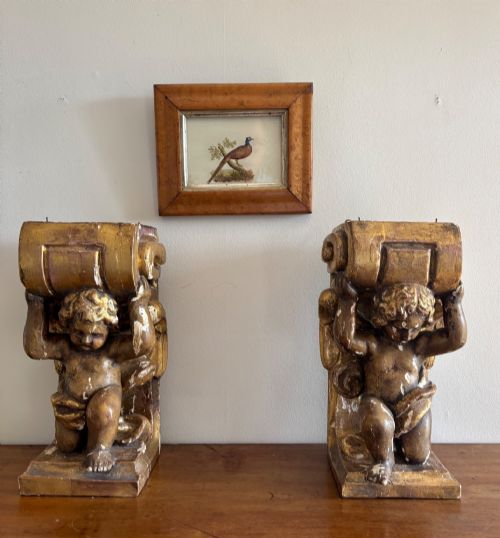
These gilt wood putto carvings bring theatrical Italian and French drama to a room, shifting light across carved timber and gold leaf.
Gilt Wood Putto
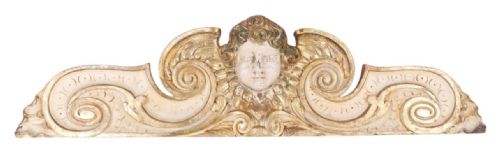
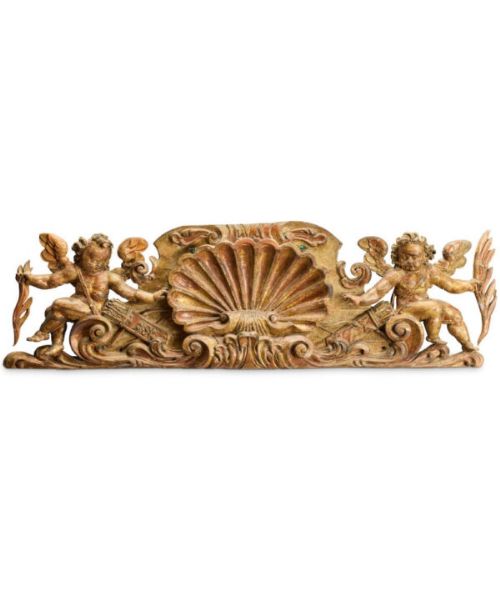
When searching for a gilt wood putto, a buyer encounters carved timber figures ranging from seventeenth-century Italian Baroque panels to nineteenth-century French wall brackets and architectural fragments. These pieces depict winged cherubs and infant figures, often integrated into larger decorative schemes like mirrors, pediments, and candelabra.
The most common examples on this page are nineteenth-century wooden gilt cherubs and wall-mounted elements, alongside earlier seventeenth-century limewood and panel fragments. Forms vary from standalone sculptural heads and pairs of angels to intricate architectural salvage and overmantel mirrors.
Origins stretch across European traditions, particularly Italian and French workshops working in styles from Baroque Revival to Rococo. Buyers frequently select these objects to mount on walls or above doors, introducing classical sculptural depth and historical texture to interiors.
Materials and construction
Carvers typically shaped these figures from solid timber substrates such as limewood or general carved wood, preparing the surface with gesso to create a smooth base for detail. This foundational layer allowed artisans to achieve soft facial expressions and feathered wing contours before applying the finish.
Makers applied gold leaf or parcel gilt over the gesso ground, sometimes combining silver giltwood with exposed wood grain to create tonal contrast. The interaction between the metallic leaf and the underlying preparation gives these surfaces their characteristic warm glow and aged patina.
Gilt Wood Putto Retail Price Guide 2026
Typical asking prices for gilt wood putto among the pieces listed under this phrase on Sellingantiques today, from the lower quarter to the upper quarter. They describe what is for sale here now, not the wider market.
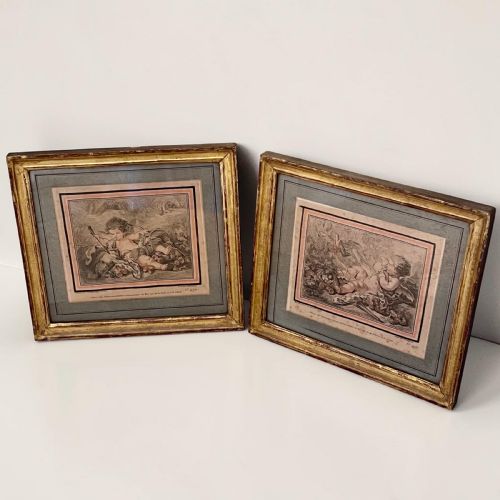
Object forms range from sculptural cherub heads and architectural fragments to wall mirrors, brackets, candelabra, and French engravings.
Assessing quality
The integrity of the original gesso and gold leaf surface determines the visual success of the piece, with finer examples retaining subtle tool marks and organic wear beneath the gilding. Excessive modern repainting or heavy-handed restoration obscures the original hand of the maker and flattens the relief.
Grinling Gibbons·Demarteau·Huet
The Gilt Wood Putto Glossary
- Putto
- A figure of a small chubby infant, frequently winged, common in Renaissance and Baroque art. These figures often represent mythological cupids or religious cherubs.
- Gesso
- A plaster-like mixture applied to wood as a base for gilding or painting. It provides a smooth surface that carvers can refine with fine details.
- Parcel Gilt
- A technique where only specific areas of an object are covered in gold leaf while other parts show the natural wood or base finish. This creates contrast across architectural elements and frames.
- Limewood
- A fine-grained timber favoured by carvers for its lack of prominent grain and ease of manipulation. It allows for intricate undercutting in sculptural work.
- Pediment
- A triangular or curved architectural crown placed above doors, windows, or mirrors. These structures often incorporate carved wooden cherubs and applied gilding.
Gilt Wood Putto: Frequently Asked Questions
What is a putto?
A putto is a representation of a small infant, usually winged, derived from classical art and frequently seen in European church decoration and domestic furnishings. Sculptors rendered these figures in wood, stone, and plaster to add a sense of lively movement to architectural spaces.
In later revival periods, carvers reproduced these motifs for mirrors, wall brackets, and overmantel panels, making them accessible for domestic interior decoration.
How were gilt wood figures used?
These carved wooden figures typically functioned as architectural embellishments, mounted above doors, integrated into mirror frames, or supported on wall brackets. Their golden surfaces caught candlelight and natural illumination within grand domestic interiors.
Today, collectors place them as standalone wall sculptures or incorporate them into gallery walls alongside paintings and prints.
How do I tell an 18th century piece from a 19th century one?
Seventeenth and eighteenth-century pieces often display deeper, more assertive tool work in timbers like limewood, reflecting distinct regional Baroque or Rococo sculpture traditions. The handling of the gesso and the wear patterns on the gold leaf provide clues to the age of the underlying material.
Nineteenth-century revival pieces frequently emulate these earlier aesthetics using mechanical aids alongside hand finishing, showing different preparation layers under the gilding.
How do I care for gilt wood?
Gilt wood surfaces require a stable environment away from direct sunlight, excessive heat, and moisture to prevent the gesso ground from cracking or lifting from the timber. Dusting should be done gently with a dry, soft brush without applying cleaning agents.
Avoiding abrasive cloths preserves the delicate metallic leaf and the historic patina built up over centuries.