



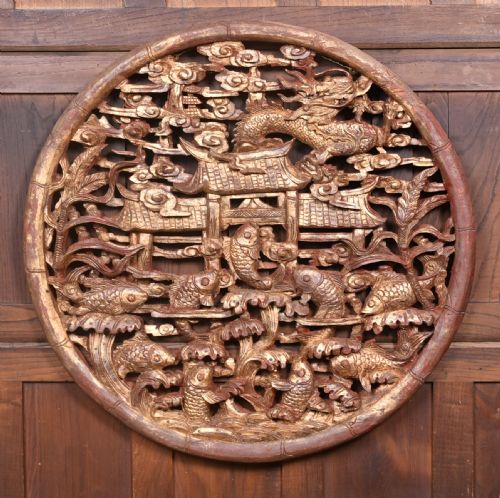
Gilt Wood Panel
A gilt wood panel brings architectural warmth and light into a room, offering centuries of carved detail and golden surface texture.
Gilt Wood Panel
A gilt wood panel brings together carved wooden support structures and reflective gold leaf finishes, spanning centuries of decorative design from European architectural elements to temple carvings.
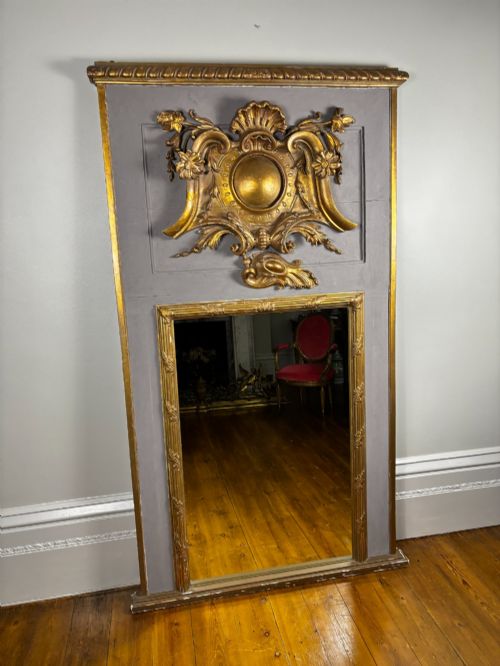
When searching for a gilt wood panel, a buyer encounters everything from Italian Baroque church fragments and French trumeau mirrors to Chinese temple plaques and painted wall decorations.
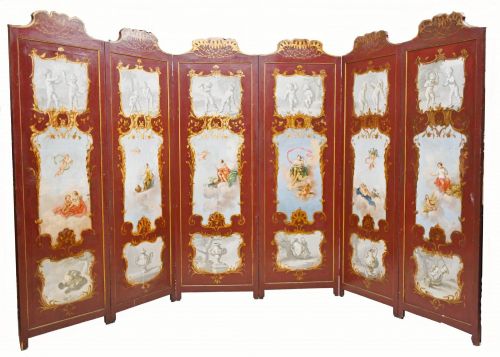
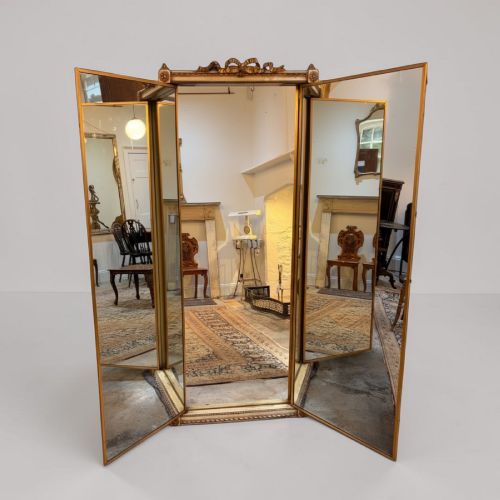
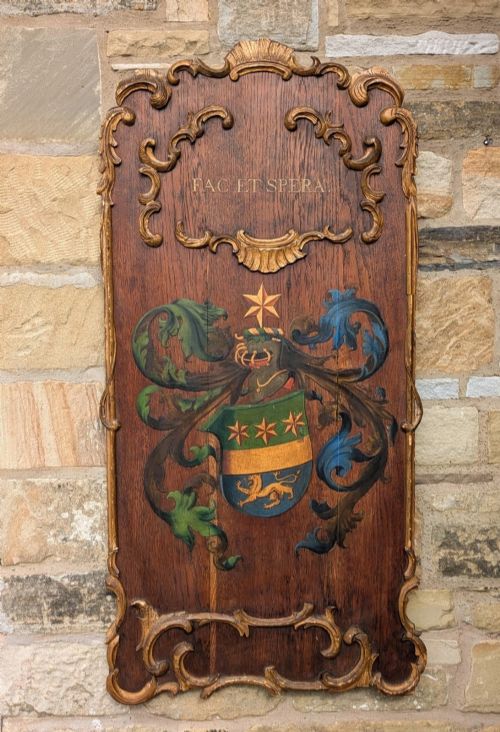
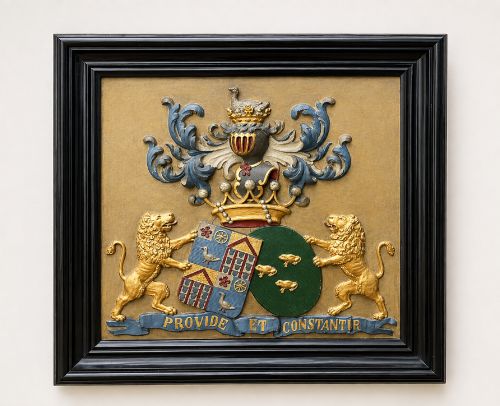
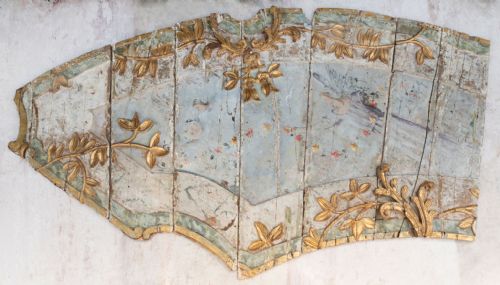
The pieces listed here capture various forms, including folding screens, heraldic plaques, and overdoor carvings, each showing how historic makers applied gilding to timber.
How they were made
Makers shaped solid timbers such as oak, mahogany, and rosewood, often applying a layer of gesso to smooth the wooden surface before laying down thin sheets of gold leaf.
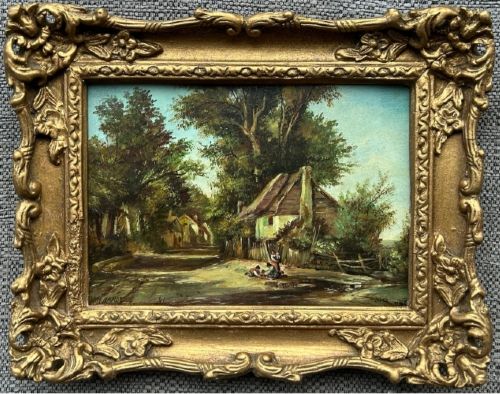
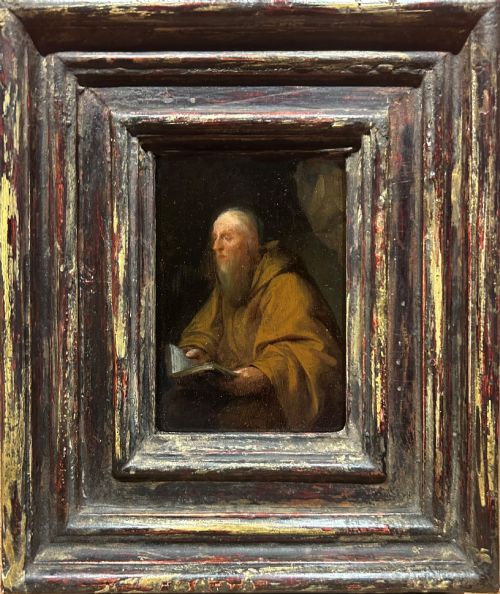
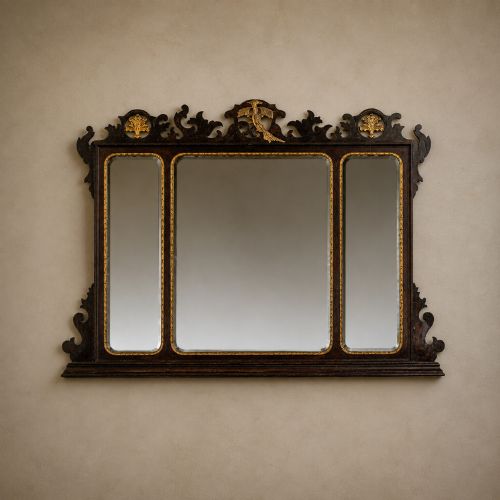
Many items combine carving with oil paint, tempera, or eglomise glass decoration, uniting woodcraft with painterly techniques across 17th-century portraits and 19th-century mirrors alike.
Gilt Wood Panel Retail Price Guide 2026
Typical asking prices for gilt wood panel among the pieces listed under this phrase on Sellingantiques today, from the lower quarter to the upper quarter. They describe what is for sale here now, not the wider market.
Listings feature items spanning the 17th, 18th, and 19th centuries, incorporating materials like gold leaf, gesso, oil paint, and carved wood.
What varies in quality
The depth and crispness of the wood carving distinguish finer architectural panels and frames from simpler decorative items, showing the hand of a skilled artisan.
The preservation of the original gold leaf and gesso layers determines the visual richness of the surface, revealing how well the piece has aged over centuries.
The Gilt Wood Panel Glossary
- Giltwood
- Timber decorated with gold leaf applied over a prepared gesso ground. This technique creates a luminous metallic surface on frames, mirrors, and architectural carvings.
- Gesso
- A plaster mix of gypsum or chalk combined with glue binder, painted onto wood to create a smooth base for gilding. It holds sharp detail in carved ornamentation.
- Trumeau
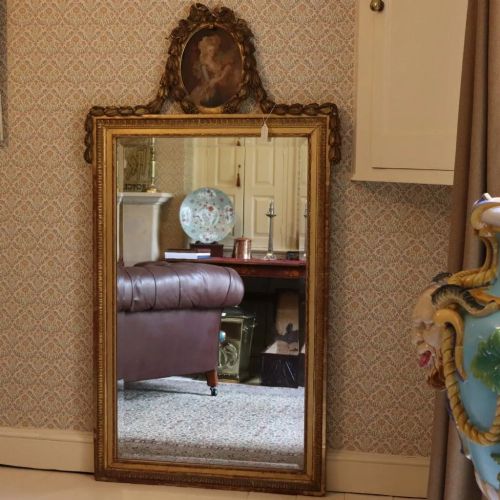
- A decorative wall mirror or panel featuring an oil painting or carved motif positioned above the glass. Originating in 18th-century France, it decorated drawing rooms.
- Eglomise
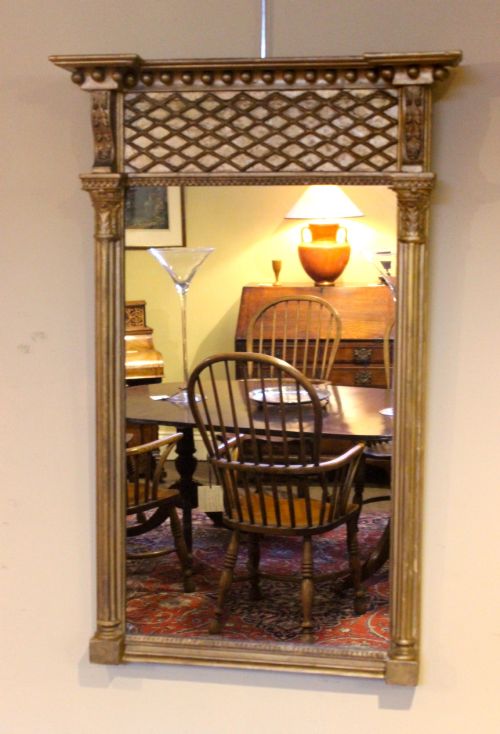
- The technique of cold painting and gilding on the reverse side of glass. It provides a reflective, decorative border often found on Regency pier mirrors.
- Pier glass
- A tall mirror designed to hang on the wall space between windows. These pieces often feature gilt frames and detailed pediments.
Gilt Wood Panel: Frequently Asked Questions
Where should I hang a gilt wood panel?
These pieces suit placement above mantels, console tables, or as focal points on plain walls where their reflective surfaces and carved details draw the eye.
Because many include mirrors or paintings, positioning them opposite a window helps bounce natural light deeper into the room.
How do I clean a gilded wooden surface?
Dust the carved areas gently with a soft, dry brush to prevent dirt from settling into the intricate crevices of the gesso and gold leaf.
Avoid using liquid cleaners, polishes, or damp cloths, as moisture and chemicals damage historic gilding over time.
What is the difference between a mirror and a panel?
A panel focuses on carved wood, painted scenes, or heraldic plaques without a reflective glass centre, emphasising sculptural relief and surface artistry.
Mirrors integrate glass plates into the gilt frame, serving a functional purpose while using the gold finish to amplify room illumination.
How do I date an antique carved panel?
Look closely at the tool marks on the reverse of the timber, the composition of the gesso beneath the gold, and the stylistic cues of the carving.
Comparing the decorative motifs, such as Baroque cherubs or Regency columns, helps place the object within its specific century of origin.