


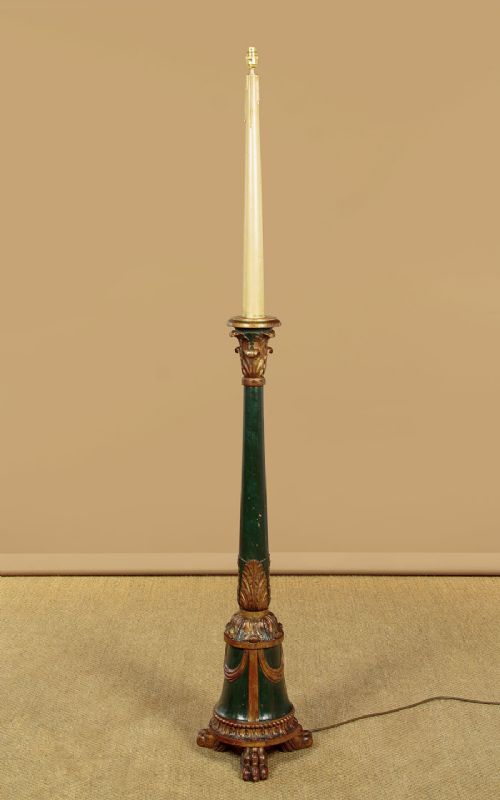


Gilt Wood Lamp
A gilt wood lamp brings warmth and metallic reflection to a room, drawing the eye through its carved detail and gilded surface.
Gilt Wood Lamp
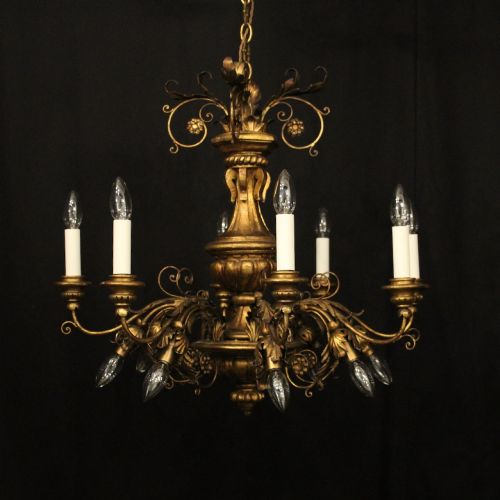
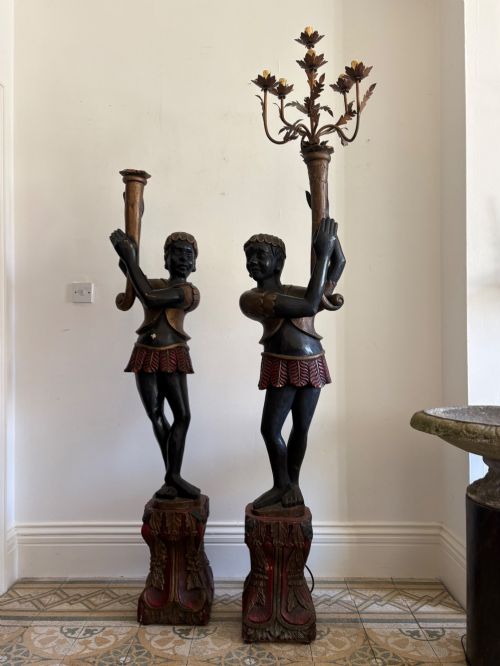
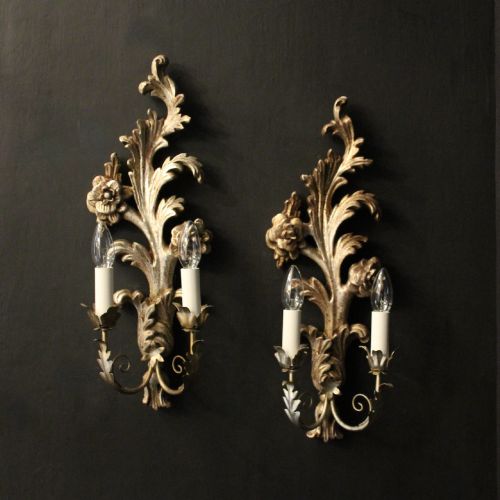
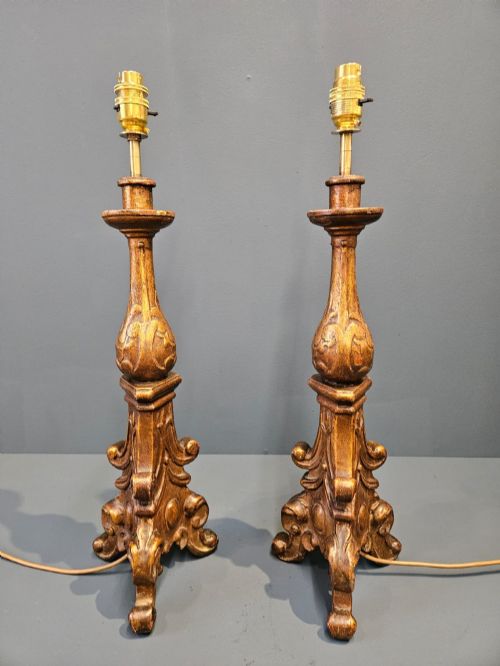
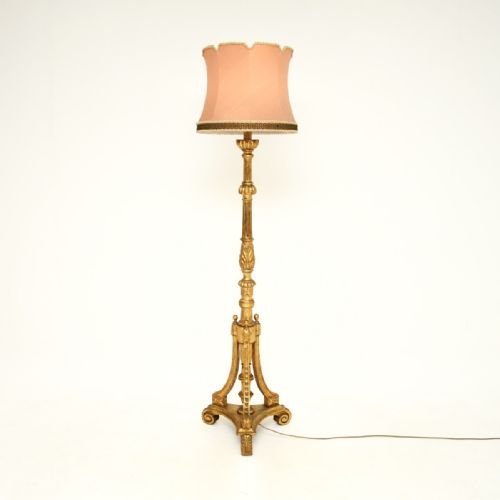
A gilt wood lamp is a lighting fixture or converted antique fashioned from timber and coated in gold leaf, silver gilt, or gesso, designed to sit on tables or stand directly on the floor. When searching for a gilt wood lamp, buyers encounter pieces originating from the eighteenth century through the 1930s, spanning styles such as Italian Baroque, French Rococo, Florentine, and Chinoiserie.
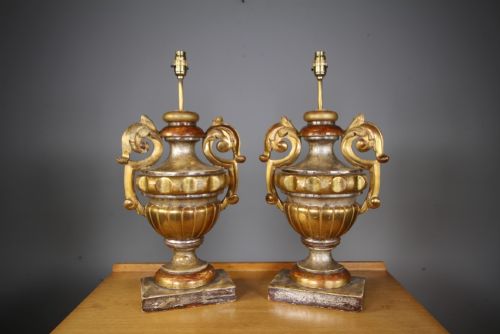
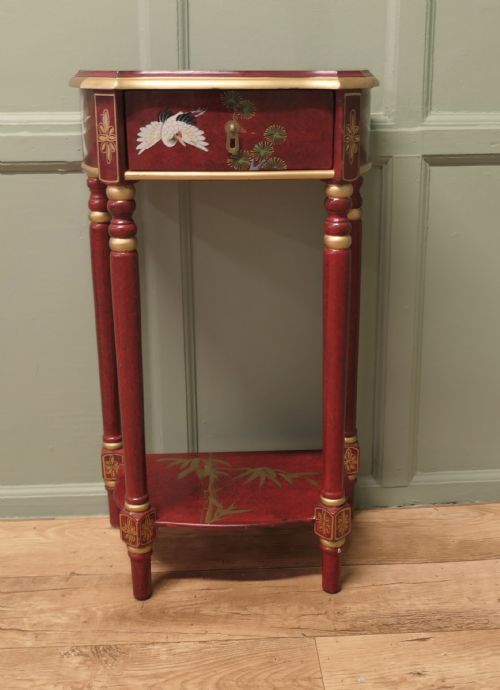
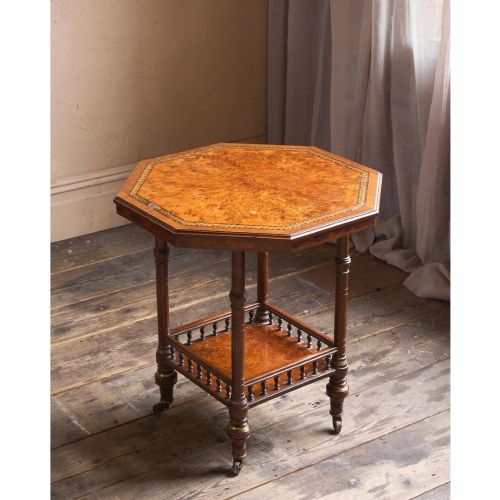
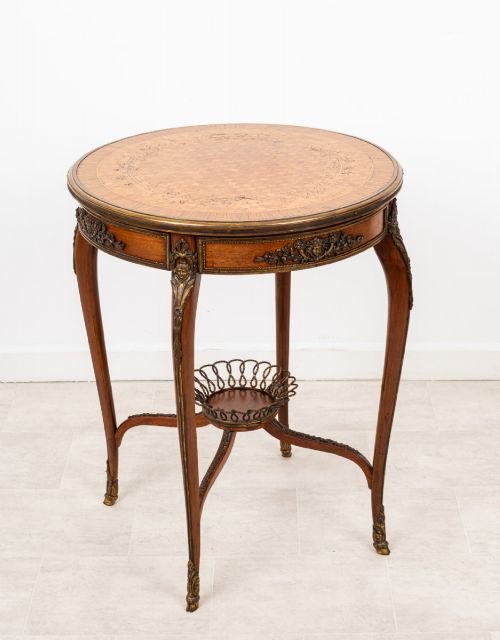
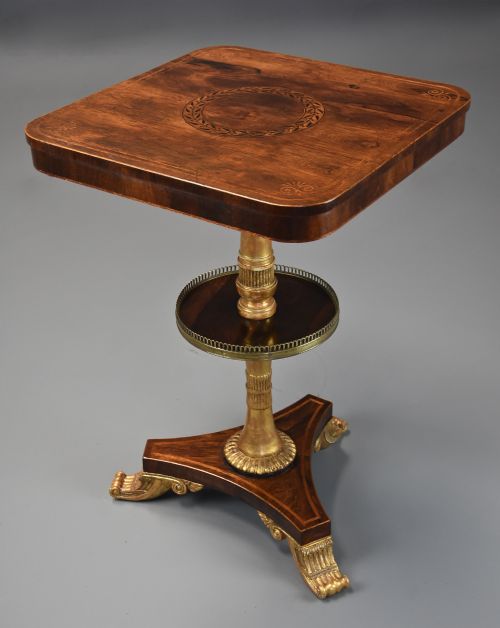
The most common forms on this page include standard floor lamps, table lamps converted from earlier candlesticks, urns, or architectural elements, and occasionally side tables adapted to hold lighting. Materials paired with the timber include brass, mahogany, lacquer, and marble tops, reflecting periods from Regency to the Victorian era and the early twentieth century.
How they were made
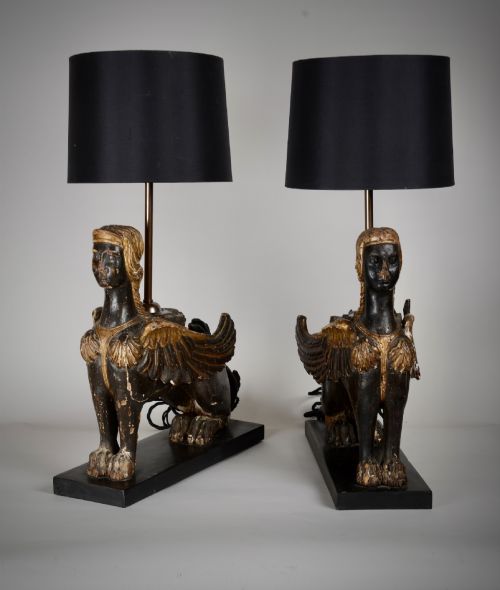
Makers constructed these pieces from solid hardwoods like mahogany, walnut, rosewood, and pine, often carving intricate details such as acanthus leaves, cherubs, sphinxes, or dolphins directly into the timber. Surfaces were prepared with gesso before the application of gold leaf or silver leaf, allowing the metallic layers to catch the light and accentuate the carved depth.
Many examples incorporate parcel gilding, where selected carved motifs are highlighted in gold against painted, lacquered, or polished wood grounds. Conversions of eighteenth-century altar candlesticks, French urns, and torchères into lamps demonstrate a history of adapting older ritual or decorative objects for modern domestic illumination.
Gilt Wood Lamp Retail Price Guide 2026
Typical asking prices for gilt wood lamp among the pieces listed under this phrase on Sellingantiques today, from the lower quarter to the upper quarter. They describe what is for sale here now, not the wider market.
Listings feature items spanning the 18th century through the 1930s, incorporating materials like gesso, brass, mahogany, and lacquer.
What varies in quality
Quality rests in the crispness of the hand-carved detail and the integrity of the gilded surface, distinguishing pieces with deep, articulate modelling from softer, more generalized castings or carvings. The handling of the gold or silver leaf, whether showing a rich, burnished depth or an even, sympathetic patination over gesso, dictates the visual impact of the piece.
The architectural balance of the standard or base also separates standard production from finer workshop output, particularly in balanced proportions and the harmonious integration of secondary materials like marble tops, brass mounts, or hand-painted Chinoiserie decoration.
Gillows·George Bullock·François Linke
The Gilt Wood Lamp Glossary
- Giltwood
- Wood that has been coated with gold leaf or metal leaf over a prepared gesso ground. This finish provides the characteristic metallic gleam seen on period frames, furniture, and lamp standards.
- Gesso
- A plaster-like mixture applied to wood surfaces as a smooth base for gilding. It allows carvers to achieve sharp details before applying gold leaf.
- Parcel Gilt
- A decorative treatment where only specific portions of an object are gilded, leaving the underlying wood or paint exposed. This technique creates contrast between the natural timber and the metallic highlights.
- Standard Lamp
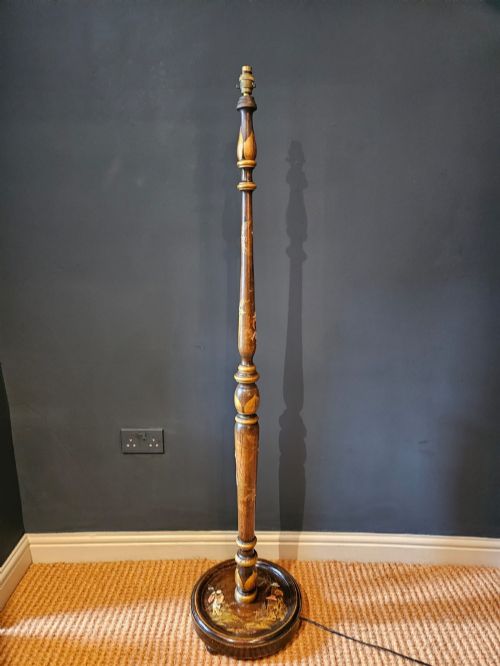
- A British term for a tall floor-standing lamp designed to illuminate a room from standing height. These pieces often feature substantial turned or carved wooden shafts.
- Chinoiserie
- A European decorative style influenced by Chinese art and design, popular in lacquerwork and painted furniture. Pieces in this style often feature hand-painted figures, landscapes, and motifs on red or dark grounds.
Gilt Wood Lamp: Frequently Asked Questions
Are these lamps converted from antiques?
Many examples are historical objects, such as eighteenth-century altar candlesticks, carved urns, or architectural fragments, that have been wired for electricity in later periods.
Other pieces were originally designed and constructed as floor or table lamps during the nineteenth or early twentieth centuries, retaining their original form and wiring adaptations.
How do I clean a gilded surface?
Gilded wood requires gentle dusting with a soft, dry brush or a microfiber cloth to prevent abrasion to the delicate metal leaf.
Moisture and chemical cleaners must be avoided entirely, as they can lift the underlying gesso and ruin the historical patination of the finish.
What periods do these lamps represent?
The selection spans from the eighteenth century through the Regency and Victorian eras, extending into the 1910s, 1920s, and 1930s.
Stylistic influences range from Italian Baroque and French Rococo Revival to Chinoiserie and Florentine designs, reflecting changing tastes in interior decoration.
How do I integrate a floor lamp into a room?
A tall standard lamp works effectively beside seating areas or in corners where ambient light is required, adding vertical height and texture.
The reflective quality of the gold or silver leaf introduces a warm glow that complements both traditional period interiors and more eclectic modern spaces.