




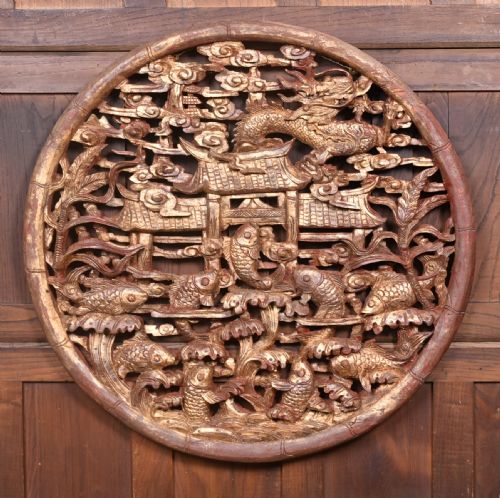
Gilt Wood Carvings
Gilt wood carvings bring centuries of decorative and religious devotion into a room, offering warm metallic light and deep sculptural form.
Gilt Wood Carvings
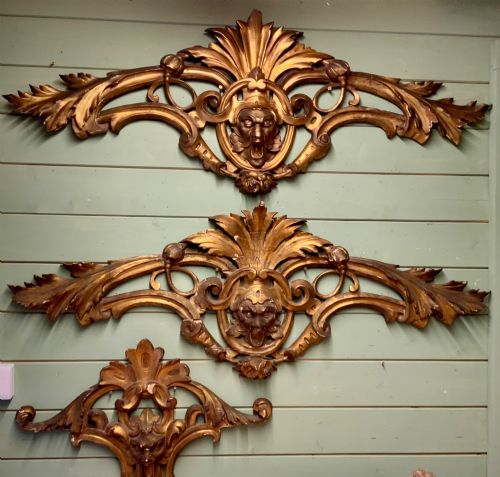
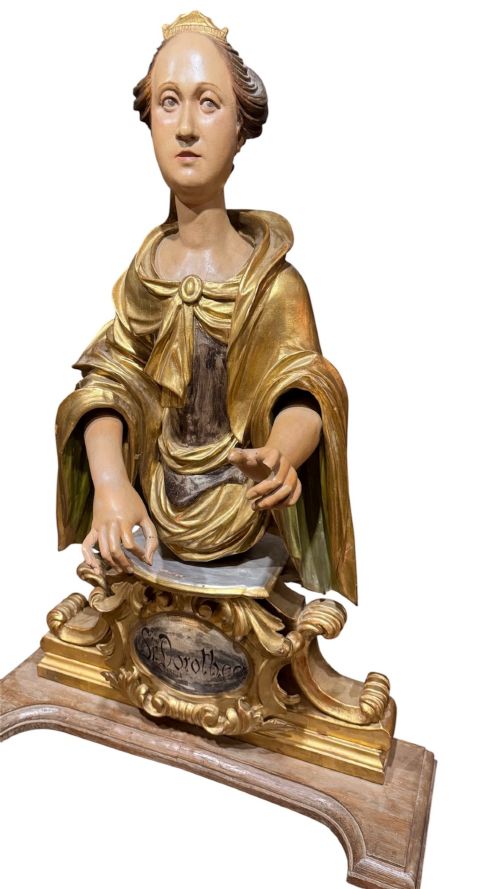
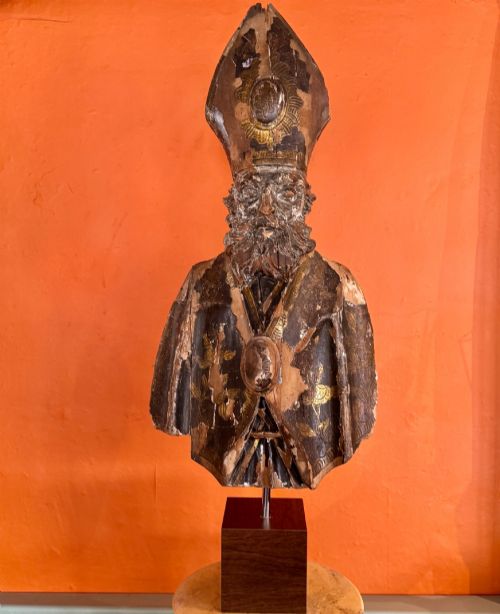
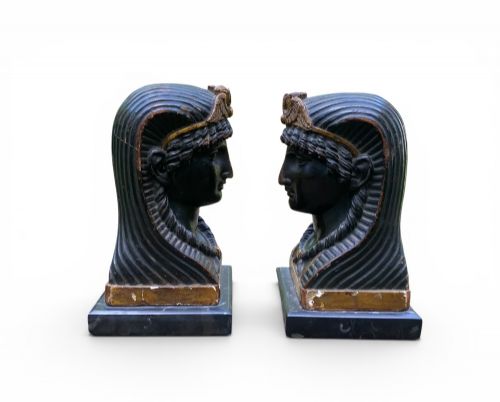
Gilt wood carvings encompass a diverse array of sculptural forms, ranging from Italian ecclesiastical busts and French architectural wall carvings to Chinese temple panels and figures of saints. When you search for gilt wood carvings, you encounter works shaped by hands across the seventeenth, eighteenth, and nineteenth centuries, spanning European Baroque workshops and Asian traditions.
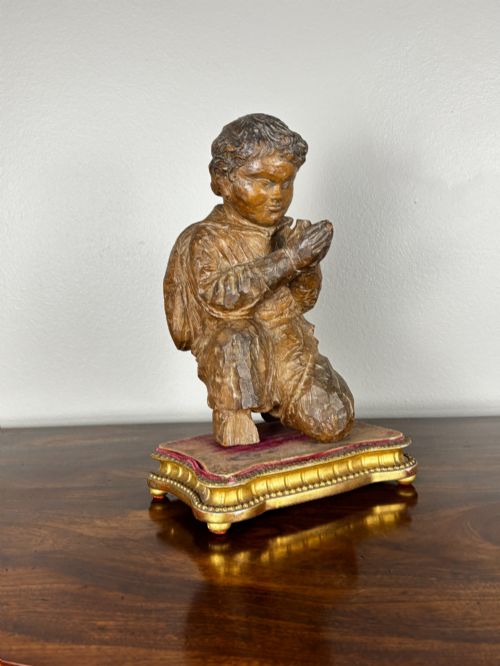
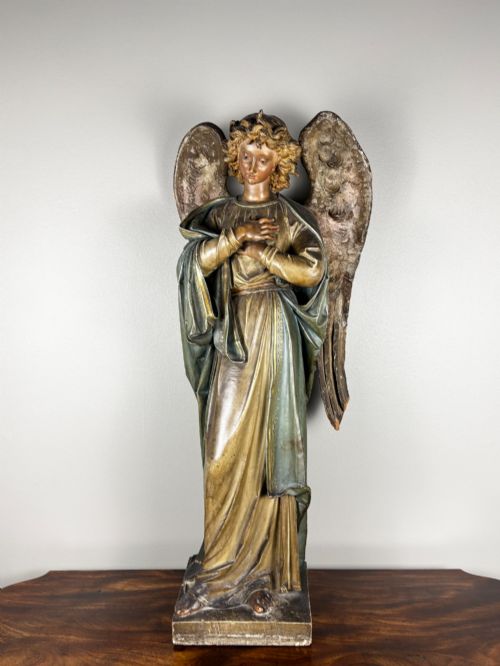
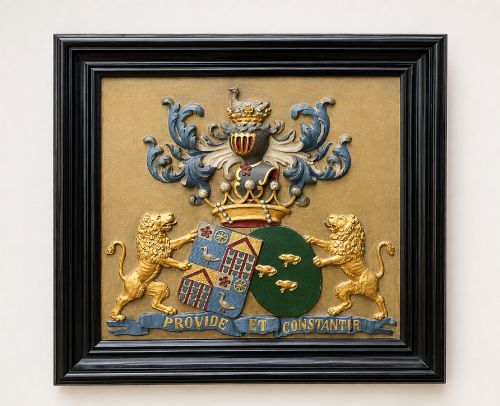
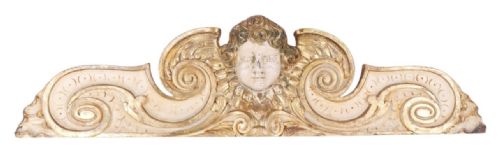
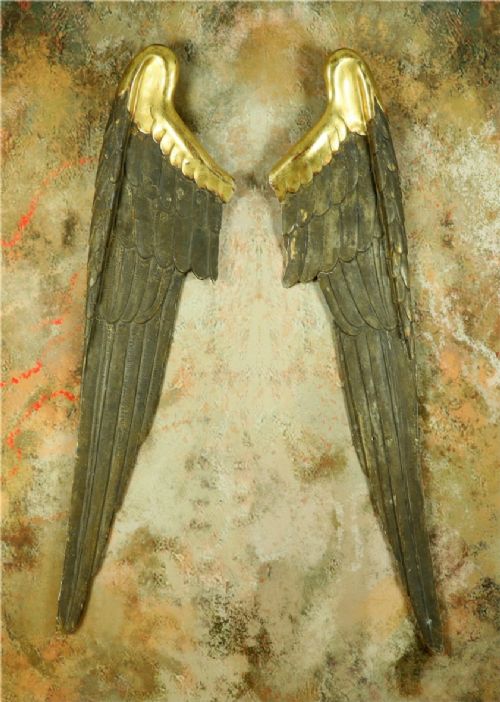
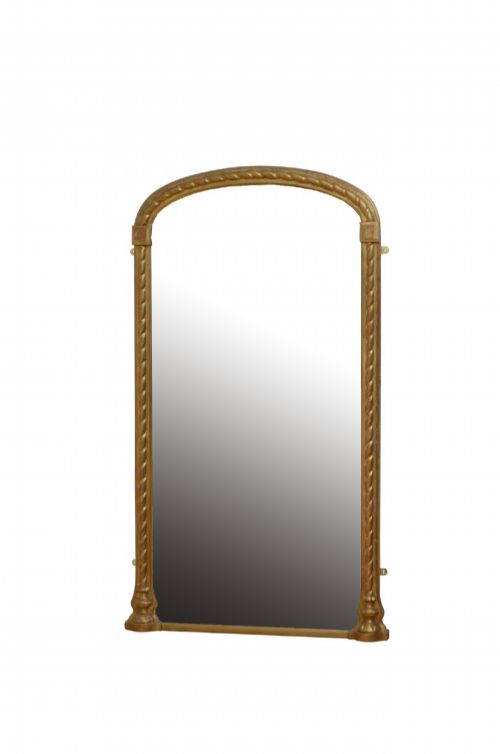
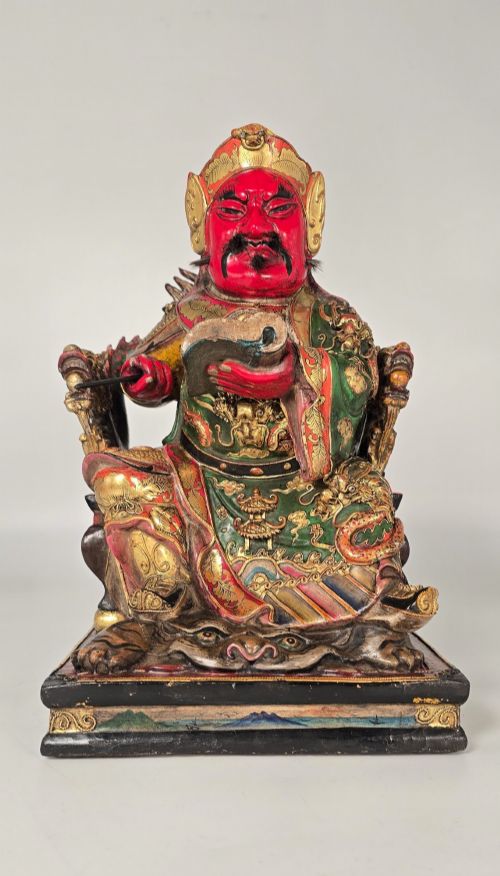
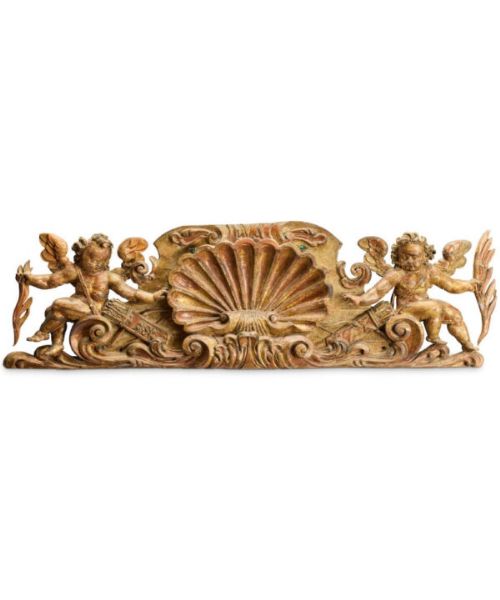
The objects on this page lean heavily towards religious iconography and architectural elements, including angels, cherubs, putti, and figures of the Virgin Mary or various saints. Alongside these sacred works, buyers frequently find secular items such as heraldic marriage plaques, decorative pediments, mirrors, and Chinese temple figures rendered in wood, lacquer, and gold leaf.
European examples on display often originate from Italian, French, German, and Dutch hands, demonstrating the distinct regional aesthetics of periods like the Regency and the Victorian era. Meanwhile, Asian pieces bring carved wooden plaques and deities from Chinese and Burmese traditions, adding further depth to the selection.
How they were made
Carvers typically utilised lime wood, pine, or other accessible local timbers to rough out the primary sculptural forms before undertaking detailed chiselling. Once the carving was complete, artisans applied layers of gesso to create a smooth, responsive ground suitable for gilding.
Gilt Wood Carvings Retail Price Guide 2026
Typical asking prices for gilt wood carvings among the pieces listed under this phrase on Sellingantiques today, from the lower quarter to the upper quarter. They describe what is for sale here now, not the wider market.
Materials recorded across the inventory include carved wood, lime wood, gold leaf, gesso, lacquer, and polychrome paint.
What varies in quality
The distinction between ordinary and exceptional work lies in the vitality of the chisel work and the depth of the underlying carving. Master carvers imbued figures with expressive anatomy, fluid drapery, and a convincing sense of movement, whereas lesser pieces remain stiff and formulaic in execution.
The preservation of the original surface finish heavily dictates the character of each piece. Retained gold leaf, gesso, and polychrome pigment that have aged naturally without heavy modern intervention retain the visual integrity intended by the original workshop.
The Gilt Wood Carvings Glossary
- Gesso
- A plaster mixture applied to wood surfaces to prepare them for gilding or painting. It provides a smooth base that allows fine details to be incised or built up before gold leaf is applied.
- Giltwood
- Timber that has been decorated with gold leaf or powder applied to its surface. This finish was widely employed across European furniture and architectural elements to project opulence.
- Putto
- A representation of a plump, naked male child, often winged, derived from classical art and frequently seen in Baroque and Renaissance ecclesiastical carving. They decorate architectural pediments, wall plaques, and mirror frames.
- Pediment
- A triangular or arched architectural element placed above doors, windows, or panels. In carved timber, these sections often incorporate scrolling foliage, cherubs, or heraldic motifs.
Gilt Wood Carvings: Frequently Asked Questions
What are gilt wood carvings?
Gilt wood carvings are wooden sculptures, architectural fragments, and decorative panels finished with gold leaf, gesso, or polychrome paint. They originate from various religious, secular, and decorative contexts across Europe and Asia.
These pieces range from small ecclesiastical busts and mirror frames to monumental temple guardians and wall plaques. Each item reflects the craftsmanship and aesthetic priorities of its specific period and region of origin.
How were these carvings used originally?
Many European carvings served liturgical purposes in churches, adorning altars, over-doors, and ecclesiastical interiors as representations of saints, angels, and biblical figures. Secular pieces functioned as pier mirrors, heraldic plaques, and architectural enrichments in grand homes.
Asian equivalents typically served spiritual functions within temples, acting as protective temple guardians, deities, or decorative panels. Their presence marked spaces of devotion, status, and architectural refinement.
How should I live with gilt wood carvings?
Living with these pieces involves placing them in stable environments away from direct sunlight, excessive moisture, and rapid temperature fluctuations. Because the gesso and gold leaf are delicate, hanging or positioning them securely protects the historic surface from knocks and abrasion.
Allowing the natural patina to remain without aggressive cleaning preserves the historical integrity of the timber and gilding. Regular, gentle dusting with a soft brush is generally sufficient for ongoing maintenance.
How can I tell the different periods apart?
Distinguishing periods relies on observing the stylistic markers of the carving, such as the exuberant scrolls of Baroque work or the restrained symmetry of Regency design. Tool marks, timber selection, and the composition of the underlying gesso also provide physical clues to the era of manufacture.
Asian carvings often align with dynastic markers like the Qing era or the Japanese Edo period, identifiable through specific iconographic details and traditional finishing techniques. Comparing known regional types helps narrow down the date of an unsigned piece.