

Gilt Trumeau Mirror
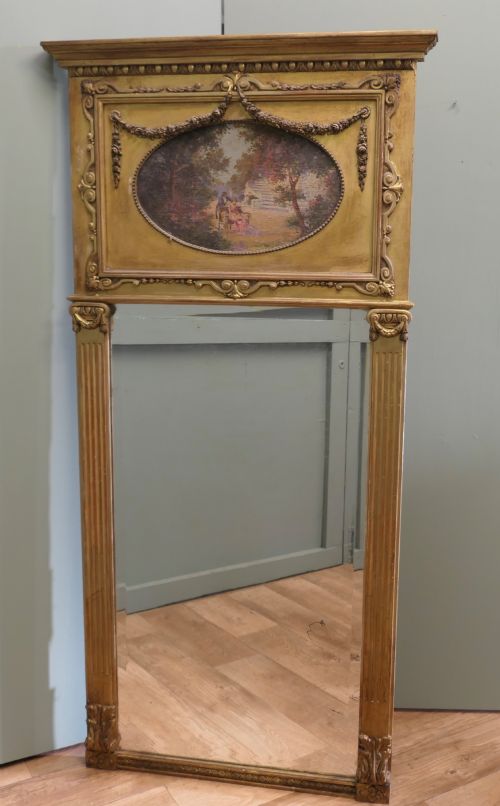
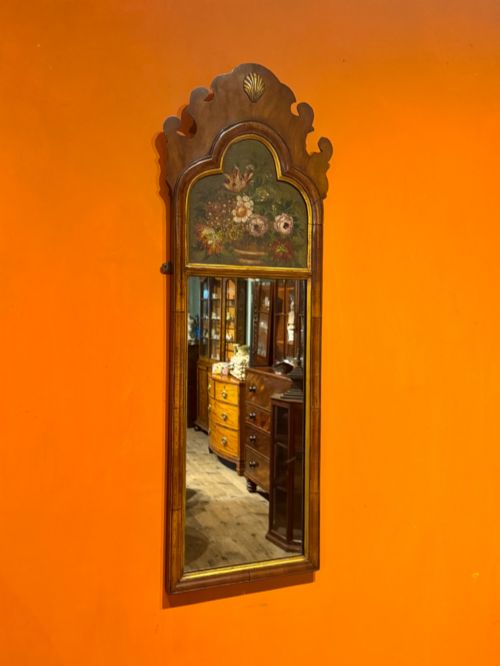
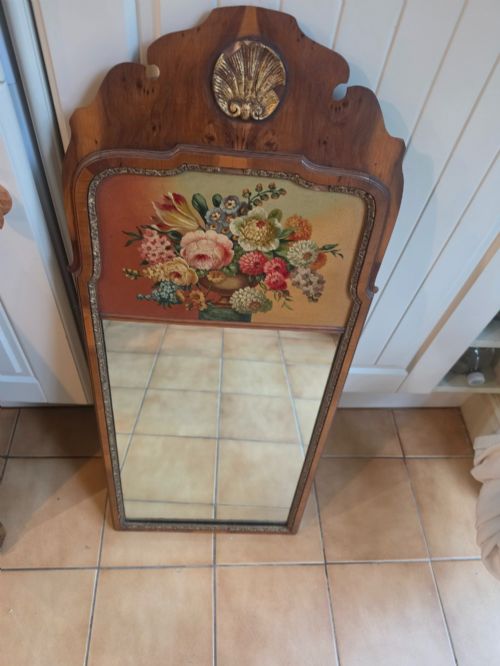
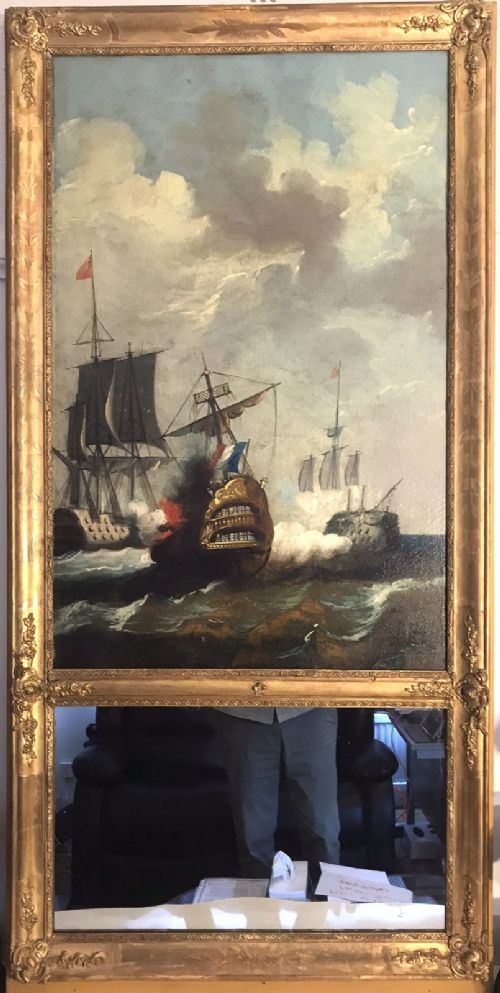
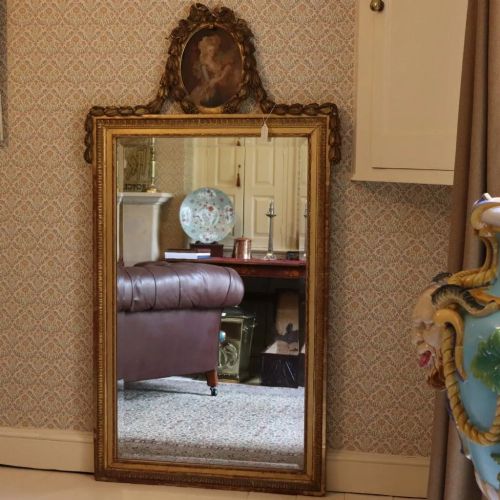
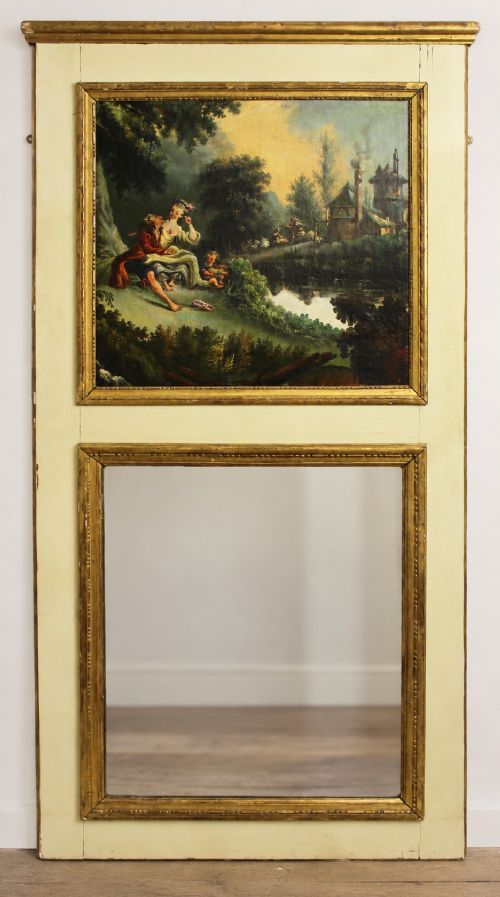
When you search for a gilt trumeau mirror, you seek a vertical wall glass set beneath an integrated oil painting or decorative panel.
Gilt Trumeau Mirror
A gilt trumeau mirror combines architectural wood framing with an upper panel, most commonly seen in French regional and neoclassical designs from the eighteenth and nineteenth centuries.
The form functions primarily as a wall or pier mirror, often positioned above a mantelpiece or between windows to reflect natural light into a room.
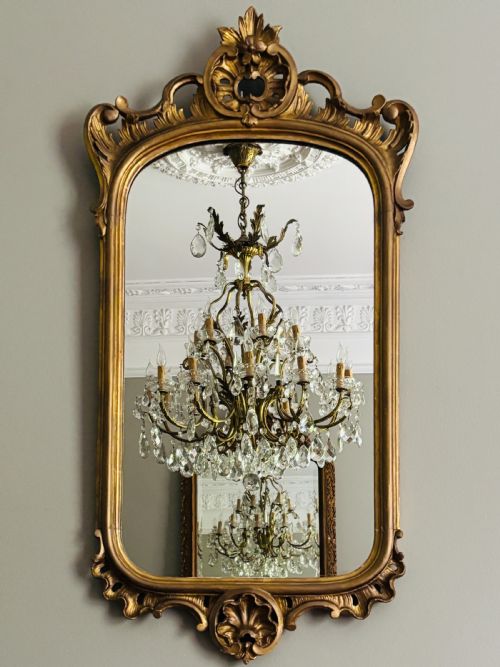
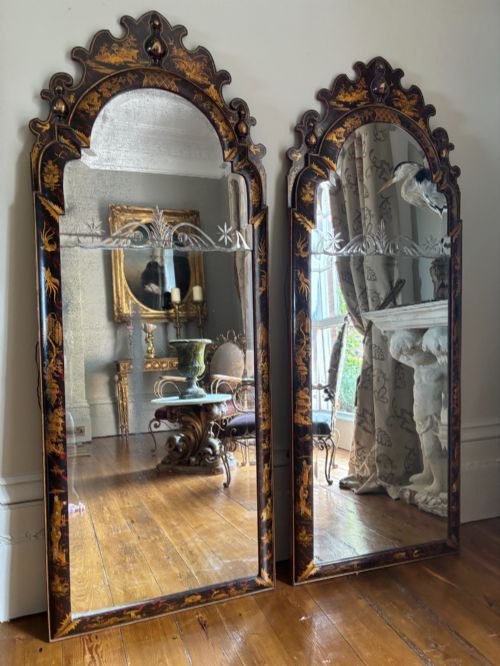
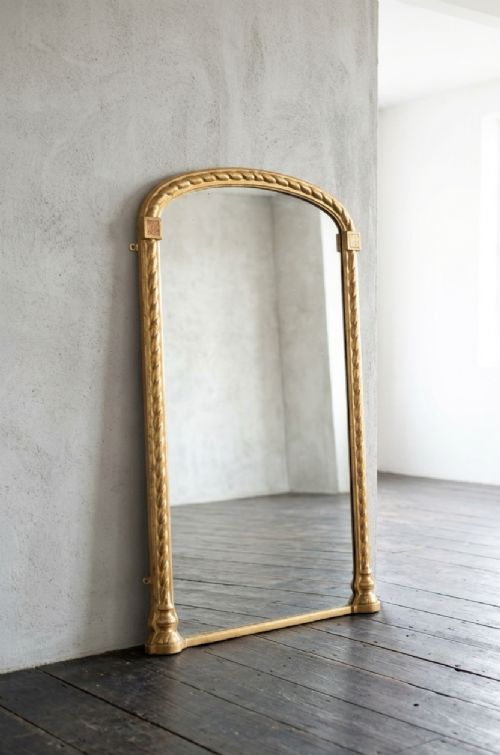
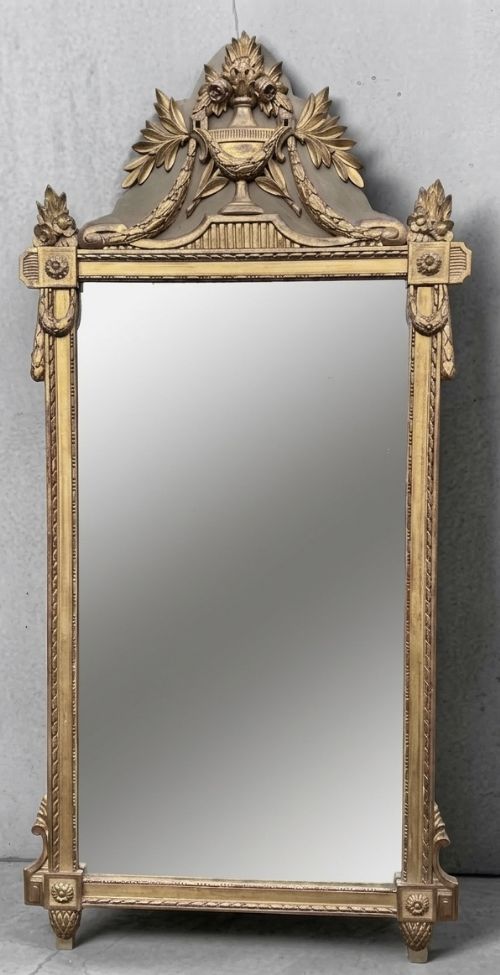
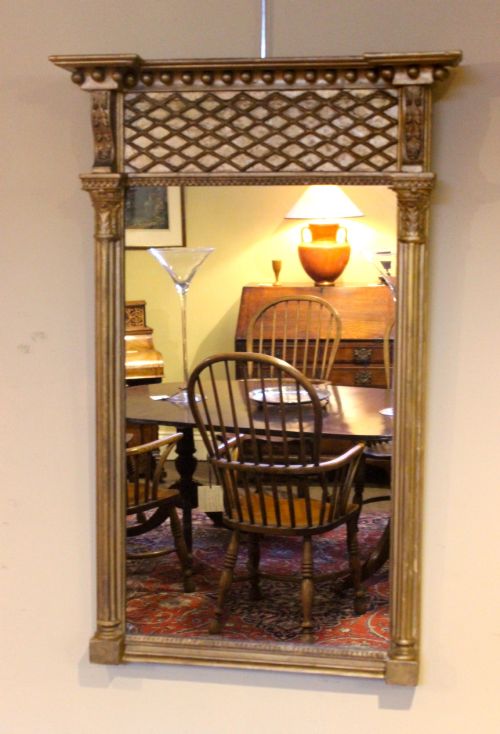
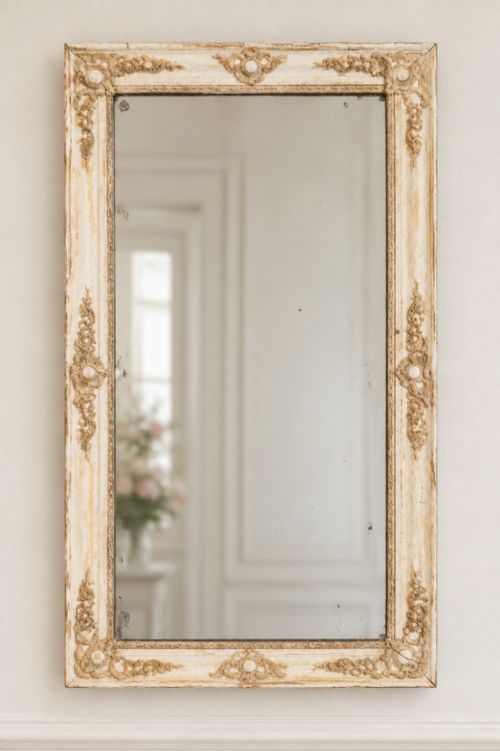
Pieces on this page span the eighteenth century through the Belle Époque, taking shapes that incorporate carved wood, gesso, and integrated pastoral or maritime canvas panels.
Materials and construction
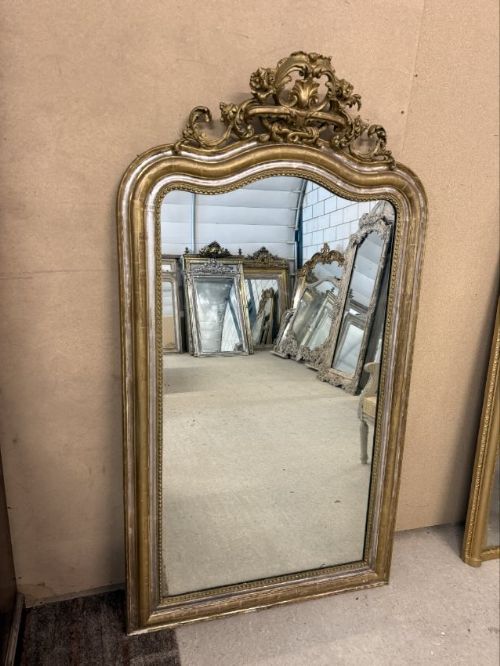
Carved wood and gesso form the foundational structure of the frames, layered with gold leaf or parcel gilt alongside painted wood surfaces.
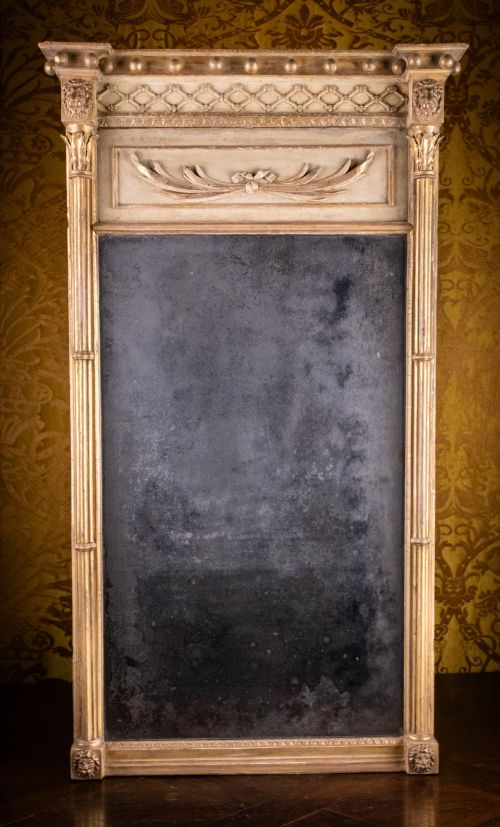
Reflecting plates utilise early mercury glass or original silvered glass, showing the characteristic subtle distortions and foxing of age.
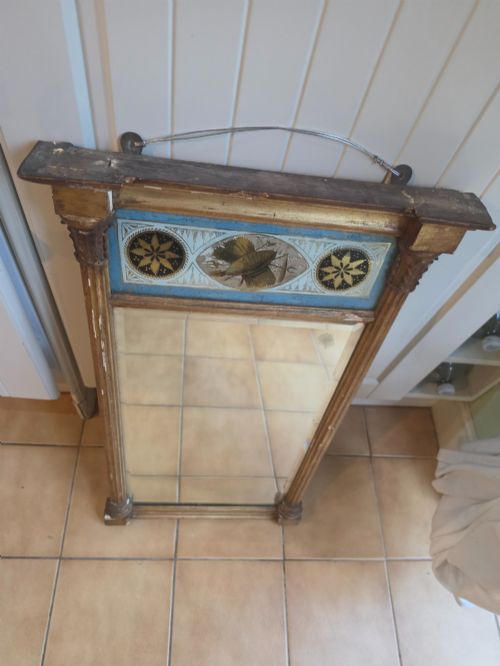
Upper compartments house oil paintings on canvas depicting galleons or pastoral scenes, or incorporate decorative reverse-painted verre églomisé panels.
Gilt Trumeau Mirror Retail Price Guide 2026
Typical asking prices for gilt trumeau mirror among the pieces listed under this phrase on Sellingantiques today, from the lower quarter to the upper quarter. They describe what is for sale here now, not the wider market.
Several seventeenth-century sailors must have squinted hard while artists painted their galleons onto canvas destined for eighteenth-century drawing rooms.
Assessing quality and authenticity
Quality rests upon the crispness of the original carved gesso ornament and whether the gilding retains its genuine patination rather than later retouching.
The integration between the mirror plate and the upper artwork defines the piece, with original undisturbed glass and contemporary oil paintings holding greater integrity.
Proportion and scale dictate the visual weight of the frame, separating standard decorative wall pieces from grand architectural installations.
The Gilt Trumeau Mirror Glossary
- Trumeau
- An architectural pier or wall panel incorporating a mirror plate below an oil painting or decorative insert. This style dominated French interior decoration throughout the eighteenth and nineteenth centuries.
- Gesso
- A plaster-like mixture applied to carved wooden frames to create a smooth surface for gilding. Skilled artisans modelled intricate relief decoration directly into this compound.
- Verre églomisé
- A cold decoration technique where design is applied to the reverse of glass using gold or silver leaf and paint. It frequently appears in neoclassical pier mirror panels.
- Mercury glass
- An early double-walled blown glass type backed with a liquid mercury amalgam through a small hole. It produces a characteristic dark, mottled reflection distinct from modern mirrors.
- Parcel gilt
- A finishing method where only specific raised portions of a painted wooden frame are gilded. This technique highlights carved details against a contrasting painted background.
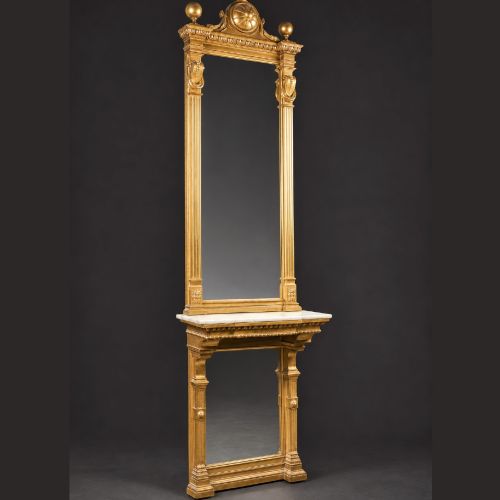
- Pier glass
- A tall mirror specifically designed to hang on the narrow wall space between two windows. These pieces often feature matching console tables or decorative brackets beneath them.
Gilt Trumeau Mirror: Frequently Asked Questions
What is a trumeau mirror?
A trumeau mirror is a traditional wall-hanging piece that combines a framed looking glass in the lower section with an oil painting or decorative panel set directly above it. Originating in neoclassical interior design, these architectural elements were built to fit specific wall spaces between windows or above fireplaces.
Makers constructed them from carved wood and gesso, applying gold leaf and paint to match the decorative scheme of a room. They serve both to reflect light and to incorporate artwork into the wall panelling.
Where should I hang a trumeau mirror?
These mirrors suit locations where vertical wall space allows the combined height of the glass and upper panel to command the room. Placing one above a mantelpiece creates a traditional overmantel arrangement that anchors the hearth.
Alternatively, hanging the piece on a narrow pier wall between two windows maximises reflected daylight. Ensure the wall structure can support the substantial weight of carved wood and glass.
How do I identify original mercury glass?
Original mercury glass displays a characteristic dark, reflective depth accompanied by natural foxing, spotting, and small imperfections behind the glass plate. Modern replacement mirrors appear uniformly bright and silver without these historic signs of wear.
The backing of older plates often reveals sealed edges or traditional wooden retaining strips rather than modern metal clips.
Are the oil paintings in trumeau mirrors original?
Many trumeau mirrors retain their original canvas paintings depicting pastoral landscapes or maritime scenes from the period of construction. These artworks share the craquelure and pigment ageing consistent with the framing wood.
Some pieces received replacement decorative panels or updated paintwork during later nineteenth-century restorations, which remains visible upon close inspection of the canvas edges.