



Gilt Silver Pin
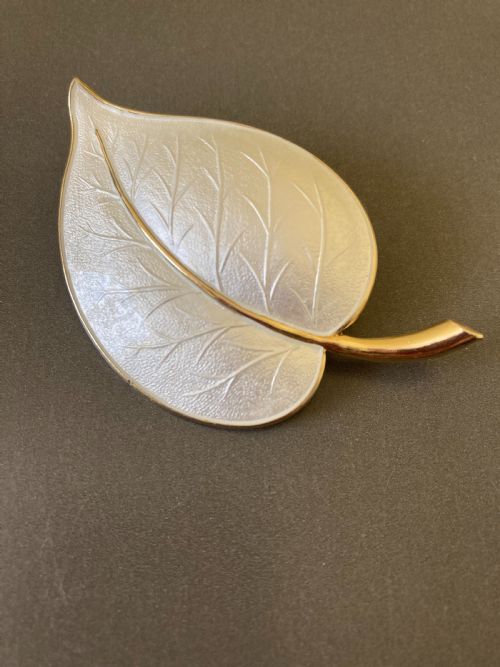
A gilt silver pin brings bright enamel and warm gold colour over solid silver to a lapel.
Gilt Silver Pin
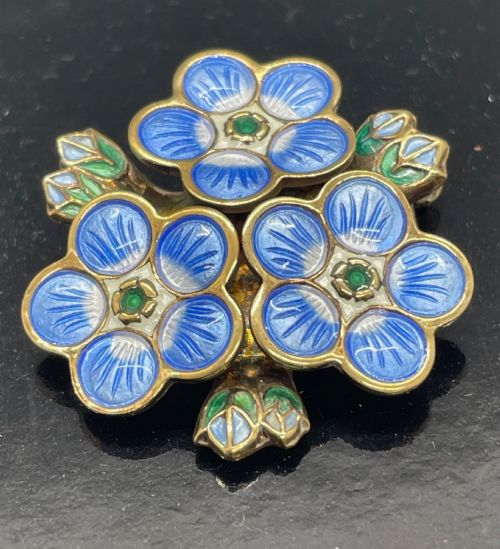
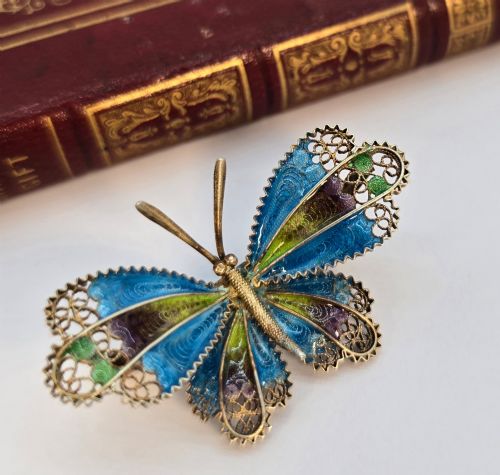
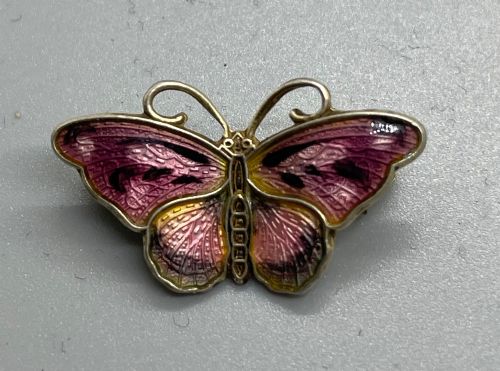
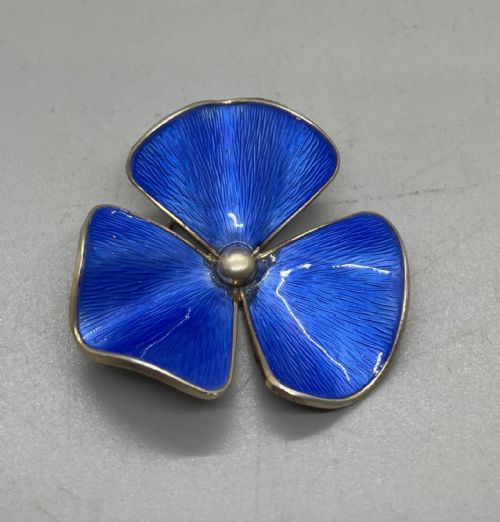
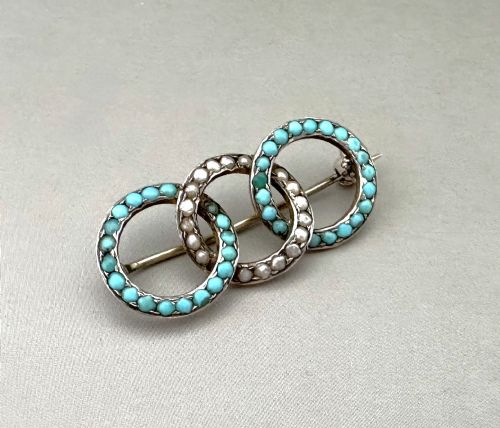
The most common examples encountered in this selection are enamel butterfly and floral brooches originating from Norway, alongside Victorian turquoise and seed pearl pieces. These range from tiny Scandinavian works to larger French and Austro-Hungarian creations.
Materials and Construction
Silversmiths formed the foundation of each gilt silver pin using sterling silver or 925 silver, applying a gold gilt wash over the surface to impart a rich golden tone. Artisans frequently integrated vitreous enamel, guilloche enamel, and plique-a-jour techniques to introduce vibrant colour.
Gemstones such as turquoise, seed pearls, chalcedony, paste, and rubies were set into the metal framework to accent the design. Construction methods varied from delicate wirework in Scandinavian pieces to cast mounts in Victorian revival styles.
Listings for this phrase frequently feature mid-century Scandinavian enamel butterfly motifs alongside Victorian turquoise and seed pearl jewels.
Factors That Separate Examples
Quality in a gilt silver pin depends upon the precision of the enamel work and the crispness of the metal detailing. Complex techniques like plique-a-jour or layered guilloche demand high skill, whereas simpler solid colour enamel represents a more straightforward standard.
The distinction also rests in the fidelity of the design and the reputation of the workshop or designer. Pieces bearing documented maker marks command greater interest than unmarked work.
David Andersen·Aksel Holmsen·Gustav Gaudernack·Meyle And Mayer·Hroar Prydz·Anton Michelson
The Gilt Silver Pin Glossary
- Silver Gilt
- Silver that has been coated with a thin layer of gold. This treatment provides the visual warmth of gold while utilising a silver base.
- Guilloche Enamel
- Enamel applied over a metal surface that has been machine-turned with an intricate geometric pattern. The underlying engraving shows through translucent enamel layers.
- Plique-a-jour
- An enamelling technique where the enamel is applied within a cell framework without a backing metal, allowing light to shine through like stained glass.
- Sterling Silver
- An alloy of silver containing a high proportion of pure silver by weight, standardly marked for quality. It forms the structural body for many pins.
Gilt Silver Pin: Frequently Asked Questions
How do I wear a gilt silver pin?
Fasten the pin securely to heavier fabrics like wool jackets, scarves, or thick lapels where the weight of the silver and enamel sits firmly without pulling.
Position the piece slightly above the chest pocket or anchor it through structural seams to keep the display upright throughout the day.
Are these pins made of solid gold?
No, these pieces are fashioned from silver that carries a gilt wash, meaning a fine layer of gold coats the exterior surface.
This method delivers the appearance of solid gold while retaining the underlying properties and weight of silver.
How do I clean enamel safely?
Use a soft, dry cloth to gently wipe dust and surface oils from the silver gilt and enamel surfaces.
Avoid liquid dips, harsh chemicals, and ultrasonic cleaners, as these harsh agents can damage delicate enamel and strip the gold wash.
How do I date a Scandinavian enamel pin?
Examine the stylistic cues, such as the minimalist winged forms typical of mid-century production alongside workshop maker marks stamped on the reverse.
Many pieces from this tradition date from the nineteen-thirties through to the nineteen-sixties, reflecting modernist naturalism.