




Gilt Rope Mirror
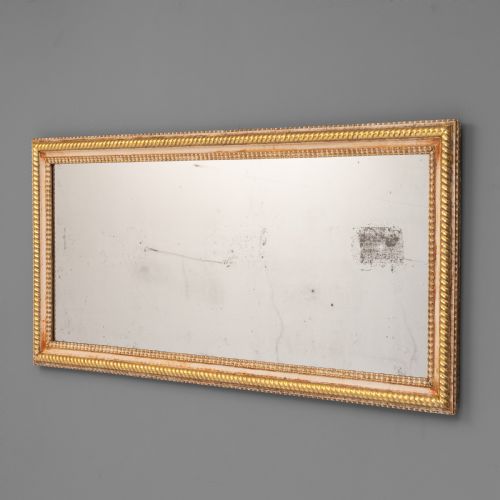
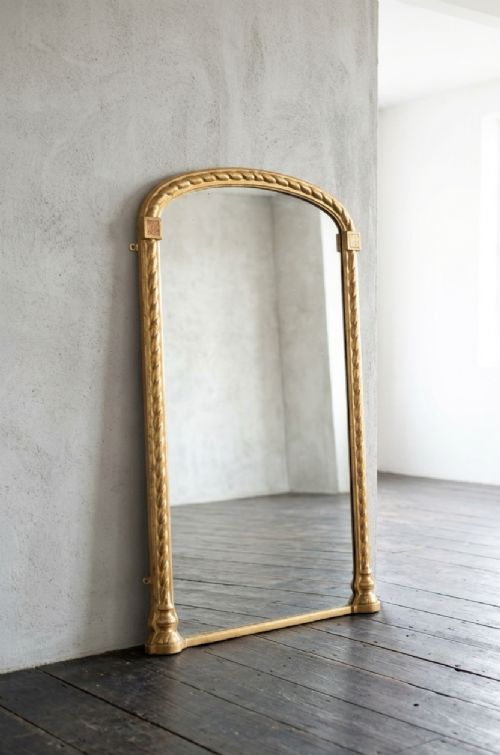
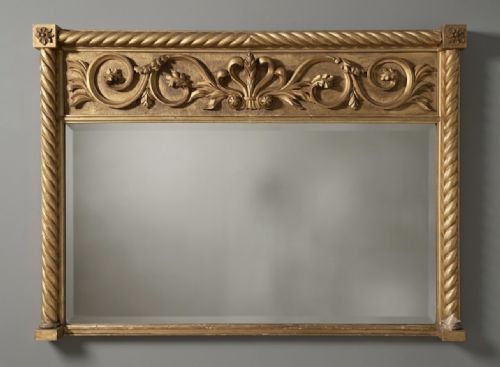
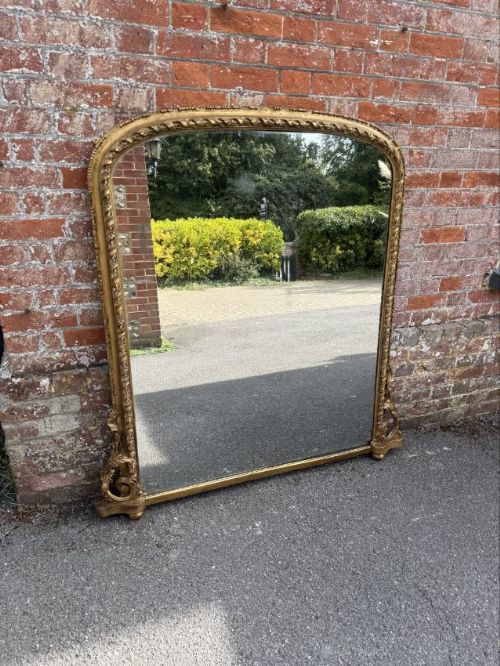
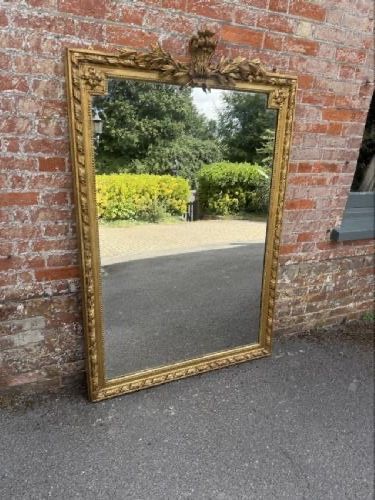
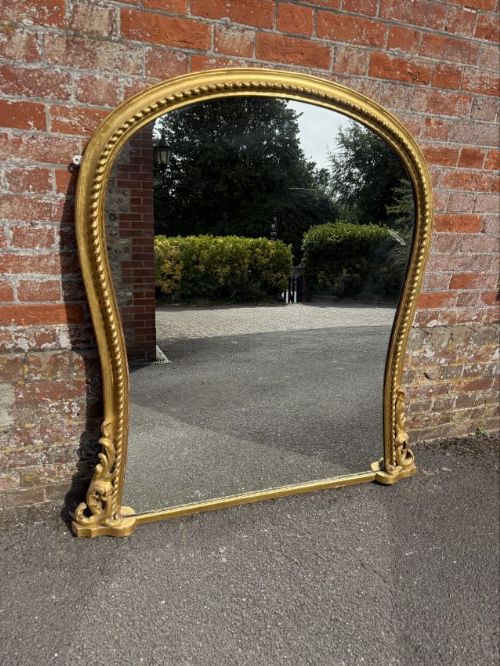
A gilt rope mirror brings reflective light and tactile carved texture into a room, most often seen here in large Victorian and Regency overmantel forms.
Gilt Rope Mirror
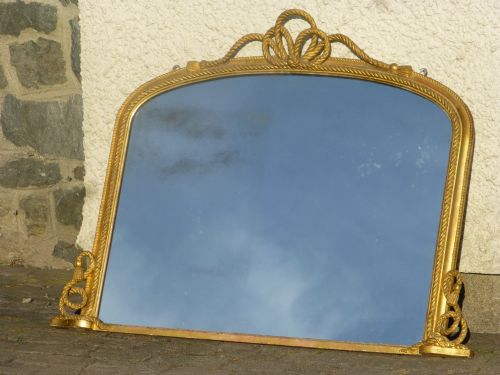
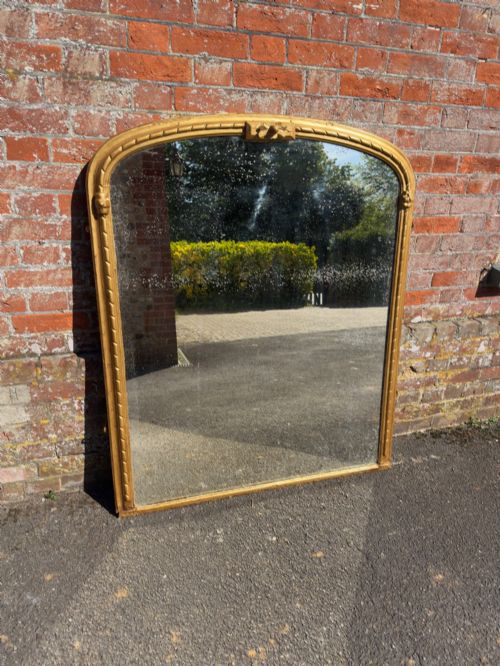
When searching for a gilt rope mirror, buyers encounter substantial wall and overmantel looking glasses designed to sit above a fireplace or anchor a principal wall. The selection leans heavily toward nineteenth-century English and French examples, spanning Regency, Victorian, and Edwardian periods.
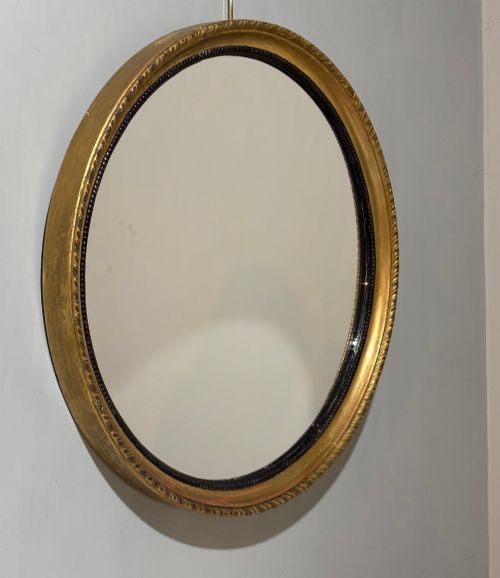
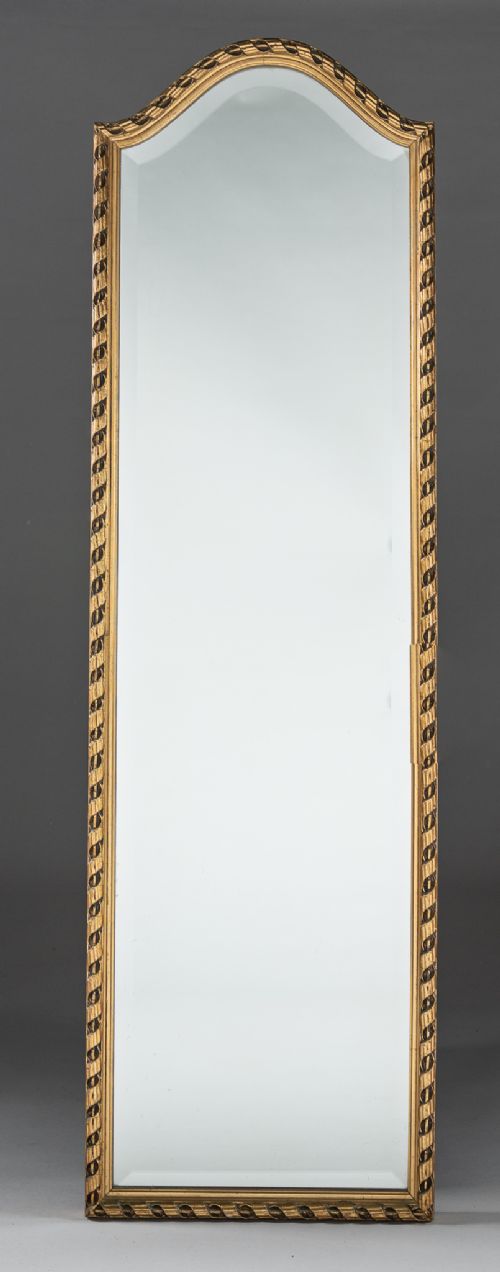
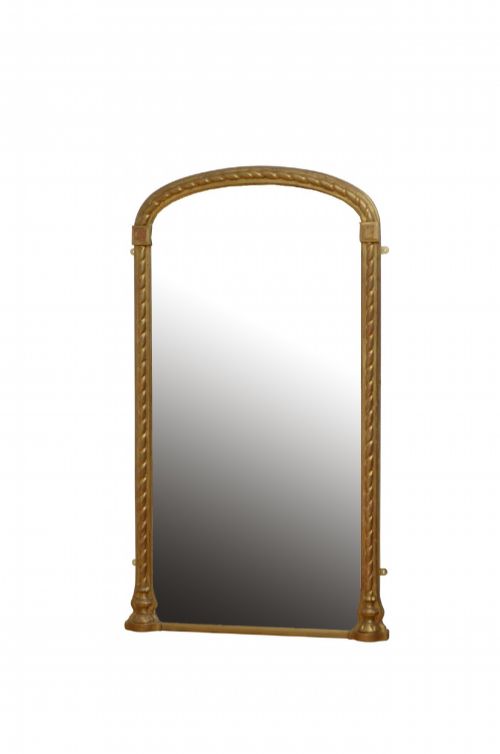
The dominant forms recorded in the evidence are large arched top overmantel mirrors and pier mirrors, alongside circular and oval wall variants. These pieces combine functional glass with decorative frames carved or moulded to imitate twisted rope or ribbed cordage.
Originating largely from nineteenth-century workshops, these mirrors served both as practical dressing surfaces and as architectural devices to amplify light in formal rooms. The execution ranges from grand scale floor-standing leaner mirrors to more compact girandole designs.
How they were made
The construction of these frames relies fundamentally upon carved wood and gesso applied over a timber substrate, finished with gold leaf or gilding. Master craftsmen shaped the wood to form the distinct rope twist or hour-glass ribbed profiles before applying the plaster layers required for crisp detail.
Water gilding and oil gilding techniques deposited fine metallic leaf across the gesso surfaces, creating the luminous reflective quality characteristic of the period. Silver or gold leaf was laid carefully by hand over a prepared bole ground, allowing for subsequent burnishing or distressing.
Mirror glass of the era was typically heavy and set into the rebated frame backs, sometimes divided into multiple plates as seen in compartmental or triptych overmantel formats. The structural integrity depends upon solid timber joinery hidden beneath the decorative exterior moulding.
Gilt Rope Mirror Retail Price Guide 2026
Typical asking prices for gilt rope mirror among the pieces listed under this phrase on Sellingantiques today, from the lower quarter to the upper quarter. They describe what is for sale here now, not the wider market.
Sailors must have felt right at home with all that cordage carved firmly into the parlour wall.
What varies in quality
The distinction between standard production and exceptional craftsmanship lies in the depth and crispness of the rope twist carving. Hand-carved wooden rope moulding retains sharp undercuts and varied relief, whereas inferior pieces rely entirely on heavy, uniform composition mouldings that lose definition.
Surface preparation and gilding methods dictate the longevity and visual warmth of the object. High-quality examples display subtle tonal variations in the gold leaf and careful burnishing, while lesser pieces show flat, uniform modern metallic paints or extensive flaking of the original gesso layer.
The Gilt Rope Mirror Glossary
- Overmantel mirror
- A large looking glass specifically proportioned to hang on the wall directly above a fireplace mantelpiece. These pieces frequently incorporate arched tops or multi-plate configurations.
- Gesso
- A plaster-like material applied to wood frames to provide a smooth surface for gilding. It accepts fine carving and moulding details before the application of gold leaf.
- Girandole mirror
- A decorative wall mirror featuring attached candle sconces designed to multiply candlelight in a room. The evidence includes nineteenth-century rope twist examples.
- Pier glass
- A tall, narrow mirror designed to be hung on the pier of wall space between two windows. They often stand on console tables or extend down toward the floor.
- Water gilding
- A traditional technique using gold leaf applied over wet bole and gesso. This method allows the metal to be highly burnished to a mirror-like shine.
Gilt Rope Mirror: Frequently Asked Questions
Where should a gilt rope mirror be hung?
These mirrors are traditionally positioned above a fireplace mantelpiece where their scale and reflective glass can anchor the room. They also function effectively on principal living room walls as focal points.
When hanging heavier overmantel forms, secure fixings into structural wall studs or masonry are essential due to the combined weight of the timber, gesso, and thick glass.
How do I care for antique gilded frames?
Maintenance requires gentle dusting with a soft, dry brush to prevent accumulation in the recesses of the rope twist carving. Avoid moisture, chemical cleaners, and abrasive cloths that can strip the delicate gold leaf.
Stable indoor humidity helps preserve the underlying gesso and wood, preventing the cracking or shrinkage that can occur in excessively dry or damp environments.
What is the difference between an overmantel and a pier mirror?
Overmantel mirrors are wide horizontal or arched pieces built to span the width of a fireplace breast. Pier mirrors are taller and narrower, designed specifically for the wall space between windows.
Both forms utilise the same decorative vocabulary of rope twist moulding and gesso work, but their differing proportions dictate their architectural placement within a historic interior.
How can I identify the period of a gilded mirror?
Dating relies on examining the construction methods, backing timbers, and characteristics of the glass itself. Regency and early nineteenth-century pieces often display hand-carved wood elements and distinct plate glass traits, while later Victorian examples may incorporate heavier composition ornaments.
Stylistic cues such as acanthus leaf detailing, triptych plate divisions, and frame profiles further assist in establishing whether a piece originates from the Regency, Victorian, or Edwardian eras.