




Gilt Porcelain Urn Jar
These gilt porcelain urn jar selections bring together lidded vessels and decorated pots from nineteenth-century factories and twentieth-century makers.
Gilt Porcelain Urn Jar
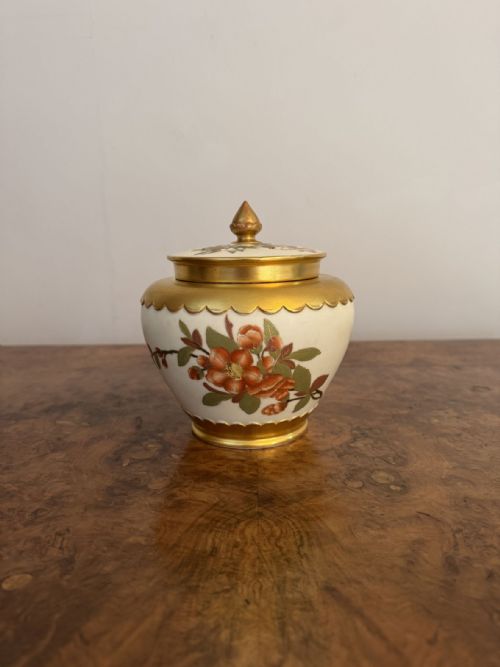
When you search for a gilt porcelain urn jar, you encounter lidded pots, potpourri jars, and covered vases from various periods including the nineteenth century and the Edwardian era. These decorative items often take the form of ginger jars, apothecary jars, and handled urns intended for display.
The selections span English porcelain factories like Royal Worcester and Coalport alongside continental makers producing Sèvres, Vienna, and Paris styles. Japanese Imari and Satsuma ceramics also appear frequently within these listings.
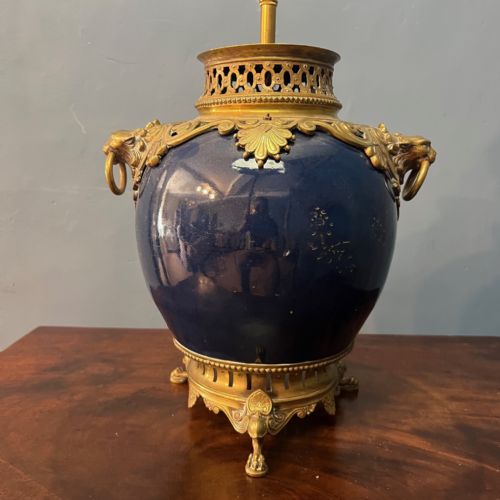
Forms range from small lidded vessels to large hall vases and table lamps mounted with ormolu or gilt metal. Many pieces incorporate covers designed to contain potpourri or dried aromatics.
How they were made
Potters shaped the bodies from porcelain, earthenware, or ironstone, applying underglaze and enamel colours before firing. Artisans then added gold leaf, gilding, and ormolu mounts to finish the pieces.
Gilt Porcelain Urn Jar Retail Price Guide 2026
Typical asking prices for gilt porcelain urn jar among the pieces listed under this phrase on Sellingantiques today, from the lower quarter to the upper quarter. They describe what is for sale here now, not the wider market.
Listings feature nineteenth-century porcelain alongside twentieth-century production from English, French, and Japanese makers.
What varies in quality
The precision of hand-painted details and the application of gold leaf dictate the distinction between ordinary production and master work. Pieces painted by named artists demonstrate superior brushwork and compositional control.
The weight and finish of ormolu mounts and metal fittings also separate standard factory items from ambitious decorative wares.
Royal Worcester·Samuel Alcock and Co·Coalport·Masons Ironstone·Losol
The Gilt Porcelain Urn Jar Glossary
- Gilt
- Covered with a thin layer of gold or gold leaf. This finish highlights rims, handles, and painted panels.
- Ormolu
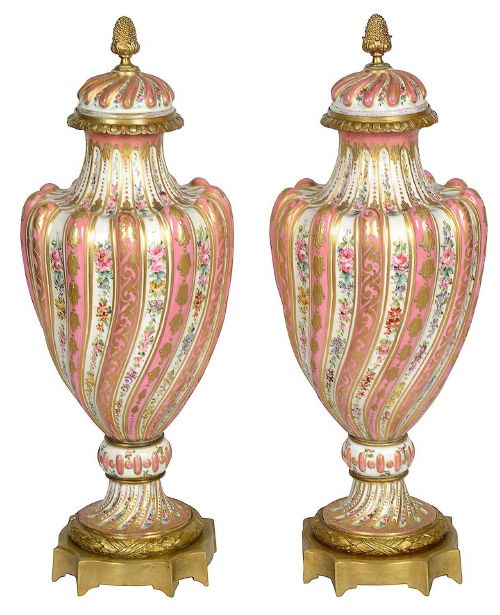
- Gilded bronze used for mounts and decorative trims on nineteenth-century vessels. It provides structural support and ornate handles.
- Potpourri
- A mixture of dried petals and spices kept inside pierced lidded jars to scent rooms. These vessels feature perforated covers.
- Imari
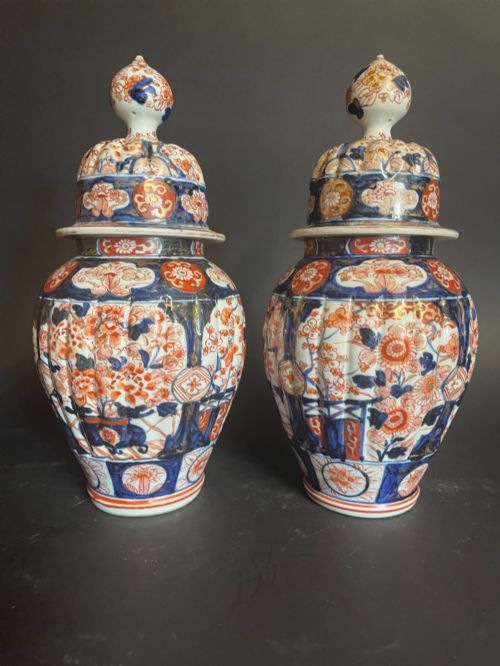
- A style of Japanese export ceramics featuring underglaze blue and iron red with added gold. European factories frequently copied these patterns.
- Ground
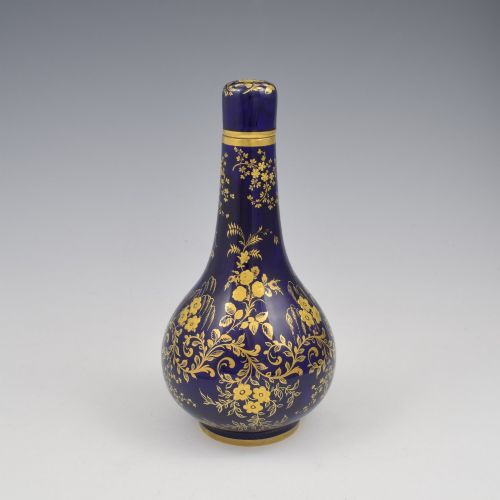
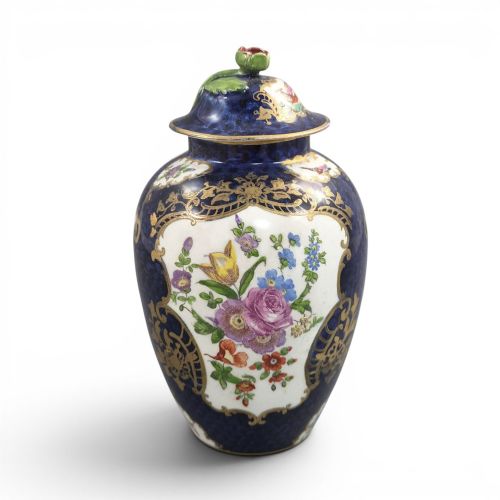
- The solid background colour applied to a ceramic body, such as powder blue or scale blue. It frames the painted reserve panels.
Gilt Porcelain Urn Jar: Frequently Asked Questions
What is a gilt porcelain urn jar used for?
These vessels served primarily as decorative ornaments on mantelpieces and side tables in grand interiors. Many contained potpourri to release pleasant scents into domestic spaces.
Larger examples functioned as floor or table vases, while others served as lidded ginger jars and apothecary containers.
How do I identify a Sèvres style piece?
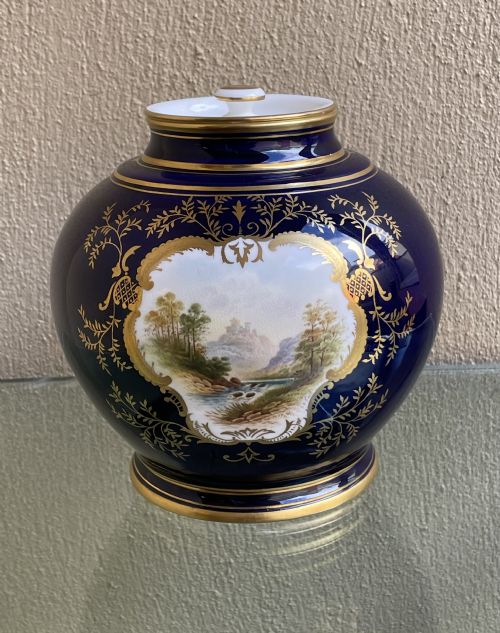
Sèvres style pieces usually feature rich blue ground colours combined with elaborate gilding and hand-painted figurative or floral panels. They often date from the nineteenth century and imitate the French royal factory output.
Many incorporate gilt bronze or ormolu mounts around the base and rim.
What is the difference between Imari and Satsuma?
Imari ceramics feature a distinctive palette of underglaze blue, iron red, and gold, typically showing crisp floral and geometric patterns. Satsuma wares use earthenware bodies with crackle glazes and dense polychrome decoration.
Both Japanese export styles influenced European porcelain production during the nineteenth century.
How should I clean my porcelain urn?
Dust these vessels gently with a soft dry brush to protect the delicate gilding and hand-painted enamel surfaces. Avoid harsh chemical cleaners and abrasive cloths that can wear away the gold leaf.
Keep them away from direct sunlight to preserve the painted colours over time.