
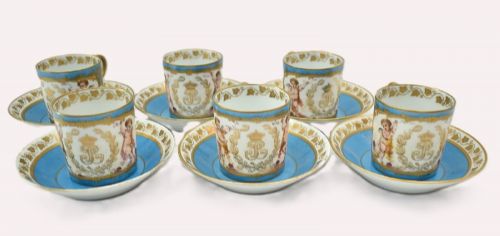


Gilt Porcelain Demitasse Cup
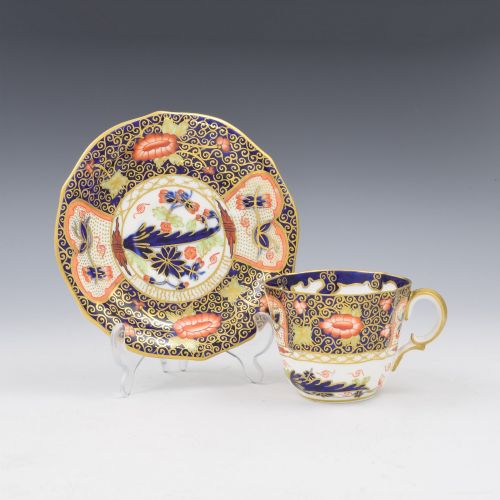
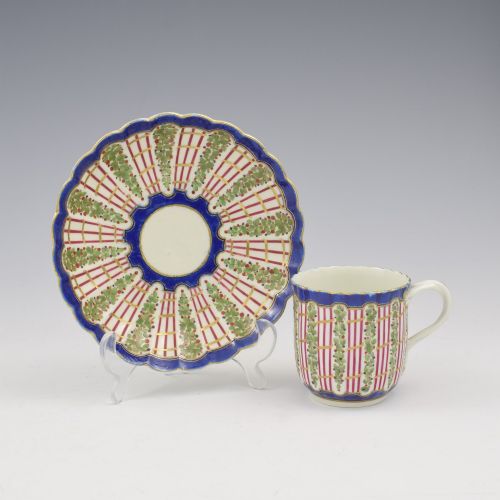
These gilt porcelain demitasse cup pieces are small coffee vessels enriched with metallic leaf, offering collectors fine cabinet examples from various periods.
Gilt Porcelain Demitasse Cup
When you search for a gilt porcelain demitasse cup, you encounter small-scale vessels designed specifically for serving strong coffee after a meal. The selection spans single miniature examples, matched pairs, and larger sets originating from diverse European traditions.
The forms on this page include traditional coffee cans, handled cups paired with saucers, and comprehensive coffee services. Pieces emerge from periods ranging through the eighteenth, nineteenth, and early twentieth centuries, reflecting changing aesthetic tastes across Europe.
Makers represented in these listings demonstrate the wide geographic spread of quality porcelain production. English factories sit alongside continental European houses, each applying distinctive decorative schemes to small-scale forms.
Materials and production methods
The foundation of these objects rests on hard-paste porcelain, soft-paste porcelain, or bone china bodies, shaped on the potter's wheel or cast in moulds. Artisans applied hand-mixed pigments, enamel colours, and precious metal leaf to the glazed surfaces.
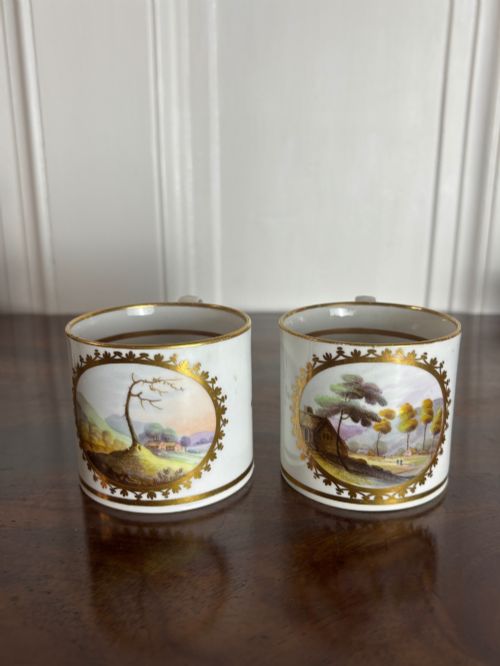
Gilding techniques varied from thick gold leaf applications to finely brushed gold gilt, frequently fired multiple times to achieve a lasting metallic brilliance. Hand-painting supplemented the metallic decoration, incorporating botanical motifs, landscape scenes, and intricate patterns.
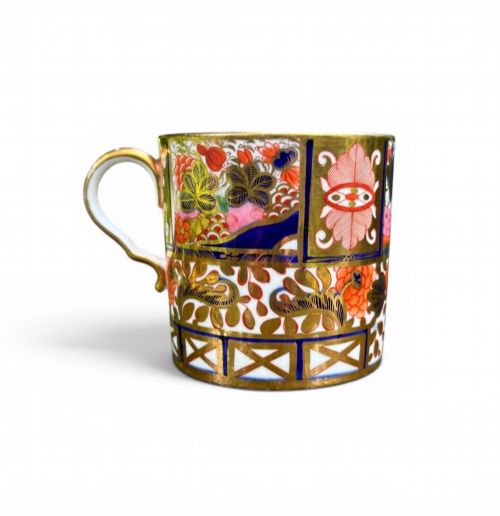
Object forms range from single miniature coffee cans to cased sets and complete after-dinner coffee services.
Distinctions in craftsmanship
The standard of a gilt porcelain demitasse cup depends heavily on the precision of the hand-painted details and the purity of the porcelain body. Finer examples display crisp enamel work and securely bonded gilding that has resisted rubbing over centuries of use.
Design complexity also separates standard production wares from masterworks, with elaborate moulding, intricate pattern work, and documented factory patterns indicating higher workshop standards. The integrity of the glaze and the crispness of the porcelain form further define the grade of the piece.
Royal Crown Derby·Minton·Spode·Sevres·Coalport·Meissen·Hutschenreuther·Royal Worcester·KPM
The Gilt Porcelain Demitasse Cup Glossary
- Demitasse
- A small cup used for serving black coffee. The French term translates literally to half-cup.
- Coffee Can
- A straight-sided cylindrical cup popular during the Georgian and Regency periods. It was specifically intended for drinking strong black coffee.
- Soft-Paste Porcelain
- An artificial porcelain compound composed of white clay and glassy frits. It was widely used in eighteenth-century European factories before the discovery of true hard-paste porcelain deposits.
- Imari
- A decorative style inspired by Japanese export wares, featuring rich underglaze blue and iron red highlights accented with gold. British and continental factories frequently adopted this palette.
- Gilding
- The application of gold leaf or powdered gold to the surface of ceramic objects. It provides metallic enrichment to borders, handles, and pictorial scenes.
Gilt Porcelain Demitasse Cup: Frequently Asked Questions
What is a demitasse cup used for?
These small vessels were designed specifically for drinking strong black coffee after formal dining. Their restricted capacity kept the beverage hot.
Over time, many of these delicate items transitioned from dining rooms to display cabinets, valued more for their intricate painting and gilding than for daily service.
How do I identify eighteenth century pieces?
Early pieces often display soft-paste porcelain bodies with hand-painted underglaze blue designs and minimal factory marks. Examining the translucency under a strong light reveals characteristic variations.
Later Victorian and Edwardian examples typically show harder porcelain bodies, printed base stamps, and machine-assisted gilding techniques alongside hand-finishing.
Can I use these cups for coffee?
While technically functional, most collectors avoid using antique gilt porcelain cups for daily dining. The fragile nature of the materials and delicate gold leaf require careful handling.
Hand-washing in lukewarm water without harsh detergents is essential if owners choose to use them for special occasions rather than pure display.
Why are some cups shaped like cylinders?
Cylindrical coffee cans without flared rims were particularly popular during the Georgian period. This specific geometry was thought to retain the heat of strong coffee more effectively.
As Victorian aesthetics shifted towards curved teacup profiles, manufacturers adapted the forms while retaining the small demitasse capacity for after-dinner service.