

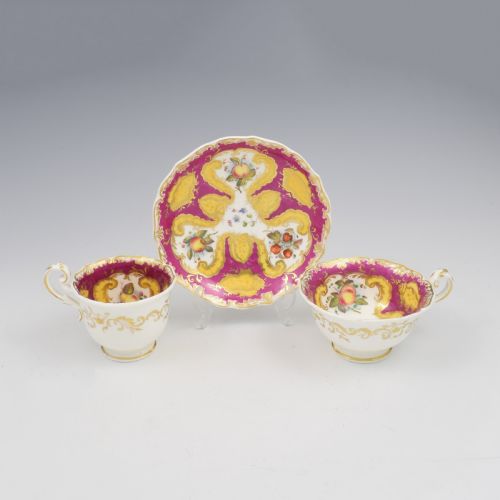
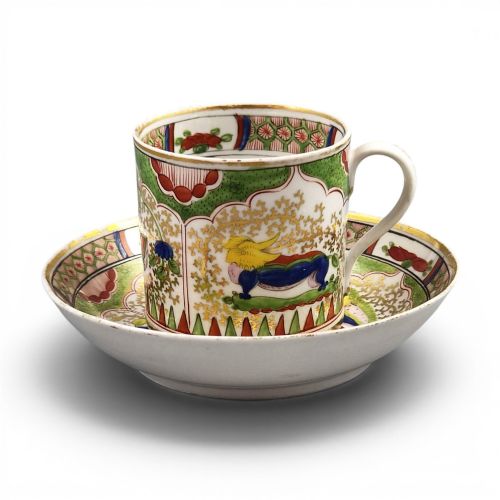

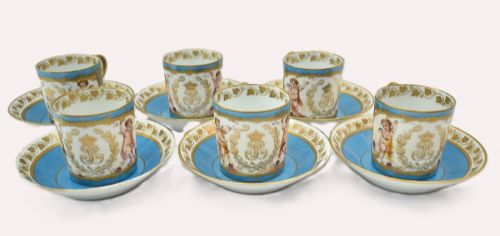


Gilt Porcelain Coffee Saucer
These gilt porcelain coffee saucer pieces span centuries of ceramic art, offering refined gilding and delicate forms for the collector.
Gilt Porcelain Coffee Saucer
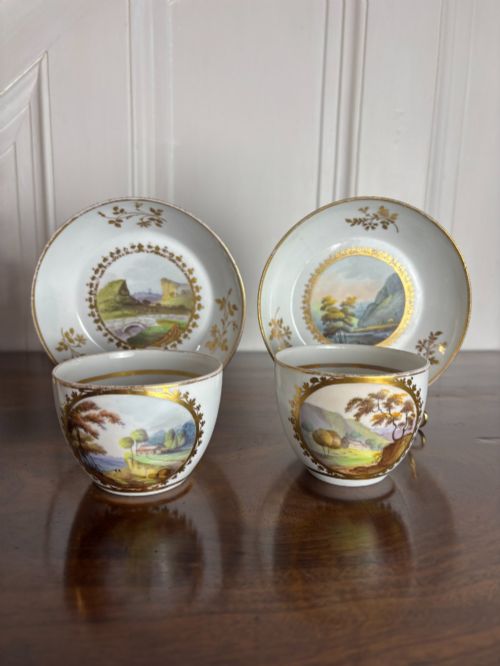
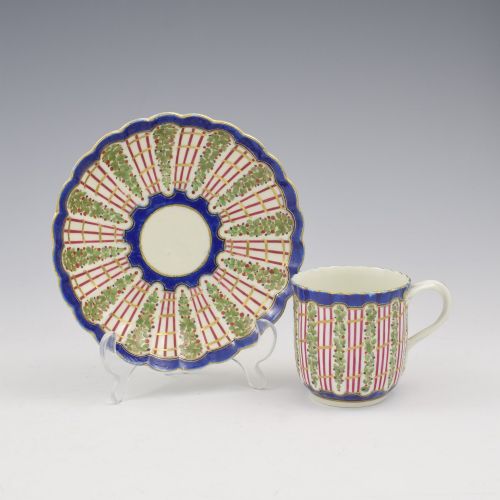
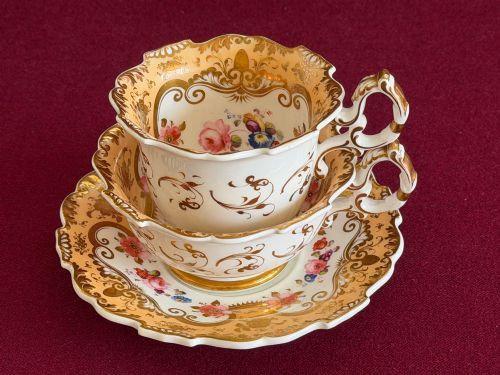
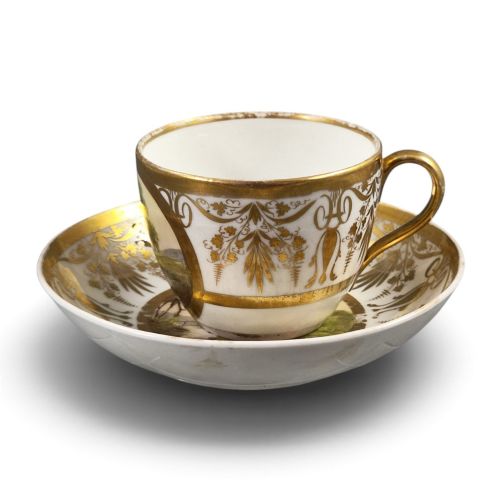
A gilt porcelain coffee saucer brings together fine ceramic craftsmanship and decorative gold detailing across various historical periods. The selections available here range from eighteenth-century Georgian and Regency examples to later Victorian, Edwardian, and twentieth-century service pieces.
Buyers encounter distinct forms such as dedicated coffee cans, demitasse cups and saucers, and multi-piece trios. These items originate from notable European and English potteries, reflecting changing domestic dining habits and ceramic technologies over time.
The assortment demonstrates how tea and coffee wares evolved from early cabinet displays and formal breakfast services into varied household items. Each piece reveals the distinct aesthetic choices of its period, from neoclassical restraint to rococo revival ornamentation.
Materials and production techniques
Makers utilised hard-paste porcelain, bone china, and soft-paste bodies depending on the factory and period. These ceramic bases provided the smooth, white surface required for detailed hand-painting and enamel decoration.
Gilding was applied using gold leaf, gold gilt, or liquid gold, which was then fired and burnished to achieve a brilliant finish. Artisans combined these metallic highlights with hand-painted landscapes, floral motifs, and compartmentalised patterns.
Gilt Porcelain Coffee Saucer Retail Price Guide 2026
Typical asking prices for gilt porcelain coffee saucer among the pieces listed under this phrase on Sellingantiques today, from the lower quarter to the upper quarter. They describe what is for sale here now, not the wider market.
Listings feature porcelain pieces spanning the eighteenth, nineteenth, and twentieth centuries, incorporating gold leaf, enamel, and bone china materials.
Factors that determine quality
The standard of a piece rests upon the crispness of the porcelain body and the precision of the hand-painted details. Finer items display meticulous brushwork in floral sprays or landscapes, alongside cleanly applied and well-burnished gold leaf.
The reputation of the manufactory and the complexity of the pattern influence the standing of an object. Pieces carrying identifiable factory marks or associated with specific historical shapes command greater interest among collectors.
John Rose Coalport·H & R Daniel Shrewsbury·KPM Berlin·Flight & Barr Worcester·Sevres Porcelain·Meissen Porcelain·Davenport·Spode·Hutschenreuther·Royal Worcester·Royal Crown Derby
The Gilt Porcelain Coffee Saucer Glossary
- Gilding
- The application of gold leaf, gold gilt, or gold paint to the surface of porcelain. This technique was used to highlight rims, handles, and decorative motifs.
- Hard-paste porcelain
- A durable ceramic composition fired at high temperatures, made from kaolin and petuntse. It provides a dense, vitreous body common in continental European manufacture.
- Bone china
- A type of soft-paste porcelain containing bone ash, developed in England to create a strong, translucent body. It forms the foundation of many nineteenth-century tablewares.
- Coffee can
- A straight-sided cylindrical cup designed specifically for drinking coffee during the eighteenth and nineteenth centuries. It is frequently paired with a matching saucer in surviving sets.
- Demitasse
- A small cup used to serve Turkish coffee or espresso, typically accompanied by a matching saucer. The form became popular during the Victorian period and later.
Gilt Porcelain Coffee Saucer: Frequently Asked Questions
What is a gilt porcelain coffee saucer?
A gilt porcelain coffee saucer is a small ceramic dish designed to hold a coffee cup, enhanced with gold leaf or gilding. These items date from various historical periods including the Georgian and Victorian eras.
They were produced by prominent European and English factories as part of broader tea and coffee services or cabinet sets.
How were these saucers used historically?
These saucers served a practical function during formal dining and social gatherings, holding coffee cups or cans. They also functioned as display items in cabinet sets, demonstrating the wealth and taste of the household.
In earlier centuries, hosts sometimes poured hot coffee from the cup into the saucer to cool it before drinking.
How do I care for antique porcelain?
Antique porcelain requires gentle hand washing in lukewarm water with mild soap. Avoid using abrasive sponges or harsh detergents that might wear away the delicate gilding and hand-painted enamels.
Display or store the pieces away from direct sunlight and sudden temperature changes to protect the ceramic body and metallic finishes.
How can I tell the period of a saucer?
The period can often be determined by examining the ceramic body, glaze characteristics, and factory marks on the underside. Stylistic cues such as neoclassical shapes or rococo revival ornamentation also point to specific eras like the Regency or Victorian periods.
Comparing the form and pattern details with known archival examples helps narrow down the date of manufacture.