



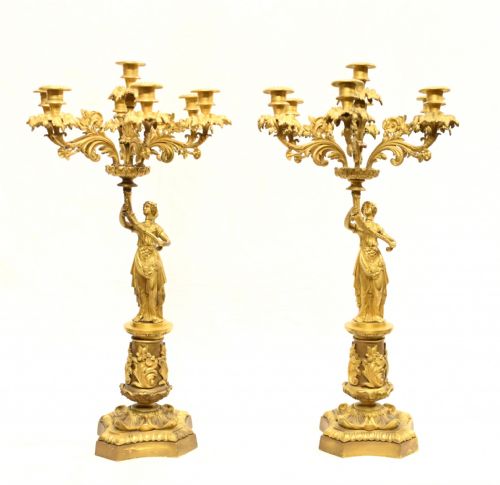
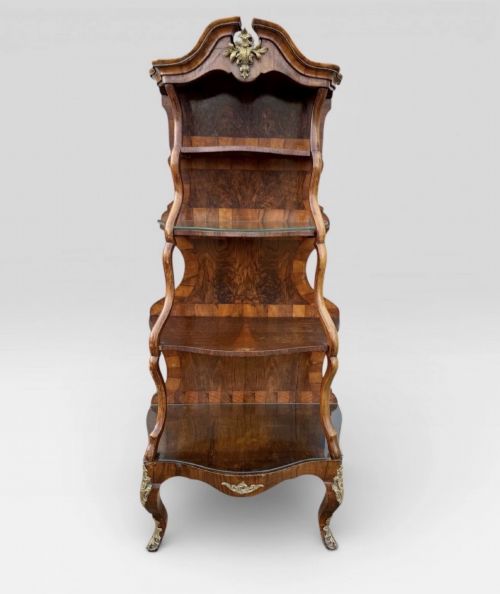
Gilt Metal Stand
When you search for a gilt metal stand, you are looking at decorative supports and mounts spanning the nineteenth century and the early twentieth.
Gilt Metal Stand
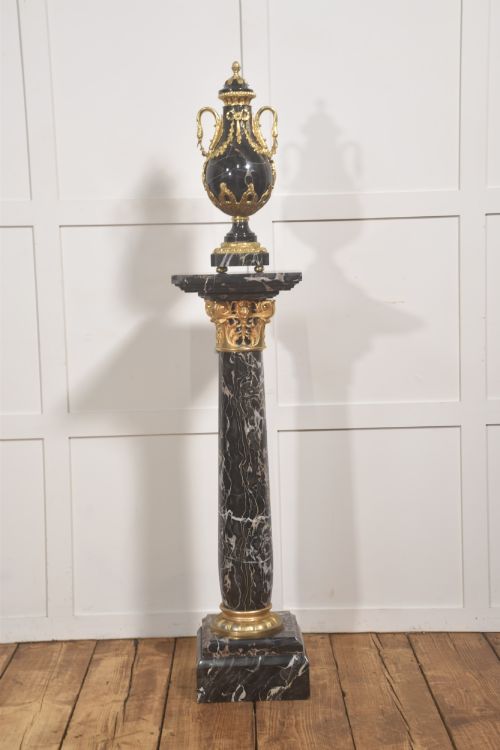
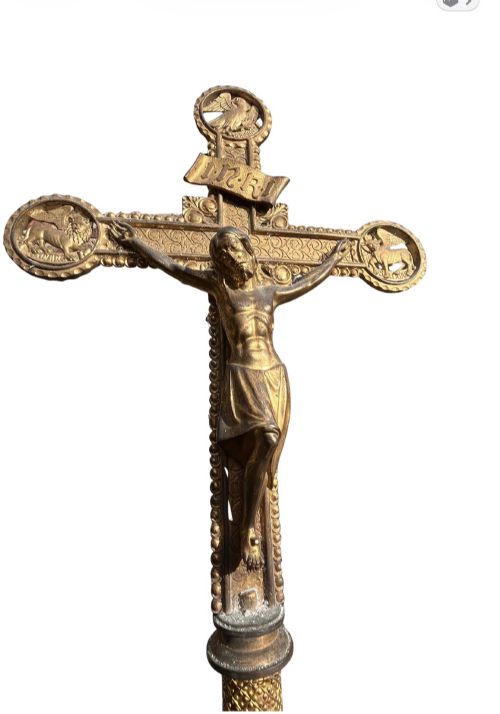
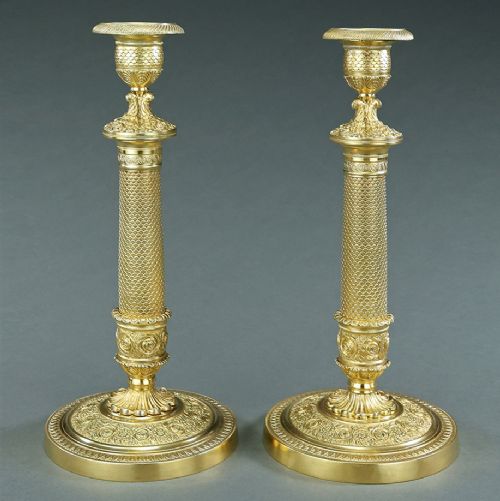
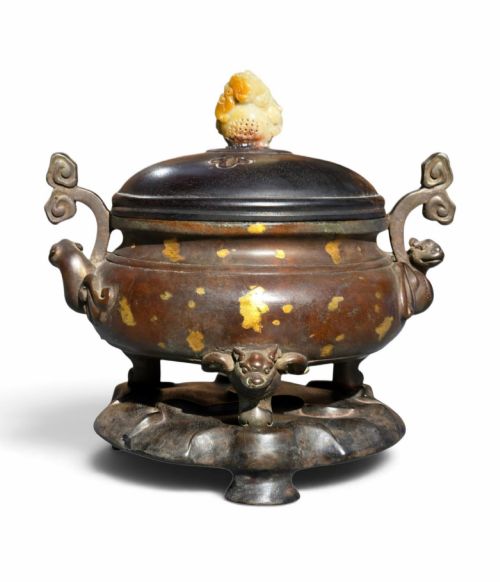
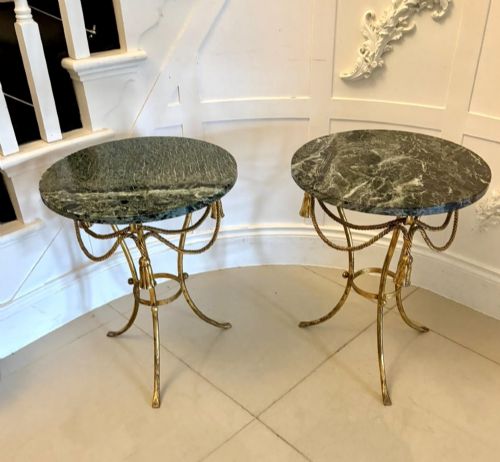
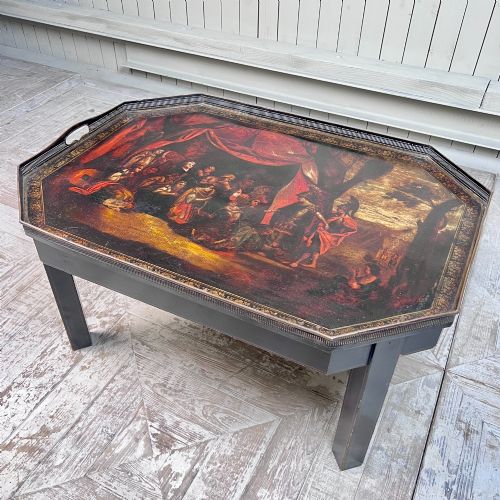
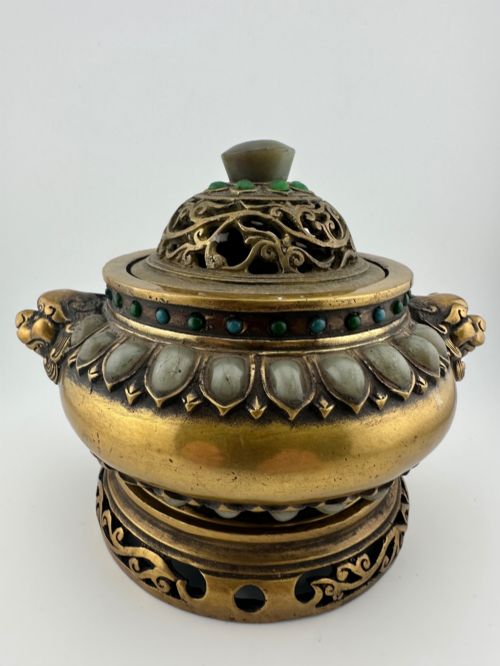
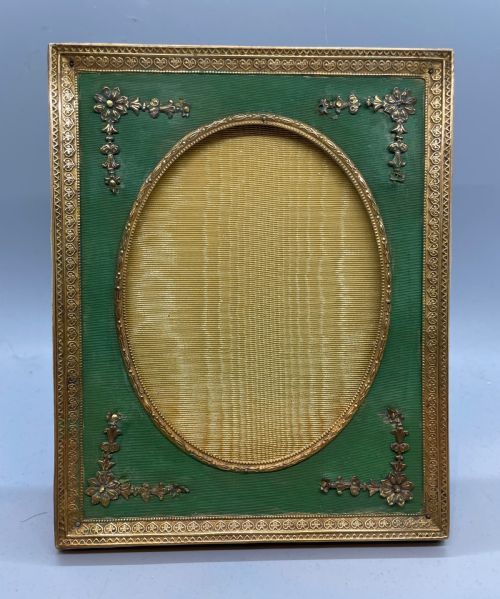
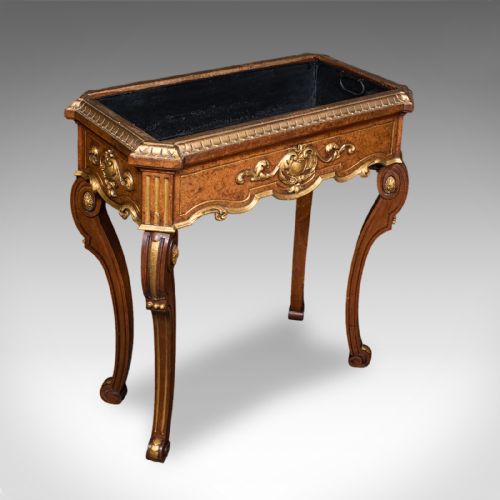
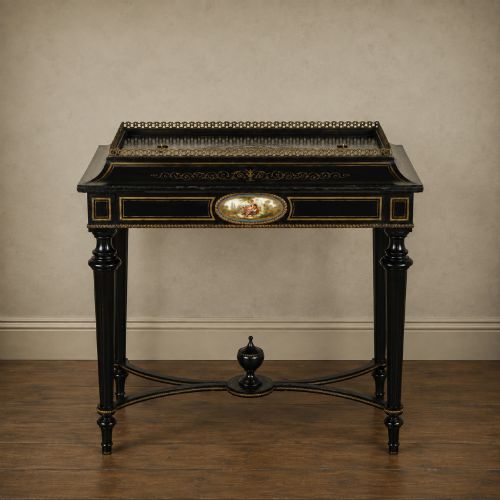
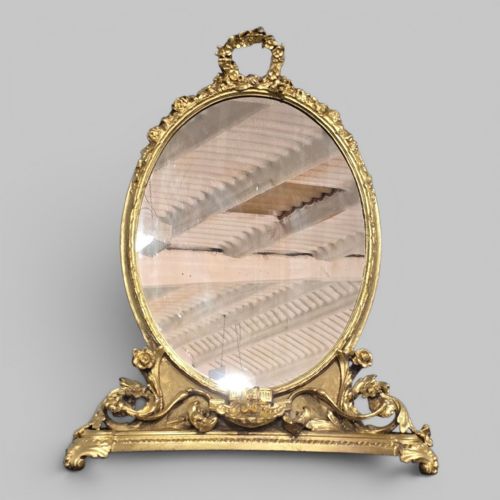
A gilt metal stand encompasses a varied group of decorative objects designed to hold, elevate, or frame other items. The pieces on this page appear in forms such as jardiniere tables, picture frames, ink stands, and separate bases for censers or plaques.
Origins stretch across European and Asian workshops, with French Regency, Empire, and Napoleon III pieces appearing alongside Chinese bronze and cloisonne examples. Buyers encounter everything from small portrait easel stands to heavy marble-topped plant tables.
Materials and Technique
The construction relies heavily on cast bronze, ormolu, and brass, often combined with secondary materials like white marble, glass, burr walnut, and hand-painted porcelain plaques. Gilding techniques apply a thin layer of gold or gold-coloured finish to base metals to create a bright decorative surface.
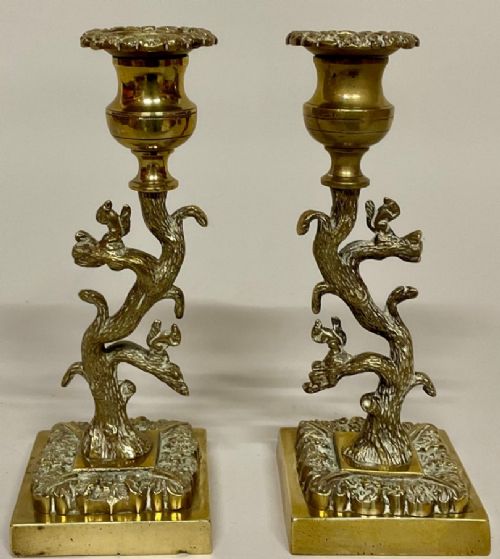
Casting methods allow for intricate ornamentation, from French Rococo scrolls and floral mounts to figural trees with squirrels and champleve enamel panels. Heavier items integrate substantial stone bases or timber frames with metal mounts screwed or pinned into place.
Gilt Metal Stand Retail Price Guide 2026
Typical asking prices for gilt metal stand among the pieces listed under this phrase on Sellingantiques today, from the lower quarter to the upper quarter. They describe what is for sale here now, not the wider market.
The styles span French Rococo Revival, Regency, and Art Nouveau, reflecting diverse nineteenth and early twentieth-century tastes.
Quality and Execution
Signatures, heavier metal weight, and the integration of costly secondary elements like hardstone or champleve enamel elevate individual items. Poorer quality shows in soft, blurred casting details and thin, uneven gilding that wears through to the base brass.
Albert Marionnet·Falkirk Ironworks
The Gilt Metal Stand Glossary
- Ormolu
- Gilded bronze, typically produced by applying a mercury-gold amalgam to cast bronze and heating it to leave a rich, golden finish. This technique was widely used in French decorative arts during the eighteenth and nineteenth centuries.
- Jardiniere
- A decorative planter or flower stand designed to hold potted plants indoors. These often feature metal liners and decorative stands made of wood with metal mounts.
- Champleve
- An enamelling technique where troughs or cells are sunk into the surface of a metal object and filled with vitreous enamel before firing. The resulting coloured patterns sit flush with the surrounding metal partitions.
- Tazza
- A shallow saucer-like dish or cup mounted on a stem and foot, used for display or serving. Antique examples in metal often incorporate elaborate cast decoration.
- Campana
- A classical vase shape resembling an inverted bell, frequently seen on the sconces of nineteenth-century candelabras and lamps.
Gilt Metal Stand: Frequently Asked Questions
What is a gilt metal stand used for?
These items serve primarily to support, elevate, or frame other decorative objects such as porcelain plaques, pocket watches, photographs, or censers. Some versions function as independent small tables for plants or desk accessories like inkwells.
Their purpose combines practical support with ornamental display, adding height and reflective metallic detail to a room's interior arrangement.
How do I clean gilt metal?
Cleaning requires a soft, dry microfiber cloth to gently remove dust from crevices and chased surfaces. Avoid liquid polishes, abrasive cloths, or chemical dips, which can strip away thin historical gilding.
If the metal requires more attention, a professional conservator should assess the piece to prevent accidental damage to the original surface finish.
Are these stands French or English?
The selection includes pieces from multiple European regions, with a strong representation of French designs such as Napoleon III, Louis XV style, and Empire aesthetics. English Regency and Victorian examples also appear frequently across the listings.
Stylistic markers, such as specific casting traits, wood types, and mounting techniques, typically help distinguish between continental workshops and British production.
How can I tell the age of a gilt metal stand?
Dating relies on examining the casting methods, the wear patterns on the gilding, and the secondary materials used in construction. Nineteenth-century pieces often display hand-chased detailing and construction methods characteristic of Victorian or continental revival styles.
Comparing the decorative vocabulary, such as Regency motifs or Art Nouveau curves, against known historical periods provides a reliable guide to manufacture dates.